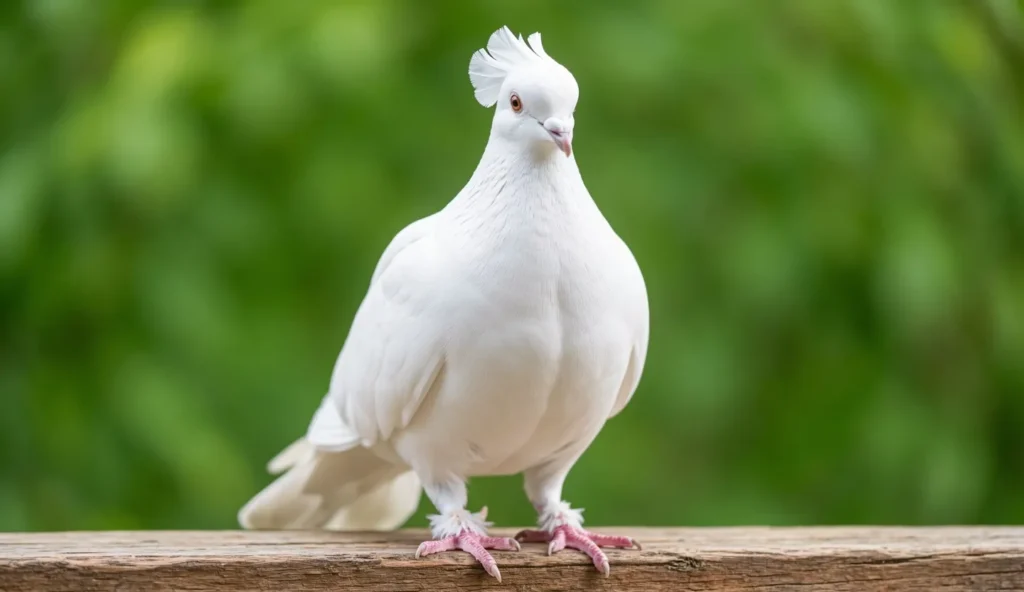
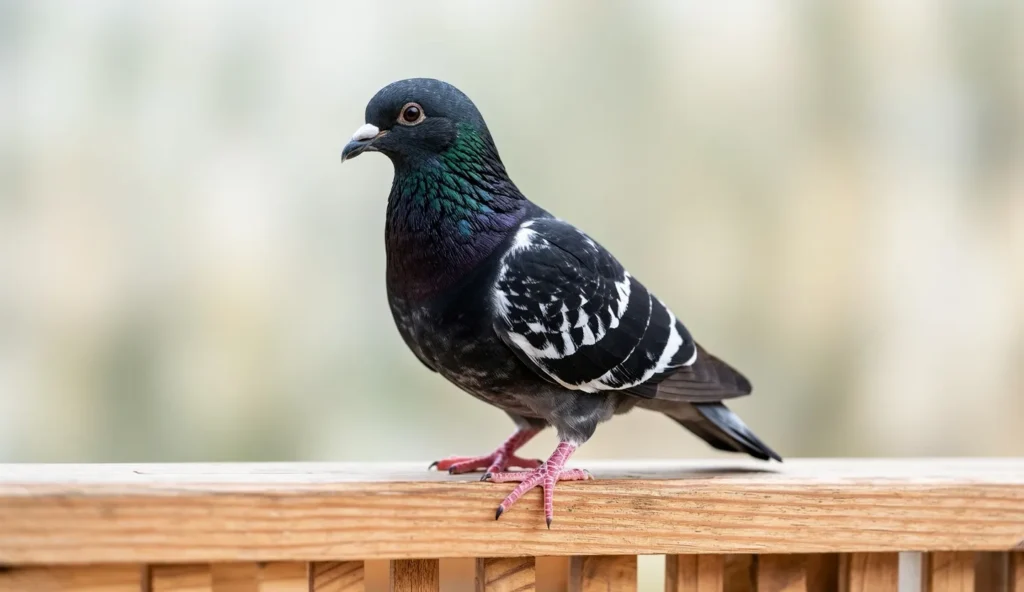
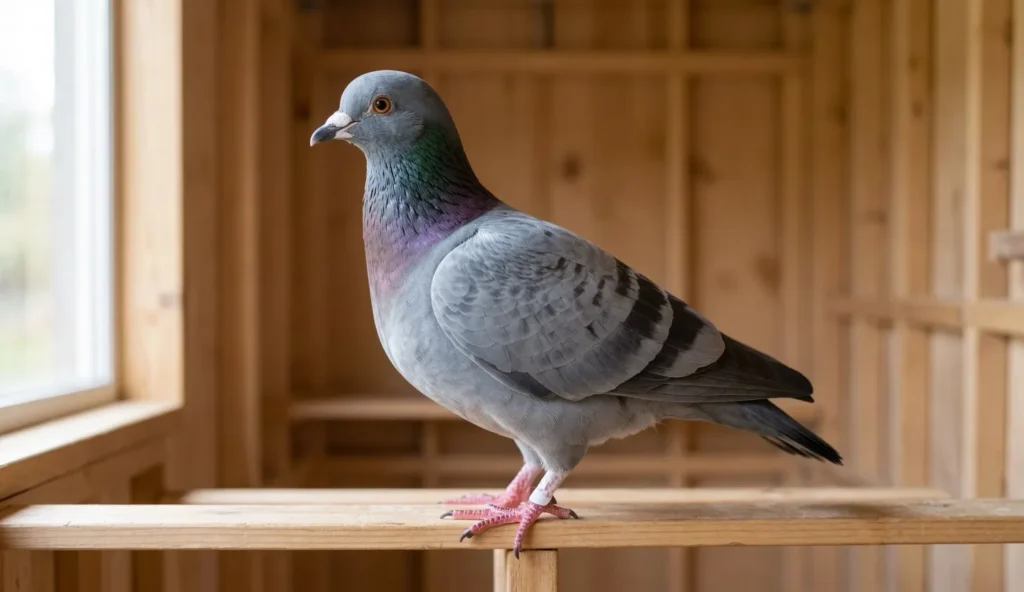
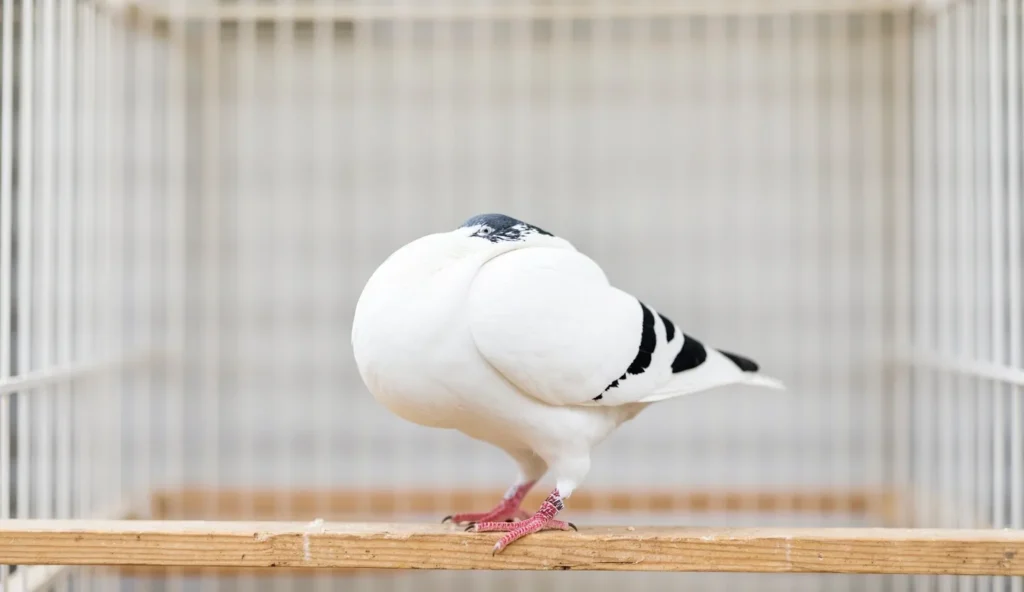
What Is an Egyptian Swift Pigeon
The Egyptian Swift is a specialized racing pigeon developed in Egypt for speed and endurance. This breed stands out among swift pigeon flying varieties for its explosive acceleration and efficient flight metabolism. Pigeon racers seeking a competitive edge often turn to the Egyptian Swift for short to medium distance competitions.
Origin and History
Egyptian Swift pigeons were created through selective breeding of high-speed homing pigeons native to the Nile region. Breeders focused on enhancing velocity and homing drive over many generations. The breed shares ancestry with other Middle Eastern swift pigeon varieties, such as the Syrian pigeon, which also emphasizes speed and endurance.
Bred specifically for short to medium distance racing, the Egyptian Swift became a favorite among Egyptian fanciers. Its reputation for quick returns spread across the region. Today, it remains a top choice for racers who prioritize velocity over marathon distances.
Key Characteristics at a Glance
- Small to medium body size with a streamlined shape
- Strong chest and wing muscles for explosive power
- Highly efficient flight metabolism
Egyptian Swift Pigeon Appearance and Physical Features
The physical build of the Egyptian Swift pigeon is engineered for speed. Every aspect of its anatomy reduces drag and maximizes propulsion. Understanding these traits helps racers select and condition birds for peak performance.
Body Structure and Proportions
A compact, wedge-shaped body cuts through air with minimal resistance. The broad chest and powerful shoulders generate thrust during rapid wing beats. A short tail and strong legs provide stability during high-speed flight and sharp turns.
This balanced proportion allows the Egyptian Swift to accelerate quickly from takeoff. The low body weight further enhances agility. Compared to heavier utility breeds like the Hungarian Giant, the Egyptian Swift is clearly built for racing.
Feather Quality and Color Patterns
Tight, hard feathering lies flat against the body to minimize air resistance. This feather quality is essential for maintaining speed over long distances. Common colors include red, blue, black, and white, though no specific color correlates with better performance.
Some fanciers prefer dark-eyed birds for their perceived alertness, but color has no scientific link to flying ability. The Ice pigeon shares similar feather textures but is bred primarily for exhibition, not racing.
Head and Eye Traits
A smooth, rounded head with a short beak reduces frontal drag. Large, dark eyes provide excellent vision for navigation and obstacle avoidance. The clean cere (nasal area) is typical of well-bred racing pigeons and indicates good health.
Speed and Flying Ability of the Egyptian Swift
The Egyptian Swift is prized for its raw speed. In short bursts, it can reach 70 to 80 miles per hour, outperforming many homer breeds. Sustained racing speed averages 45 to 55 mph over 100 miles.
Top Speed and Acceleration
Acceleration from takeoff is faster than most other racing pigeons. The bird reaches cruising speed within seconds. This quick burst gives it an advantage in sprint races where every second counts.
In contrast, some fancy breeds like the Saddleback pigeon are not designed for velocity. The Egyptian Swift’s flying style is low, direct, and purposeful, with minimal wasted motion.
Flying Style and Maneuverability
Rapid wing beats drive the bird forward with little gliding. This constant propulsion is energy-intensive but maximizes speed. The Egyptian Swift also excels at navigating tight turns, which is useful in courses with multiple direction changes.
Endurance and Stamina in Long Distance Races
While bred for speed, the Egyptian Swift also possesses respectable endurance. Proper conditioning allows it to maintain high speeds over medium-distance races. Understanding its stamina limits is key to successful race planning.
Racing Distances the Egyptian Swift Handles Best
The breed excels in races from 100 to 300 miles. It can finish 400-mile races but requires careful conditioning to avoid burnout. Shorter distances highlight its explosive speed advantage over endurance-focused breeds.
Racers targeting longer distances may consider other breeds, but the Egyptian Swift remains competitive in its optimal range. Its recovery time is shorter than many homers, allowing multiple races in a season.
Energy Management and Recovery
Efficient glycogen utilization sustains energy over hours of flight. Post-race recovery is fast with proper nutrition, including electrolytes and protein. Rest days between intense flights are essential to prevent fatigue and muscle strain.
Temperament and Trainability for Racing
The Egyptian Swift has a calm, cooperative temperament when raised from squabs. Its strong homing instinct makes it a reliable returner. This breed is less prone to wandering than some tumbler varieties.
Natural Homing Instinct
Inherited from homer ancestors, the homing drive is deeply ingrained. Birds return reliably even after long releases. This trait is crucial for competitive racing success.
Handling and Social Behavior
Egyptian Swifts are easy to handle when accustomed to human presence from an early age. They get along well in mixed lofts if introduced gradually. During breeding season, they can become territorial, so separate housing may be needed.
Compared to the English Pouter, which is more docile, the Egyptian Swift shows more energy and drive. This makes it better suited for active racing rather than exhibition.
Training an Egyptian Swift for Peak Performance
Training the Egyptian Swift requires consistency and progressive intensity. A structured program builds both speed and endurance. The following steps outline an effective regimen.
Early Conditioning for Young Pigeons
- Start with short tosses at 2 to 3 miles from the loft
- Gradually increase distance by 5 miles per session
- Introduce light wind training to build wing strength
Young birds should not be pushed too hard. Let them gain confidence before advancing distances. This foundation prevents injuries and fosters trust.
Advanced Race Preparation
- Incorporate interval training with rest days
- Use training tosses at different compass directions
- Simulate race-day feeding and water schedules
Varying release points sharpens navigation skills. Interval training mimics race conditions and improves cardiovascular efficiency. This approach is similar to conditioning methods used for the Old German Owl, but with more emphasis on speed.
Motivation and Reward Systems
- Use favored treats like safflower or hemp seeds
- Withhold feed until after release to encourage fast returns
- Pair training with visual cues like colored flags or perches
Diet and Nutrition for Racing Egyptian Swifts
Nutrition directly affects the Egyptian Swift’s performance. A race-day diet differs from off-season maintenance. Proper feeding ensures energy availability without weight gain.
Race Day Feeding
A light meal of high-carb grains like corn and wheat the night before provides quick energy. Adding a small amount of peanuts supports sustained effort. No heavy feeding within two hours of release to avoid digestive issues.
Off-Season Maintenance Diet
- Balanced grain mix with 14% to 16% protein
- Supplement with grit, oyster shell, and vitamins
- Monitor weight to prevent obesity in non-racing periods
Hydration and Electrolytes
Fresh water must be available at all times. Electrolyte supplements after long flights aid recovery. Weekly apple cider vinegar in water supports digestive health.
These care guidelines fall under general egyptian pigeon care, but racing demands stricter adherence to feeding schedules.
Common Health Issues in Egyptian Swift Pigeons
Like all racing pigeons, the Egyptian Swift is susceptible to certain health problems. Preventive loft management reduces risks. Early detection of symptoms is critical for treatment.
Respiratory Infections
Symptoms include sneezing, nasal discharge, and wheezing. Good loft ventilation and low dust levels prevent most infections. Treatment involves antibiotics prescribed by an avian vet.
Parasites and Worm Infestations
Internal parasites like roundworms slow performance and cause weight loss. External mites damage feathers and irritate skin. Regular deworming schedules and thorough loft cleaning keep parasites under control.
Muscle and Joint Injuries
Overtraining can lead to wing or leg strains. Watch for reluctance to fly or abnormal perching. Rest and anti-inflammatory supplements like turmeric aid recovery. Avoid pushing birds beyond their limits.
Is the Egyptian Swift Pigeon Right for You
This breed suits racers focused on speed over extreme distance. It requires dedicated training and a clean loft environment. Beginners may find the commitment challenging, but experienced fanciers will appreciate its performance.
Ideal Race Distances and Goals
The Egyptian Swift is best for short to medium distance competitions. It is not ideal for ultra-marathon races beyond 500 miles. Fanciers who prioritize speed will find this breed highly rewarding.
Loft Space and Environment Needs
Spacious, well-ventilated lofts with perches are essential. Access to a flight pen for daily exercise is recommended. Higher cleanliness standards prevent respiratory issues common in racing pigeons.
Time and Commitment Required
Daily training sessions are necessary for race conditioning. Feeding and health monitoring add to the weekly workload. This breed is best suited for dedicated racers with at least two seasons of experience.
Frequently Asked Questions
How fast can an Egyptian Swift pigeon fly?
Top speed reaches 70 to 80 mph in short bursts. Sustained racing speed averages 45 to 55 mph.
What is the best distance for an Egyptian Swift pigeon to race?
The breed excels in races of 100 to 300 miles. It can handle up to 400 miles with proper conditioning.
Do Egyptian Swift pigeons need special training for speed?
Yes, interval training and short tosses build explosive power. Consistent daily exercise is essential for peak performance.
What should I feed an Egyptian Swift racing pigeon?
High-carb grains like corn and wheat before races provide quick energy. A balanced diet with 14% to 16% protein supports off-season maintenance.
Are Egyptian Swift pigeons easy to handle and train?
Yes, they are calm and cooperative when raised from squabs. Their strong homing instinct makes them reliable returners.
What health problems are common in Egyptian Swift pigeons?
Respiratory infections from poor loft ventilation are common. Internal parasites and wing strains from overtraining also occur.