What Is an Old German Owl Pigeon
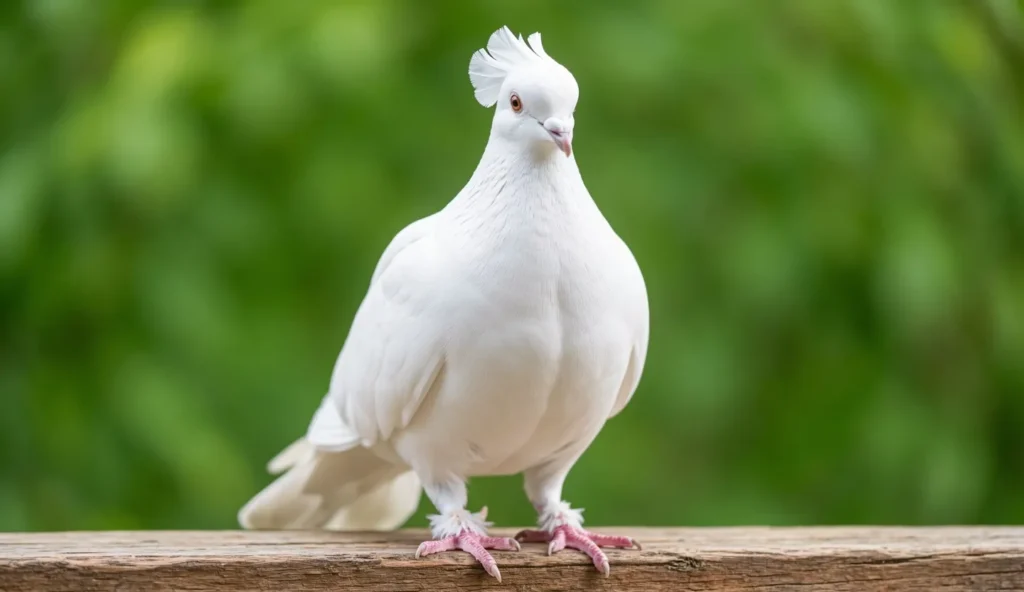
The Old German Owl pigeon is a distinctive fancy breed that originated in Germany during the 19th century. Its most defining traits include a very short beak and a prominent frill of feathers on the chest and throat. This breed stands out among owl pigeons for its calm demeanor and compact, rounded body.
Breed Origins and History
German breeders developed the Old German Owl from crosses between older owl-type pigeons and local German varieties. The goal was to create a bird with a unique short beak and a frill that resembles an owl’s facial disc. Today, it remains a popular exhibition breed across Europe and North America.
Like other fancy pigeons, such as the Ice pigeon, the Old German Owl requires specialized care to maintain its feather quality and health.
Appearance and Physical Features
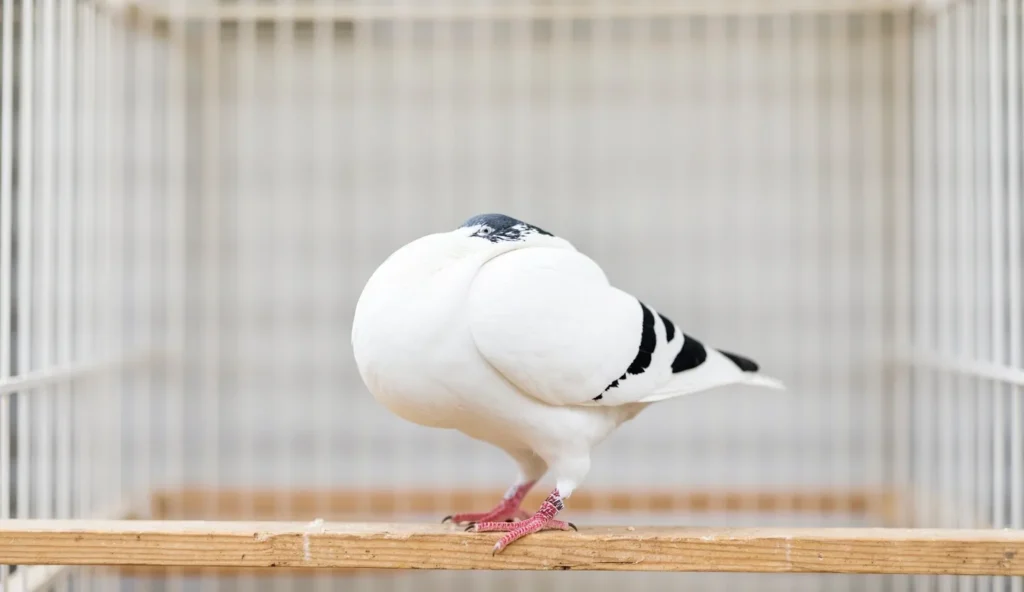
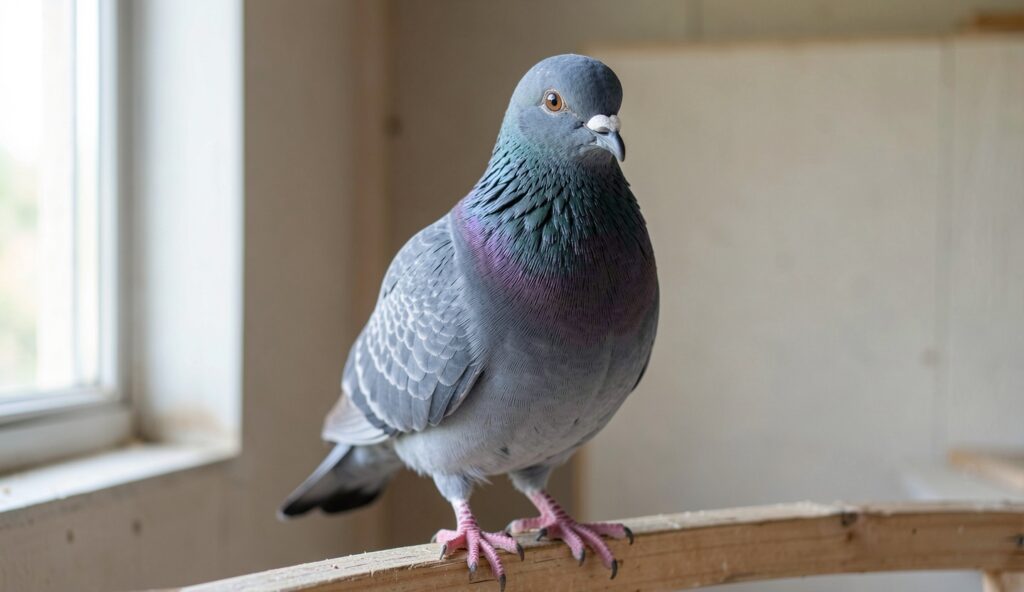
The Old German Owl has a small to medium body with a rounded, compact shape. Its short legs and wide chest give it a low, broad silhouette.
Body Shape and Size
- Small to medium rounded body
- Short legs and wide chest
- Distinctive short beak and rounded head
The Frill and Feathering
- Frill on the upper chest and throat
- Smooth or slightly shell-crested head
- Feathers are tight and glossy
Color Varieties
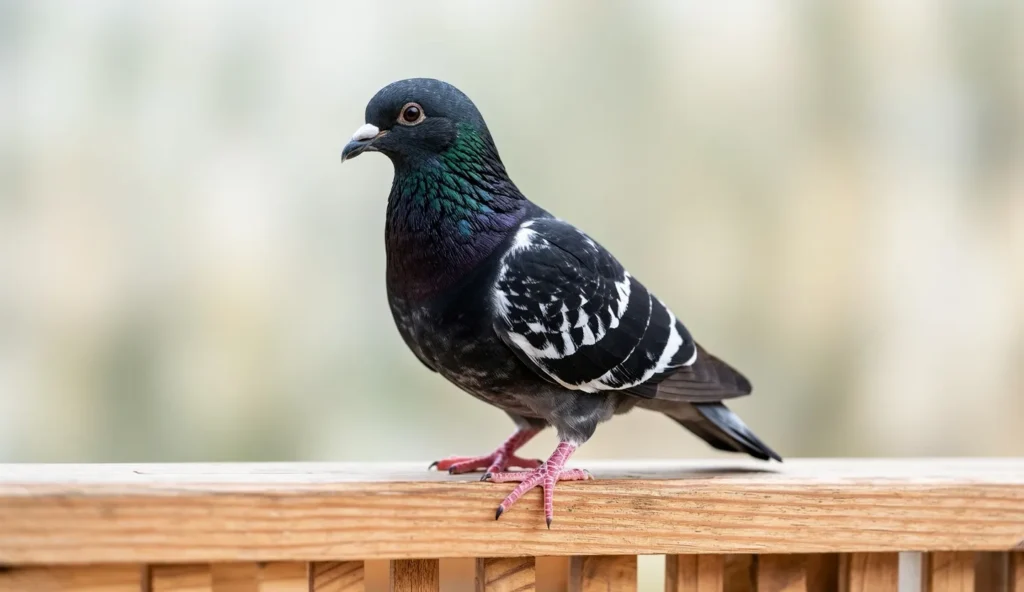
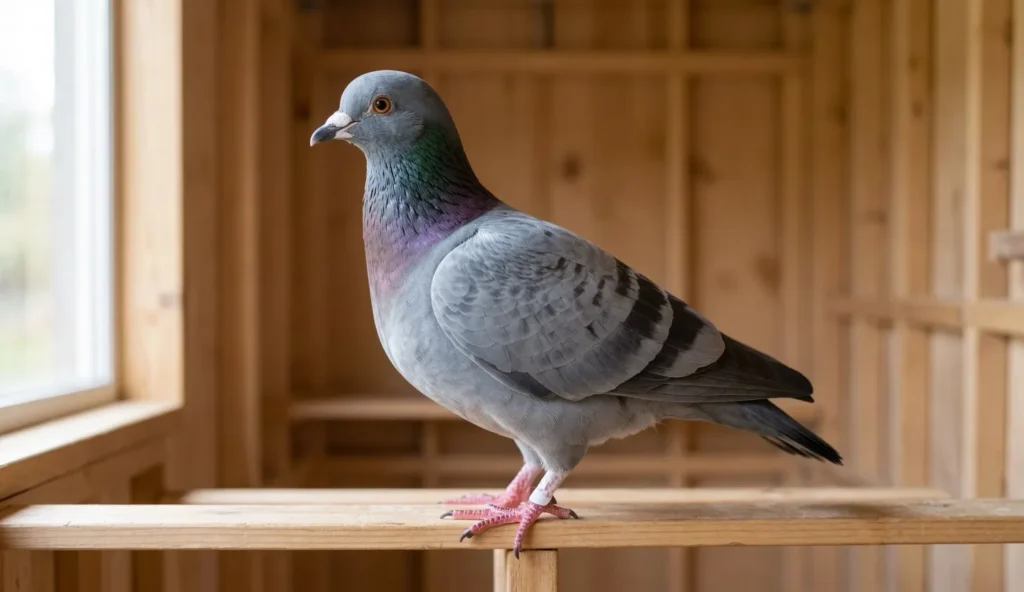
- Self colors like black, blue, red, yellow
- Patterns include grizzle, pied, and barless
- Eyes are pearl or orange depending on color
Temperament and Personality
The Old German Owl pigeon is known for its calm, gentle nature. It rarely displays aggression toward other birds and adapts well to aviary life.
This breed is not flighty and appreciates a stable environment. Experienced keepers value its quiet disposition, which makes the Old German Owl suitable for mixed collections with other docile varieties such as the English Pouter.
Housing Essentials for Old German Owl Pigeons
Proper housing is critical for maintaining feather quality and preventing health issues. The Old German Owl requires a clean, spacious setup that protects it from drafts and predators.
Indoor Cage Requirements
- Minimum cage size 60x60x60 cm per pair
- Solid perches at least 2 cm wide
- Nesting boxes with concave bases
Outdoor Loft Setup
- Protection from rain and direct wind
- Good ventilation without drafts
- Double-entry system to prevent escapes
Bedding and Nesting Materials
- Use kiln-dried pine shavings or sand
- Provide straw or soft hay for nesting
- Clean nesting bowls after each brood
Large, hardy breeds like the King pigeon have similar space requirements, though the Old German Owl needs slightly smaller perches due to its short legs.
Diet and Nutrition
A balanced diet supports feather growth, reproduction, and overall vitality. The Old German Owl does best on a carefully formulated seed mix.
Basic Seed Mix
- 55% small grains like millet and canary seed
- 30% larger grains like wheat and maize
- 15% legumes like peas and beans
Supplements and Treats
- Grit and oyster shell for digestion
- Fresh greens like spinach weekly
- Breeding hens need extra calcium
Water and Feeding Schedule
- Fresh water changed daily
- Clean food cups every two days
- Feed twice daily during breeding season
The Carneau pigeon shares a similar diet but requires slightly larger grain proportions due to its bigger frame.
Common Health Issues
Regular health checks prevent many problems. The Old German Owl’s short beak and dense feathering require special attention.
Respiratory Infections
- Caused by drafts or poor ventilation
- Symptoms include sneezing and nasal discharge
- Treat with tetracycline under vet guidance
Beak and Feather Problems
- Short beak may cause eating difficulties
- Feather plucking from stress or mites
- Regular parasite checks recommended
Reproductive Issues
- Egg binding in hens
- Low fertility due to inbreeding
- Provide separate breeding pens
Historical breeds like the Dragoon pigeon are hardier but also susceptible to similar respiratory problems when housed improperly.
Is the Old German Owl Pigeon Right for You
This breed suits experienced keepers who can provide consistent housing and a precise diet. The Old German Owl requires more attention than robust utility breeds due to its short beak and frill maintenance.
Keepers willing to clean lofts regularly and monitor feather health will find this pigeon a rewarding exhibition bird. For those seeking a unique, calm companion, the old dutch capuchine pigeon offers similar charm with an equally distinctive appearance.
Frequently Asked Questions
How much space does an Old German Owl pigeon need?
A pair requires a cage at least 60 cm per side. Outdoor lofts should provide 0.5 square meters per bird, with ample perching and nesting space.
Are Old German Owl pigeons friendly with other breeds?
They have a calm temperament and can coexist with docile breeds. Avoid housing with aggressive or large pigeons, and separate during breeding to prevent cross-mating.
What do Old German Owl pigeons eat?
A seed mix with small grains like millet and canary seed forms the base. Supplement with grit and fresh greens, and provide extra protein and calcium for breeding pairs.
How long do Old German Owl pigeons live?
With proper care, they live 10 to 15 years. A healthy diet and clean housing extend lifespan; regular health checks prevent early mortality.
Do Old German Owl pigeons need a mate?
They thrive in pairs or small groups. Single birds may become stressed or depressed, but a bonded pair will breed readily.
How do I breed Old German Owl pigeons successfully?
Provide a nesting box with concave base. Feed a high-protein diet during breeding, and separate pairs to avoid competition and ensure fertility.
Final Note
The Old German Owl pigeon rewards dedicated keepers with its elegant frill and gentle nature. Focus on clean housing, a balanced diet, and regular health monitoring to enjoy this breed for many years.