What Is a Carneau Pigeon
The Carneau pigeon is a medium-sized breed developed in France and Belgium as a utility pigeon. It stands out for its calm temperament and robust build, making it a popular choice among pet owners. Anyone seeking a docile, low-maintenance bird will find this breed appealing.
Origin and History
The Carneau pigeon originated in the regions of northern France and southern Belgium. Breeders developed it primarily for meat production and show purposes. Over time, its gentle nature also made it suitable as a companion bird.
Like the King pigeon, the Carneau was shaped by selective breeding for size and calmness. Both breeds share a utility background yet excel as pets. The Carneau is now a recognized fancy breed in many countries.
Breed Recognition
Major pigeon fancier organizations, such as the National Pigeon Association, recognize the Carneau pigeon. It is classified as a medium-sized breed despite its heavier, more muscular frame. This classification reflects its balanced proportions rather than extreme size.
Exhibitors often show Carneau pigeons alongside breeds like the fantail pigeon. Both breeds require specific standards for confirmation and feather quality. The Carneau’s docile nature also makes it a favorite in pet circles.
Carneau Pigeon Appearance and Colors
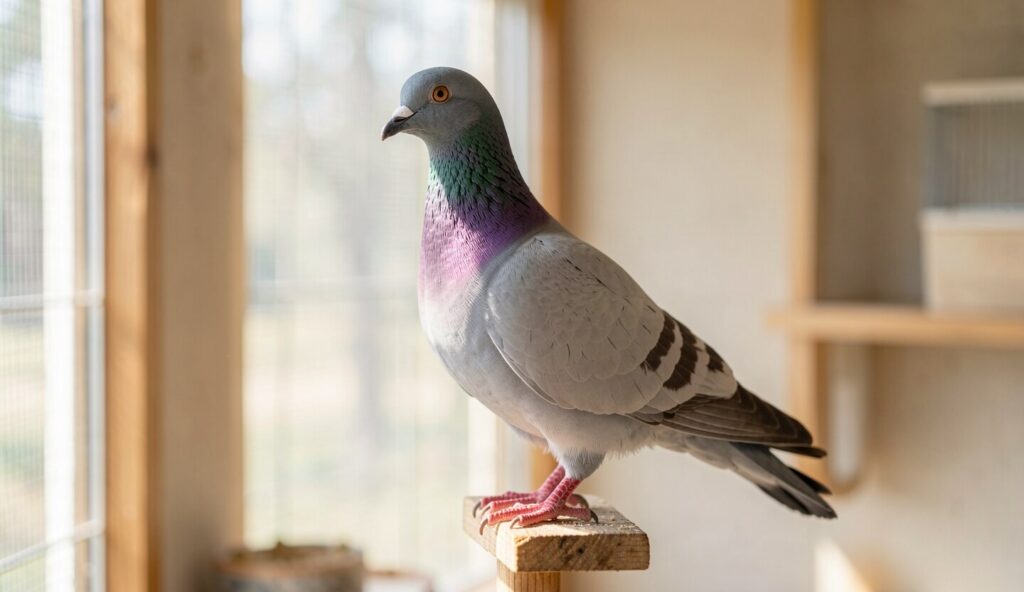
The Carneau pigeon has a medium to large body with a broad chest and short legs. Its tail is medium-length, and the overall build appears solid without being bulky. A typical adult weighs between 500 and 600 grams.
Size and Build
Males and females are similar in size, though males may have slightly larger heads. The body is well-muscled, reflecting the breed’s original utility purpose. Short legs give the bird a grounded, stable posture.
Color Variations
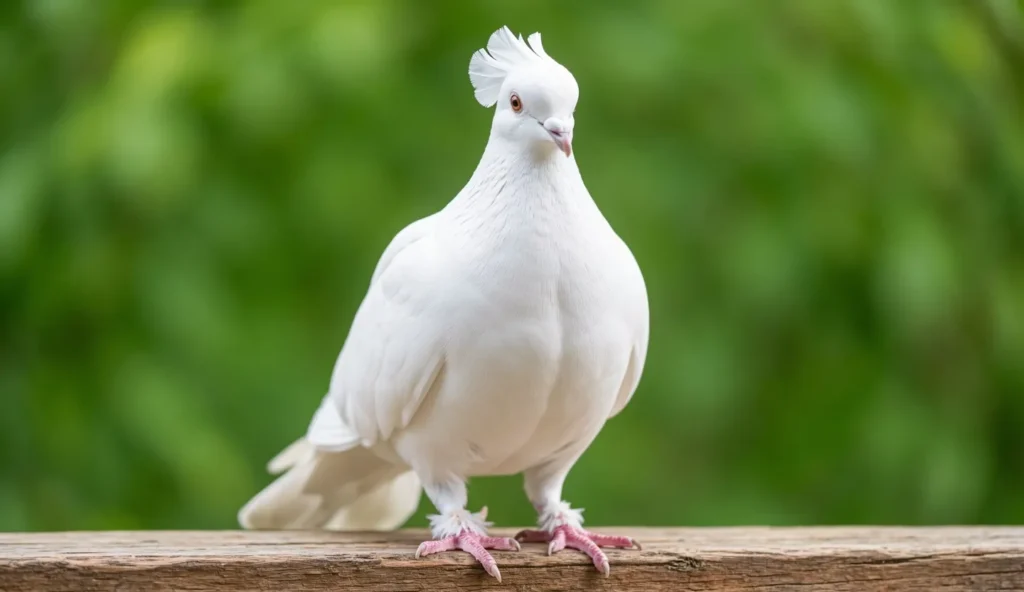
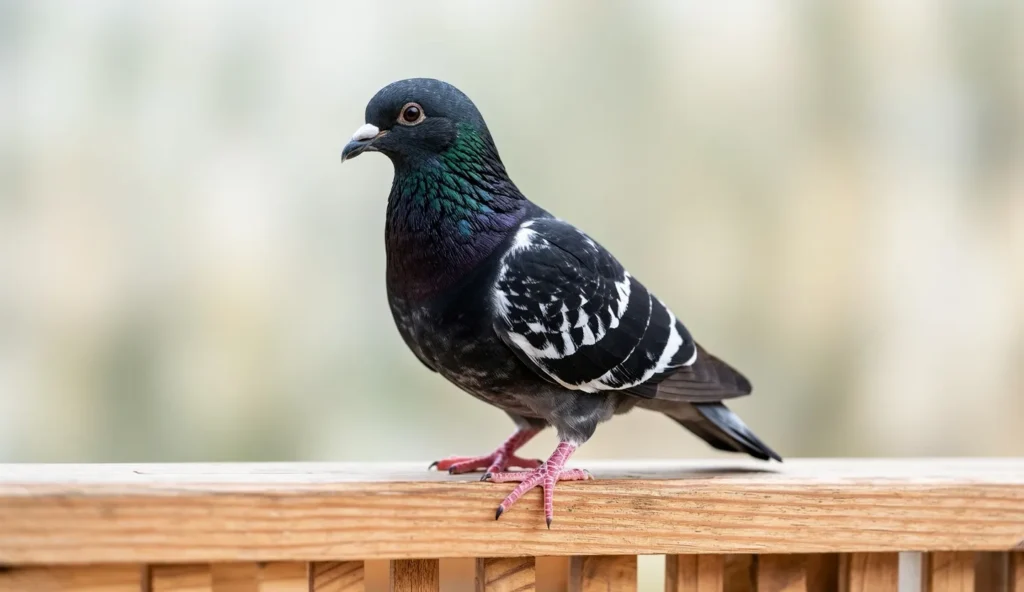
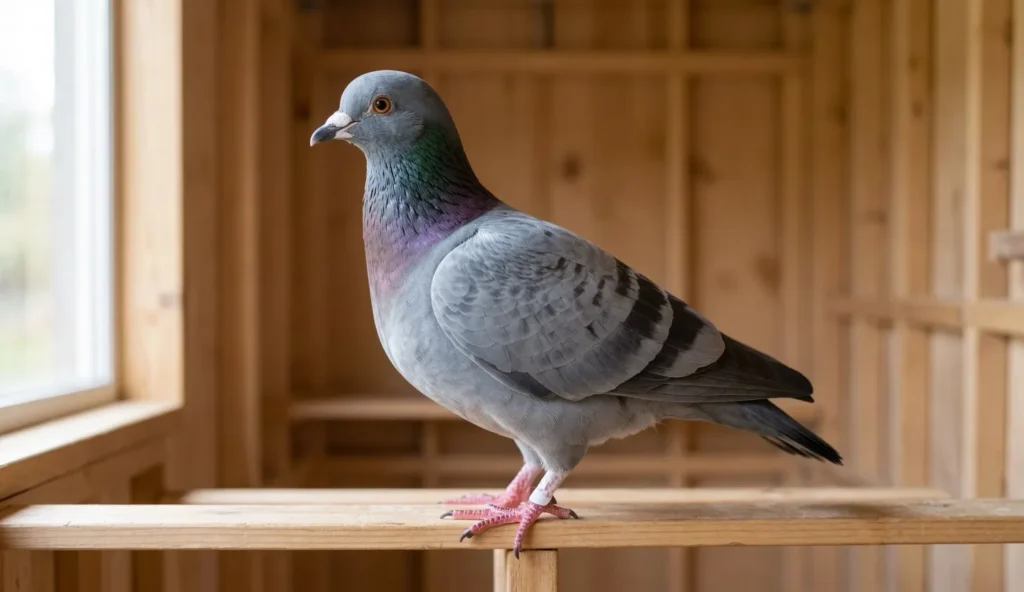
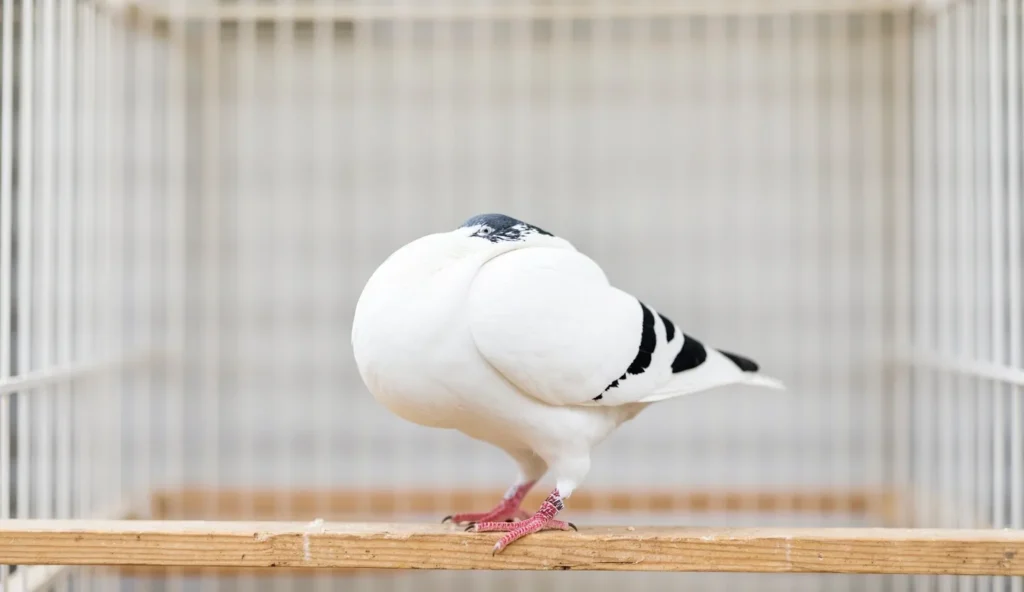
The most common color in the Carneau pigeon is red or mealy (a light red shade). Other accepted colors include blue, black, white, and splash patterns. Feathers are tightly packed and smooth, giving a sleek appearance.
| Color Variety | Description |
|---|---|
| Red | Rich, solid red covering the entire body |
| Mealy | Light red with a dusty, faded tone |
| Blue | Slate blue with darker wing bars |
| Black | Solid black with a metallic sheen |
| White | Pure white without any colored markings |
| Splash | Random patches of white on a colored base |
Distinctive Features
The Carneau pigeon has a large, rounded head with a prominent forehead. Its eyes are dark and display a soft, calm expression. The beak is short and stout, adding to the breed’s gentle facial appearance.
Carneau Pigeon Temperament and Personality
The Carneau pigeon is known for its calm and gentle disposition, one of the most placid among pigeon breeds. It rarely shows aggression toward humans or other birds. Early socialization helps the bird tolerate handling with ease.
Calm and Gentle Disposition
This breed is ideal for owners who want a relaxed companion. The Carneau pigeon does not startle easily and adapts well to household routines. Its even temperament makes it suitable for families with older children.
Similar to the Ice pigeon, the Carneau pigeon enjoys calm environments and forms strong bonds with its owner. Both breeds require patient handling during initial interactions.
Social Needs
Carneau pigeons prefer to live in pairs or small groups. A single bird can bond closely with a human owner, provided it receives daily attention. They enjoy perching near people and watching household activity.
Noise Level
This breed produces quiet cooing sounds rather than loud calls. The Carneau pigeon is well-suited for apartment living with proper soundproofing. It is less vocal than many other fancy pigeon breeds.
Housing Essentials for a Carneau Pigeon
Providing appropriate housing keeps a Carneau pigeon healthy and content. The space must be secure, clean, and large enough for movement. Both indoor and outdoor setups can work with proper planning.
Indoor Cage Requirements
The minimum cage size for a pair of Carneau pigeons is 60 cm x 60 cm x 60 cm. Bar spacing should not exceed 2 cm to prevent escapes or injuries. Equip the cage with perches, food bowls, and a shallow bath dish.
Outdoor Aviary Setup
An outdoor aviary requires predator-proof wire mesh and a sheltered area to block wind and rain. Floor substrates such as sand or gravel simplify cleaning and drainage. Place the aviary in a location with partial shade during summer.
When co-housing with other docile breeds, such as the Jacobin pigeon, ensure enough perching space to avoid competition. Both breeds share a calm demeanor that reduces conflict.
Nesting and Roosting Areas
Provide nest boxes for breeding pairs and perches at various heights to encourage exercise. Keep the environment dry and draft-free to prevent respiratory problems. Regularly check roosting areas for droppings buildup.
Carneau Pigeon Diet and Nutrition
A balanced diet is essential for the Carneau pigeon’s health and longevity. The foundation should be a high-quality pigeon grain mix supplemented with other nutrients. Fresh water must be available at all times.
Staple Seed Mix
The ideal grain mix includes corn, wheat, milo, and peas. Legumes such as lentils provide additional protein for feather growth and muscle maintenance. Avoid mixes with excessive sunflower seed, which is high in fat.
Grit and Minerals
Oyster shell grit supplies calcium for strong eggshells and bone health. Mineral blocks or loose supplements deliver trace elements like iodine and zinc. Grit aids digestion by helping the gizzard break down food.
Fresh Foods and Treats
Offer leafy greens, grated carrots, or chopped fruits a few times per week. Avoid avocado, chocolate, and salty snacks, as these are toxic to birds. Introduce new foods gradually to prevent digestive upset.
Grooming and General Care
Regular grooming keeps a Carneau pigeon’s feathers and nails in good condition. Cleaning routines also reduce the risk of infections and parasites. Most tasks are simple and require minimal equipment.
Bathing Routine
Provide a shallow dish of lukewarm water 2–3 times per week. Carneau pigeons bathe themselves by splashing and fluffing their feathers. Never force a bath; a proper dish size encourages natural behavior.
Feather and Nail Maintenance
Check feathers weekly for broken shafts or soiling. Trim overgrown nails every 4–6 weeks using a bird-specific clipper. Overly long nails can snag on perches and cause injury.
Cleaning the Living Area
Remove droppings daily to prevent ammonia buildup and disease. Disinfect perches, food bowls, and water dishes weekly. Replace bedding or substrate at least once monthly.
Common Health Issues in Carneau Pigeons
Carneau pigeons are generally hardy, but they can develop certain health problems. Prompt recognition and preventive care improve outcomes. Many issues stem from poor husbandry or environmental stress.
Respiratory Infections
Symptoms include sneezing, nasal discharge, and lethargy. Drafts, dampness, or overcrowding trigger these infections. Isolate sick birds and consult an avian veterinarian for treatment.
Parasites
External mites and lice cause feather damage and skin irritation. Internal worms can lead to weight loss and dull plumage. Regular deworming and mite treatment, similar to protocols for the Saxon shield pigeon, maintain health.
Crop and Digestive Issues
Sour crop results from spoiled food or bacterial imbalance. Diarrhea often follows sudden diet changes or stress. Keep food fresh and avoid overcrowding to minimize these problems.
Egg Binding in Females
Egg binding occurs when a hen cannot pass an egg, usually due to calcium deficiency. Provide extra calcium and offer a warm bath to relax the muscles. If the egg is not passed within 24 hours, seek veterinary help.
Is a Carneau Pigeon Right for You
This breed suits owners who value a calm, low-maintenance companion. Its gentle nature fits well with quiet households. However, the commitment to daily interaction and proper housing must be considered.
Ideal Owner Profile
Calm, patient individuals or families with older children make the best owners. Those who can provide daily out-of-cage time and a safe environment will enjoy this breed. Apartment dwellers with a suitable cage can also succeed.
Time and Commitment
A Carneau pigeon requires 30–60 minutes of supervised out-of-cage activity daily. Its lifespan of 10 to 15 years demands long-term commitment. Social needs mean the bird should not be left alone all day without interaction.
Frequently Asked Questions
How long do Carneau pigeons live?
Carneau pigeons typically live 10 to 15 years. Proper diet, clean housing, and regular vet checkups can extend lifespan.
Can Carneau pigeons live indoors?
Yes, they adapt well to indoor living with a spacious cage. They require daily out-of-cage time and a safe, bird-proofed room.
Are Carneau pigeons good for beginners?
Yes, their calm temperament makes them ideal for first-time pigeon owners. They are easy to handle and have relatively simple care needs.
Do Carneau pigeons get along with other birds?
Carneau pigeons are peaceful and can share an aviary with other gentle pigeon breeds. Avoid housing them with aggressive or highly active bird species.
How often should I clean a Carneau pigeon cage?
Remove droppings daily and perform a full cage cleaning weekly. Disinfect perches and food bowls at least once per week to prevent illness.
What is the best diet for a Carneau pigeon?
A high-quality pigeon grain mix with added legumes and grit forms the base. Supplement with fresh greens and fruits for variety and nutrition.
Final Note
The Carneau pigeon offers a rewarding pet experience for those who appreciate a calm, sociable bird. With proper care, this breed thrives and becomes a cherished companion for many years.