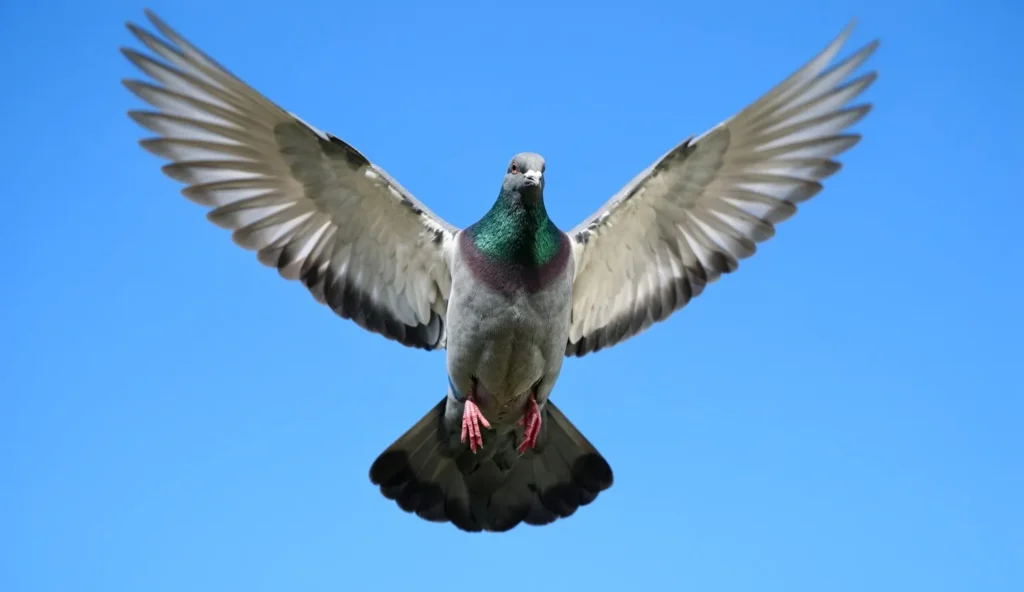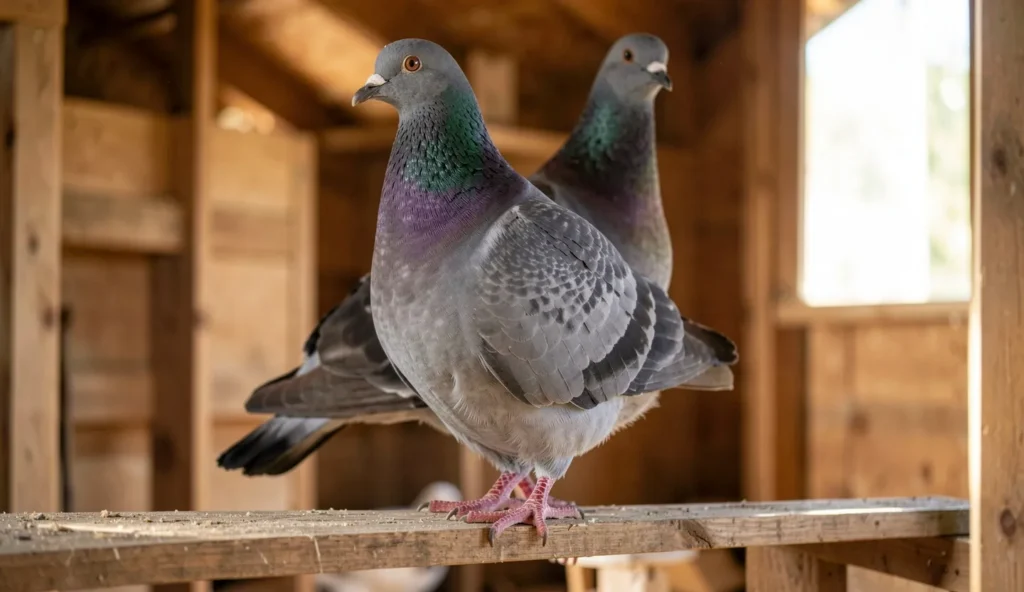
The Hungarian Giant pigeon is a rare utility breed developed in Hungary for meat production. This large pigeon stands out for its substantial body weight and calm temperament. Breeders seeking a productive and docile giant pigeon often choose this breed.
What Is a Hungarian Giant Pigeon
Origin and Purpose
The Hungarian Giant pigeon originates from Hungary, where it was selectively bred for its large size and meat yield. It belongs to the category of utility pigeons, valued for producing sizable squabs. Unlike many ornamental breeds, the Hungarian Giant prioritizes body mass over elaborate feathering.
This breed remains relatively rare outside its home country. Enthusiasts of rare pigeon breeds often seek it for breeding projects and show competitions. Its history connects to other large European utility breeds, such as the King pigeon, which shares a similar dual-purpose background.
Appearance and Physical Features
Size and Weight
Males typically weigh 900 to 1000 grams, while females are slightly smaller at 800 to 900 grams. The body is broad, deep-chested, and muscular, giving an impression of strength. This size places the Hungarian Giant among the heaviest pigeon breeds.
Color and Plumage
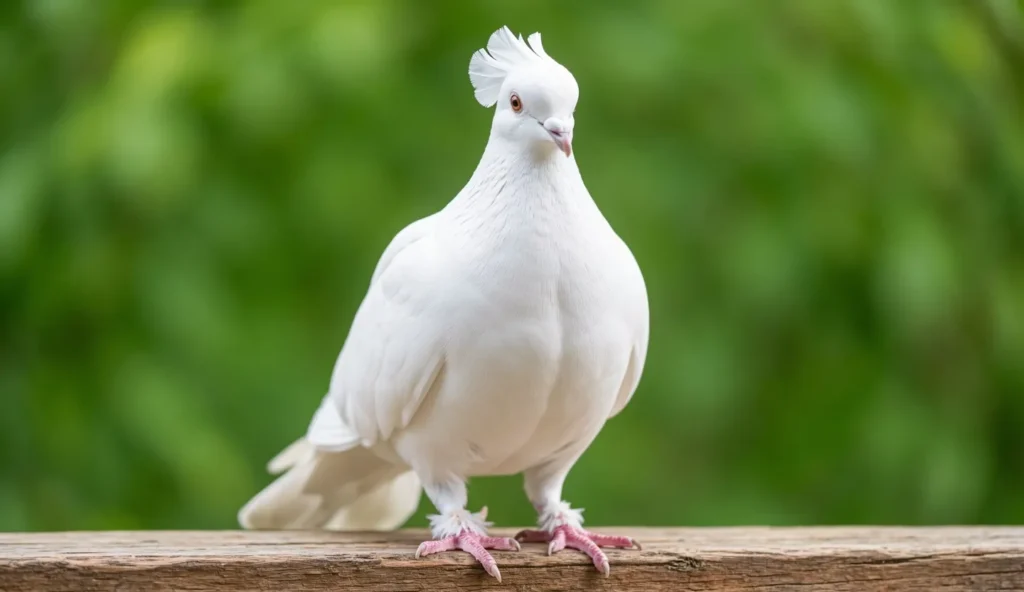
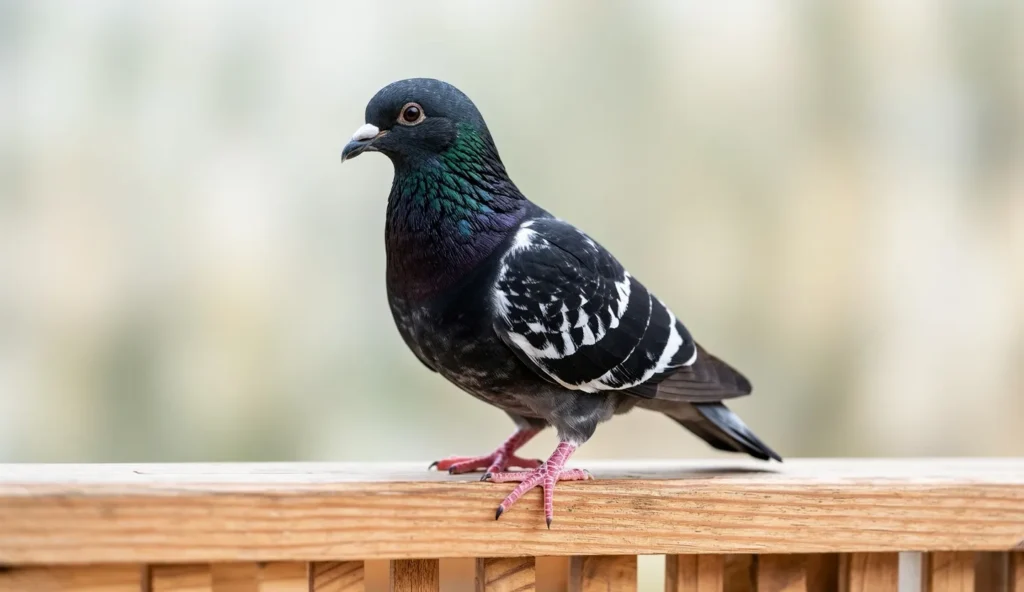
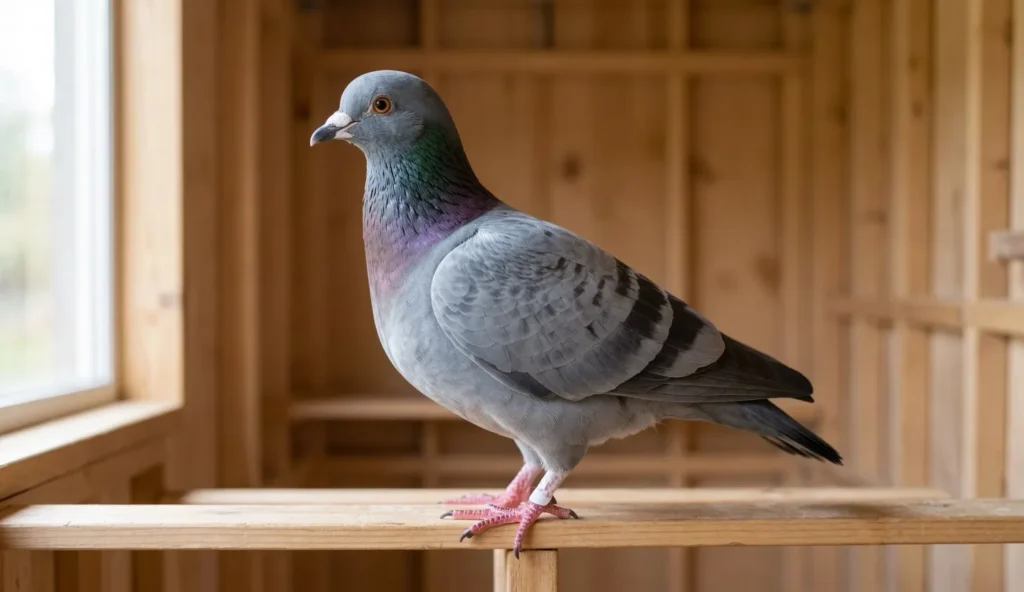
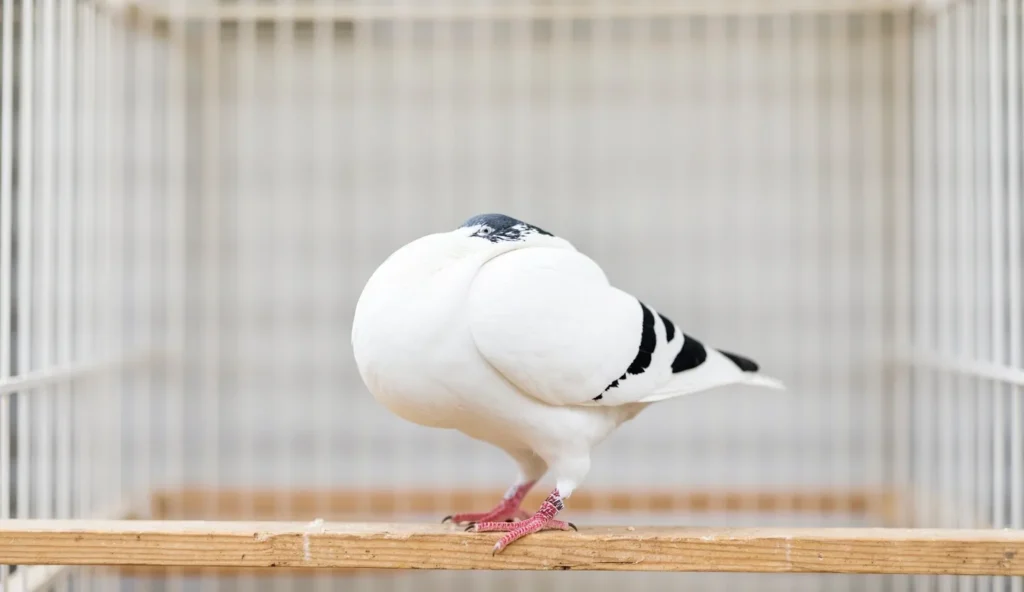
The plumage is smooth and tight against the body, lacking the frills or crests seen in fancy breeds. Standard colors include blue, black, red, yellow, and silver. The feathers lie flat, which emphasizes the bird’s solid, robust silhouette.
Distinctive Features
- Short, thick beak adapted for strong feeding
- Bare legs and feet without feathering
- Erect posture that highlights the broad chest
The head is proportionally small compared to the body, and the neck is medium-length. These traits distinguish it from other giant breeds like the Old German Owl, which has a more compact frame and different head shape.
Temperament and Personality
Calm and Docile Nature
The Hungarian Giant pigeon is known for its quiet, even-tempered disposition. It handles confinement well and does not become easily stressed. This calmness makes it suitable for both beginners and experienced keepers.
Birds are generally non-aggressive toward other pigeons and can coexist in mixed flocks. However, they appreciate a stable routine and may become uneasy with frequent changes in the loft. This breed adapts well to free flight in a secure aviary, but its heavy body limits sustained flying.
Similar to the Ice pigeon, the Hungarian Giant has a peaceful demeanor that reduces handling challenges. Owners often describe them as friendly and easy to manage.
Housing and Space Requirements
Loft Dimensions and Layout
The loft must be spacious enough to accommodate the bird’s large body. A minimum of 1 square meter per pair is recommended, with higher ceilings to allow perching at varied heights. Perches should be at least 30 centimeters wide to provide stable resting spots.
Nesting boxes need to be larger than standard pigeon boxes, measuring roughly 40 by 40 centimeters. Ventilation is critical to prevent respiratory issues, but drafts must be avoided. The floor should be easy to clean, ideally with a removable tray or a layer of sand.
External Aviary Options
An outdoor aviary allows the Hungarian Giant to exercise and forage. The aviary should include a covered area for shelter and an open section for sunlight. Fencing must be small enough to exclude predators, as this breed is not particularly agile.
Compared to the Maltese pigeon, which also benefits from ground space, the Hungarian Giant requires more robust perches due to its weight.
Diet and Nutrition
Grain Mixes for Growth and Maintenance
A balanced diet for the Hungarian Giant includes whole grains such as wheat, barley, corn, and peas. Protein levels should be moderate, around 14 to 16 percent, to support muscle development without causing obesity. Grit and oyster shell must be available for digestion and calcium.
During breeding, increase protein by adding more legumes and a commercial pigeon supplement. Fresh water must be changed daily, as these birds drink frequently.
- Base mix: 40% corn, 30% wheat, 20% peas, 10% barley
- Breeding boost: extra peas, lentils, and vitamin E
- Grit: insoluble grit plus crushed oyster shell
Overfeeding can lead to obesity, so portion control is essential. Monitoring weight weekly helps maintain optimal condition.
Health and Common Issues
Respiratory Infections
Poor ventilation or damp bedding can trigger respiratory problems like mycoplasmosis and canker. Symptoms include sneezing, nasal discharge, and lethargy. Prompt treatment with antibiotics or anti-parasitic medication is necessary, and prevention focuses on clean, dry housing.
Parasites and Obesity
Internal parasites, such as roundworms and coccidia, affect digestion and weight. Regular fecal checks and deworming keep these under control. Obesity is a common issue due to the breed’s large appetite and sedentary nature. Exercise through free flight and measured feeding reduces the risk.
Other concerns include egg binding in females and crop impaction. Any sign of distress should be addressed by a veterinarian familiar with pigeons.
Breeding the Hungarian Giant Pigeon
Pairing and Incubation
Select breeding stock with good body conformation, strong bone structure, and a calm temperament. Pair birds after they reach one year of age, as earlier breeding may strain the female. The pair will lay two eggs per clutch, with an incubation period of about 18 days.
Both parents share incubation duties. The nest should contain soft bedding such as straw or wood shavings. Squabs grow rapidly and require consistent feeding from the parents.
Chick Care and Weaning
Check chicks daily for crop fullness and health. Provide extra calcium to the parents to support milk production. Weaning occurs at four to five weeks, when young birds can eat whole grains independently.
For breeders, the Hungarian Giant offers reliable reproduction rates, similar to the old dutch capuchine pigeon, though the latter is more ornamental.
Is the Hungarian Giant Pigeon Right for You
Suitability for Rare Breed Collectors
This breed appeals to collectors who value utility and rarity. Its large size and historical significance make it a standout addition to any pigeon loft. Those interested in meat production will find the Hungarian Giant highly productive.
Suitability for Show
The breed performs well in competitive exhibitions, especially where size and body shape are judged. Its calm demeanor also makes it a good candidate for educational displays.
However, potential owners must be prepared for the space and feeding costs required by a giant pigeon. Without adequate housing, the breed will not thrive. For similar docile utility breeds, consider the jacobin pigeon, though it is primarily ornamental.
Frequently Asked Questions
How big does a Hungarian Giant pigeon get?
Males typically weigh 900 to 1000 grams, and females are slightly smaller at 800 to 900 grams.
Are Hungarian Giant pigeons good for meat production?
Yes, they are a traditional utility breed raised for their large, meaty bodies and rapid growth.
Do Hungarian Giant pigeons need a lot of space?
They require a spacious loft with room to exercise, and free flight in a safe aviary is recommended.
What colors do Hungarian Giant pigeons come in?
Standard colors include blue, black, red, yellow, and silver.
Are Hungarian Giant pigeons calm or aggressive?
They are generally calm, docile, and easy to handle.
How long do Hungarian Giant pigeons live?
Average lifespan is 10 to 15 years with proper care.
Final Note
The Hungarian Giant pigeon combines utility with a gentle nature, making it a rewarding breed for dedicated keepers. With proper housing, diet, and health management, these birds will thrive and produce excellent results.