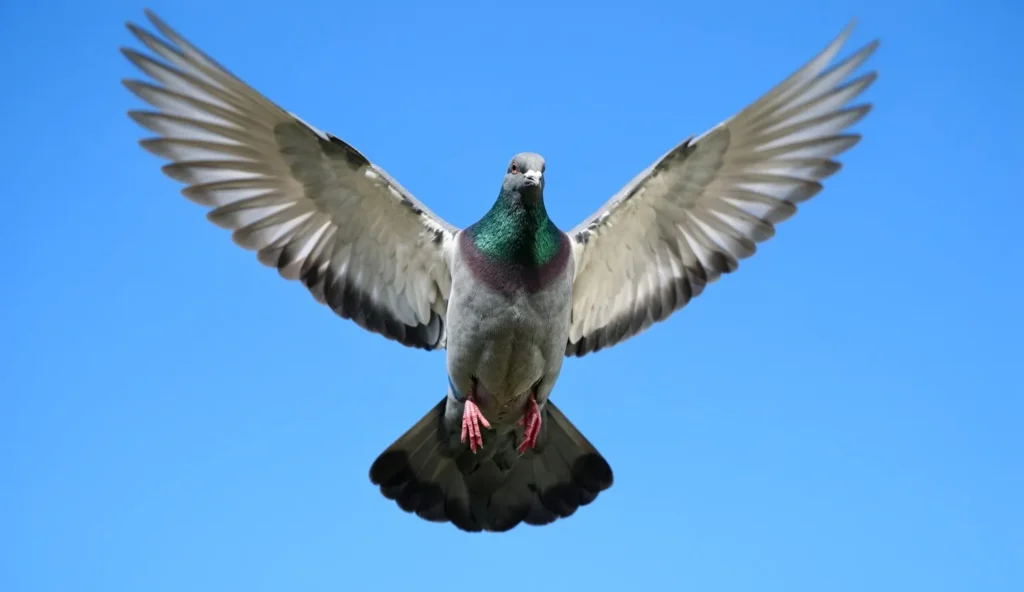
What Is an Archangel Pigeon
The Archangel pigeon is a fancy breed known for its iridescent bronze and gold feathers that shimmer like polished metal. This breed originated in the Middle East and Europe and belongs to the group of color pigeons prized for metallic sheen. Exhibitors and hobbyists value the Archangel pigeon for its striking appearance and calm temperament.
Breed Classification and Origin
The Archangel pigeon falls under the classification of fancy pigeons developed through selective breeding for color and form. Its ancestors were likely brought from Persia or Turkey to Europe where breeders refined the metallic plumage. Today the Archangel pigeon remains a popular choice at shows due to its unique feather iridescence.
History and Origin of the Archangel Pigeon
Early Development in Persia and Turkey
The Archangel pigeon likely began its journey in Persia or Turkey, where natural mutations produced the first bronze-toned birds. Traders and travelers later introduced these pigeons to European breeders who admired the angelic shimmer of their feathers. The name Archangel may refer to the metallic glow that resembles heavenly light.
During the 19th century, German and English fanciers refined the breed through careful selection, enhancing both color and body structure. Other fancy pigeons from the same region, such as the frillback pigeon, also gained popularity for distinct feather traits.
Introduction to European Fancy Pigeon Shows
The Archangel pigeon became a regular entry in European pigeon exhibitions after breeders stabilized its metallic sheen. Shows in Germany and England helped establish breed standards that emphasized even color and glossy plumage. Today the breed competes worldwide and remains a staple in fancy pigeon competitions.
Appearance and Physical Features
Body Size and Structure
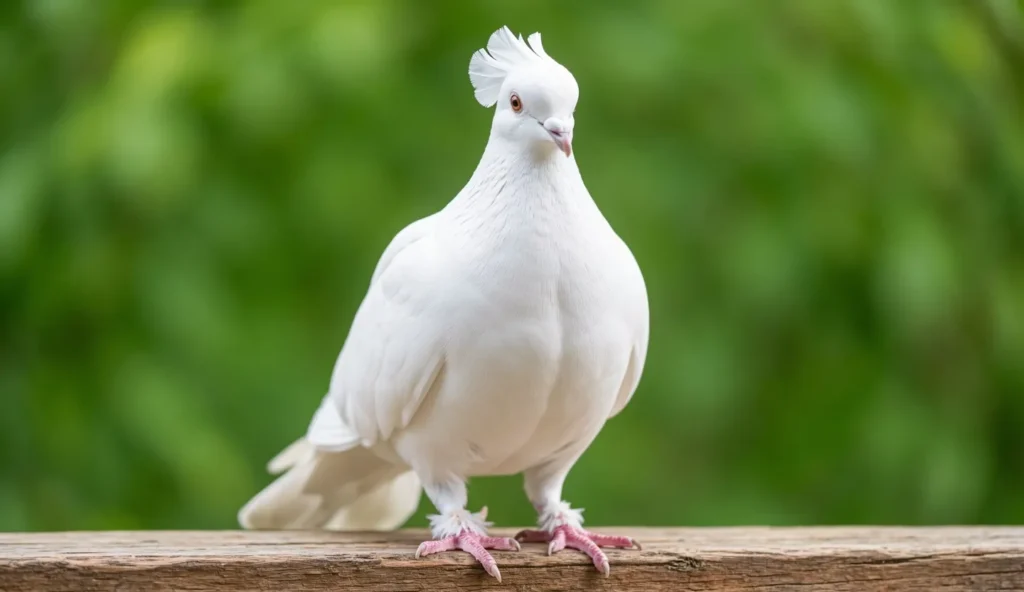
The Archangel pigeon is a medium-sized breed with a compact, well-proportioned body and a short beak. Its head is rounded with a smooth cere, and the legs are clean without feathering. This sleek physique gives the bird a refined look that judges favor in exhibitions.
The Metallic Sheen and Color Varieties
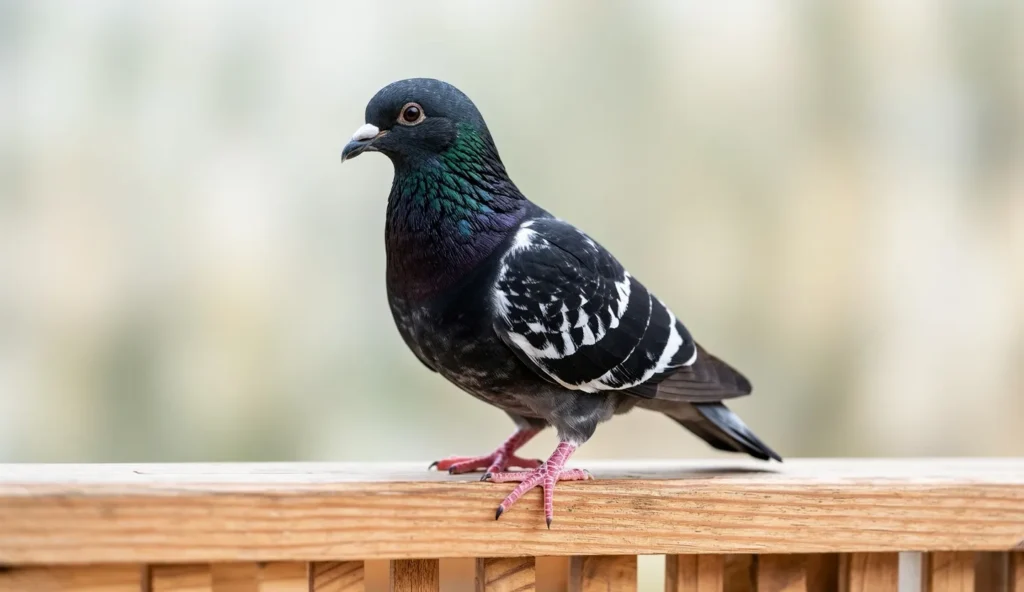
The most remarkable feature of the Archangel pigeon is its iridescent plumage, which shifts from bronze to gold under different lighting. This effect comes from microscopic structures in the feathers that refract light rather than from pigments. Recognized color varieties include bronze, gold, silver, and copper, each with a distinct sheen. A similar iridescence appears in the ice pigeon, though that breed displays blue-gray tones.
Eye Color and Beak Details
Archangel pigeons typically have orange or pearl eyes with a bright cere that contrasts with the head color. The beak is short and flesh-toned, blending smoothly into the facial profile. These features contribute to the overall elegant and balanced appearance of the breed.
Temperament and Personality
General Disposition
Archangel pigeons are calm and docile birds that rarely show aggression toward handlers or other pigeons. Their gentle nature makes them suitable for beginners and exhibitors who need reliable show birds. Consistent handling further reinforces their placid temperament.
Social Behavior with Other Pigeons
These pigeons thrive in pairs or small flocks and establish stable social hierarchies without excessive conflict. Males may display mild territorial behavior during breeding season, but serious fights are uncommon. Introducing new birds requires a short quarantine period to prevent stress or disease spread.
Like the fantail pigeon, Archangels enjoy companionship and can become depressed if housed alone for long periods.
Interaction with Humans
With regular gentle handling, Archangel pigeons become tame and may perch on a hand or shoulder. Their trusting demeanor helps them remain calm during show judging and transport. Building confidence through daily contact is essential for optimal show performance.
Housing and Care Requirements
Housing Setup
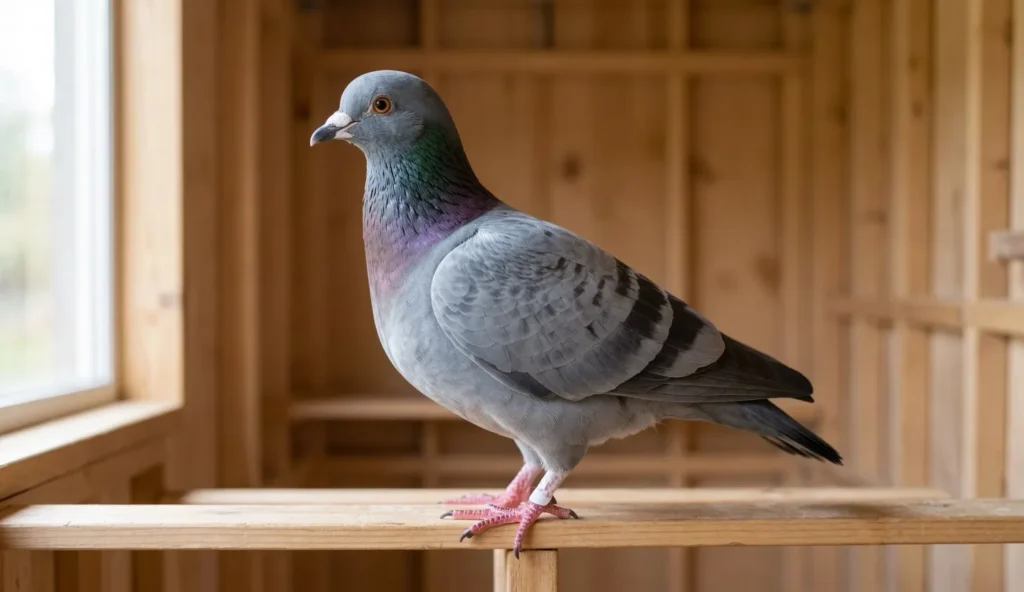
A spacious loft or aviary is necessary, with at least 2 cubic feet of space per bird to allow freedom of movement. Perches should be smooth and placed at varying heights to encourage natural roosting behavior. The enclosure must protect from drafts, rain, and temperature extremes, as damp conditions increase disease risk.
Diet and Nutrition
A high-quality pigeon grain mix containing seeds, corn, and peas forms the basis of a healthy diet. Grit and cuttlebone must be provided for calcium and digestion, along with clean fresh water at all times. Proper nutrition is especially important for maintaining feather quality, as seen in the Modena pigeon which also requires a balanced feed for show condition.
Grooming and Feather Care
Offer a shallow water bath twice per week to help the bird keep its feathers clean and glossy. Regularly inspect the plumage for signs of mites, damage, or soiling that can dull the metallic sheen. A clean loft environment reduces the need for frequent baths and prevents feather contamination.
Exercise and Flight Needs
Daily Flight Time
Archangel pigeons require regular free flight to maintain muscle tone and mental health. A safe outdoor aviary or supervised fly time in a secure area provides the necessary exercise. Flight strengthens the wings and supports overall wellbeing.
Encouraging Natural Behavior
Provide open space for short flights and scatter treats on the ground to encourage foraging activity. Use food rewards to train the birds to return to the loft after exercise. Overcrowding must be avoided because it discourages active movement and can lead to obesity.
Common Health Issues in Archangel Pigeons
Respiratory Infections
Damp housing and poor ventilation are the primary causes of respiratory infections in this breed. Symptoms include sneezing, nasal discharge, and lethargy. Keep the loft dry and well-ventilated to prevent these problems.
Feather Mites and Lice
External parasites can damage the metallic quality of the feathers and reduce a bird’s show value. Regular dust baths and strict loft sanitation help control infestations. Approved avian mite sprays can be used if an outbreak occurs, similar to management practices for the jacobin pigeon.
Vitamin Deficiencies
A lack of vitamins A and D often leads to dull feather color and reduced iridescence. Offer a varied diet that includes leafy greens or a commercial vitamin supplement. Natural sunlight exposure also supports vitamin D synthesis and feather health.
Is an Archangel Pigeon Right for You
Considerations for Exhibitors
The Archangel pigeon requires dedicated care to keep its metallic feathers in show-ready condition. Regular handling and a calm environment help the bird develop the confidence needed for competition. This breed does not demand excessive space, but consistent cleaning and attention to diet are essential.
For hobbyists who appreciate unique plumage and a gentle nature, the Archangel pigeon offers a rewarding experience without the high maintenance of more demanding species.
Frequently Asked Questions
What makes an Archangel pigeon look metallic?
The metallic sheen comes from microscopic structural arrangements in the feathers that refract light. This iridescence is most visible in bronze and gold color varieties.
How much does an Archangel pigeon cost?
Prices typically range from $50 to $150 for a standard bird. Show-quality specimens with exceptional color can cost $200 or more.
Are Archangel pigeons easy to care for?
Yes, they are low-maintenance compared to many exotic birds. Basic needs include a clean loft, proper diet, and regular baths.
What colors do Archangel pigeons come in?
The most recognized colors are bronze, gold, silver, and copper. Each variety has its own specific shade of iridescent sheen.
How long do Archangel pigeons live?
With good care, they can live 10 to 15 years. Lifespan depends on diet, housing, and overall health management.
Do Archangel pigeons need a lot of space?
They need a loft with enough room to fly and exercise. A minimum of 2 cubic feet per bird is recommended for comfortable living.