What Is a Capuchin Pigeon
The Capuchin pigeon is a fancy breed known for the distinctive hood of feathers that frames its head and neck. This breed originated in Europe through selective breeding of domestic pigeons, likely in the Netherlands or Germany. The name comes from the hood that resembles the cowl worn by Capuchin monks.
Origin and History
Breeders developed the Capuchin pigeon over centuries to enhance its unique feather structure. The breed appears in European fancy pigeon standards as early as the 19th century. Its exact origins remain debated among pigeon historians.
Capuchin vs Jacobin Pigeon
Both the Capuchin and the Jacobin pigeon are hooded breeds, but the Capuchin has a smaller and tighter hood. The Jacobin hood is much larger and spreads farther down the neck and over the shoulders. The Capuchin is generally more compact in body size than the Jacobin.
Appearance and Hood Features
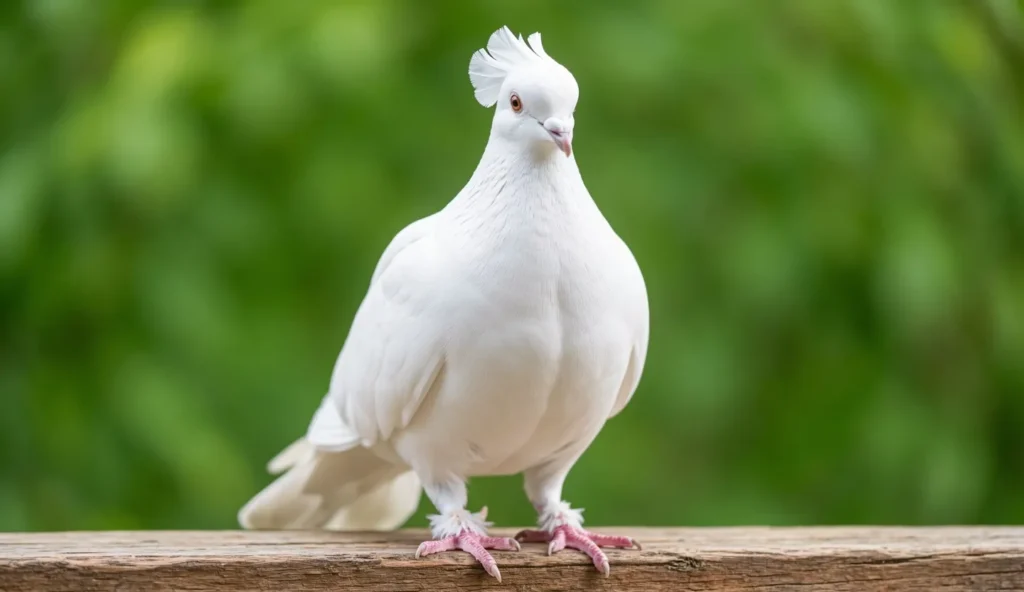
The Capuchin pigeon is a medium-sized bird with a compact body and a rounded head. The most striking feature is the hood, which is an arrangement of dense feathers that form a rosette behind the head and neck. This hood is smaller than that of the Jacobin but still prominent and decorative.
The Capuchin Hood Structure
The hood consists of feathers that stand away from the neck, creating a mane that blends into a shield of feathers on the chest. The hood is dense and requires regular maintenance to keep it clean and free of tangles. Unlike the Jacobin, the Capuchin hood does not cover the shoulders.
Body Type and Size
The Capuchin has a rounded head with a short beak and a broad chest. Wings are carried horizontally, and the legs are short and clean of feathers. The overall size is medium, making the bird manageable for most lofts.
Color Varieties
Common colors for the Capuchin pigeon include black, blue, red, yellow, and white. Patterns can be self, pied, or grizzle. The hood color generally matches the body color in most varieties. Breeders often select for symmetry in both color and hood shape.
Temperament and Behavior
The Capuchin pigeon has a calm and gentle temperament. These birds are not aggressive and can become trusting with consistent handling. They enjoy perching and observing their surroundings, making them pleasant aviary inhabitants.
Personality Traits
Capuchins can be shy at first, but they warm up to regular interaction. They do not startle easily and tolerate gentle handling. Their quiet nature makes them suitable for indoor lofts near living spaces.
Compatibility with Other Pigeons
This breed generally gets along well in mixed aviaries. However, during breeding season, males can become territorial. To protect the hood from feather pecking, it is best to keep Capuchins with other docile breeds. Separate housing may be necessary during nesting.
Housing Requirements
Proper housing is critical for maintaining the Capuchin pigeon hood. The loft must be large enough to allow flight and spacious perches that do not damage the hood feathers. Environmental control helps prevent feather damage and health issues.
Indoor Loft Setup
A single pair requires a minimum floor space of 2 feet by 2 feet with 18 inches of height. Perches should be wide and flat to avoid bending the hood feathers. Nesting boxes need low sides to prevent the hood from being crushed when the bird enters.
Outdoor Aviary Considerations
Outdoor aviaries must provide protection from rain and strong wind to keep the hood dry. A partially covered roof offers shade, and wire mesh spacing should be no larger than 1 inch to deter predators. These housing principles are similar to those for the Old German Owl pigeon, which also benefits from sheltered conditions.
Humidity and Temperature
The ideal humidity range for Capuchins is 40 to 60 percent to prevent feather rot. Extreme heat or cold stresses the birds, so moderate temperatures are preferred. Good ventilation without direct drafts keeps the loft environment stable.
Diet and Nutrition
A balanced diet supports feather quality and overall health in the Capuchin pigeon. The base seed mix should include standard pigeon grains, grit, and fresh greens. Special attention to protein during molt helps maintain the hood.
Base Seed Mix
A standard pigeon grain mix contains millet, corn, wheat, and peas. Adding small seeds like canary or hemp provides variety. Grit and oyster shell are essential for digestion and calcium intake.
Supplementing for Hood Health
During molt and breeding, add protein sources such as mealworms or boiled egg. Weekly vitamin and mineral supplements, especially biotin, improve feather quality. Fresh greens like spinach or lettuce can be offered two to three times per week.
Water and Hygiene
Fresh water must be provided daily in a heavy ceramic bowl to prevent tipping. Water containers should be cleaned every day to avoid bacterial growth. Adding apple cider vinegar once a week supports digestive health.
Health and Common Issues
Capuchin pigeons are generally hardy, but their hood feathers require extra attention. Health problems often relate to feather condition or respiratory issues. Routine checks can prevent minor problems from becoming serious.
Feather Problems
The dense hood can become matted or tangled without regular grooming. Feather mites and lice can hide in the hood, so weekly inspections are necessary. Broken feathers should be removed gently to prevent further damage.
Respiratory Illnesses
Damp or drafty conditions can lead to respiratory infections. Symptoms include sneezing, nasal discharge, and lethargy. Good ventilation and dry bedding are the best prevention strategies.
Obesity Prevention
Capuchin pigeons are prone to weight gain if overfed. Limit high-fat seeds like sunflower to occasional treats. A spacious aviary that encourages flight helps maintain a healthy weight. This approach to diet and exercise is also recommended for the King pigeon breed.
Breeding Capuchin Pigeons
Breeding Capuchin pigeons requires careful selection to preserve the hood quality and overall conformation. Both parents share incubation duties and care for the squabs. Monitoring hood development in young birds is important for breeding success.
Selecting Breeding Pairs
Choose birds with well-formed, symmetrical hoods. Avoid breeding those with broken or patchy hood feathers. Pair birds of similar size and color for more consistent offspring.
Nesting and Incubation
Provide a flat nest bowl with straw or wood shavings. Both parents incubate the eggs for about 17 to 19 days. A clean nest area reduces the risk of diseases in young squabs.
Rearing Squabs
Squabs are fed crop milk by both parents for the first week. After day 10, offer softened grains as a supplement. Minimize handling during the first few weeks to prevent feather damage. For more on raising pigeon chicks, refer to the Maltese pigeon care information, which covers similar early development stages.
Is a Capuchin Pigeon Right for You
Key Factors to Consider
This breed suits pigeon enthusiasts who appreciate ornamental birds with unique feather structures. The Capuchin requires regular grooming to keep the hood in good condition. It also needs a clean, spacious aviary and a moderate climate.
Beginners can manage Capuchin pigeons if they commit to weekly hood inspections and proper diet. The calm temperament makes them enjoyable to watch. Those with limited space or time may prefer a lower-maintenance breed.
Overall, the Capuchin pigeon rewards dedicated owners with its elegant appearance and gentle character. It is a fine choice for fanciers who want a hooded bird without the extreme care demands of the larger Jacobin. For another striking hooded breed, the English Pouter offers a different feather feature with its inflated crop.
Frequently Asked Questions
What makes the Capuchin pigeon hood different from a Jacobin hood?
The Capuchin hood is smaller, tighter, and forms a rosette behind the head. The Jacobin hood is much larger, spreading down the neck and over the shoulders.
How do you care for a Capuchin pigeon hood?
Gently preen the hood feathers weekly to prevent matting. Keep the loft dry and clean to avoid feather mites and rot.
Can Capuchin pigeons fly well with their hoods?
Yes, they are capable fliers, but the hood creates some wind resistance. They are not as agile in flight as smooth-headed breeds.
What is the best diet for a Capuchin pigeon?
A balanced mix of pigeon grains, grit, and fresh greens. Supplement with protein during molt and breeding for healthy feathers.
How long does a Capuchin pigeon live?
With proper care, they typically live 10 to 15 years. Longevity depends on diet, housing, and veterinary attention.
Are Capuchin pigeons good for beginners?
They are relatively easy to care for but require extra attention to hood maintenance. Beginners who can commit to regular grooming will find them rewarding.
Final Note
The Capuchin pigeon is a rewarding breed for those who appreciate its elegant hood and calm disposition. With proper housing, diet, and grooming, this bird can be a long-lived and enjoyable addition to any aviary.