What Is a French Mondain Pigeon
The French Mondain is a medium-large pigeon breed developed in France specifically for squab production. This utility breed stands out for its calm temperament, rapid growth rate, and efficient feed conversion. Pigeon farmers appreciate the French Mondain for its reliable breeding output and low maintenance needs.
Unlike many fancy breeds, the French Mondain was selected for meat production rather than appearance alone. Birds in this lineage exhibit a broad chest, strong back, and well-muscled frame. These physical traits contribute directly to their value as a French utility pigeon. The breed also adapts well to confinement, making it an excellent choice for commercial lofts and small farm operations.
For those already familiar with other utility breeds, the Swiss Mondain shares a similar body type and purpose. Both descend from medieval meat pigeons, though the French Mondain has a slightly lighter build and more refined head.
French Mondain Pigeon Appearance and Physical Traits
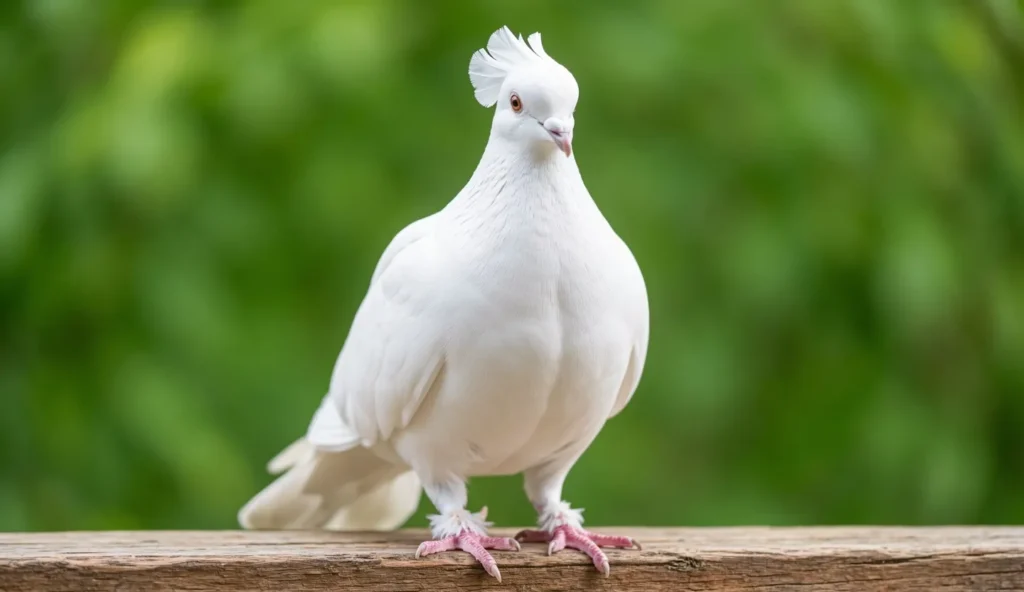
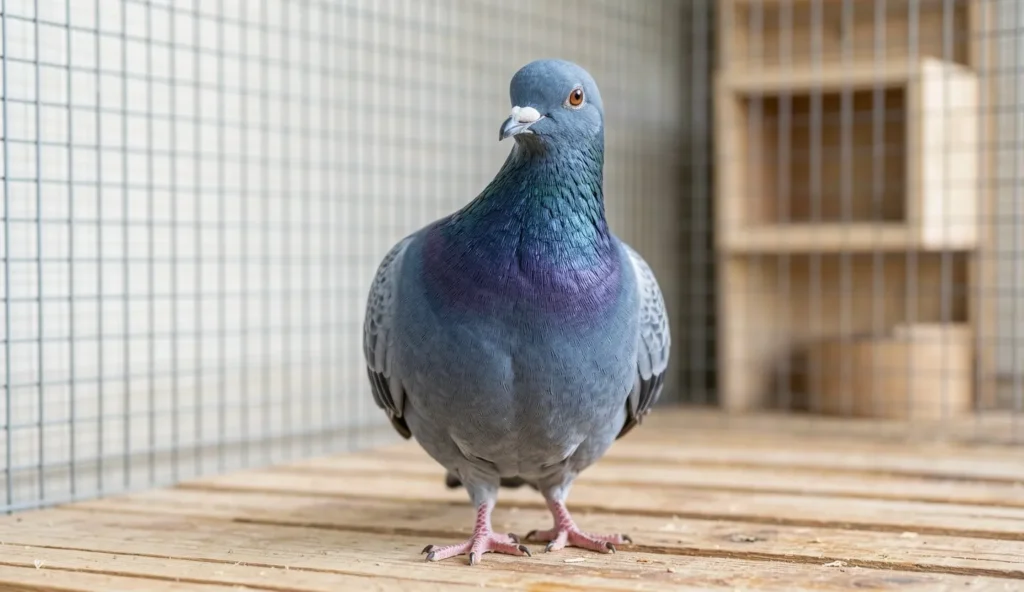
The French Mondain pigeon displays a robust, balanced conformation. Its body is medium-large, with a broad chest, short neck, and a relatively short, stout beak. The legs are medium in length with clean, unscaled skin. Eyes are bright orange or pearl, depending on color variety, and project a calm expression.
Size and Weight
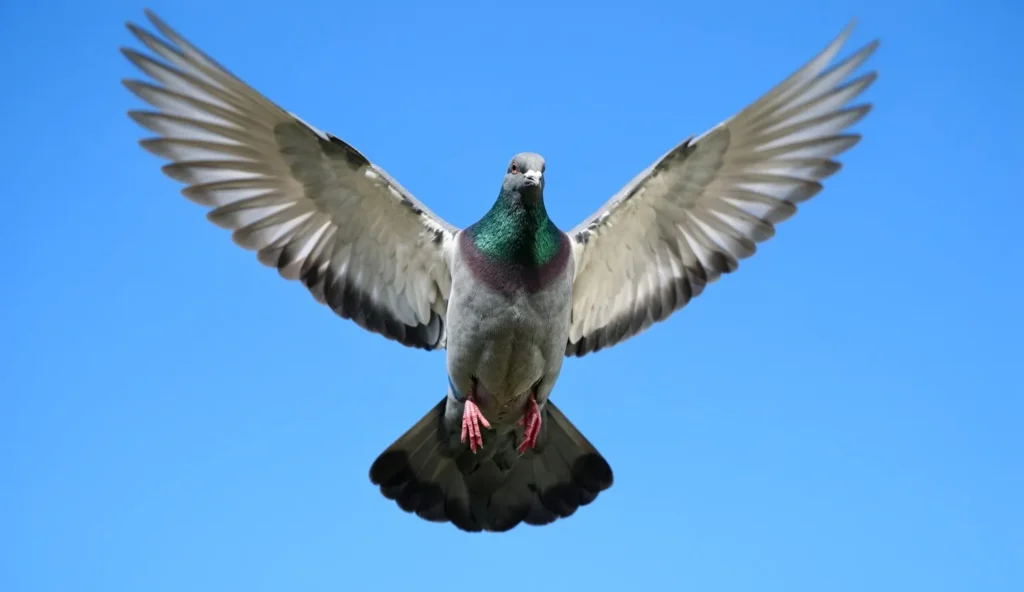
Adult birds typically weigh 650 to 850 grams, with males slightly heavier than females. Body length ranges from 35 to 40 centimeters. The wings are strong but not overly long, enabling moderate flight. Pigeon farmers prefer this weight range because squabs reach market size quickly without excessive feed costs.
Color Varieties
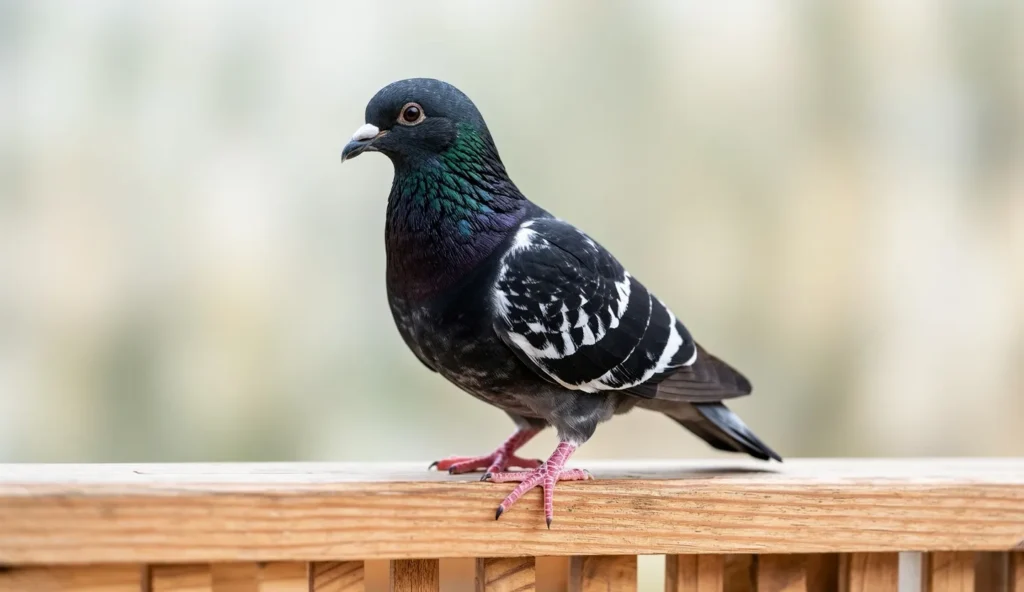
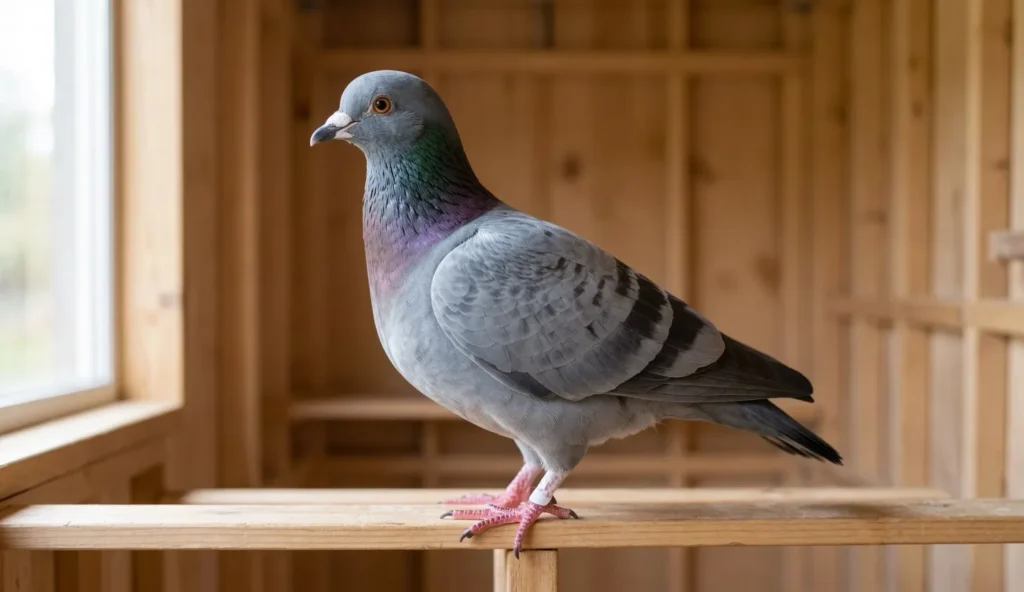
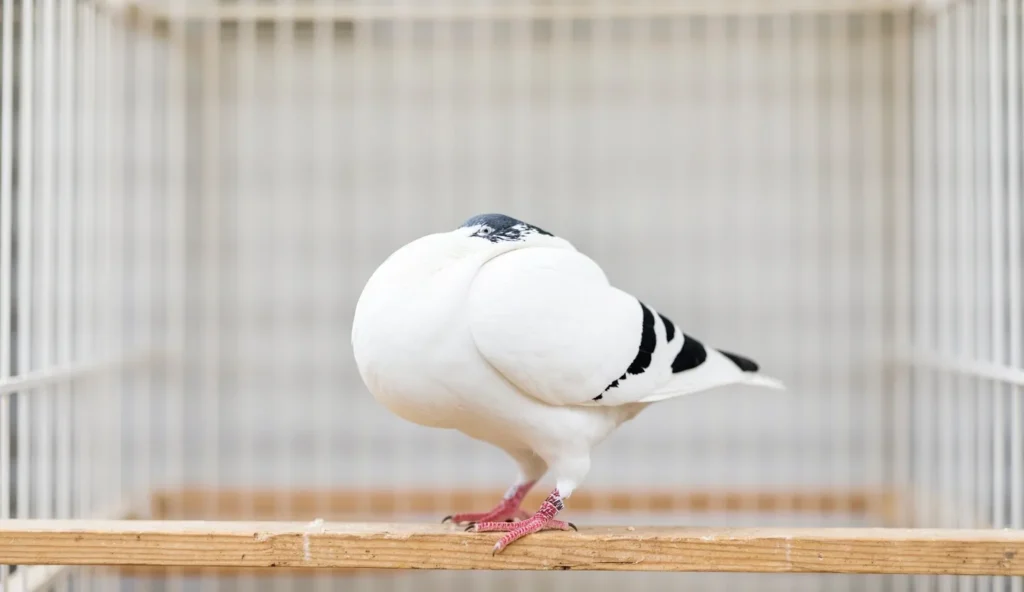
French Mondains come in several colors, including blue, black, red, yellow, white, and silver. Patterns include plain, checker, and barred. Feathers are tight, broad, and glossy, which helps with feather maintenance and overall health. The most common variety in utility flocks is blue checker, as it blends traditional color with good hardiness.
Distinctive Features
The most distinctive feature is the short, stout beak, which differs from many other utility breeds. Unlike the oversized beak of the Barb pigeon, the French Mondain beak is proportionate and functional. Another noticeable trait is the slightly crested neck, though not all specimens show this. The chest is deep, the back is broad and slightly sloping, and the tail is carried horizontally.
French Mondain Pigeon Temperament and Behavior
Temperament and Disposition
The French Mondain is known for its docile, even-tempered nature. These pigeons rarely show aggression toward handlers or other birds. They tolerate confinement well and do not panic when approached. This calm demeanor makes them an ideal breed for novice farmers and commercial operations alike.
In the loft, French Mondains are not strong fliers. They prefer short flights and spend most of their time walking, feeding, or resting on perches. Like the Old German Owl, they thrive in enclosed spaces when given adequate room. Males are attentive to their mates and chicks, often sharing incubation duties equally.
When handled gently, adult birds develop trust quickly. They rarely bite or flap frantically, which reduces stress during routine health checks or weighing. This cooperative behavior is a major asset for farmers managing large flocks.
French Mondain Pigeon Care and Management
Proper care for the French Mondain revolves around clean housing, consistent feeding, and planned breeding. The breed is hardy, but neglect reduces productivity. Following mondain care best practices ensures a healthy flock and high squab yields.
Housing Requirements
A spacious loft is necessary for good ventilation and natural light. Allocate at least 2 square feet per pair. Nest boxes should measure 12 inches on each side and be placed at eye level to encourage breeding. Perches should be flat and wide to accommodate the broad feet. The loft must be predator-proof and free of drafts, though air movement is important to prevent respiratory issues.
- Floor space: 2 square feet per bird minimum
- Nest box size: 12 x 12 x 12 inches
- Bedding: wood shavings or straw, changed weekly
- Lighting: natural daylight plus 14 hours during short winter days
Feeding and Diet
The staple diet consists of a balanced grain mix including wheat, corn, peas, and millet. Offer supplemental grit for digestion and crushed oyster shell for calcium. During breeding, provide extra protein pellets to support egg production and chick growth. Clean, fresh water must be available at all times, ideally from a nipple drinker to prevent contamination.
For more thorough mondain care guidance, the Carneau pigeon management practices are similar. Both breeds benefit from a morning and evening feeding schedule with measured portions to avoid waste.
Breeding for Squabs
A healthy pair of French Mondains produces 15 to 18 squabs per year under optimal conditions. Breeding peaks in spring and summer. Allow hens to rest during the coldest months. Squabs reach market weight at about 28 days. Provide extra protein pellets and oyster shell during the breeding season to maintain hen condition and chick growth.
Select breeding stock based on body size, growth rate, and temperament. Avoid birds with poor feather coverage or weak legs. Banding squabs at 10 days helps track lineage and performance.
General Maintenance
Clean the loft weekly to remove droppings and old bedding. Replace nesting material after each round. Provide a shallow water bath or dust bath twice a week for feather hygiene. Monitor for external parasites like mites and lice; treat immediately with approved pigeon-safe powders. Check for leg injuries and respiratory symptoms during routine handling.
Common Health Issues in French Mondain Pigeons
Prevalent Health Problems
French Mondains are generally robust, but they can suffer from respiratory infections if housing is damp or poorly ventilated. Symptoms include sneezing, nasal discharge, and lethargy. Prevent by maintaining dry bedding and air circulation. Coccidiosis is another concern, especially in young birds. Signs are diarrhea and weight loss. Provide clean water and avoid overcrowding to reduce risk.
Mite infestations cause feather damage and anemia. Inspect birds monthly under the wings and around the vent. Use diatomaceous earth or veterinary-approved miticides. Bacterial infections like salmonellosis require immediate isolation and antibiotic treatment. Always quarantine new birds for two weeks before introducing them to the main flock.
Regular vaccination against pigeon pox and paramyxovirus is recommended for areas with known outbreaks. A clean loft and balanced diet are the best defenses.
French Mondain Pigeon Diet and Nutrition Needs
Proper nutrition supports growth, reproduction, and longevity. The french mondain pigeon requires a diet rich in carbohydrates for energy, protein for muscle development, and minerals for bone strength.
Staple Grains and Seeds
A typical feed mix includes 40% whole grains by volume. Wheat and corn provide energy. Peas and millet supply protein. Sunflower seeds give healthy fats but should be limited to 5% of the diet to prevent obesity. Adjust proportions based on season: more corn in winter for warmth, more peas during breeding.
- Wheat: 30% of grain mix
- Corn: 25%
- Peas: 20%
- Millet: 15%
- Sunflower seeds: 5%
- Other seeds (safflower, hemp): 5%
Vitamins and Supplements
Grit is essential for grinding food in the gizzard. Provide a commercial pigeon grit mix with small stones and charcoal. Crushed oyster shell supplies calcium for eggshell formation and bone strength. Offer free-choice at all times. During hot weather or after transport, add electrolyte powder to drinking water for rehydration. Vitamin A and D3 supplements boost immunity and feather quality.
Is a French Mondain Pigeon Right for You
Assessing Suitability
The French Mondain is an excellent choice for pigeon farmers who prioritize meat yield and easy management. Its calm temperament reduces labor time, and its efficient feed conversion lowers operating costs. Beginners find the breed forgiving of minor husbandry mistakes.
However, this breed is not suited for exhibition unless specifically bred for show standards. It also requires consistent breeding management to achieve 15+ squabs per year. If you want a dual-purpose utility pigeon that is also attractive, consider the Modena pigeon, which combines strong meat qualities with a stylish silhouette. For pure meat productivity, the French Mondain remains a top contender.
A Final Note on French Mondain Pigeons
The French Mondain pigeon is a proven utility breed with decades of selection for efficient squab production. Farmers who follow consistent mondain care routines will enjoy steady yields and low health problems. This breed represents a practical, rewarding addition to any pigeon enterprise.
Frequently Asked Questions
How big does a French Mondain pigeon get?
Adults weigh 650 to 850 grams with a body length of 35 to 40 centimeters. Males are generally slightly larger than females.
How many squabs can a French Mondain pair produce per year?
A healthy pair produces 15 to 18 squabs annually. Breeding peaks in spring and summer, but pairs can raise young year-round with proper lighting and nutrition.
What is the lifespan of a French Mondain pigeon?
The average lifespan is 10 to 15 years. With excellent care, some birds live beyond 15 years.
Do French Mondain pigeons fly well?
They are moderate fliers. They prefer walking or short flights around the loft rather than sustained aerial activity.
What colors are available in French Mondain pigeons?
Common colors include blue, black, red, yellow, white, and silver. Patterns vary from plain to checker and barred.
Are French Mondain pigeons good for beginners?
Yes. They are calm, easy to handle, and require only basic pigeon care knowledge. Their forgiving nature makes them a favorite for novice farmers.