What Is an American Giant Homer
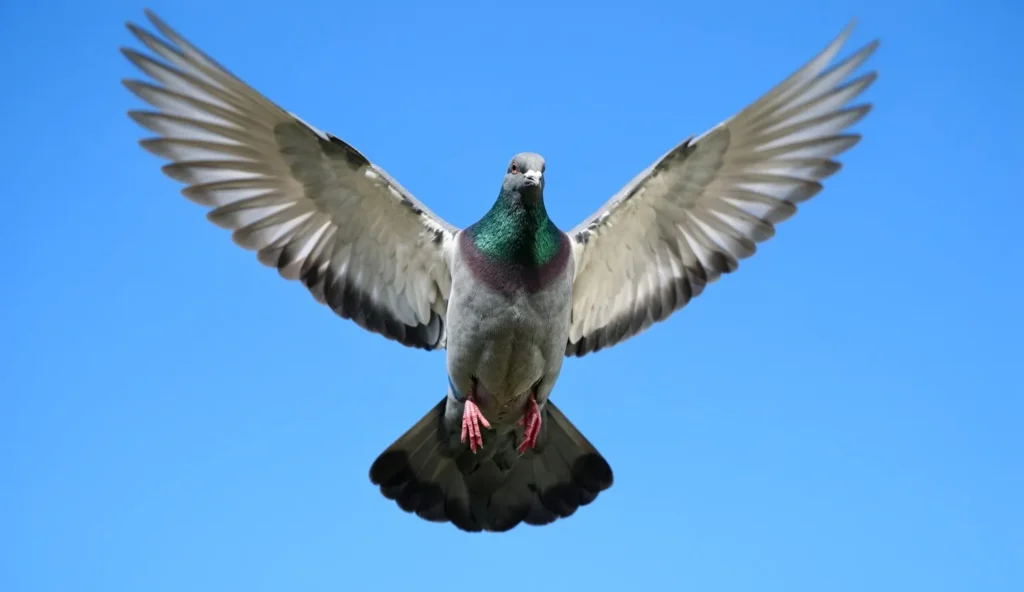
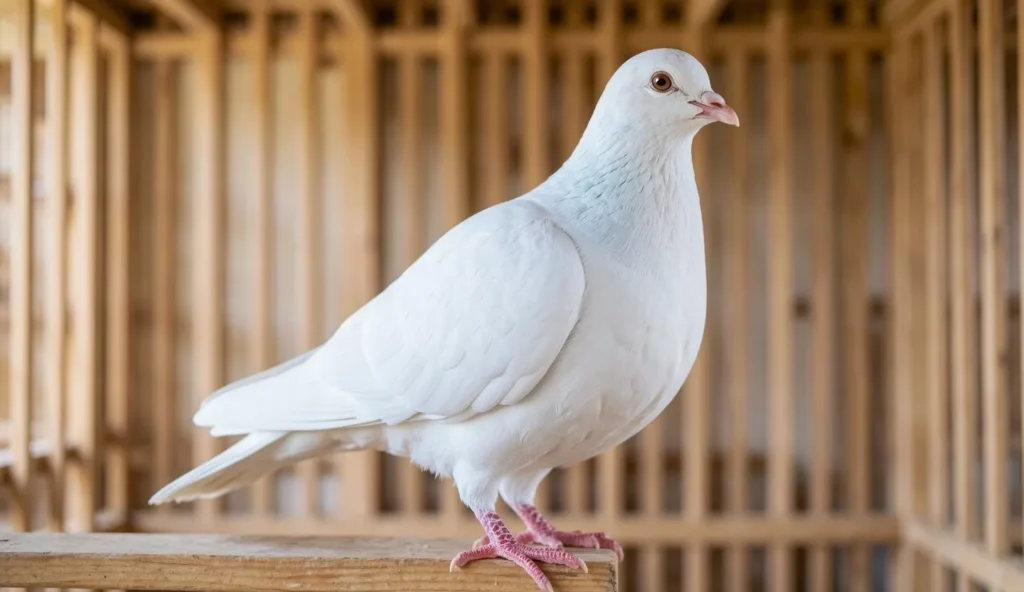
The American Giant Homer is a large, robust pigeon breed developed in the United States as a utility bird for meat production. This breed stands out due to its impressive size while retaining the strong homing instincts of standard Homers. Large breed enthusiasts often choose the American Giant Homer for its dual-purpose value as both a show bird and a reliable producer. Similar to the Hungarian Giant, this pigeon was selectively bred for increased body mass without sacrificing its natural homing ability.
Breed Origin and Purpose
The American Giant Homer originated in the early 20th century by crossing large homing pigeons with selected utility breeds. Breeders aimed to create a bird that combined the homing instinct with a heavier, meatier frame. Today, the breed is prized for its calm disposition and high-quality squab production.
Size and Appearance
Weight and Height
The American Giant Homer ranks among the largest pigeon breeds. Adults typically weigh between 28 and 34 ounces, with some individuals exceeding two pounds. Body length from beak to tail reaches up to 18 inches. The bird features a broad chest, strong muscular build, and a relatively short neck for its size.
- Weight range: 28 to 34 ounces
- Length: up to 18 inches
- Broad chest and muscular body
Color Varieties
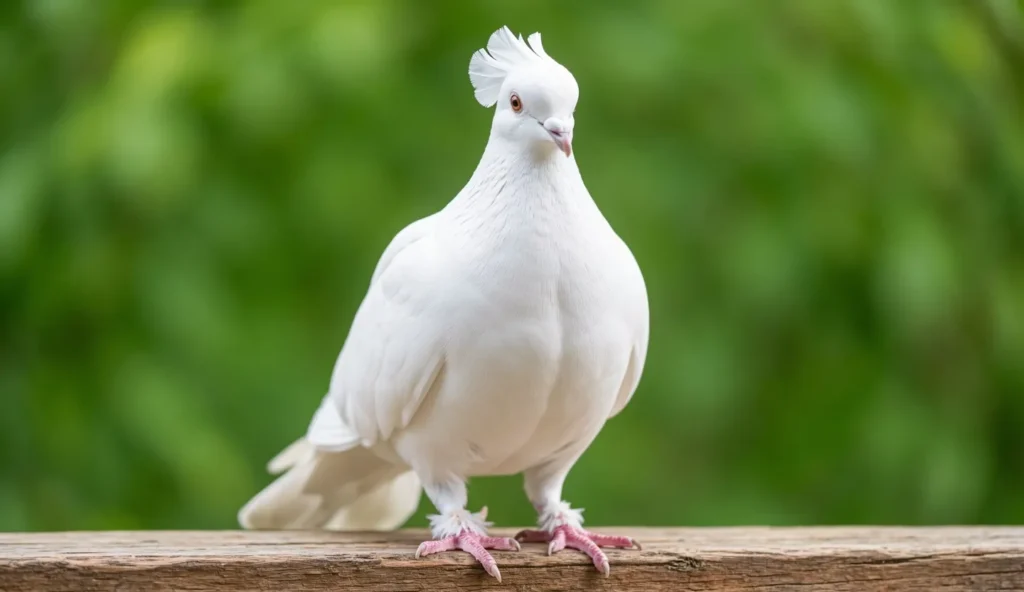
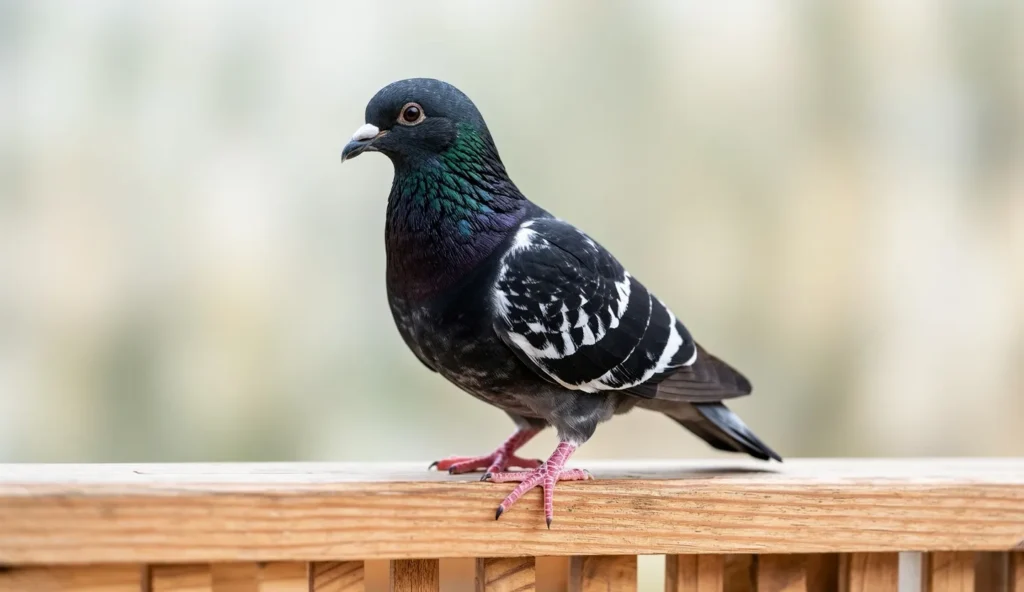
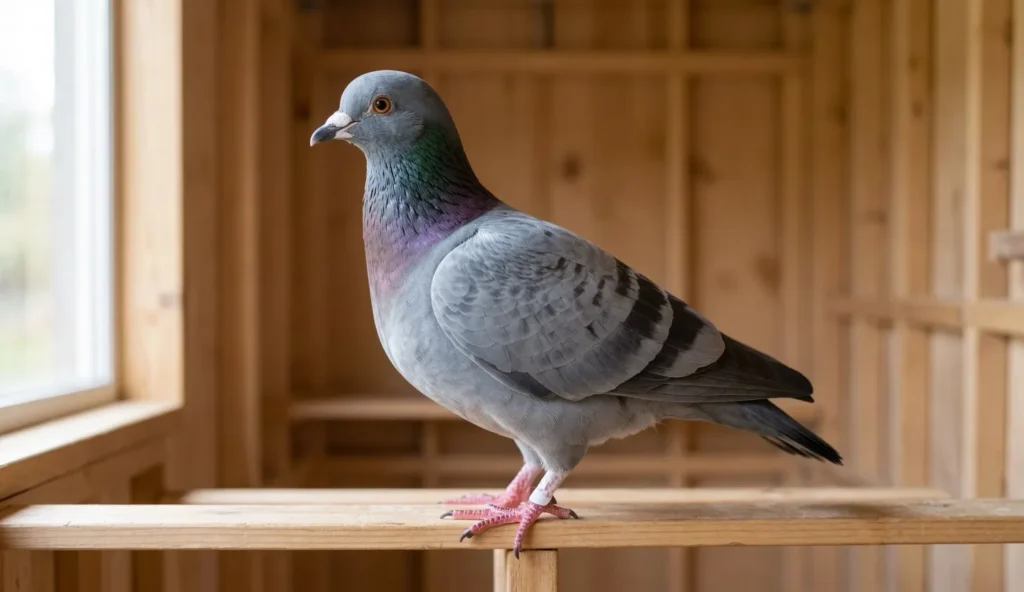
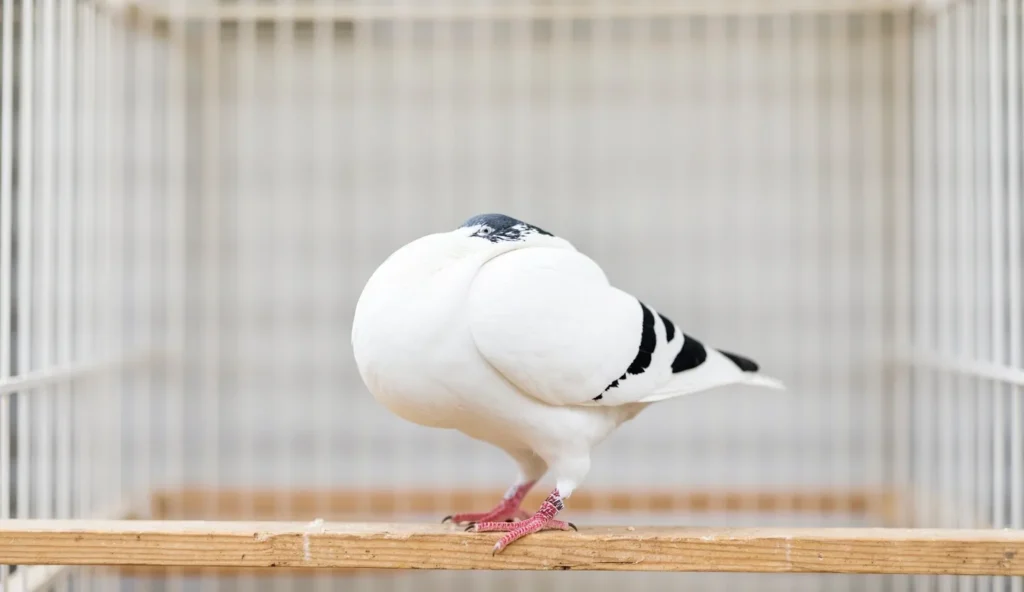
This breed comes in several standard colors, including red, yellow, black, blue, and silver. Both solid and patterned varieties exist. The feet and beak are typically flesh-colored, and the eyes are orange or yellow depending on the plumage.
Temperament and Personality
Homing Instinct
Despite its larger size, the American Giant Homer retains strong homing instincts. Consistent training from a young age improves reliability when releasing birds from a distance. These pigeons mate for life and form close bonds with their keeper, making them responsive to handling.
Docility
This breed is known for its calm and gentle nature. American Giant Homers are less flighty than smaller homing breeds, which makes them easier to handle. Novice keepers find them manageable as long as housing requirements are met.
Housing Requirements
Loft Size and Setup
Due to their size, American Giant Homers require more spacious housing than standard pigeons. Provide a minimum of four square feet per pair inside the loft. The ceiling height should be at least six feet to allow perching and easy movement. Include nesting boxes, perches, and a secure fly pen for exercise. For general loft design principles, the guidelines used for the Old German Owl pigeon also apply here, though dimensions must be larger.
Ventilation and Safety
Cross ventilation is essential to prevent respiratory problems. Use predator-proof wire and secure locks on all openings. Keep flooring clean with materials that can be easily sanitized, such as concrete or tile.
Diet and Feeding
Recommended Feed
A high-protein pigeon mix containing corn, peas, and wheat forms the base of a healthy diet. Supplement with barley and oats for sustained energy. Fresh water must be available daily. Breeders raising birds for meat production often follow feeding strategies similar to those used for the King pigeon, with an emphasis on protein and digestible grains.
Grit and Supplements
Provide oyster shell grit for calcium, especially during breeding and molting. Add vitamin and mineral supplements as needed, but avoid over-supplementation. Never feed moldy or contaminated grain, as it can cause illness.
Breeding and Squab Production
Mating Process
Pair birds naturally or by selecting for size and health. Provide nest bowls lined with straw or wood shavings. Females lay two eggs per clutch, and the pair will share incubation duties.
Raising Young
Incubation lasts 17 to 19 days. Both parents feed the squabs crop milk for the first week. Young fledge at four to five weeks of age. For those exploring other fancy options, the Barb pigeon offers a distinctly different appearance with its oversized beak and short head.
Common Health Issues
Respiratory Problems
Drafts, dampness, and poor ventilation cause most respiratory issues. Symptoms include sneezing, wheezing, and nasal discharge. Isolate affected birds immediately and clean the loft thoroughly. Preventative measures are similar to those recommended for the Racing Homer, with an emphasis on dry, well-ventilated housing.
Parasites
Mites and lice thrive in crowded or dirty conditions. Treat with approved pigeon dust or spray products. Regular loft cleaning and dust bathing options reduce infestations effectively.
Is an American Giant Homer Right for You
Considerations for Potential Owners
This breed requires larger housing than standard homing pigeons, so adequate space is essential. Their calm temperament makes them suitable for both novice and experienced keepers. If your goal is meat production or a robust show bird with homing ability, the American Giant Homer is an excellent choice.
Frequently Asked Questions
How big do American Giant Homers get?
Adults weigh 28 to 34 ounces and measure up to 18 inches long. They are one of the largest pigeon breeds.
What do American Giant Homers eat?
A high-protein pigeon mix with corn, peas, and wheat. Add oyster shell grit for calcium and provide fresh water daily.
Can American Giant Homers home?
Yes, they retain strong homing instincts though they are slower than smaller breeds. Consistent training from a young age improves reliability.
How long do American Giant Homers live?
Typical lifespan is 10 to 15 years with proper care. Good diet and clean housing maximize longevity.
Are American Giant Homers good for beginners?
Yes, they are calm and easy to handle. However, they require larger housing than standard homing pigeons.
What is the average weight of an American Giant Homer?
Averages 28 to 34 ounces, with some reaching over 2 pounds. Males are typically heavier than females.
A Final Note on the American Giant Homer
The American Giant Homer combines impressive size with a reliable homing instinct and calm demeanor. With proper housing, diet, and preventative care, this breed can thrive for over a decade and bring satisfaction to any large breed enthusiast.