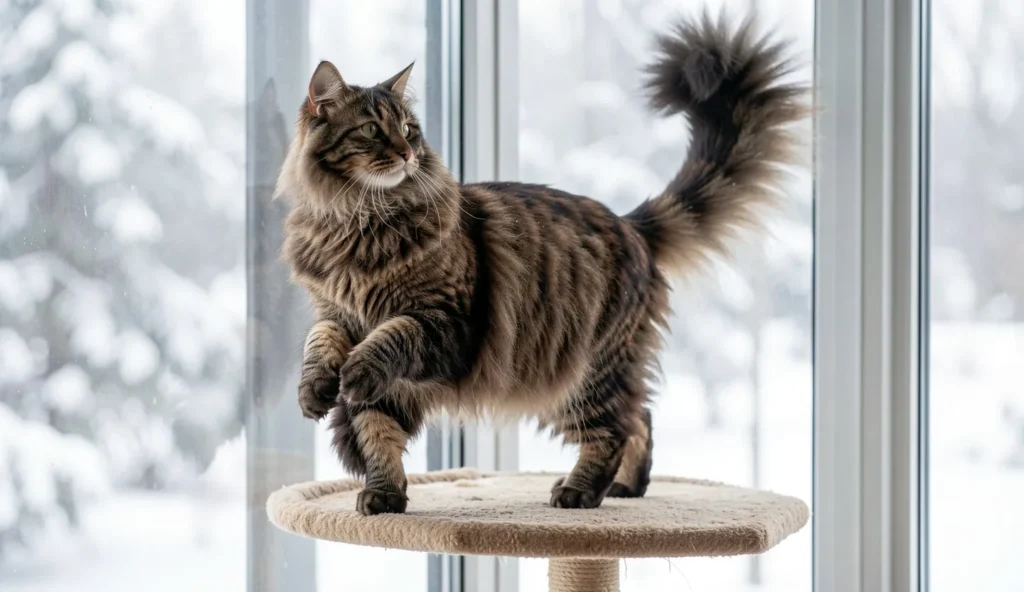
What Is An American Bobtail Cat?
The American Bobtail cat is a rare domestic breed known for a naturally short tail and an unusually interactive, dog like style of living. This breed developed in the United States and became recognized through careful breeding programs. For cat owners who want something distinctive, the American Bobtail personality often stands out quickly.
Breed Background And Origin
The American Bobtail developed in the United States, with breeding efforts centered on preserving the hallmark short tail. The bobtail cat breed trait comes from a natural genetic variation rather than an injury. Over time, breeders expanded the gene pool while selecting for health and temperament. As a result, recognition grew, yet the breed remains much less common than everyday domestic cats.
Because availability stays limited, purchasing planning matters. Reputable sources typically share lineage details and early socialization records. That transparency helps buyers set expectations for American Bobtail care after adoption or purchase.
Why This Bobtail Cat Breed Stands Out
The most visible feature is the distinctively short, expressive tail. Many owners also report dog like cat traits, including following people around and engaging in interactive play. The breed commonly shows social behavior with familiar household members, especially when routines stay consistent. Rarity influences availability, so finding a match can take more time than with common breeds.
In addition, many cats display a steady interest in their environment. That curiosity often makes enrichment feel more effective than simple “keep busy” activities. For owners searching for a rare cat breed, the American Bobtail temperament often justifies the effort.
Appearance And Physical Features
American Bobtail cat appearance blends a sturdy body with a textured coat and a tail that looks intentionally short. While exact features vary by individual and line, healthy American Bobtail physical traits tend to look balanced. When shopping, it helps to understand how to evaluate coat, head, and tail for realistic examples of the bobtail cat breed.
Body Type And Coat Characteristics
American Bobtails usually have a medium to large body with a sturdy, athletic build. Coat length can be short or semi long depending on the line, but both types should feel dense rather than sparse. Dense fur often gives the coat a fuller look and helps protect skin during seasonal changes. Common patterns include tabby and spotted varieties.
Because coat quality affects daily grooming needs, owners should plan for brushing. For additional guidance on coat care strategies, learning how shedding seasons affect grooming can help. That knowledge pairs well with ongoing routines described in American Bobtail grooming practices.
Tail Shape And What To Expect
The tail is short, but it does not look identical across every American Bobtail cat. Some tails show a gentle curve or a slight kink, and others may vary in length within a single litter. Tail length is also not uniform among individuals, so “short” usually matters more than a single exact measurement. A healthy tail should appear proportional and free of obvious swelling or discomfort.
Since the short tail results from genetics, the tail should not look broken or bruised. If a tail or lower back appears painful during handling, a veterinarian check should follow. That step supports better outcomes and consistent American Bobtail care.
Face, Eyes, And Ears
Eyes typically look expressive and well spaced, which gives the breed an alert expression. Upright ears often appear forward, reinforcing the “ready to engage” impression. The head shape generally looks balanced, with a rugged, domestic calm rather than extreme features. Overall, the face supports the idea of a cat that observes actively.
In day to day living, the face can influence how the breed responds to cues. Cats that feel comfortable with handling often learn faster during training. That training foundation connects closely to American Bobtail personality and temperament development.
American Bobtail Personality And Temperament
The American Bobtail cat is often described as interactive and socially tuned to household life. Many owners notice dog like cat traits, such as following people around and showing interest in what happens next. Understanding American Bobtail personality helps set up the right routines early.
Dog Like Traits Many Owners Report
Many owners report that the cat follows people around the home and seeks consistent attention. Some cats may greet familiar family members with excitement and settle quickly after contact. When owners use positive reinforcement, the cat may respond to cues with treats. In many households, structured play feels more engaging than solitary wandering.
That behavior does not mean the cat needs constant supervision. Instead, it usually means the cat thrives with predictable interaction. For owners comparing personalities across rare birds, reading conservation focused behavior notes can offer a useful mindset about responsible care, such as the approach in “Lilac Crowned Amazon Parrot Conservation and Care” at https://www.rarepetsbreeds.com/parrots/lilac-crowned-amazon/.
Social Needs And Handling With People
American Bobtail cats often form strong bonds with familiar household members. Many prefer interactive routines over long periods of isolation, especially during the adjustment period after adoption. While some cats may be cautious with strangers, gentle, predictable handling usually builds comfort. Early positive exposure often supports confidence during daily life.
Therefore, calm sessions that pair touch with rewards can work well. When handling includes consistent timing, the cat learns that interaction stays safe and repeatable. That process strengthens American Bobtail care by reducing stress signals over time.
Compatibility With Other Pets And Kids
Compatibility often looks good when introductions stay slow and supervised. Many cats adapt best when the first meetings happen in controlled conditions and without forced contact. Play style also matters because high intensity can overwhelm cats that prefer gentle engagement. Stress signs can include hiding, reduced appetite, and flattened tail or ears.
During the first weeks, supervision reduces the risk of fear and minor injuries. Owners can then adjust routines based on comfort levels. If a household includes other pets, matching energy and providing escape routes can improve the outcome.
Exercise Requirements And Play Ideas
Exercise helps an American Bobtail cat stay healthy and mentally engaged. The breed often responds well to interactive play, which also supports the dog like traits that many owners notice. American Bobtail care improves when daily movement feels structured rather than random.
Daily Activity Targets
Owners typically aim for multiple short play sessions each day. Interactive play supports both physical activity and bonding, which suits an American Bobtail personality that often seeks engagement. Bored cats may develop destructive habits such as scratching inappropriate items. Intensity should adjust with age and body condition so the cat stays active without strain.
- Use two to four short sessions daily
- Match play intensity to age and energy level
- End sessions before frustration starts
- Observe weight and breathing during play
Because short tails do not eliminate normal motion, climbing and running still matter. Owners can plan activities that encourage safe jumping and controlled landings. These choices often reduce boredom and support long term wellbeing.
Interactive Play Types
Wand toys often work well because movement stays predictable and controllable. Fetch style play can also work using soft toys designed for cat gripping. Puzzle feeders provide mental work while slowing eating, which can help with portion control. Climbing routes using stable perches support vertical movement and natural exploration.
When the cat learns that play returns at set times, interest often stays steady. That consistency also supports training sessions later. Owners can build enrichment structure without overcomplicating daily routines.
Environmental Enrichment Basics
Scratching surfaces placed in multiple locations reduce damage to furniture and support healthy claw maintenance. Cat trees and wall perches encourage vertical movement and allow the cat to survey the room. Rotating toys keeps novelty alive and reduces repeated boredom. A safe window view with a secure perch can also encourage quiet observation.
To keep these ideas organized, some owners document toy types and the cat’s response. That quick record helps refine American Bobtail care without wasting time on ineffective tools. Consistent enrichment supports a calmer temperament.
Training Techniques That Work For This Breed
Training tends to be easier when positive reinforcement guides every step. The American Bobtail cat often learns through interaction, which supports dog like behavior patterns. For American Bobtail care, training builds manners, reduces stress, and strengthens routine confidence.
Litter Box And House Manners
Place litter boxes in quiet, low traffic areas so the cat feels secure while using them. Unscented litter often makes acceptance easier for cats that are new to a home. Clean boxes promptly because strong odors can drive avoidance. After correct use, reward with calm attention rather than sudden excitement.
Because the breed tends to stay social, consistent positive reinforcement may feel natural. Even so, punishment rarely helps and can create longer behavior issues. Routine stability usually works better than frequent changes to locations.
Teaching Basic Cues
Basic training can start with simple tasks like coming to a mat. Short sessions with small treat rewards keep attention focused. Repeating the training in the same location builds a predictable routine the cat can recognize. If attention drops, stopping the session early prevents stress and frustration.
Over time, cues can connect to daily needs like feeding and grooming. Those cues can make future American Bobtail grooming and nail trimming easier. A cat that expects structured interaction often handles care steps with fewer problems.
Leash Or Harness Readiness
Harness training usually starts indoors, with a gradual introduction to the equipment. Pair harness steps with treats and gentle praise so the cat links harness contact with positive outcomes. Practice indoors first, then move to outdoor exposure only when the cat stays calm. A well fitted harness should sit snugly without restricting breathing.
Outdoor exposure also depends on local conditions such as noise and other animals. Owners who choose outdoor time should also plan for quick exits. That planning supports safety and reduces fear responses.
Grooming And Care Tips For An American Bobtail Cat
American Bobtail grooming varies based on whether the coat is short or semi long. Regular care supports skin health, reduces shedding, and helps owners detect changes early. Since this breed often stays social, grooming sessions usually go smoother when they start early and remain calm.
Coat Brushing And Shedding Control
Brush based on coat length and shedding level, using gentle strokes that prevent pulling. Check areas that commonly tangle, such as behind the ears and under the collar line. During seasonal coat changes, brushing frequency usually increases. Regular brushing also helps reduce swallowed fur and supports comfort.
- Use a brush suited to coat length
- Check for tangles behind ears
- Brush more during seasonal changes
- Stop if the cat shows pain or fear
Because the American Bobtail personality often encourages interaction, grooming can become a bonding ritual. Still, comfort should guide session length. If skin irritation appears, a veterinarian or groomer can help determine safe next steps.
Nail, Ear, And Eye Routine
Trim nails every few weeks, or as needed, to prevent snagging and accidental scratching. Check ears for wax buildup or irritation, and address issues promptly. Wipe eye corners if tear staining shows up regularly. Grooming should stop immediately if fear or pain appears.
Owners can reduce resistance by handling paws and faces briefly at first, then rewarding calm behavior. Small steps usually lead to better long term compliance. That approach improves American Bobtail care consistency.
Dental Care Basics
Dental care supports appetite, comfort, and long term health. Brush teeth using cat safe toothpaste, and start with touch practice and rewards before real brushing begins. Dental treats approved for cats may help between brushings. Wellness visits also offer opportunities for dental checks and professional evaluations.
When dental issues develop, cats can eat less, which can reduce energy for play. Therefore, keeping teeth care consistent protects the breed’s active lifestyle. Those steps complement routine diet monitoring and litter behavior checks.
Diet And Nutrition For Healthy Growth And Energy
Healthy nutrition supports growth, coat condition, and daily activity for the American Bobtail cat. Choosing the right balance of protein, fat, and nutrients makes a clear difference over time. American Bobtail diet decisions also influence weight control, which affects comfort during movement.
Choosing A High Quality Food
Choose a complete, balanced cat food that matches life stage and health needs. Prioritize animal protein and appropriate fat levels for everyday energy. Avoid foods that rely heavily on fillers because they do not provide the same nutritional value. Selection should reflect the cat’s age, weight, and activity level.
For owners looking to compare animal care standards across pets, understanding nutrition priorities can help when learning from other breed profiles like “Blue Fronted Amazon Parrot Personality and Care” at https://www.rarepetsbreeds.com/parrots/blue-fronted-amazon/. While diets differ by species, the logic of balanced nutrition stays consistent across responsible care.
Feeding Schedule And Portion Control
Kittens need more frequent meals than adults, and feeding schedules should match that growth stage. Measure portions to prevent overfeeding, especially since active play does not automatically prevent weight gain. Adjust food amounts based on body condition score, not just the number of times a day. Treats should stay limited so daily calories remain balanced.
- Feed kittens more often than adult cats
- Measure portions instead of free feeding
- Adjust based on body condition score
- Limit treats to small, planned amounts
When weight shifts, the best response usually includes both food amount and activity changes. That combination protects mobility and reduces risk of health problems tied to extra weight.
Common Diet Adjustments
Switch foods gradually over several days to avoid stomach upset. Monitor stool quality and appetite after changes, since changes can reveal intolerance or stress. Provide fresh water daily, and replace bowls regularly to keep water appealing. Wet food can help if water intake tends to drop, which may support urinary tract health.
If appetite changes persist, do not assume it is only diet related. A veterinarian can rule out dental disease or urinary issues. Those checks support proactive American Bobtail health planning.
Common Health Issues To Watch For
American Bobtail health depends on genetics, responsible breeding, and owner monitoring. The breed’s short tail comes from heredity rather than injury, so tail issues usually relate to discomfort or underlying conditions. American Bobtail health care works best when owners track changes early and contact a veterinarian when concerns appear.
Genetic And Tail Related Considerations
The short tail results from genetics, not injury, and that shapes expectations for tail structure. Health outcomes depend largely on responsible breeding practices and overall line selection. Owners should observe for pain, swelling, or changes in mobility that could indicate discomfort. Any tail or back discomfort should receive prompt veterinary attention.
This focus does not mean every minor behavior change signals injury. However, consistent pain signals such as hiding, reduced movement, or unusual vocalizing should not be delayed.
Frequent Cat Health Problems
Dental disease can reduce appetite and comfort, so routine oral care matters. Obesity can reduce mobility and add strain during jumping and climbing. Urinary problems can cause inappropriate urination, which always deserves quick evaluation. Parasites may develop without routine prevention, which can affect energy and coat condition.
Because American Bobtail cats often stay interactive, owners may notice behavior shifts before physical symptoms become obvious. That early pattern recognition often supports faster treatment and better outcomes.
Preventive Care That Matters
Keep vaccinations and parasite prevention up to date based on local risk and veterinary advice. Schedule wellness exams and bloodwork when a veterinarian recommends it. Monitoring litter box patterns and diet changes can catch concerns sooner. Tracking weight monthly supports early adjustments before problems become more serious.
Preventive care also protects the breed’s active lifestyle. When health risks get managed early, training, play, and grooming remain easier. That stability supports long term American Bobtail care.
Is An American Bobtail Cat Right For You?
American Bobtail cat fit depends on household routines, time for play, and comfort with consistent care. This rare bobtail cat breed often does well with owners who prefer interaction and structured daily enrichment. Before choosing, it helps to review the practical requirements.
Home Setup That Supports This Breed
Provide scratching posts and climbing spaces to support natural movement and claw health. Maintain calm routines and predictable feeding to reduce stress. Schedule time for daily interactive play so the dog like traits have an outlet. Create safe zones for rest and hiding, especially during new home adjustment.
- Place scratching posts near favorite resting spots
- Use cat trees or perches for vertical comfort
- Provide puzzle feeders for slower eating
- Set up quiet litter areas away from traffic
These setup choices make American Bobtail care easier because daily life becomes predictable. Predictability also supports training progress and calmer handling.
Rarity And Sourcing Considerations
Expect limited availability in many regions, so planning may take longer than expected. Choose reputable breeders with clear health information and transparent lineage details. Ask about early socialization practices because temperament can start during early development. Avoid offers that skip vet checks or hide basic records.
Because the breed is rare cat breed territory, buyers often need patience and verification. That approach reduces the risk of acquiring an unhealthy animal or a cat without consistent care history.
Ongoing Commitment Expectations
Regular grooming matters, especially for semi long coats that need more frequent brushing. Consistent training and enrichment routines protect both behavior and mental health. Plan for ongoing attention to weight, dental health, and litter habits. Long term veterinary care remains part of owning any rare breed, but preparation helps reduce stress.
For owners prepared for daily interaction and steady routines, the American Bobtail personality often feels rewarding. The blend of social behavior and distinct appearance makes the breed a strong choice for households ready to invest time and care.
Frequently Asked Questions
How Rare Is The American Bobtail Cat Compared With Other Breeds?
American Bobtail cats are much less common than many popular breeds. Availability often depends on region and current listings from reputable breeders.
Do American Bobtail Cats Really Have Dog Like Behavior?
Many owners report that these cats follow people around and enjoy interactive activities. Training and enrichment can strengthen these behaviors over time.
What Type Of Coat Does An American Bobtail Cat Have?
Coat length can be short or semi long depending on the individual. Regular brushing helps reduce shedding and matting.
How Much Exercise Does An American Bobtail Cat Need?
Most cats do best with multiple short play sessions each day. Interactive toys and climbing spaces encourage daily movement without overexertion.
What Health Problems Are Most Important To Watch For?
Dental issues, obesity, and urinary problems can affect many cats and may appear in this breed too. Tail or back discomfort should be evaluated quickly.
Is The American Bobtail Cat Good For First Time Cat Owners?
The breed often stays social and trainable when positive reinforcement guides care. Still, time for play, grooming, and routine vet visits stays necessary.
Supporting Long Term Health And Comfort
With consistent American Bobtail care, the American Bobtail cat can live comfortably as an engaged household companion. Care plans that include play, grooming, nutrition, and preventive vet visits keep the breed thriving.