What Is A Russian Blue Cat
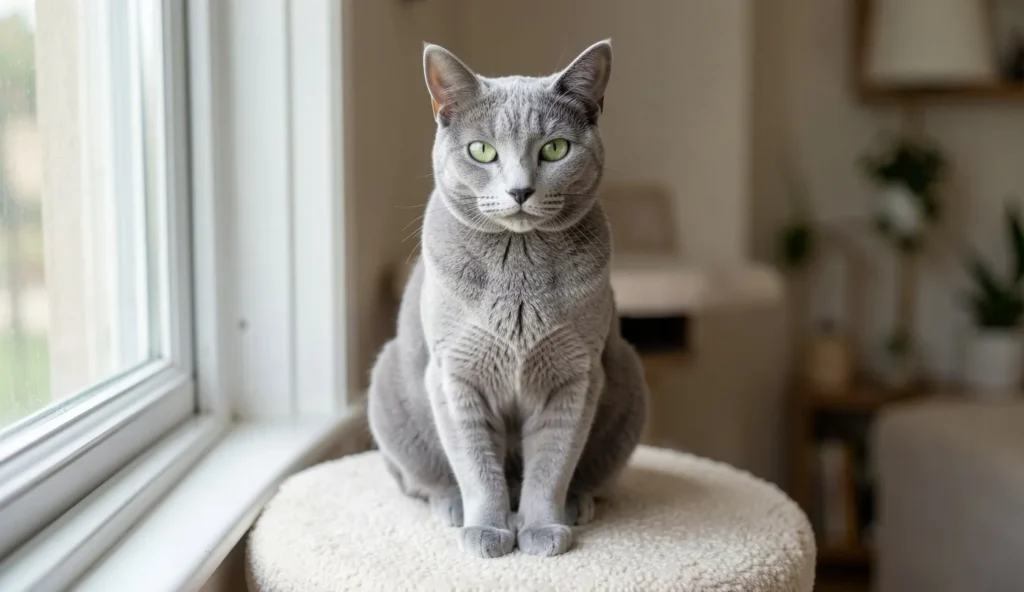
The Russian Blue breed is a domestic cat known for a dense silver-blue coat and striking green eyes. The look stands out at a distance, but the temperament also earns attention. Many households value the quiet cat personality and the tidy, reserved presence that usually stays consistent day to day.
Breed Origin And Background
Russian Blue cats are often linked to Northern Europe through historic trading and ship travel routes. Over time, the breed became associated with a uniform blue coat and a calmer, more reserved nature. Major cat registries now recognize the breed, which helps standardize expectations for coat color and overall look.
Because background stories can vary, breeders and owners typically focus on documented lines and consistent traits. That focus matters for Russian Blue care decisions such as feeding, grooming, and early socialization. When those traits align, the cat usually looks and behaves more predictably.
Key Breed Traits People Notice First
The first thing many people notice is the silver-blue coat, which appears even and cool-toned rather than patchy. Fur often looks like it shimmers due to the double coat texture and fine hair. For many buyers, the green eyes are the second defining feature, creating a strong contrast against the coat.
Temperament also stands out because this blue cat breed often stays calm and less demanding than some more vocal cats. While individual personalities differ, many Russian Blue cats show a steady, quiet baseline once settled. That balance can appeal to people who want an elegant cat that still fits daily household routines.
Appearance And Physical Features
Russian Blue cats have a sleek, streamlined body shape and a coat that looks uniformly blue. Even when the cat moves, the coat tends to hold its neat appearance. The silver-blue coat and green eyes remain the most recognizable combination for anyone learning the breed.
Coat Color And What Silver-Blue Means
Silver-blue means a uniform blue tone with a cool undertone. The coat often looks brighter in natural light because fine hairs can reflect softly, creating a subtle shimmer. This is one reason the breed can look “clean” even between brushings.
It also helps prevent confusion with other blue cat breeds that may show striping, tabby markings, or warmer gray tones. Coat texture matters too, since the dense, short fur can feel plush compared with thinner short coats. For a reliable comparison, a similar texture-focused breed profile can provide context, such as a Devon Rex cat guide for coat differences.
Eye Color And Facial Features
Green eyes are a hallmark trait as the cat matures, and they tend to look vivid against the blue-gray coat. Facial structure usually shows an alert, wedge-shaped face that supports the breed’s tidy look. Ears often sit high and upright, adding to the neat, attentive expression.
Although some kittens may show different eye tones early in life, green is the target as development continues. Owners often notice the final coloring after the cat becomes more established. That is one reason many people search for Russian Blue care guidance once the cat begins to settle in at home.
Body Size And Build
Russian Blue cats are typically medium-sized with a balanced, graceful build. Their proportions help support smooth movement, whether the cat is walking or jumping. Sex differences usually appear gradually rather than sharply, with males and females both staying within a similar size range.
Because the body is streamlined, a healthy weight helps the cat keep its sleek lines. If weight increases, the shape can change and may affect mobility. For owners who want a reserved cat that still stays agile, monitoring body condition remains part of good routine care.
Temperament And Personality
Russian Blue temperament often reads as calm, polite, and observant. Many cats of this line stay quiet compared with more attention-seeking breeds. That quiet cat trait can make the breed a good match for households that prefer a softer daily energy level.
Reserved Or Quiet By Nature
Many Russian Blue cats are less vocal than many other cats and may not “announce” every need. Instead, they often wait until they feel safe, then respond with measured behavior. When new people enter the home, the cat may take time before approaching.
That slower warm-up does not usually mean dislike. It often reflects careful observation first, then engagement once the environment feels predictable. With gentle routines and calm handling, the bond often becomes stronger over time.
Social Behavior With People And Other Pets
Russian Blue cats often bond strongly with familiar household members. They may follow routine schedules, such as greeting people at predictable times, rather than demanding constant attention. With other pets, progress usually depends on individual personalities and introduction speed.
Slow introductions usually work best because sudden changes can increase stress. A calm first meeting and secure hiding options help the cat feel in control. For owners comparing reserved breeds, it can help to review how other quiet or interactive styles work, such as in an American Bobtail cat breed profile and care approach.
Activity Preferences And Play Style
This breed typically enjoys interactive play but within a relaxed schedule. Wand toys, gentle chase games, and toy rolls often hold attention without pushing the cat into nonstop energy. Mental stimulation still matters because boredom can lead to unwanted behaviors.
Because the cat is quiet, food-based play can work well during busy days. Treat mazes and puzzle feeders can also keep the cat engaged while staying low-noise. When play aligns with the cat’s natural pace, the household often stays calm.
Exercise Requirements For A Russian Blue Cat
Exercise needs for a Russian Blue cat focus on short, frequent bursts rather than long high-energy sessions. A quiet cat still benefits from movement because it supports muscle tone and helps prevent weight gain. Regular play also creates a predictable routine that can reduce stress.
How Much Daily Activity Is Needed
Most households can manage several short play sessions per day. Each session can stay brief, with breaks as needed for a calm energy level. Rotating play types helps maintain interest without overexciting the cat.
Food-based play can also support activity when the cat seems less interested in toys. For example, puzzle feeders encourage the cat to work for meals while staying engaged. That approach also supports Russian Blue care because consistent routines make feeding and hydration easier to track.
Best Types Of Enrichment
Enrichment can include climbing and safe viewing spots, which supports natural behavior without loud household disruption. A cat tree, sturdy shelves, or a secure window perch can give the cat a controlled way to observe activity outside. Scratching posts also matter since claws need regular wear.
In addition, enrichment tools can reduce boredom between play sessions. Puzzle feeders and treat mazes provide problem-solving opportunities, while rotating safe toys prevents the cat from losing interest. When these options fit the home layout, a reserved cat often uses them naturally.
- Cat trees and shelves positioned near daily activity
- Secure window perches with stable footing
- Puzzle feeders for meal time enrichment
- Treat mazes for calm, controlled searching
- Scratching posts placed in multiple room access points
Training A Russian Blue Cat
Training a Russian Blue cat works best when patience leads and rewards follow. The breed often responds to positive routines because sudden handling can feel too abrupt. With calm sessions and clear signals, simple training can strengthen trust and make daily care easier.
Litter Box And Routine Training
A quiet, low-traffic litter box location helps the cat feel safe. Keeping litter type consistent at first reduces the risk of refusal, especially during the initial settling period. When the cat uses the box, positive reinforcement supports fast learning.
Owners should also keep the litter box clean because odor can affect a reserved cat more strongly. If the cat misses the box, the cause often relates to stress, litter preference, or placement. A consistent routine usually restores confidence without punishment-based methods.
Teaching Fetch Or Simple Cues
Fetch training can start with a target-based approach using a treat routine. Short sessions work best because the cat may lose interest if training lasts too long. Calm handling and predictable timing help the cat connect the cue with a reward.
Simple cues such as “come” or a repeatable sound can also support feeding schedules. Treats and toys should serve as rewards, not as distractions. For owners looking at similar training-friendly cat behaviors, the Cornish Rex breed guide can provide extra context on interactive routines.
How To Encourage Confidence With New People
Confidence often improves when the cat can choose the pace of interaction. Letting the cat approach first reduces pressure and helps the cat associate visitors with calm experiences. Treats and gentle play can create positive associations without forcing contact.
Providing hiding spaces and escape routes also matters because a reserved cat may retreat when overwhelmed. Once the cat returns voluntarily, training sessions become easier and calmer. Over time, many Russian Blue cats learn that new people mean routine, not danger.
Grooming And Coat Care For The Silver Blue Look
Russian Blue care for grooming focuses on maintaining coat health and reducing loose fur. The breed has short, dense fur, so coat upkeep is usually manageable. Brushing also helps keep the silver-blue coat looking even and reduces hair around furniture.
Brushing Schedule And Tools
Brushing one to two times per week often keeps the coat neat for most cats. During seasonal shedding, brushing may need to increase to avoid excess loose fur. A soft grooming tool suited for short hair can remove dead hair without irritating skin.
Gentle brushing also supports bonding because it stays predictable and noninvasive. If brushing triggers stress, shorter sessions can help. This simple routine supports the overall Russian Blue temperament as the cat learns that handling stays calm.
Bathing And Odor Control
Most cats do not need frequent baths, and a regular brushing plan usually handles most odor. Baths should happen only if the coat becomes dirty or if a vet recommends it after a health concern. When bathing occurs, cat-safe shampoo and warm water help prevent discomfort.
After bathing, dry the cat gently and keep the room warm. Avoid strong scents or products not designed for cats. This method limits skin irritation and helps maintain the silver-blue coat’s natural appearance.
Nail, Ear, And Eye Care
Nail trimming often follows a schedule every two to four weeks, depending on scratching habits. Weekly ear checks can spot wax buildup or odor early, which makes treatment easier if needed. For mild tear staining, wiping the eye corners can reduce buildup while owners monitor for changes.
Owners should watch for redness, swelling, or persistent discharge because those signs need veterinary evaluation. Gentle home checks also make it easier to notice small changes in behavior or appetite. This monitoring supports Russian Blue health awareness as part of daily care.
- Brush 1 to 2 times weekly for a consistent silver-blue look
- Increase brushing during seasonal shedding periods
- Trim nails every 2 to 4 weeks based on growth
- Check ears weekly for odor or wax buildup
- Wipe eye corners for mild tear staining
Diet And Nutrition For A Healthy Russian Blue Cat
A strong diet supports coat shine, stable energy, and overall health. For Russian Blue care, feeding centers on complete and balanced cat food. Hydration matters too, since consistent water intake can support kidney and urinary tract health.
What To Feed Daily
Choose a complete and balanced cat food that fits age and activity level. Many owners feed a mix of wet and dry options because wet food can increase hydration. Daily portions should match weight and activity, since overfeeding can gradually change the cat’s body condition.
Measuring food helps keep the diet consistent, especially when multiple household members feed. If weight changes, adjust portions slowly instead of making sudden shifts. That careful approach supports long-term health and helps keep the cat moving comfortably.
Treats And Supplements
Treats should stay limited to a small portion of daily calories. Using treats for training and enrichment works well because it reinforces desired behavior without disrupting the main diet. Avoid adding supplements unless a veterinarian provides guidance based on lab results or medical needs.
Some cats do not benefit from extra vitamins, and excess can cause issues depending on the nutrient. When treating, choose products designed for cats and keep the total amount reasonable. This keeps Russian Blue care aligned with evidence-based feeding.
Water Intake And Hydration Tips
Fresh water should be available daily, and it should stay in a clean bowl or fountain that the cat tolerates. In larger homes, multiple water stations can encourage drinking throughout the day. Wet food often helps increase total water intake and may reduce strain on hydration systems.
Monitoring water habits becomes part of health awareness, since reduced drinking can appear before other symptoms. If water intake drops, owners should check for bowl cleanliness and water preference. Then they can contact a vet if changes persist.
Common Health Issues And What To Watch For
Russian Blue health problems can vary by line and individual, but owners can watch for common cat warning signs. A healthy cat usually shows a steady appetite, clear eyes, and normal litter habits. When those patterns change, it often helps to respond quickly.
General Health Considerations
Weight changes and low energy deserve attention, since they can signal underlying illness or diet mismatch. Annual veterinary visits and vaccine schedules support prevention and early diagnosis. Regular observation of coat condition also helps, since dryness or dullness can indicate diet or hydration issues.
Even with routine care, monitoring stays necessary because cats often hide discomfort. A reserved cat may show fewer obvious behavior changes, so owners should check subtle signs such as reduced grooming or fewer play interests. Consistent observation supports better outcomes.
Genetic Or Breed-Linked Conditions To Discuss With A Vet
Some hereditary concerns can appear in cat populations, and it helps to discuss what screening a reputable breeder provides. Owners can request health screening information and ask which tests apply to the specific line. If indicated, veterinarians may recommend guidance based on age, family history, or early symptoms.
Because genetics can differ between countries and breeding programs, health screening documentation matters more than broad assumptions. A careful conversation with a veterinarian supports informed Russian Blue care choices. It also helps owners understand what early signs to watch for in their specific cat.
Dental, Skin, And Coat Health Signals
Dental disease often shows up through bad breath and gum redness, and it needs veterinary treatment. Skin and coat issues can show through excessive itching, patchy fur loss, or persistent flaking. Since this breed has dense short fur, coat changes can become noticeable quickly.
If excessive itching occurs, the cause may include parasites, allergies, or skin infections. That situation needs assessment rather than home-only remedies. For grooming-based owners, regular brushing helps detect early problems and keeps the coat in better condition.
- Watch for bad breath and gum redness for dental issues
- Note dry coat, which may relate to diet or hydration
- Check for itching and flaking that needs vet assessment
- Monitor appetite and litter habits for early changes
- Track energy and play interest week to week
Breeding Basics And Responsible Sourcing
Responsible sourcing protects both the cat’s welfare and the buyer’s expectations for Russian Blue care. Reputable breeders aim for health, stable temperament, and consistent coat characteristics. When those goals align, the cat is more likely to settle into home life smoothly.
How To Identify A Reputable Breeder
A reputable breeder should offer health records and explain screening documentation. Kittens should be raised with early socialization, so handling stays familiar and calm. A clear contract and guidance on feeding, grooming, and litter routines also show that the breeder supports new owners.
Prospective owners should ask detailed questions about lineage and the environment where kittens grow. That information can help match the cat’s energy level to household needs. If possible, observing kitten temperament around gentle handling gives insight into Russian Blue temperament as it develops.
Adoption Vs Buying From A Breeder
Adoption supports cats in need and can be a strong option for people who prefer fewer breeder steps. Shelters may provide background details, though breed traits can vary. Buying from a breeder can offer clearer lineage information and consistent breed standards.
Either route requires careful temperament matching. Since this breed often warms up slowly, getting a stable character fit matters more than appearance alone. In many cases, adoption guidance and breeder support both help owners build a calm, predictable routine from day one.
For people comparing how different cat temperaments behave after adoption, reviewing a American Curl breed overview can help illustrate how ear morphology and social style may differ across breeds. That kind of comparison supports better expectations when choosing a reserved cat.
Starter Checklist For New Russian Blue Owners
Getting the right setup can reduce stress for a reserved Russian Blue. A calm environment supports confident settling, especially during the first days at home. With a few essentials in place, daily Russian Blue care becomes easier and more predictable.
Home Setup For A Quiet Cat
Litter box placement should be calm and private, with low traffic and easy access. A tall scratching post supports comfortable stretching and claw maintenance. A window perch can provide safe viewing, but it should stay stable and secure to prevent falls. Finally, a cozy bed or quiet hideaway helps the cat rest without interruptions.
Because the breed often prefers routine, placing items in consistent locations helps the cat feel oriented. Moving bowls and boxes too frequently can increase uncertainty. When setup stays stable, the cat typically adapts faster.
- Place litter box in a quiet, private area
- Use a tall scratching post for full body stretching
- Provide a secure window perch for supervised viewing
- Add a cozy bed or hideaway for calm rest
Daily Supplies And Gentle Play Items
Food bowls, a measured feeding routine, and a reliable litter schedule support early consistency. Wet and dry food can help with transitions if needed, but any switch should happen gradually. Treats work best for training and positive reinforcement rather than free feeding.
Small toys support gentle, supervised play, and a basic grooming brush keeps coat care simple. Puzzle feeders can add enrichment without raising noise levels, which suits a quiet cat household. Keeping tools ready also makes it easier to follow grooming and nail care routines.
- Keep wet and dry food ready for steady transitions
- Use reserved treats for training and enrichment only
- Offer small, safe toys for calm supervised play
- Use a soft grooming brush for short coat care
- Plan puzzle feeders for low-noise mental stimulation
Is A Russian Blue Breed Right For You
The Russian Blue breed suits many people who want a reserved companion with an elegant look. Green eyes and the silver-blue coat create a standout appearance, but day-to-day compatibility depends on temperament and routines. When the household can support calm settling, this quiet cat often fits well.
Good Fit If A Reserved Companion Is Desired
This breed often matches low-noise households where the cat can observe and interact on a comfortable schedule. Patience helps because warming up with strangers may take time. A routine-focused home with predictable quiet hours can reduce stress and support steady bonding.
Many owners also appreciate how the cat does not demand constant attention. Instead, the cat may show affection through presence and calm engagement. That fit can make the breed feel elegant without being difficult to live with.
May Not Be Ideal If Constant Activity Is Required
Russian Blue cats often do not behave like high-energy, always-on entertainers. A cat that hides when stressed by frequent changes may struggle in homes with constant disruptions. Enrichment is still important, but nonstop play demands may not match the breed’s typical pacing.
When the household schedule changes often, preparation matters. Providing safe hiding places, keeping routines stable, and adding enrichment options can help reduce stress. Without those supports, the cat may become more withdrawn.
Key Care Commitments To Expect
Russian Blue care includes regular brushing and nail trims, plus careful feeding and hydration support. Routine vet checkups and consistent monitoring of coat and behavior help catch problems early. Owners also benefit from tracking subtle changes since reserved cats may hide discomfort longer.
When these commitments fit the lifestyle, the breed can become a calm, elegant companion with a quiet presence. The silver-blue coat and green eyes remain the visual reward, but the daily routine creates the real relationship stability.
FAQs: Russian Blue Care And Temperament
Are Russian Blue Cats Actually Quiet Cats?
Many Russian Blue cats are calm and tend to be less vocal than some breeds. Individual personality varies, especially with age and socialization.
How Often Should Russian Blue Care Include Brushing?
Brush about 1 to 2 times per week for most cats. Increase brushing during seasonal shedding periods.
Do Russian Blue Cats Shed A Lot?
Short coat shedding is usually moderate. Regular brushing helps reduce loose fur around the home.
What Do Green Eyes And Silver Blue Coat Typically Look Like?
Green eyes are a common hallmark as the cat matures. The coat is usually a cool uniform blue with a dense, even look.
What Is The Best Diet For A Russian Blue Cat?
Use a complete and balanced cat food as the main diet. Wet food can support hydration and help with daily water intake.
How Can Stress Be Reduced For A Reserved Russian Blue?
Provide quiet spaces, stable routine, and slow introductions. Use treats and gentle play for positive experiences.
A Balanced Routine Supports The Russian Blue Look
Consistent feeding, calm handling, and regular grooming help maintain the silver-blue coat and keep the quiet temperament steady. With simple daily routines, this elegant breed often settles into home life smoothly.