What Is The Scottish Fold Cat
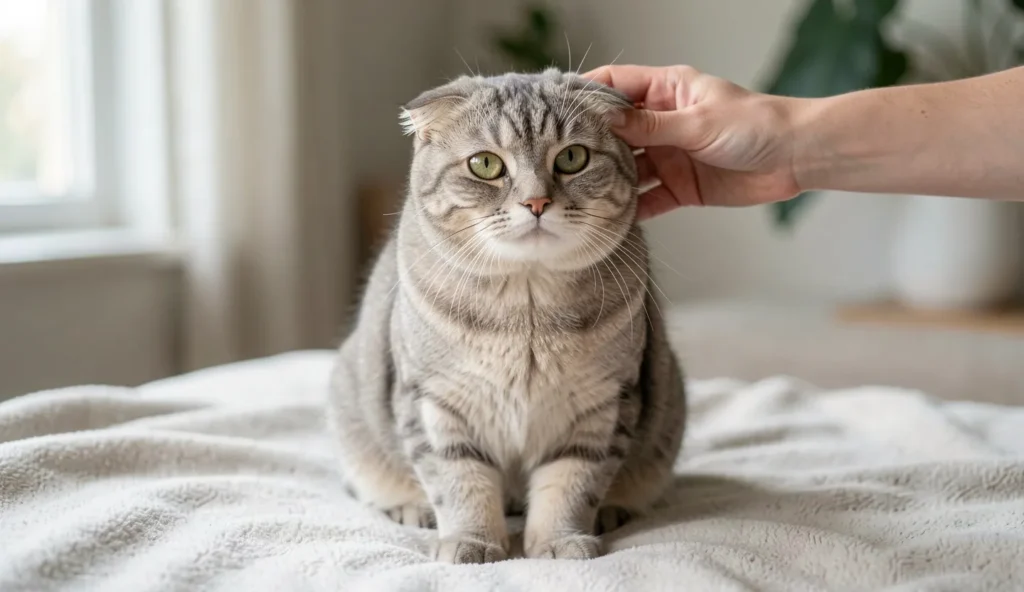
The Scottish Fold breed is a domestic cat known for ears that fold forward due to a cartilage trait. This breed traces back to Scotland and became widely recognized for its distinct head shape. Many owners also look for a calm, affectionate presence that fits well into home routines.
Because folded ears involve specific genetics, Scottish Fold care needs go beyond grooming habits. Ear comfort and folded ear genetics both influence long-term health planning. For cat enthusiasts, understanding those links helps support ethical decisions and safer breeding outcomes.
Origins And Recognition
A spontaneous ear-fold mutation appeared in Scotland and later became the basis for selective breeding programs. Over time, breeders worked to stabilize the ear trait while developing different lines. Registries may set different standards, and those standards can change how “fold” levels are described.
As a result, two Scottish Fold cats can look similar yet show different ear behavior. Some cats maintain partial folds, while others develop tighter folds. That variation can matter when owners learn how to check Scottish Fold ear health at home.
Key Traits Most Owners Notice
Folded ears often create a compact, rounded look around the head. Many cats also have a medium build and a relaxed, people-friendly reputation. In daily life, this temperament can make routine handling easier.
Coat length varies across lines, with short and medium options both common. Colors also range widely because breeding programs may focus on multiple goals. Even with similar appearance, each cat still needs individualized Scottish Fold care based on comfort and mobility.
Appearance And Physical Features
Physical traits affect both grooming needs and how owners handle a folded ears cat safely. The Scottish Fold breed typically shows a medium body, balanced proportions, and a distinct ear set. Coat texture and ear position can also influence how easily debris collects near ear edges.
Therefore, appearance details should guide daily checks. Owners who learn what variations look like tend to spot problems earlier. When issues appear, the goal remains simple, gentle comfort and quick veterinary support.
Body Type And Coat
The body often has solid muscle and a medium frame that supports everyday movement. Coat types commonly include short coats or medium coats depending on the line. Shedding usually remains moderate, so regular brushing helps reduce loose hair.
Colors vary widely, since breeding goals can include coat shade patterns and regional preferences. Some programs also try to emphasize certain physical traits, which can inadvertently shape genetics. Ethical choices prioritize health tests rather than only extreme appearance.
Ear Types And What They Mean
Folded ears may range from partial folds to tightly folded ears. Some cats can also show straight ears in related genetics and lines. Owners should expect that ear fold level can change slightly as kittens mature.
Ear position matters for comfort and for how owners perform Scottish Fold ear health checks. A folded ear can sit closer to the head, making the canal harder to view. Still, gentle external checks remain essential and should never force movement.
Other Features That Affect Care
Face and whisker placement can influence how a cat tolerates towel drying and grooming. Dense coat may trap debris around ear edges, especially near the outer rim. If grooming feels stressful, comfort-first handling reduces the risk of accidental irritation.
Also, paw thickness and nail size can affect scratching control. Keeping nails trimmed supports smoother play, and it protects ears during grooming. For comparison with other breeds, a Cornish Rex breed guide can help explain how coat type can change grooming routines and shedding management.
Scottish Fold Personality And Temperament
Scottish Fold personality often centers on affectionate, people-oriented interaction. Many cats respond well to calm routines and enjoy attention that does not involve force. Individual variation still occurs, so socialization and handling history shape how confident each cat becomes.
Because folded ears can also make some touch feel sensitive, Scottish Fold care must include gentle handling choices. When interaction stays predictable, most cats accept grooming and veterinary visits more easily. That makes daily enrichment simpler to maintain.
Typical Temperament Patterns
Many owners describe the Scottish Fold breed as steady and friendly. Routine play sessions often work better than sudden bursts of activity. Over time, consistent responses help build trust.
Even so, some cats show more shyness or need a slower introduction to new environments. That pattern can appear in multi-cat households as well. Using calm introductions and allowing safe hiding space can reduce early stress.
Activity Level And Interaction Needs
Most Scottish Fold cats show moderate activity with short bursts of play. Interactive toys can support mental stimulation while keeping joints comfortable. Since mobility comfort can vary, games should avoid hard landings.
Quiet enrichment also helps cats that prefer low-stimulation routines. Puzzle feeders and slow supervised sessions often work well. If arthritis or stiffness develops, reducing high-impact play becomes part of good Scottish Fold care.
Household Compatibility
Scottish Fold cats often do well with calm adults and gentle children. Stable routines can matter because abrupt changes can increase stress behaviors. If a household includes other pets, introductions should stay slow and monitored.
Multi-cat environments can work when cats receive separate resources at first. Owners can reduce conflict by providing multiple resting spots and food areas. For an additional example of temperament and compatibility patterns, the American Bobtail cat profile may help frame how communication and interaction can vary across rare breeds.
Folded Ear Genetics And The Ear Health Connection
Folded ear genetics link directly to ear and skeletal health risks. The Scottish Fold breed carries a dominant gene that affects ear cartilage, but breeding outcomes depend on how that gene pairs. As a result, folded ear genetics often becomes a key ethical breeding topic for conscientious owners.
Because two folded-ear cats can produce kittens with severe skeletal issues, responsible programs avoid high-risk pairings. Ethical Scottish Fold breeding focuses on health first and does not chase extreme tightness at all costs. Understanding the genetics also helps owners interpret changes they may see as kittens grow.
Basic Genetics Behind Folded Ears
Ear folding results from a gene that alters cartilage development, and the fold level can differ among cats. When offspring inherit different combinations, some cats develop partial folds while others show tighter folds or even straight ears. That variation occurs because the genetic setup influences cartilage response.
Two-folded-ear pairings can increase the chance of severe skeletal problems. This risk often involves broader skeletal and joint issues, not only ear appearance. Therefore, owners should consider health-focused breeding before adopting a folded ears cat.
Why Ethical Breeding Matters
Responsible programs reduce risk by avoiding pairings that can produce severe outcomes. Straight-eared or non-folded lines can lower the chance of extreme cartilage and bone problems. Ethical breeding also supports early health checks and clear records of lineage.
Selection should prioritize health over extreme ear tightness. If a breeder emphasizes only appearance without health screening, that should raise concerns. For a broader understanding of ethical selection in curly coat genetics, a Devon Rex cat guide provides another example of how specific traits can carry distinct care needs.
What Owners Can Observe Safely
Owners can watch how ears move during normal grooming and handling. Discomfort can show up through avoidance behaviors, changes in touch tolerance, or sudden head withdrawal. Gait changes can also suggest pain beyond ears.
Since folded ears cat care often includes gentle ear checks, owners should pay attention to posture changes at the same time. If scratching increases or the cat avoids being held, an exam can help. When joint pain contributes, ear symptoms can worsen because grooming becomes less frequent.
Ear Health Essentials For Folded Ears Cats
Scottish Fold ear health requires routine observation rather than heavy intervention. Folded ears can trap moisture and debris more easily than straight ears. Over time, that can contribute to irritation or infection if hygiene is inconsistent.
Therefore, a simple ear care routine at home supports comfort and helps owners detect early warning signs. The goal remains gentle monitoring with safe cleaning when needed. If anything looks abnormal, a veterinarian should lead next steps.
How To Check Ears At Home
Start with a calm, seated position and provide ear support without pulling. Then examine the outer surface for redness, swelling, odor, and discharge. Checking both ears matters because problems may appear unevenly.
Also, observe the cat’s comfort level during handling. If the cat flinches, struggles, or suddenly becomes tense, stop and consider a veterinary exam. Those reactions can indicate pain, especially when the ear shape limits airflow to the canal.
Cleaning Steps For Folded Ears
Cleaning should use a vet-approved ear cleaner and soft cotton pads. Wipe only the outer ear surface and the accessible outer rim. Deep cleaning tools can push debris inward and should be avoided unless a clinician instructs otherwise.
If the cat shows pain, resistive behavior, or increased shaking, cleaning should stop immediately. Then a veterinary visit can determine whether infection, inflammation, or ear wax buildup needs treatment. This approach supports better outcomes than repeated home attempts.
Signs Of Ear Discomfort In Daily Life
Ear discomfort often appears in everyday behaviors like head shaking or scratching near the ears. Some cats also avoid ear contact during grooming, which can reduce routine maintenance. Increased vocalization during handling can signal irritation too.
In addition, head tilting can show discomfort, especially if only one side seems worse. Reduced appetite may follow pain and stress. When those signs appear, owners should schedule care promptly rather than waiting for symptoms to resolve.
Common Ear Problems In Scottish Folds
Folded ear structure can contribute to common problems such as inflammation, wax buildup, and infection. The Scottish Fold breed can also face joint and skeletal discomfort that changes grooming posture. When multiple factors act at once, ear health may decline faster than owners expect.
For that reason, common issues should be recognized early. Owners can then seek veterinary care before discomfort becomes chronic. This section focuses on the most frequent patterns seen in folded ears cat care.
Ear Infections And Inflammation
Folded ears may reduce airflow into the ear canal and make it harder for moisture to dry. Symptoms can include odor, discharge, redness, and frequent scratching. Persistent signs often require examination with otoscopy.
Diagnosis may also include lab testing to identify infection type. Treatments can include medicated drops or other targeted therapies. Since ear infections can recur, owners should also review home cleaning frequency and handling comfort.
Wax Buildup And Moisture Trapping
Ear folds can trap debris more easily than straight ears. Gentle routine checks can prevent buildup from reaching painful levels. Owners should focus on outer rim hygiene and stop if the cat shows discomfort.
Avoid deep cleaning tools that can disturb the canal. Instead, follow vet guidance on cleaning schedules and products. If buildup keeps returning, it may indicate an underlying inflammation that needs treatment.
Pain That May Be From Joints Too
Some Scottish Fold lines carry higher risk of skeletal and joint problems tied to genetics. Stiffness can affect posture, which changes how cats groom. When grooming becomes difficult, ear problems may persist due to trapped debris and inconsistent outer cleaning.
A veterinary exam helps connect ear signs with overall pain patterns. If the cat avoids jumping or shows reluctance to be handled near the head, joint pain could contribute. Arthritis risk and comfort-focused treatment plans may improve both mobility and grooming consistency.
Grooming And Care Tips For Scottish Fold Cats
Scottish Fold care works best when grooming stays safe, predictable, and low-stress. Routine brushing supports coat cleanliness and reduces loose hair that can fall into ear edges. Nail trimming reduces painful snagging during play, which also protects ears during grooming sessions.
Even with good routines, monitoring remains necessary. Ethical Scottish Fold breeding can reduce severe outcomes, but daily care helps manage what still develops over time. A practical approach includes clear steps and immediate pauses when pain signs show up.
Coat Care And Shedding Management
Brush on a regular schedule to reduce loose hair and keep the coat clean. Use gentle strokes and stop if the cat becomes stressed. For folded ears cat comfort, pay attention to areas around the ear edges and neck line.
Dense coats may collect debris near the folds. A soft routine helps keep outer surfaces cleaner between ear checks. If grooming time increases stress, shorter sessions across the week can work better.
Nail Trimming And Scratching Setup
Trim nails regularly to prevent snagging that can lead to accidental ear irritation. Provide sturdy scratching posts at multiple heights so cats can choose what feels comfortable. Keeping trimming sessions short and rewarding also helps reduce fear.
If the cat hates restraint, ask a veterinary clinic for guidance on safe positioning. Better nail habits support play and grooming control. Over time, that can reduce scratching-related irritation near folded ears.
Safe Handling Techniques For Ear Checks
Always support the head and avoid sudden ear movement during checks. Pair ear checks with treats to build a calm association. That routine can reduce resistance and support faster recognition of ear discomfort.
If pain is suspected, seek veterinary guidance before repeating home cleaning. For owners comparing handling preferences across breeds, the American Curl breed characteristics guide offers insight into how ear structure can affect owner routines and tolerance building.
Scottish Fold Diet And Nutrition For Joint Support
Nutrition supports body condition, which influences mobility and comfort. Since folded ear genetics can correlate with skeletal issues in some lines, weight management becomes a major part of Scottish Fold care. A cat that stays lean often experiences less strain during movement.
In addition, good hydration supports overall health, including skin and coat condition. When appetite changes or litter box access becomes harder, diet and comfort planning should align. That way, ear and joint needs receive consistent support.
Choosing A Balanced Cat Food
Select complete, balanced commercial cat food appropriate for life stage. Prioritize protein and essential nutrients rather than random supplement mixes. Avoid adding supplements without veterinary advice, especially for cats with medical needs.
When switching foods, do it gradually to reduce stomach upset. A steady routine also helps owners monitor appetite and stool changes. If the cat has ongoing ear inflammation, maintaining stable nutrition can reduce stress.
Weight Management To Reduce Stress On Joints
Maintain a healthy body condition score by measuring portions accurately. Limit high-calorie treats, since small extras can add up quickly. Then encourage movement with short play sessions that avoid hard impacts.
Weight control reduces pressure on joints and may support comfort during grooming. If stiffness appears, reducing jumping and choosing easier access routes to furniture can help. For owners seeking breed comparisons on mobility-aware care, Highland cattle care materials can reinforce the general concept of comfort-first planning, though it applies to livestock rather than cats.
Hydration And Litter Box Health
Provide fresh water daily, and consider a water fountain if the cat drinks more from running water. Monitor litter box habits for changes in appetite and comfort. Pain-related stiffness can reduce willingness to enter the box, especially with higher sides.
Keeping the litter box accessible supports early recognition of mobility issues. When a cat shows both ear discomfort and litter box reluctance, the visit should cover more than the ears. That approach improves the chance of treating the full comfort problem.
Exercise Requirements And Mobility Care
Scottish Fold exercise supports circulation and joint comfort, but intensity needs careful control. Many cats do well with moderate daily activity and short bursts of interactive play. If arthritis risk increases, high-impact movement should be limited.
Mobility monitoring helps owners adjust routines before pain becomes obvious. With a comfort-first plan, many cats maintain a stable quality of life. The focus should stay on safe movement and early detection.
Daily Activity Ideas
Use interactive play like wand toys in short sessions and stop before the cat becomes frustrated. Encourage climbing only if joints appear comfortable and safe. Gentle chase games can provide movement without repeated hard landings.
Multiple short sessions often work better than long sessions. That structure helps prevent stiffness after rest. If folded ears cat comfort is also a factor, play should avoid actions that tug the head or expose the ears to harsh contact.
How To Spot Mobility Changes Early
Watch for stiffness after rest and reduced jump height. Monitor litter box entry and exit effort, since discomfort may appear as hesitation or slower movement. Notice changes in grooming posture and scratching behavior too.
Early patterns may include reluctance to rise to a favorite spot. Then routine adjustments can help, such as adding lower access surfaces. A veterinary check can confirm whether pain control is needed.
Common Health Issues Beyond The Ears
Scottish Fold health involves more than folded ears cat care. Fold genetics can correlate with skeletal and joint conditions that affect posture and comfort. For that reason, Scottish Fold personality and daily behavior can change when pain develops.
Owners should watch for patterns like stiffness, reluctance to jump, and changes in handling tolerance. If ear signs and joint signs appear together, the combined issue can require broader evaluation. Ethical Scottish Fold breeding and ongoing care both play a role.
Skeletal And Joint Problems Related To Fold Genetics
Some lines carry higher risk of cartilage and bone issues tied to genetics that also produce ear folds. Symptoms can include stiffness, reduced jumping, and signs of discomfort during movement or care. Owners may also see changes in grooming due to limited reach.
A veterinary assessment is needed to confirm diagnosis and determine treatment. Imaging may help identify the degree of skeletal involvement. Treatments may include pain control and supportive mobility plans based on severity.
Arthritis Risk And What Treatment Often Focuses On
Arthritis risk can increase in some cats, and treatment often focuses on pain control and mobility support. Weight management and joint-friendly activity can reduce strain over time. Treatment plans vary based on age, symptoms, and exam findings.
When pain decreases, cats often return to more normal grooming and activity. That improvement can also help ear health by supporting outer cleanliness and reducing debris buildup. Owners should coordinate ongoing nutrition and mobility changes with veterinary guidance.
When To Call A Veterinarian
Call a veterinarian if persistent ear symptoms do not improve after gentle routine care. Behavior changes like hiding or refusal to be handled can also indicate pain. Visible limping, reduced appetite, or rapid decline should trigger prompt assessment.
During the visit, owners should mention ear symptoms plus any mobility observations. Clear timelines help clinicians identify whether infection, inflammation, or arthritis contributes. That integrated approach supports better treatment decisions.
Is The Scottish Fold Breed Right For You
The Scottish Fold breed can suit cat enthusiasts who want a calm companion and who commit to comfort-focused monitoring. Ethical decisions matter because folded ears cat genetics can connect to joint and skeletal risks. Choosing the right source and preparation helps protect both the cat and the household routine.
Before adoption, owners should evaluate care commitment, grooming tolerance, and readiness for veterinary follow-ups. When those pieces align, Scottish Fold personality often fits well into everyday life. Still, expectations should remain health-centered, not purely appearance-based.
Choose Ethical Sources And Ask Right Questions
Request health information and transparent breeding practices before bringing a cat home. Look for guidance that prioritizes reducing high-risk pairings and avoids extreme tightness. Choose breeders who support early health checks and offer follow-up communication.
Also, ask what ear fold level means in their program and how they evaluate kitten development. Responsible breeders can explain folded ear genetics in plain language. That openness supports ethical Scottish Fold breeding rather than guesswork.
Be Ready For Ongoing Ear And Comfort Monitoring
Plan for regular ear checks and a gentle grooming routine that respects sensitivity. Expect that some cats may need mobility adjustments over time. That includes safer access to resting areas and modified play intensity.
Commit to veterinary visits for persistent symptoms, especially when ear discomfort and stiffness appear together. With consistent care, folded ears cat grooming can remain manageable. Over time, the routine becomes easier for both owner and cat.
Frequently Asked Questions
Do Scottish Fold Cats Always Have Folded Ears?
Not all kittens develop the same ear fold level, and some may show straight ears depending on genetics and lineage. Ear fold appearance can also change as cats mature.
Are Folded Ears In Scottish Folds Linked To Ear Infections?
Folded ear shape can affect airflow and make debris or moisture more likely to accumulate. Regular checks can help catch irritation early, though infections still require veterinary diagnosis.
What Are The Most Important Signs Of Ear Problems In A Scottish Fold?
Common signs include redness, odor, discharge, and frequent scratching. Any persistent symptoms or worsening discomfort should trigger a veterinary visit.
How Should Scottish Fold Ears Be Cleaned Safely At Home?
Use a vet-approved ear cleaner and wipe only the outer ear surface. Stop immediately if the cat shows pain or strong resistance.
Is It Ethical To Breed Two Scottish Fold Cats With Folded Ears?
Two-folded pairings can increase the risk of severe cartilage and joint problems. Ethical breeding avoids high-risk pairings and prioritizes health screenings.
What Health Issues Should Owners Watch For Besides Ear Problems?
Some Scottish Folds can develop joint and skeletal issues, including stiffness or arthritis risk. Owners should watch for reduced jumping, limping, and changes in grooming posture.
A Final Note On Comfort First Scottish Fold Ownership
Scottish Fold care works best when owners focus on gentle monitoring, safe ear checks, and early veterinary support for discomfort. With ethical choices and consistent routines, folded ears can remain a manageable trait over a cat’s lifetime.