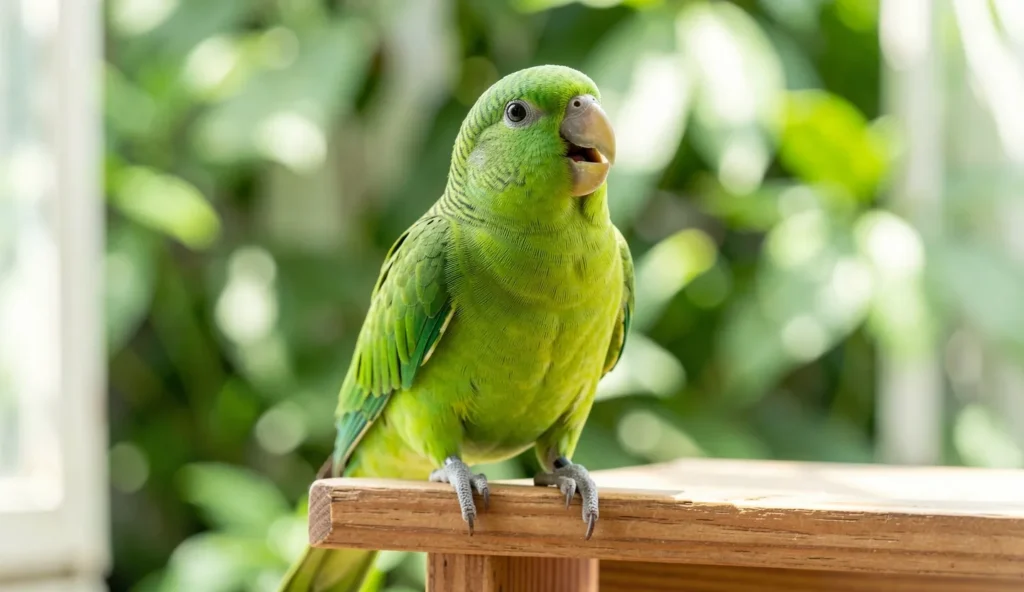
What Is an Indian Ringneck Parakeet
The Indian Ringneck Parakeet, scientifically known as Psittacula krameri, is a highly intelligent medium parrot native to parts of Asia and Africa. This bird stands out for its remarkable talking ability and playful personality. Owners prize the Indian Ringneck Parakeet for its capacity to learn an extensive vocabulary and mimic sounds with striking clarity.
Species Background and Origin
The Indian Ringneck Parakeet belongs to the genus Psittacula and is often called a ringneck parakeet due to the distinctive collar on mature males. This species has been kept as a companion bird for centuries, prized by royalty in ancient India and Egypt. Today it remains one of the most popular talking parakeet species in aviculture.
Wild populations thrive in tropical forests, grasslands, and even urban areas across the Indian subcontinent. The bird’s adaptability and intelligence have made it a favorite among intermediate owners seeking a talkative pet.
Appearance and Physical Features
The Indian Ringneck Parakeet is a slender, long-tailed medium parrot with a graceful silhouette. Its striking appearance and color variations make it an attractive addition to any home.
Size and Weight
- Average length of 16 inches, with the tail accounting for half
- Weight ranges from 100 to 130 grams
- Body is slim and streamlined
Color Variations and the Ring
Wild-type Indian Ringneck Parakeets display a vibrant green body with yellow underparts and a blue tail. Males develop a distinctive black ring around the neck with a pink band above it, typically appearing between 2 and 3 years of age. Females and immature birds lack this ring or show only a faint shadow.
Captive breeding has produced many mutations, including blue, lutino, albino, cinnamon, and violet. These colors are popular among enthusiasts. The neck ring remains a key identifying feature in mature males regardless of color.
Temperament and Personality
The Indian Ringneck Parakeet is an energetic, curious, and highly vocal medium parrot. Its intelligence demands regular mental stimulation and social interaction. Without adequate attention, this bird can develop behavioral issues such as screaming or feather plucking.
Owners often describe the ringneck parakeet as independent but affectionate once bonded. It enjoys climbing, chewing, and exploring. This species can be wary of strangers but becomes playful and talkative with trusted individuals. Understanding its temperament is essential for successful training.
Compared to other parrots, the Indian Ringneck Parakeet shares similarities with the Green Cheek Conure in terms of playful curiosity, though the ringneck is more reserved initially.
Indian Ringneck Parakeet Talking Ability
The Indian Ringneck Parakeet is widely regarded as one of the best talking parakeets in the world. Its ability to mimic human speech with clear enunciation rivals that of larger parrots like the African Grey Parrots. Many owners report vocabularies of 100 to 200 words, though some individuals surpass 250 words.
Factors That Influence Speech
Not every Indian Ringneck Parakeet will talk, but most can learn with proper training. Key factors include individual personality, the strength of the bond with the owner, and the age at which training begins. Younger birds that start training around 3 to 4 months tend to develop speech faster.
Consistent daily interaction and repetition are critical. A quiet environment helps the bird focus on sounds. The bird’s natural curiosity and vocal nature make it a prime candidate for advanced mimicry.
What to Expect from a Talking Ringneck
- Clear enunciation of words, often better than many conures
- Ability to learn phrases and contextual speech
- Mimicry of household sounds like doorbells, phones, and microwave beeps
- Some birds develop unique dialects or incorporate whistles
The talking parakeet nickname fits this species well. Owners should expect a vocal bird that may chatter throughout the day.
Training Your Indian Ringneck Parakeet to Talk
Training a Indian Ringneck Parakeet requires patience, consistency, and positive reinforcement. The following methods help establish a foundation for speech and advanced tricks. For more techniques, refer to Parrot Talking Training Tips.
Start with Simple Words
Choose short, common words such as “hello,” “pretty bird,” or the bird’s name. Say the word slowly and clearly in a cheerful tone. Repeat the same word many times throughout the day. The bird needs to hear the sound repeatedly to attempt imitation.
Use Positive Reinforcement
Reward every vocal attempt immediately with a favorite treat. Praise the bird enthusiastically after each sound. Avoid punishment or negative reactions, as these can silence the bird. A hungry bird in the morning often responds best to treat-based training.
Consistency and Patience
Train in short sessions of 5 to 10 minutes twice a day. Keep the room quiet and free of distractions. Understand that some birds take months to produce their first word. Celebrate small progress and maintain a routine. The training tricks outlined here also apply to other behaviors.
Advanced Training Tricks Beyond Talking
Once the Indian Ringneck Parakeet has mastered several words, owners can expand training to include tricks that strengthen the bond and provide mental exercise. These training tricks include target training, stepping up, and simple object retrieval. For example, the Jenday Conure also responds well to target training, but the ringneck’s intelligence allows for more complex tasks.
Teaching the bird to wave, spin, or fetch a small ball keeps it engaged and reduces unwanted behaviors. Use the same positive reinforcement approach. Clicker training works especially well for this species.
Care Tips for Indian Ringneck Parakeets
Proper care supports the health and vocal development of the Indian Ringneck Parakeet. A well-cared-for bird is more likely to talk and perform training tricks.
Diet and Nutrition
- High-quality pelleted diet as the base (70 to 80 percent of intake)
- Fresh vegetables and fruit daily, such as leafy greens, carrots, and apples
- Avoid avocado, chocolate, caffeine, and high-fat seeds
- Provide clean water and cuttlebone for calcium
A balanced diet keeps the bird active and vocal. The Budgie Parakeet has similar dietary needs, though the ringneck requires larger portions.
Grooming and Cage Maintenance
Offer bathing opportunities by misting the bird with warm water or providing a shallow dish. Trim nails and wings only if necessary, and consult an avian vet for proper techniques. Clean cage perches, toys, and food bowls weekly to prevent bacterial growth.
Common Health Issues
Indian Ringneck Parakeets are generally hardy but can suffer from a few health issues. Early detection improves outcomes.
Respiratory Infections
Symptoms include sneezing, nasal discharge, and labored breathing. Drafts, poor ventilation, or sudden temperature changes often trigger these infections. Veterinary antibiotics are usually required.
Feather Plucking
Feather plucking is a common sign of boredom, stress, or lack of attention. Provide plenty of toys, out-of-cage time, and social interaction. If persistent, consult an avian vet to rule out medical causes.
Is an Indian Ringneck Parakeet Right for You
The Indian Ringneck Parakeet is best suited for intermediate owners who want a talking bird and have the time to dedicate to training. This medium parrot lives 25 to 30 years, so it is a long-term commitment. Owners must provide daily interaction, mental stimulation, and a spacious cage.
Those who enjoy a vocal, active, and independent pet will find the ringneck parakeet rewarding. For similar but slightly calmer options, consider cockatiels parrots. However, the Indian Ringneck Parakeet remains a top choice for enthusiasts who prioritize speech and personality.
Frequently Asked Questions
How many words can an Indian Ringneck Parakeet learn?
They can learn 100 to 200 words or more with consistent training, and some individuals develop a vocabulary of over 250 words.
At what age do Indian Ringneck Parakeets start talking?
Most begin attempting words around 8 to 12 months old, but training can start as early as 3 to 4 months with simple sounds.
Do male or female Indian Ringneck Parakeets talk better?
Males are generally more vocal and talk more clearly, but females can also talk well and often have a softer voice.
How long does it take to train a ringneck parakeet to talk?
First words may appear after 2 to 4 months of daily training, and building a full vocabulary can take a year or longer.
Can Indian Ringneck Parakeets learn to mimic sounds other than words?
Yes, they often copy household noises like phones, microwaves, and alarms, and they also mimic whistles and other bird calls.
What is the best method to teach a ringneck parakeet to talk?
Use repetition of the same word in a quiet, calm setting, pair the word with a treat reward, and speak with enthusiasm.
Final Note
The Indian Ringneck Parakeet offers a remarkable combination of beauty, intelligence, and talking ability. With proper training and care, this medium parrot becomes a captivating and vocal companion for many years.