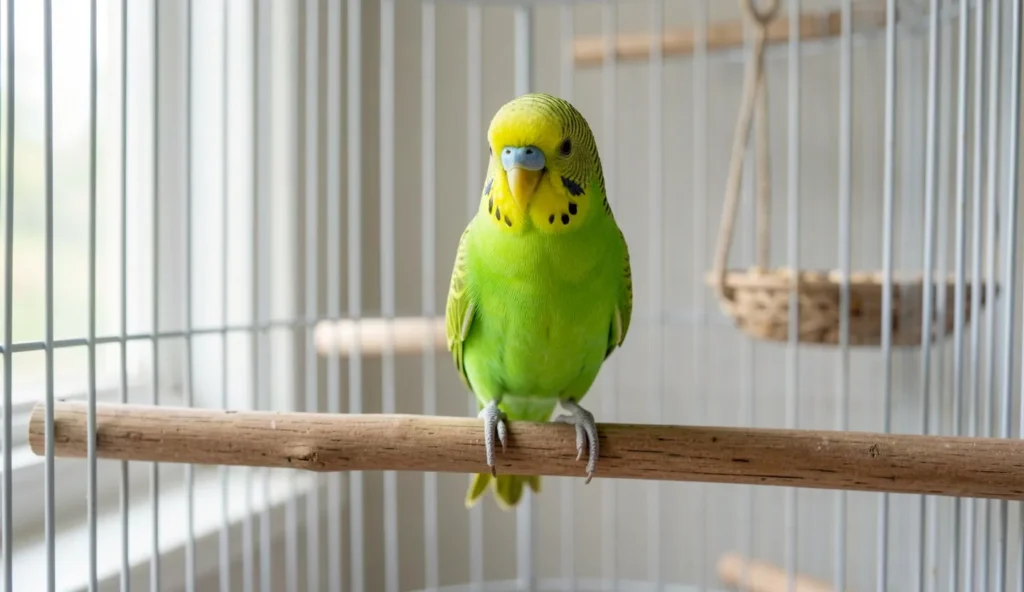
What Is a Budgie Parakeet
The Budgie Parakeet, also known as the Budgerigar or Melopsittacus undulatus, is a small parrot native to Australia. This bird lives in arid grasslands and open woodlands, where flocks travel together in search of food and water. The Budgie Parakeet is the most popular pet parrot worldwide because of its gentle nature, small size, and easy care requirements.
Origin and Natural Habitat
Wild budgies originate from the dry interior of Australia. They inhabit savannahs, scrublands, and grassy plains. In the wild, these birds form large flocks that can number in the hundreds. Their social structure is complex and relies on constant communication.
Why Budgies Are Great for Beginners
Budgies are small parakeets that need minimal space compared to larger parrots. A beginner bird owner can set up a suitable cage for under $100. These birds are affordable to maintain and relatively easy to tame. Their playful antics and cheerful chirping make them engaging companions for children and families. For those considering other small birds, lovebird parrots offer a similar level of affection and color variety.
Budgie Appearance and Physical Features
The Budgie Parakeet measures 18 to 20 centimeters (7 to 8 inches) in length and weighs 30 to 40 grams. Males and females look alike at first glance, but the cere – the fleshy area above the beak – reveals their sex. Males have a blue or purple cere, while females display a brown, tan, or white cere.
Size and Weight
These birds are lightweight and aerodynamic. Their long tail feathers account for nearly half their total length. A healthy budgie should feel firm and active, not plump or lethargic.
Color Mutations and Markings
The wild-type budgie is bright green with a yellow head and black barring on the wings and back. Captive breeding has produced dozens of color mutations. Common hues include blue, white, yellow, violet, and pied patterns. Feathers on the head and wings show distinctive scalloped markings. Unlike some rare parrots breeds, budgies are widely available in many color varieties.
Budgie Temperament and Personality
Budgies are extremely social birds that thrive on interaction. They bond strongly with their owners and enjoy being part of daily activities. A neglected budgie may become noisy or develop behavioral problems.
Social Nature and Bonding
In the wild, budgies live in flocks and rely on each other for safety. Pet budgies need daily human contact to remain tame. If an owner is away for long hours, keeping a pair is recommended. These birds communicate through chirps, whistles, and body language.
Talking Ability
Budgies can learn to mimic human speech, and males are generally better talkers than females. With patience and repetition, some budgies build a vocabulary of 20 to 30 words. For detailed speech training methods, refer to the Parrot Talking Training Tips guide. Clear pronunciation and short sessions produce the best results.
Budgie Exercise Requirements
Exercise is vital for a budgie’s physical and mental health. Without enough activity, these birds become overweight and depressed. Owners must provide daily opportunities for movement.
Flight Time and Out-of-Cage Play
Budgies require a minimum of one to two hours of supervised out-of-cage time each day. The room must be secured against open windows, ceiling fans, and other pets. Flying strengthens the chest muscles and keeps the respiratory system healthy.
Toys and Enrichment
Provide a variety of toys such as swings, ladders, bells, and foraging puzzles. Rotate these items weekly to prevent boredom. Budgies are curious and enjoy manipulating objects. Chewing toys also help keep their beaks trim.
Budgie Training for Beginners
Training a Budgie Parakeet is straightforward and rewarding. Start with simple steps and build trust gradually. Young birds learn faster, but older budgies can also be trained with patience.
Step-Up Training
Begin by offering millet spray through the cage bars. Once the bird eats near your hand, slowly move your finger inside as a perch. Use a calm voice and slow motions. Keep sessions short, five to ten minutes daily, and always end on a positive note.
Target Training and Tricks
Use a chopstick or target stick to guide the bird. Reward each touch with a small seed. Advanced tricks include turning around, fetching a ball, or waving. This mental stimulation deepens the bond between bird and owner. For other intelligent species, African grey parrots also excel at learning complex behaviors.
Budgie Grooming and Daily Care
Routine grooming keeps a budgie comfortable and healthy. Most tasks are simple and can be done at home with proper guidance.
Feather Care and Bathing
Budgies preen their feathers daily to keep them clean. Offer a shallow dish of lukewarm water two to three times per week for bathing. Alternatively, mist the bird with a spray bottle. Bathing helps remove dust and keeps the plumage in good condition.
Nail and Beak Maintenance
Nails grow continuously and may require trimming every four to six weeks. Provide cuttlebone and mineral blocks in the cage so the bird can wear down its beak naturally. If the nails become overgrown, a veterinarian can perform a safe trim.
Wing Clipping Considerations
Wing clipping is optional and prevents full flight. Only the primary flight feathers on one wing should be clipped to allow balance. This procedure is best done by an avian vet to avoid injury. Unclipped budgies need a bird-proof room during free time.
Budgie Diet and Nutrition
A balanced diet is the cornerstone of good health. The Budgie Parakeet requires a mix of pellets, seeds, fresh produce, and supplements.
Staple Foods: Pellets and Seeds
High-quality pellets should make up 70 to 80 percent of the daily diet. A seed mix can be offered as a supplement, but an all-seed diet leads to obesity and nutrient deficiencies. Always check the ingredient list for added vitamins.
Fresh Vegetables and Fruits
Offer dark leafy greens such as kale, spinach, and romaine lettuce every day. Small amounts of carrot, bell pepper, broccoli, and apple provide variety. Never feed avocado, chocolate, caffeine, or salty foods, as these are toxic to birds. Cockatiels parrots have similar dietary needs and can benefit from the same fresh food guidelines.
Treats and Supplements
Millet spray is a favorite treat and useful during training. Cuttlebone supplies calcium for strong bones and egg production. Fresh water must be available at all times and changed daily.
Common Health Issues in Budgies
Budgies are hardy birds, but they can develop health problems. Early detection improves outcomes. Regular observation of behavior and droppings is essential.
Respiratory Infections
Symptoms include sneezing, tail bobbing, nasal discharge, and labored breathing. Causes often include drafts, poor ventilation, or bacterial infection. Immediate veterinary care is required. Keeping the cage away from windows and air conditioners reduces risk.
Feather Plucking and Baldness
Feather plucking usually results from stress, boredom, or external parasites. Providing enrichment and checking for mites can resolve the issue. Chronic cases require an avian vet to rule out underlying diseases.
Obesity and Fatty Liver Disease
A high-fat seed diet combined with insufficient exercise leads to obesity. Affected birds become lethargic and may develop a swollen abdomen. Prevention involves a pellet-based diet and daily flight time. For more on overall pet health, see the Best Pet Breeds in the World – Top Friendly & Smart Pets article.
Egg Binding in Females
Egg binding occurs when a hen cannot pass an egg. Signs include straining, fluffed feathers, and drooping wings. This is a life-threatening emergency that requires veterinary intervention. Providing a calcium source and proper nesting conditions helps prevent it.
Is a Budgie Parakeet Right for You
Budgies make excellent pets for individuals and families who can commit to daily care. Their small size and cheerful demeanor fit many households. However, potential owners must consider time, budget, and environment.
Time Commitment and Social Needs
Budgies need at least an hour of direct interaction each day. Without attention, they may become noisy or develop feather-plucking habits. Owners who work long hours should consider keeping a pair so the birds can socialize with each other.
Allergies and Household Hazards
Budgies produce fine feather dust that can trigger allergies in sensitive individuals. Teflon cookware releases fumes that are lethal to birds. Cats and dogs must be supervised around the cage to prevent stress or injury.
Budget and Longevity
The initial cage setup costs between $100 and $300. Ongoing expenses include food, toys, and annual veterinary checkups. With proper care, a Budgie Parakeet lives five to ten years. Consider this commitment before bringing one home.
Frequently Asked Questions
How often should I clean my budgie’s cage?
Spot clean droppings daily, replace cage liner every other day, and perform a deep clean of all accessories once per week.
Can budgies live with other birds?
Budgies are social and can get along with other budgies, cockatiels, or finches with careful introduction. Avoid housing them with larger parrots that may bully them.
What temperature is safe for a budgie?
The ideal temperature range is 65 to 80 degrees Fahrenheit (18 to 27 degrees Celsius). Keep the cage away from drafts and direct sunlight.
How do I tell if my budgie is male or female?
Males have a blue or purple cere, while females have a brown, tan, or white cere. Juveniles of both sexes have pink ceres until about three months old.
Do budgies need a cuttlebone?
Yes, cuttlebone provides calcium for bone health and beak maintenance. Place it in the cage at all times. Mineral blocks are an alternative.
How can I teach my budgie to talk?
Start with simple words like “hello” or the bird’s name. Repeat the word clearly in a high-pitched voice. Reward any attempt with a treat. Short daily sessions produce the best results.
Final Note
A well-cared-for Budgie Parakeet brings years of joy with its affectionate personality and playful energy. Providing proper housing, nutrition, and daily attention will keep this small parakeet healthy and happy.