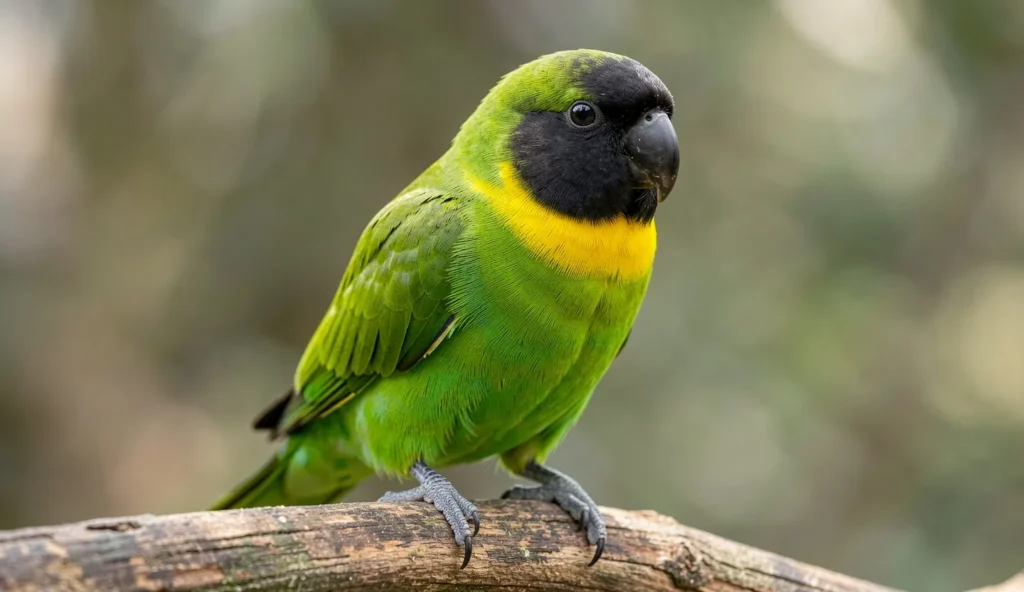
What Is a Masked Lovebird
The Masked Lovebird, also known as Agapornis personatus or the yellow-collared lovebird, is a small parrot native to northeastern Tanzania. This species is easily recognized by its black face, bright green body, and distinctive yellow collar around the neck. It belongs to the lovebird genus and is closely related to Fischer’s and peach-faced lovebirds. The Masked Lovebird stands out for its robust health compared to other small parrots, making it a popular choice among intermediate owners. Understanding the health needs of this bird is essential for providing proper care.
General Health Profile of Masked Lovebirds
Masked Lovebirds have an average lifespan of 12 to 20 years with proper care. They are naturally robust birds but are prone to specific health issues that owners must watch for. Activity level is a strong indicator of overall health. A healthy bird is active, vocal, and has smooth, glossy feathers. Any sudden change in energy or appearance warrants attention.
Common Health Issues in Masked Lovebirds
Feather Plucking and Self-Mutilation
Feather plucking is a common problem in Masked Lovebirds. Causes include boredom, stress, skin infections, or nutritional deficiencies. Treatment starts with environmental enrichment and a veterinary exam to rule out medical causes.
Respiratory Infections
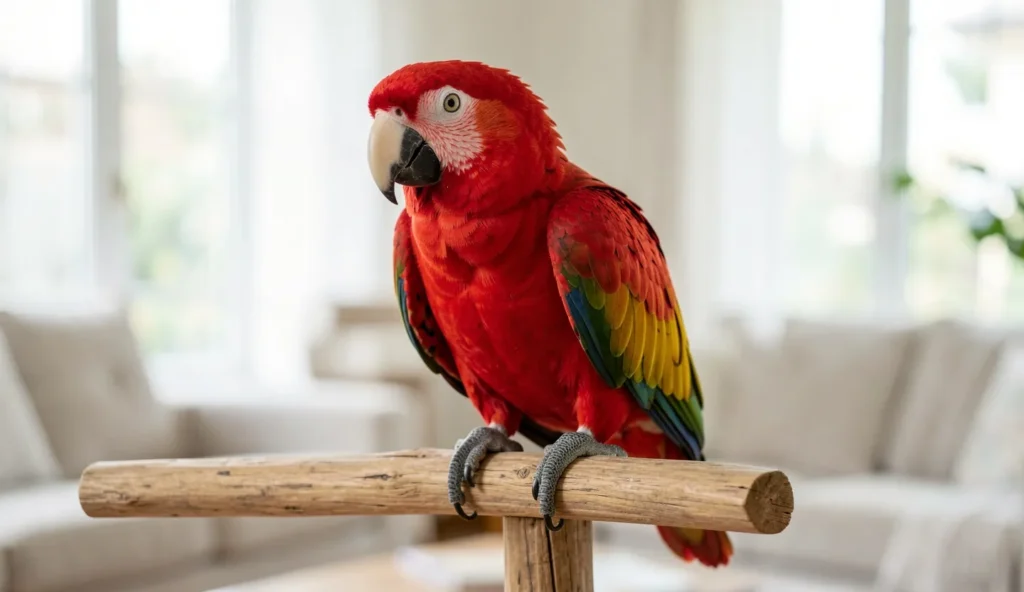
Symptoms of respiratory infections include sneezing, nasal discharge, and tail bobbing. These infections are caused by bacteria, fungi, or poor air quality. Prompt veterinary treatment is essential because birds deteriorate quickly. Similar respiratory issues affect other parrots like the Scarlet Macaw.
Egg Binding in Females
Egg binding occurs in breeding or overstimulated females. Signs include straining, lethargy, and a swollen abdomen. This condition is a veterinary emergency requiring immediate intervention.
Psittacosis (Parrot Fever)
Psittacosis is a zoonotic bacterial infection caused by Chlamydia psittaci. Symptoms include lethargy, ruffled feathers, and green droppings. Treatment requires antibiotics and quarantine to prevent spread to other birds. Owners should be aware that this disease is transmissible to humans.
Gastrointestinal Problems
Crop stasis, diarrhea, and regurgitation are common gastrointestinal issues. They are often linked to poor diet or bacterial overgrowth. Dietary correction and medication are the standard treatments.
How to Prevent Health Problems
Diet and Nutrition
Pellets should form 70 to 80 percent of a Masked Lovebird’s daily intake. Fresh vegetables and occasional fruit add variety. Avoid avocado, chocolate, and high-fat seeds. A balanced diet directly supports disease prevention and overall lovebird health.
Cage Hygiene and Environment
Clean food and water bowls daily. Replace cage liner every two to three days. Maintain a temperature between 65 and 80 degrees Fahrenheit with no drafts. Good hygiene reduces the risk of infections.
Mental Stimulation and Exercise
Provide foraging toys and chewable items. Allow supervised out-of-cage time daily. Social interaction reduces stress and prevents behavioral problems like feather plucking. Parrots such as the Blue and Gold Macaw also benefit from similar enrichment.
Recognizing Signs of Illness
Behavioral Changes
Lethargy or decreased activity is a key warning sign. Fluffed feathers for prolonged periods suggest a bird is not well. Loss of appetite or increased thirst should prompt a vet visit.
Physical Symptoms
Changes in droppings, such as color, consistency, or frequency, indicate illness. Eye or nasal discharge and abnormal breathing sounds are serious. Tail bobbing while breathing is a common sign of respiratory distress.
Veterinary Care for Masked Lovebirds
Locate a certified avian veterinarian before acquiring a Masked Lovebird. Schedule annual wellness exams that include blood work to catch issues early. Emergency signs requiring immediate vet care include blood, collapse, or severe lethargy. Many small parrots, including the Budgie Parakeet, require routine checkups to maintain health.
Diet and Nutrition for a Healthy Masked Lovebird
A high-quality pelleted diet should form the base. Supplement with dark leafy greens, carrots, and bell peppers. Limit fruit due to sugar content. Provide cuttlebone or a mineral block for calcium. Proper nutrition is the foundation of masked lovebird care and long-term health.
Is a Masked Lovebird Right for You
Masked Lovebirds require daily attention and a consistent routine. They cannot be left alone for long periods without risk of stress or illness. Owners must commit to a lifelong responsibility that includes potential health costs. Those who enjoy interacting with energetic birds will find this species rewarding. For more information on lovebird care, explore the Lovebird Parrots guide. Another valuable resource is the Military Macaw health article for comparative insights.
FAQs: Masked Lovebird Health
How long do masked lovebirds live?
Masked lovebirds typically live 12 to 20 years with proper care. Diet, housing, and veterinary attention significantly affect lifespan.
What are common signs of illness in masked lovebirds?
Look for fluffed feathers, lethargy, changes in droppings, and loss of appetite. Behavioral changes such as excessive sleeping or irritability are also warning signs.
Can masked lovebirds catch colds?
Birds do not catch human colds but can develop respiratory infections from bacteria or drafts. Symptoms include sneezing, nasal discharge, and wheezing.
How often should a masked lovebird see a vet?
Annual wellness exams are recommended for early detection of health issues. A vet visit is needed immediately if any signs of illness appear.
What causes feather plucking in masked lovebirds?
Feather plucking can result from boredom, stress, skin parasites, or nutritional deficiencies. A vet should examine the bird to rule out medical causes first.
Are masked lovebirds prone to egg binding?
Yes, female masked lovebirds can experience egg binding, especially if overfed or lacking calcium. Immediate veterinary intervention is required if a hen is straining to lay.
Final Note
With attentive care and early intervention, Masked Lovebirds can live long and healthy lives. Prioritize routine vet visits, proper nutrition, and a stimulating environment to enjoy many happy years with this beautiful small parrot.