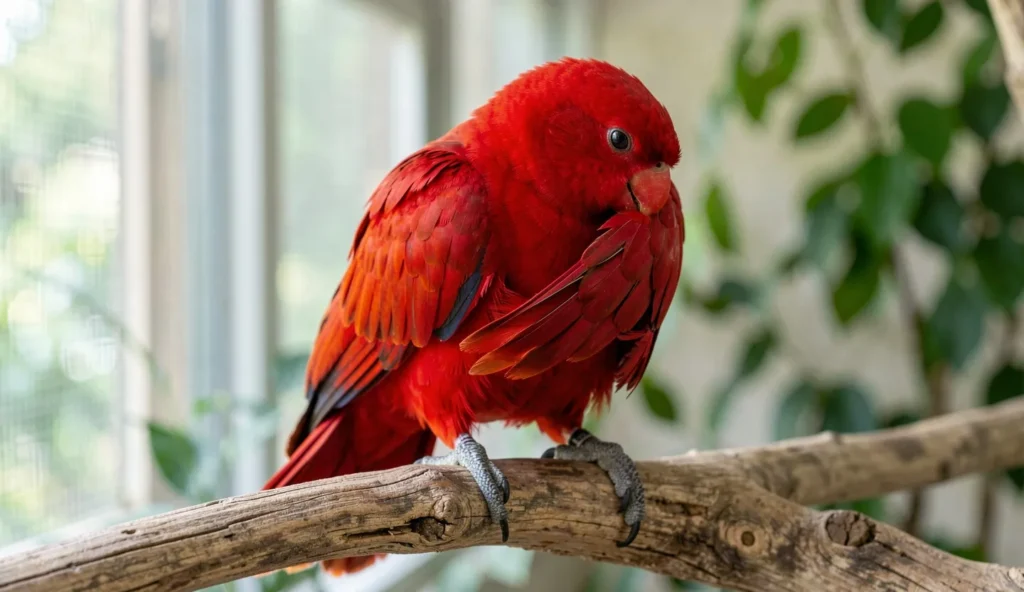
What Is a Red Lory
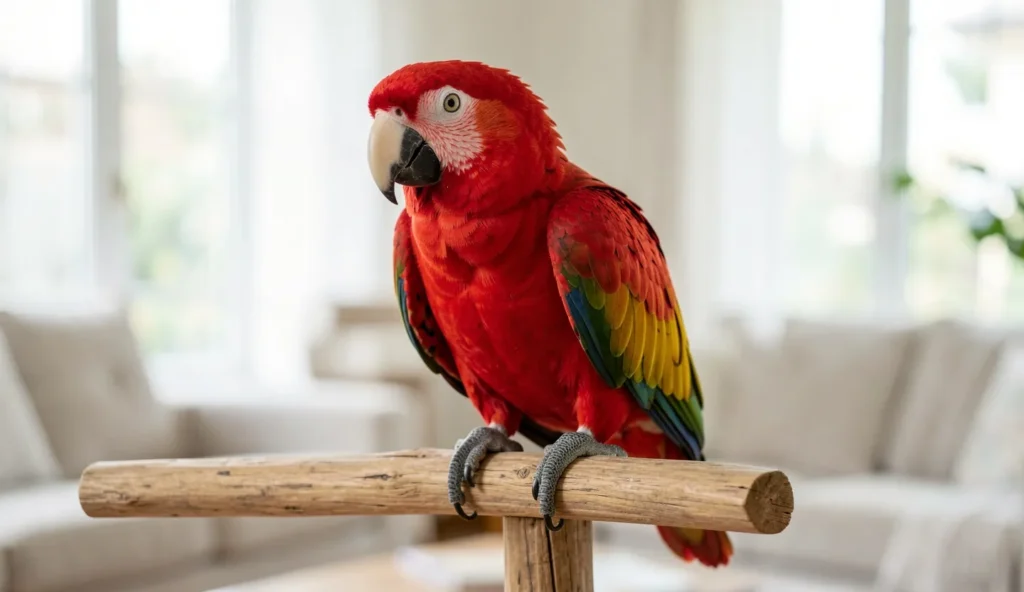
The Red Lory, scientifically named Eos bornea, is a vibrant small parrot native to the tropical islands of Indonesia. This species stands out with its brilliant red plumage that covers nearly the entire body. Intermediate owners seeking an active and colorful companion often consider the Red Lory for its engaging personality and striking appearance. Unlike larger parrots such as the Scarlet Macaw, the Red Lory remains a compact bird ideal for dedicated owners.
Appearance and Physical Features
The Red Lory measures approximately 30 centimeters in length, making it one of the smaller members of the lory family. Its feathers are a deep, uniform red that can appear almost glossy under direct light. The beak is a bright orange, and the feet are greyish with a hint of blue. This bird has no prominent color variations, but some individuals may display slight orange or yellow undertones on the wing coverts.
Temperament and Personality
Red Lories are highly social and intelligent birds that require daily interaction to remain happy. They are known for their playful antics and can learn simple tricks with consistent training. Their vocalizations include a range of whistles and chattering, but they are not as loud as larger parrots. Similar to Lovebird Parrots, the Red Lory thrives on social interaction and can become bonded to its caretaker.
Housing and Habitat Requirements
Cage Size and Setup
The minimum cage size for a Red Lory is 24 x 24 x 36 inches. Bar spacing should be no wider than 3/4 inch to prevent injury or escape. Horizontal bars are preferred because they encourage climbing and exercise.
- Minimum dimensions 24 x 24 x 36 inches
- Bar spacing no wider than 3/4 inch
- Horizontal bars for climbing
Location and Environment
Place the cage in a draft-free area with indirect sunlight for several hours daily. The ideal temperature range for a Red Lory is between 70 and 80 degrees Fahrenheit. Humidity levels should stay around 50 to 70 percent to mimic its natural Indonesian habitat.
- Draft-free location with indirect sunlight
- Ideal temperature 70-80°F
- Humidity 50-70%
Perches and Enrichment
Use natural wood perches of varying diameters to promote foot health and exercise. Provide foraging toys, chew items, and puzzle feeders to keep the bird mentally stimulated. Rotate toys weekly to prevent boredom. For further insight into rare parrot species with specialized needs, explore rare parrots breeds to understand the diversity of care requirements.
- Natural wood perches of different diameters
- Foraging toys and chew items
- Rotate toys weekly
Grooming and Feather Care
Bathing Routines
Red Lories require regular bathing to maintain their vibrant plumage and skin health. Offer a shallow dish of lukewarm water daily, or mist the bird with a clean spray bottle. Most lories enjoy bathing several times a week.
- Offer shallow dish of lukewarm water daily
- Mist spraying with clean spray bottle
- Bathe 3-4 times per week
Nail and Beak Care
Trim nails every 4 to 6 weeks using proper bird nail clippers. Provide a cuttlebone or mineral block to help maintain beak health and natural wear. Consult an avian vet for the first trimming demonstration to avoid injury.
- Trim nails every 4-6 weeks
- Provide cuttlebone or mineral block
- Consult avian vet for guidance
Molting Support
During molting, increase room humidity to ease feather shedding and reduce stress. Offer extra protein sources such as a small amount of cooked egg. Avoid handling new pin feathers because they are sensitive and can cause pain.
- Increase humidity during molt
- Offer extra protein like cooked egg
- Avoid handling new pin feathers
Diet and Nutrition
The Red Lory requires a specialized nectar-based diet low in iron. Commercial lory formulas are available and should form the basis of daily feeding. Fresh fruits such as apples, pears, and berries can be offered in moderation. Vegetables like carrots and leafy greens add variety. The Spotted Ground Parrot, another unique species, also requires a specialized diet that differs from standard seed mixes. Never feed seeds, as they are too high in fat and iron for a lory.
Common Health Issues
Feather plucking is a frequent problem in Red Lories, often caused by boredom, stress, or dietary deficiencies. Fungal infections can develop in humid environments if the cage is not cleaned regularly. Iron storage disease is a serious risk because lories absorb iron efficiently from their diet. Owners should monitor for signs of disease common in the Rarest Parrot Breeds in the World, though the Red Lory is generally hardy with proper care.
Is a Red Lory Right for You
Owning a Red Lory requires a significant time commitment for daily socialization and cleaning. Their liquid nectar diet creates more mess than a typical seed-based parrot diet. Owners must be prepared to provide a spacious enclosure, regular baths, and a specialized low-iron diet. This bird is best suited for intermediate or experienced bird owners who can meet its specific needs.
Frequently Asked Questions
How often should I bathe my Red Lory?
Bathing 3 to 4 times per week helps maintain feather condition and hygiene. Use lukewarm water in a shallow dish or a gentle mist spray.
What is the best cage size for a Red Lory?
Minimum dimensions are 24 x 24 x 36 inches. Horizontal bars are preferred for climbing and exercise.
Do Red Lories need special lighting?
Yes, full-spectrum UVB lighting for 10 to 12 hours daily supports vitamin D production. Place the light 12 to 18 inches above the cage.
Why is my Red Lory plucking feathers?
Common triggers include boredom, stress, dietary deficiencies, or skin irritation. Provide enrichment and check with an avian vet to rule out medical issues.
Can Red Lories eat regular parrot seed mix?
No, Red Lories require a specialized nectar-based diet low in iron. Offer commercial lory formula, fresh fruits, and occasional vegetables.
How long do Red Lories live?
With proper care, captive Red Lories typically live 20 to 30 years. Diet, habitat, and regular vet checkups strongly influence lifespan.
Final Note
Providing a proper habitat and consistent grooming routine allows a Red Lory to thrive and display its brilliant red feathers. With dedicated care, this Indonesian parrot rewards owners with years of lively companionship and stunning beauty.