What Is a Scarlet Macaw
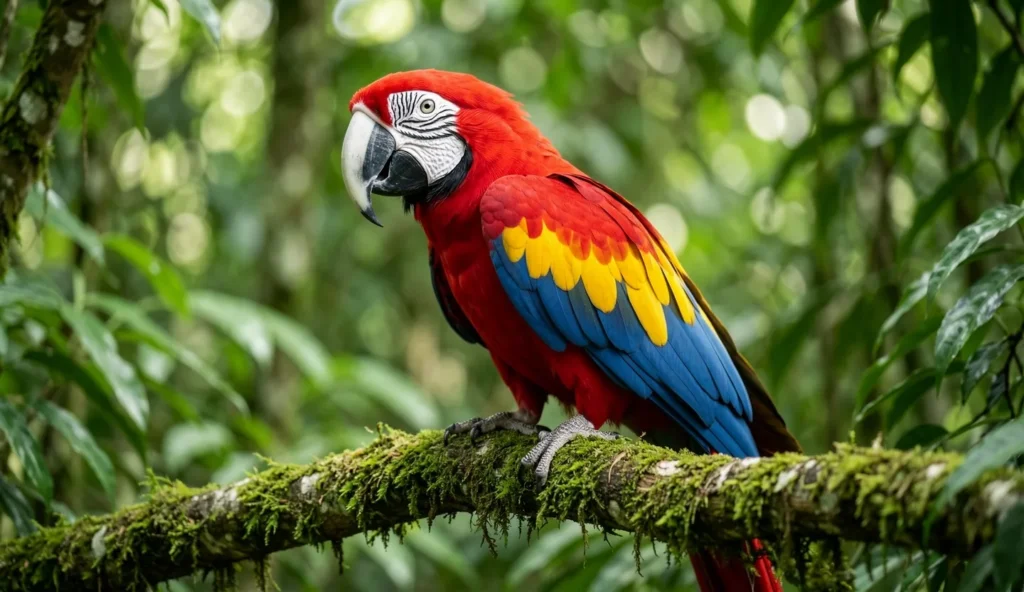
The Scarlet Macaw is a large, vividly colored parrot native to the humid evergreen forests of Central and South America. Known scientifically as Ara macao, this species is one of the most recognizable macaw parrots due to its brilliant red, yellow, and blue plumage. Its striking appearance and intelligent personality make it a popular choice among experienced bird keepers.
Origin and Natural Habitat
Scarlet Macaws inhabit lowland rainforests and riverine areas from southern Mexico through Central America to Bolivia and Brazil. They prefer tall canopy trees for roosting and nesting. These birds are highly adapted to life in dense tropical forests.
Scientific Classification
- Scientific name: Ara macao
- Family: Psittacidae
- Two recognized subspecies: Ara macao macao and Ara macao cyanoptera
Appearance and Physical Features
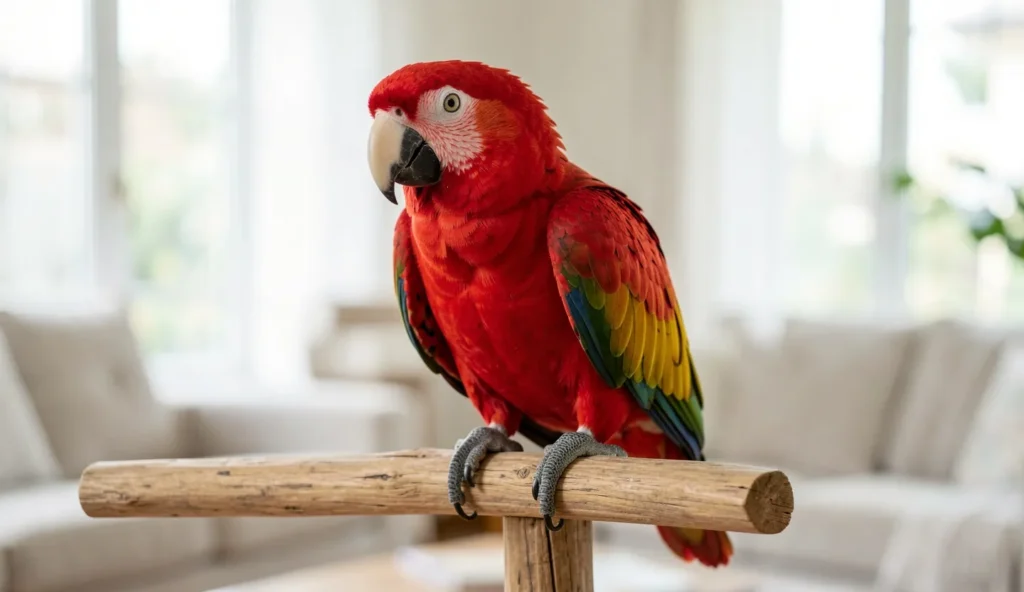
The Scarlet Macaw is one of the most visually striking parrots in the world. Its bright red body is complemented by yellow and blue patches on the wings and a white face with black feather lines. Unlike smaller lovebird parrots, this species is large and imposing.
Plumage and Coloration
The body is mostly bright red, with yellow and blue upperwing coverts. The tail feathers are long and pointed, adding to the bird’s dramatic silhouette. The face has a bare white patch with fine black lines that are unique to each individual.
Size and Weight
- Length: 81 to 96 cm (32 to 38 inches)
- Wingspan: up to 120 cm (47 inches)
- Weight: 900 to 1,500 grams
Sexual Dimorphism
Males and females look identical to the naked eye. DNA sexing or endoscopy is required for accurate sex determination. On average, females may be slightly smaller in size.
Temperament and Personality
Scarlet Macaws are highly social and form strong bonds with their owners. Their intelligence rivals that of african grey parrots, and they require consistent interaction to remain well-adjusted. Without proper socialization, they can become one-person birds.
Social and Affectionate Nature
These birds thrive on daily interaction and attention. They bond deeply with their primary caregiver. Early socialization with multiple people helps prevent territorial behavior.
Intelligence and Curiosity
Scarlet Macaws are extremely intelligent and learn tricks quickly. They need mental stimulation to avoid destructive behaviors like excessive chewing. Many individuals can solve puzzles and mimic human speech.
Noise Level and Vocalizations
This species is naturally loud, using squawks, screams, and screeches to communicate. Vocalization is a normal part of their behavior. Potential noise may be unsuitable for apartments or noise-sensitive homes.
Exercise Requirements
Physical activity is essential for Scarlet Macaw health. These birds need plenty of space to stretch their wings and climb. A sedentary lifestyle leads to obesity and behavioral problems.
Daily Out-of-Cage Time
Provide at least 2 hours of supervised time outside the cage each day. A play gym or bird-safe room allows for safe exploration. Flighted birds benefit from flying in a secure indoor area.
Toys and Foraging Activities
- Offer destructible toys made of wood, leather, and cardboard
- Foraging toys encourage natural search behaviors
- Rotate toys weekly to maintain interest
Training Tips for Scarlet Macaws
Positive reinforcement works best for this intelligent species. Short, consistent sessions build trust and prevent frustration. Training also strengthens the bond between bird and owner.
Basic Obedience and Step-Up
Use treats and verbal praise as rewards. Teach the step-up command early to establish a foundation. Keep sessions to 10–15 minutes for optimal focus.
Trick Training and Mental Enrichment
Simple tricks like turn around or wave provide mental stimulation. Trick training deepens the relationship between bird and owner. Always end training on a positive note.
Addressing Unwanted Behaviors
Do not punish screaming; instead, ignore and redirect the bird. Provide alternative outlets for chewing and biting. Consistency among all family members is critical for success.
Grooming and Care Tips
Regular grooming keeps a Scarlet Macaw healthy and comfortable. Bathing, nail trimming, and beak care are all part of routine maintenance. Most birds accept these tasks with patient handling.
Bathing and Feather Maintenance
Offer a shallow dish of water or mist the bird with a spray bottle. Bathing 2–3 times per week keeps feathers and skin in good condition. This also reduces dust and dander.
Nail and Beak Care
Trim nails every 4–6 weeks using proper bird nail clippers. Provide cuttlebone and mineral blocks for beak wear. If unsure, seek help from a professional groomer or avian veterinarian.
Wing Clipping Considerations
Wing clipping is optional and should be discussed with an avian vet. Clipped birds cannot fly but may still glide short distances. Fully flighted birds require a safe, enclosed space to prevent escape.
Diet and Nutrition
A balanced diet is fundamental to Scarlet Macaw health. In the wild, they eat fruits, nuts, seeds, leaves, and flowers. Owners must replicate this variety in captivity.
Base Diet: Pellets and Seeds
High-quality pellets should make up 60–70% of the diet. Seed mixes alone are too high in fat and low in essential nutrients. Avoid all-seed diets, which lead to obesity and deficiencies.
Fresh Fruits and Vegetables
Offer dark leafy greens, carrots, bell peppers, and other vegetables daily. Fruits like apple, mango, and papaya can be given in moderation. When introducing new foods, consult resources on Can Parrots Eat Human Food Safely to avoid toxic items.
Water and Supplements
Fresh, clean water must be available at all times. Calcium and vitamin D3 supplements may be needed for breeding birds. Always consult an avian veterinarian before adding any supplements.
Common Health Issues in Scarlet Macaws
Scarlet Macaws are susceptible to several diseases. Early detection and preventive care improve outcomes. Regular veterinary checkups are essential.
Macaw Wasting Disease (Proventricular Dilatation Disease)
This viral disease affects the nervous system and digestive tract. Symptoms include weight loss, regurgitation, and undigested food in droppings. No cure exists; management focuses on supportive care.
Feather Plucking and Self-Mutilation
Feather plucking often stems from boredom, stress, or medical problems. Provide enrichment and check for parasites or infections. A veterinary workup is needed to rule out physical causes.
Respiratory Infections
Symptoms include sneezing, nasal discharge, and labored breathing. Bacteria, fungi, or poor air quality can cause these infections. Immediate veterinary attention is required.
Obesity and Fatty Liver Disease
High-fat diets and lack of exercise lead to obesity and fatty liver disease. Prevent these conditions with a balanced pellet diet and daily activity. Regular weight monitoring helps catch early changes.
Is a Scarlet Macaw Right for You
Owning a Scarlet Macaw is a long-term commitment that requires substantial resources. Prospective owners should research other species, including rare parrots breeds, to find the best match for their lifestyle. These birds are best suited for intermediate to advanced keepers.
Lifespan and Long-Term Commitment
Scarlet Macaws can live 40 to 75 years in captivity. Ownership may outlast the owner’s lifetime, so plan for inheritance. Rehoming is stressful; adopt only if you can commit for decades.
Space and Enclosure Requirements
- Minimum cage size: 120 cm wide x 120 cm deep x 180 cm tall
- Cage must be powder-coated metal, not zinc or lead
- A dedicated bird room or aviary is ideal
Time and Social Needs
These birds require several hours of interaction every day. Neglect leads to behavioral problems and depression. This species is best for owners who work from home or have flexible schedules.
Frequently Asked Questions
How long do Scarlet Macaws live in captivity?
They can live between 40 and 75 years with proper care. Some individuals have been known to live into their 80s.
Can Scarlet Macaws talk?
Yes, they can mimic human speech and learn a vocabulary of up to 20 words. Talking ability varies by individual and training consistency.
What size cage does a Scarlet Macaw need?
Minimum cage size is 120 cm wide x 120 cm deep x 180 cm tall. Larger is always better, and an aviary is preferred.
Are Scarlet Macaws good for beginners?
No, they are best suited for intermediate to advanced bird keepers. Their size, noise level, and social demands require experience.
What do Scarlet Macaws eat in the wild?
Wild Scarlet Macaws eat fruits, nuts, seeds, leaves, and flowers. They also consume clay from riverbanks to detoxify certain seeds.
Do Scarlet Macaws need a companion?
They are highly social and thrive with daily interaction from their owner. A second macaw can provide companionship but also increases care demands.
Final Note
Scarlet Macaws are magnificent birds that reward dedicated owners with decades of companionship. Prepare thoroughly and commit fully to provide a fulfilling life for this remarkable Central American parrot.