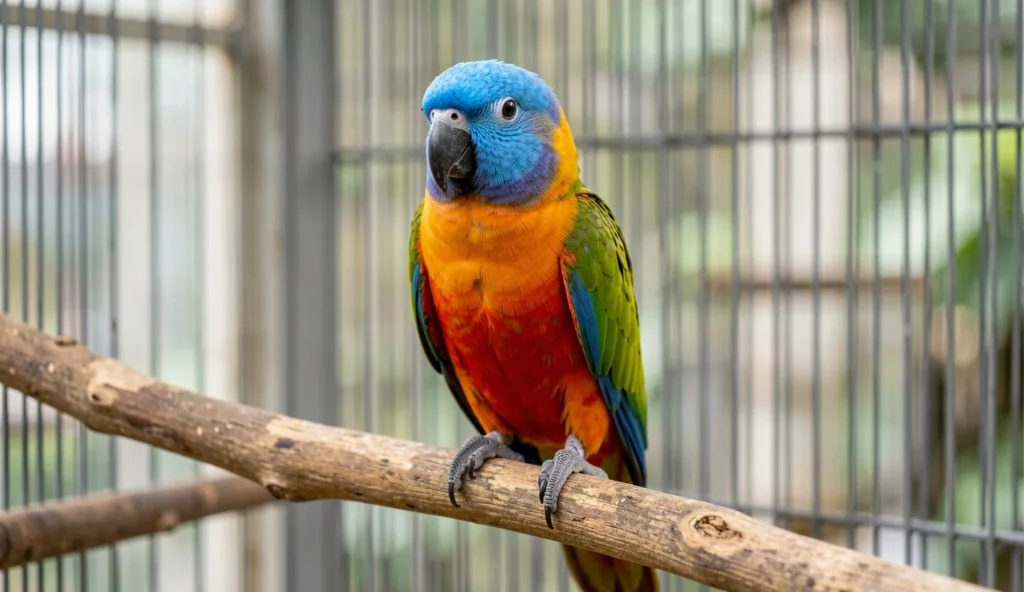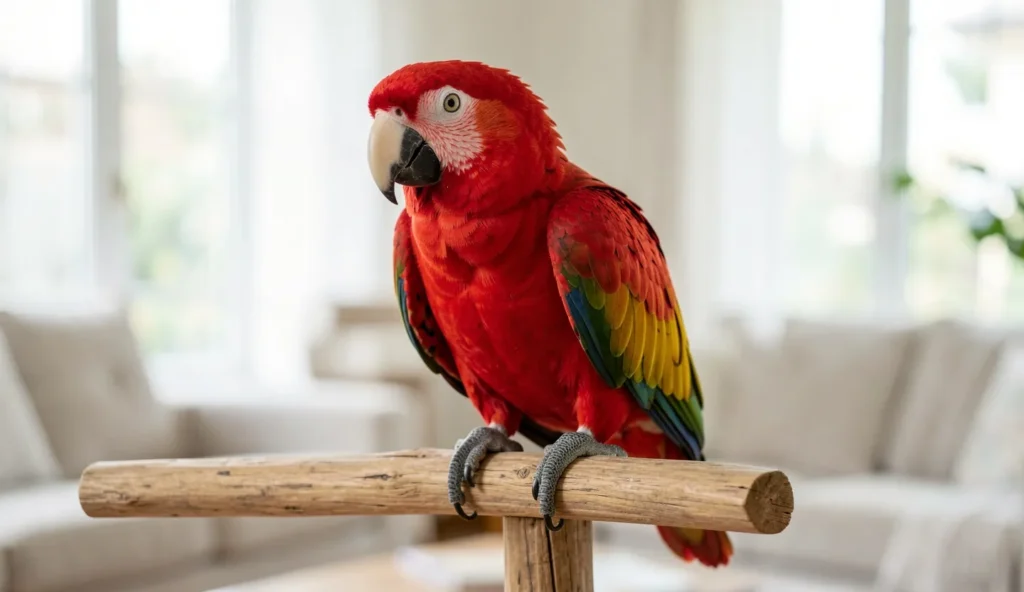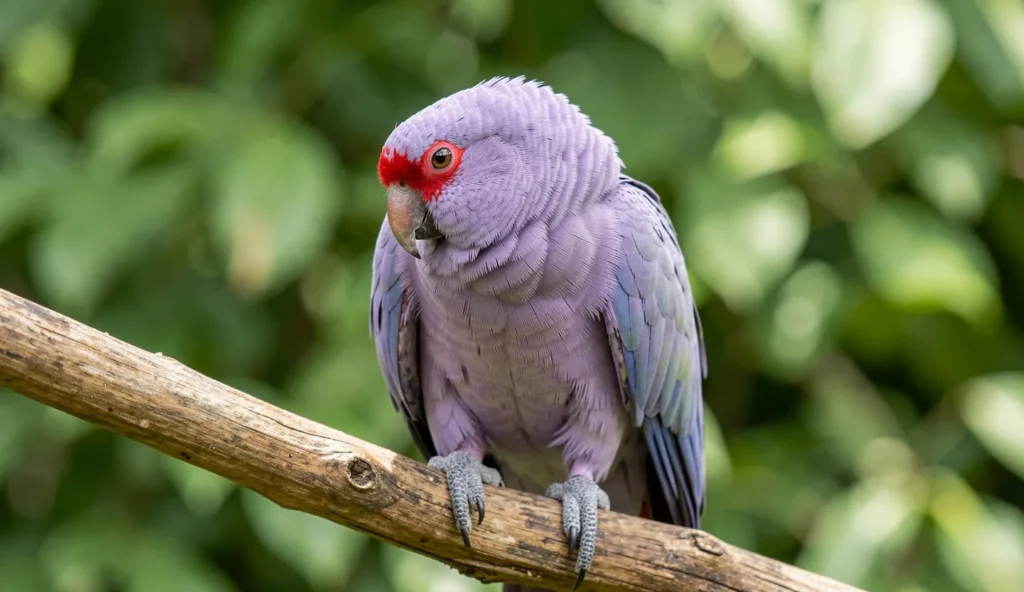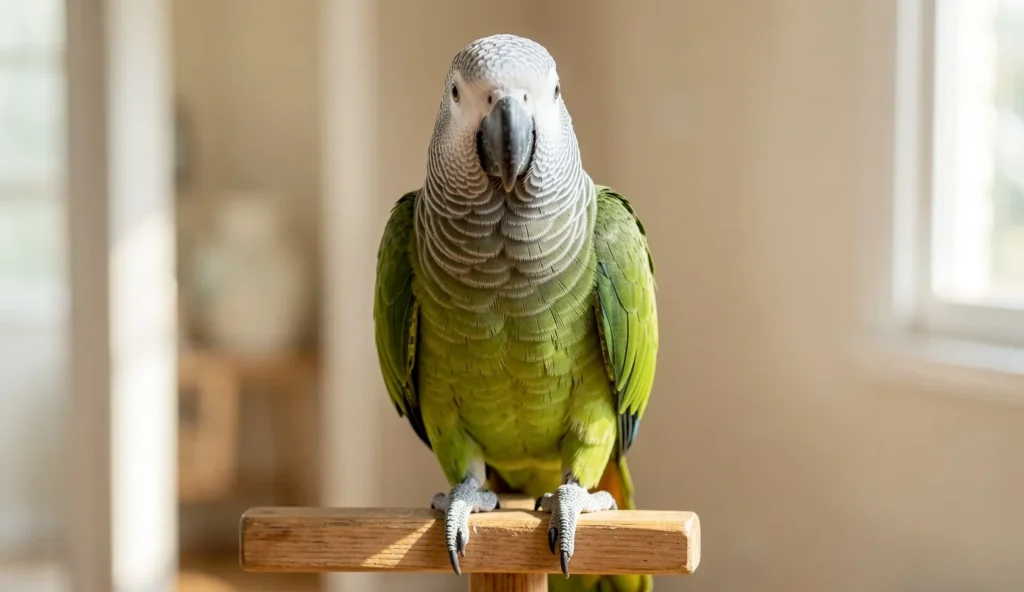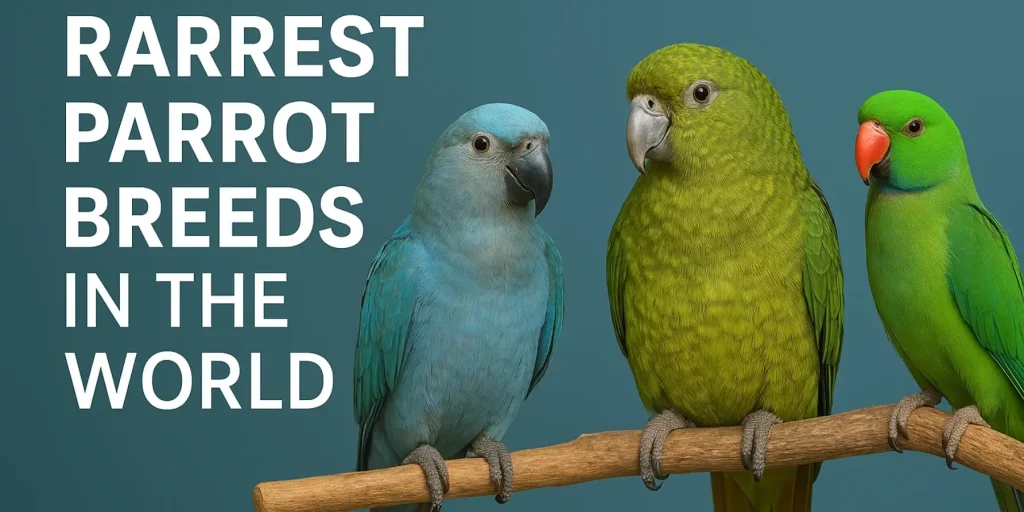
Parrots are known for their bright colors, intelligence, and charming personalities, but some species are so rare that they teeter on the edge of extinction. While many species are common and familiar, some are incredibly rare, with populations numbering in the hundreds or even fewer. These rare parrots are not only beautiful but also important to their natural environments, acting as key seed dispersers in tropical forests. In this article, you will learn about the rarest parrot breeds in the world, what makes them unique, and how people around the world are helping to protect them through dedicated conservation programs.
1. Spix’s Macaw
The Spix’s Macaw is often called the “Little Blue Macaw.” It is one of the rarest parrots in the world. This bird is native to Brazil and was once believed to be extinct in the wild. Thanks to global breeding and reintroduction programs, some birds are now being released back into their natural habitat. The Spix’s Macaw is a symbol of hope for endangered species everywhere. For a complete list of similarly rare species, explore our guide to rare parrots breeds from around the globe.
2. Kakapo
The Kakapo, also known as the “Owl Parrot,” is a large, flightless bird from New Zealand. It is nocturnal and has a friendly nature. Sadly, only around 200 Kakapos remain. Conservation teams watch over every bird carefully to protect it from predators and habitat loss. The Kakapo’s story shows how strong conservation efforts can make a real difference. You can learn more about this unique species in our dedicated kakapo parrot profile.
3. Lear’s Macaw
Lear’s Macaw, or the Indigo Macaw, is a stunning blue parrot found in northeastern Brazil. It faced near extinction because of illegal trapping and deforestation. Conservation groups and local communities have joined forces to protect their nesting sites. Today, the population is slowly increasing, showing that teamwork can help save wildlife. This species is part of the larger family of macaw parrots, many of which face similar threats in the wild.
4. Philippine Cockatoo
The Philippine Cockatoo, also known as the Red-Vented Cockatoo, is a beautiful white parrot with red tail feathers. It is critically endangered and found only in the Philippines. Habitat destruction and illegal trading have reduced its numbers, but ongoing community-led projects are helping protect its forests and breeding areas. For more on related species, read about cockatoos the enchanting world of these charismatic parrots.
5. Pesquet’s Parrot
Pesquet’s Parrot, sometimes called the Dracula Parrot, lives in the rainforests of New Guinea. It has striking black feathers and bright red wings. Unlike most parrots, it feeds mainly on figs, which helps trees spread their seeds. This parrot is threatened by hunting and forest loss, making protection efforts very important.
6. Blue-Throated Macaw
The Blue-Throated Macaw is native to Bolivia and stands out for its turquoise and golden feathers. It is one of the rarest macaws in the world. Habitat loss and the pet trade almost wiped out its population, but rescue programs have helped it recover slowly. Education campaigns now teach people how to protect this beautiful bird.
7. Red-and-Blue Lory
The Red-and-Blue Lory comes from Indonesia’s Talaud Islands. It has brilliant red and blue feathers that make it easy to recognize. Its population has dropped because of forest loss, but conservationists are working with residents to save its natural habitat. Together, they are creating a safer future for this colorful species.
Why Are These Parrots So Rare?
These parrots are rare for many reasons. The biggest threats are habitat destruction, illegal wildlife trade, and climate change. Some parrots reproduce slowly, which makes it harder for their populations to grow again. By protecting forests and reducing the demand for wild birds, people can help these species survive. The same threats affect many other rare wild animals breeds across the planet.
Conservation Efforts Around the World
Many organizations and communities are working to protect endangered parrots. They build safe breeding centers, restore damaged forests, and teach people the importance of wildlife protection. Groups such as BirdLife International and the World Parrot Trust are leading these efforts. Their work shows that global cooperation can make a big difference. For example, the recovery of the Spix’s Macaw through captive breeding has become a model for other reintroduction programs worldwide.
How You Can Help
Everyone can help protect rare parrots. You can support conservation charities, avoid buying wild-caught birds, and share information about endangered species. Choosing eco-friendly products and reducing plastic use also helps keep natural habitats clean and healthy. Every small action adds up when people work together for a good cause. Even something as simple as spreading awareness about the plight of the spotted ground parrot a fascinating avian species can make a difference.
Conclusion
The rarest parrot breeds in the world remind us how precious and fragile nature is. Each parrot, from the Spix’s Macaw to the Kakapo, tells a story of survival and hope. By learning about them and supporting conservation projects, people everywhere can help keep these beautiful birds safe for future generations. The ongoing success of breeding programs and habitat protection efforts proves that with enough dedication, even the most endangered species can be given a second chance.
Frequently Asked Questions
Which parrot is the rarest in the world?
The Spix’s Macaw is often considered the rarest parrot in the world. After years of being extinct in the wild, it has now been reintroduced through breeding programs.
How many Kakapos are left today?
There are fewer than 250 Kakapos left. Conservation teams in New Zealand are protecting them and helping their population grow.
Can rare parrots be kept as pets?
No. Most rare parrots are protected by law. Instead of keeping them as pets, people can support sanctuaries and conservation projects.
Why is parrot conservation important?
Parrots help maintain healthy forests by spreading seeds and supporting plant growth. Protecting them keeps ecosystems strong and balanced.
Are there any successful parrot recovery programs?
Yes. Programs in Brazil and Bolivia have helped species like the Spix’s Macaw and Blue-Throated Macaw recover through breeding and habitat restoration.