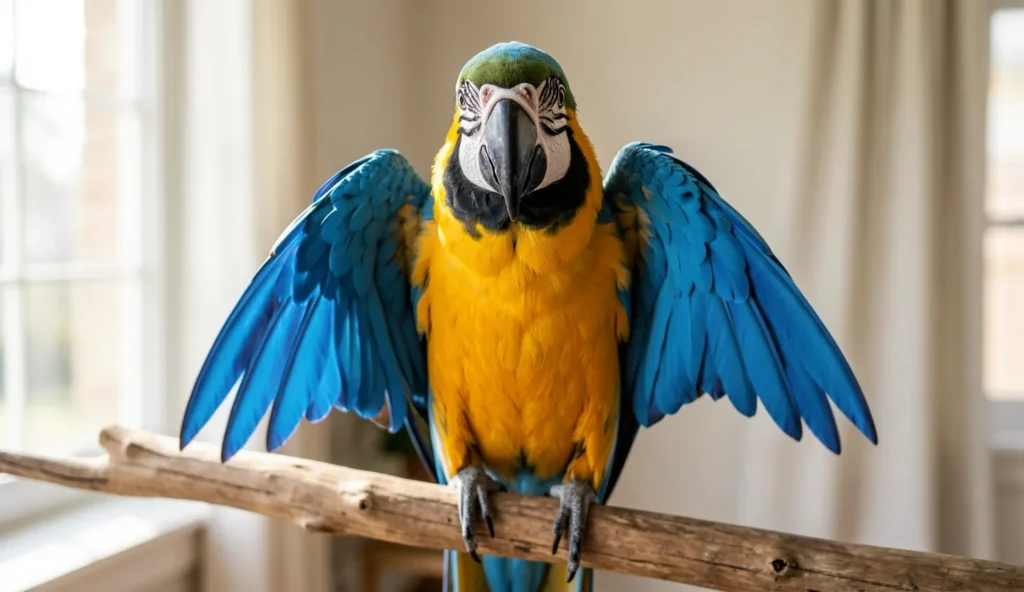
What Is a Blue and Gold Macaw
The Blue and Gold Macaw, also known as the Blue-and-yellow macaw or Ara ararauna, is a large parrot native to South America. Its striking blue and golden plumage makes it one of the most recognizable parrot species. This guide covers the personality, training tips, and complete care requirements for this intelligent and vocal bird.
This species belongs to the group of macaw parrots, which are known for their size and intelligence. The Blue and Gold Macaw is a bold and social bird that forms strong bonds with its human caregivers. Proper care and training are essential to ensure a long, healthy life.
Origin and Habitat
The Blue and Gold Macaw naturally inhabits tropical forests, savannas, and swamps of South America. Countries like Brazil, Peru, and Bolivia host wild populations. These birds live in flocks and rely on loud vocalizations to communicate over long distances.
Appearance and Physical Features
Size and Weight
Adults reach 30 to 36 inches in length from head to tail. Their weight ranges from 900 to 1300 grams. The wingspan of a Blue and Gold Macaw measures 40 to 45 inches.
Color Patterns and Markings
The Blue and Gold Macaw displays bright blue wings and a long tail. The chest and underparts are golden yellow. A green forehead gradually blends into blue on the crown. The face features a white patch with black chin lines. The beak is black, and legs are grey.
Sexual Dimorphism
Males and females look identical in plumage and size. DNA sexing is the only reliable method to determine sex. No visual differences exist between the genders.
Blue and Gold Macaw Temperament
Intelligence and Problem Solving
The Blue and Gold Macaw ranks among the most intelligent parrot species. These birds can learn tricks, solve puzzles, and manipulate objects. They require constant mental stimulation to prevent boredom. In problem-solving ability, they rival african grey parrots.
Social and Affectionate Nature
This macaw forms a strong bond with its primary caregiver. It enjoys cuddling, head scratches, and physical contact. Without proper socialization, it may become jealous or territorial. Early exposure to different people and situations reduces possessiveness.
Vocalizations and Noise Level
The Blue and Gold Macaw is one of the loudest parrots. Its natural screams carry over long distances and can reach up to 105 decibels. These calls serve as communication within flocks. The bird can learn to mimic speech but articulation is less clear than that of smaller parrots.
Potential Behavioral Issues
Feather plucking often results from stress, boredom, or loneliness. Biting occurs when the bird feels scared or mistreated. Destructive chewing of furniture, wires, and toys is common. Providing plenty of enrichment and a consistent routine minimizes these problems.
Exercise Requirements for a Blue and Gold Macaw
Daily Out of Cage Time
A Blue and Gold Macaw needs a minimum of 2 to 3 hours of supervised out of cage time each day. Flighted birds benefit from free flight in a safe, enclosed room. This time should include climbing, foraging, and interactive play.
Toys and Enrichment
Provide shreddable toys made of paper, wood, and leather. Puzzle feeders encourage natural foraging behavior. Stainless steel bells, rope perches, and swings add variety. Rotate toys weekly to maintain interest.
Safe Spaces and Perches
The cage must allow full wing stretch without obstruction. Place multiple perches at different heights using varied materials like manzanita or sisal. A play gym or tree stand outside the cage offers additional exercise opportunities.
Training Your Blue and Gold Macaw
Basic Positive Reinforcement Techniques
Use high-value treats such as unsalted nuts or sunflower seeds. Keep training sessions short, between 5 and 10 minutes. Reward the desired behavior immediately with a treat and verbal praise. Avoid punishment or yelling, which damages trust.
Step Up and Step Down Commands
Teach the step up command using a perch or your hand. Use a consistent verbal cue like “step up.” Reward each successful attempt. Gradually increase the distance between you and the bird before giving the cue.
Trick Training and Mental Challenges
Common tricks include wave, turn around, and fetch. Use target training with a stick to guide the bird. Introduce new tricks only after previous ones are reliably performed. For detailed speech training, consult Parrot Talking Training Tips.
Managing Screaming and Biting
Ignore attention-seeking screams completely. Reward quiet moments with praise and a treat. For biting, remain calm and withdraw attention immediately. Identify triggers such as fear, overexcitement, or territoriality and address the root cause.
Socialization with Family and Visitors
Expose the macaw to different people from an early age. Allow supervised interactions with children, teaching them to be gentle. Never force contact; let the bird approach on its own terms. Positive experiences with strangers reduce fear aggression.
Grooming and Care Tips
Bathing and Feather Care
Mist the Blue and Gold Macaw with warm water daily or provide a shallow bath dish. Use only water, never soaps or chemicals. Allow feathers to air dry in a draft-free area. Regular bathing keeps the plumage clean and reduces dust.
Nail and Beak Maintenance
Nails should be trimmed every 4 to 6 weeks by an experienced handler or avian vet. Provide cuttlebone and mineral blocks for natural beak wear. Overgrown beaks require professional veterinary attention.
Wing Clipping Considerations
Wing clipping is optional and depends on the bird’s environment. A balanced clip prevents falls and injury. Clipped feathers grow back within 6 to 12 months after the next molt.
Diet and Nutrition for a Blue and Gold Macaw
Pelleted Diet as a Base
High-quality organic pellets should form 60 to 70 percent of the diet. Avoid seed mixes as primary food because they are high in fat. Pellets provide balanced vitamins and minerals essential for health.
Fresh Fruits and Vegetables
Offer dark leafy greens, carrots, bell peppers, and berries daily. Avoid avocado, chocolate, caffeine, and rhubarb, which are toxic. Wash all produce thoroughly before serving.
Treats and Foraging Rewards
Favorite treats include unsalted almonds, walnuts, and pecans. Use small pieces for training to avoid overfeeding. Limit fatty treats to prevent obesity and related health issues.
Water and Supplements
Provide fresh water changed twice daily. Calcium supplements may be needed for breeding females but consult an avian vet first. Do not add vitamin supplements without professional guidance.
Common Health Issues in Blue and Gold Macaws
Respiratory Infections
Drafts, poor air quality, or bacterial infections cause respiratory problems. Symptoms include sneezing, nasal discharge, and labored breathing. Immediate avian veterinary care is required.
Feather Plucking and Self Mutilation
Behavioral feather plucking often stems from stress, boredom, or loneliness. Medical causes include skin infections or allergies. A thorough vet examination rules out physical issues. Some of these conditions are more prevalent in Rarest Parrot Breeds in the World but general care principles apply.
Proventricular Dilatation Disease
This fatal viral disease affects the nervous system. Symptoms include weight loss and undigested food in droppings. No cure exists; supportive care is the only option.
Psittacosis
A bacterial infection transmissible to humans. Signs include eye discharge, lethargy, and green droppings. Treatment involves antibiotics under veterinary supervision.
Obesity and Fatty Liver Disease
High-fat diets and lack of exercise cause obesity. Prevent with a balanced diet and daily activity. Regular weight monitoring helps detect early problems.
Is a Blue and Gold Macaw Right for You
Ideal Home Environment
A large indoor space or dedicated bird room is necessary. Family members must be willing to spend several hours daily with the bird. Noise tolerant neighbors are essential due to loud vocalizations.
Time and Financial Commitment
The lifespan of a Blue and Gold Macaw ranges from 30 to 50 years. Initial setup costs for cage, toys, and supplies can exceed a thousand dollars. Ongoing vet care, food, and enrichment add up. Daily care and social interaction cannot be skipped.
Experience Level Required
This species is best suited for experienced bird owners. First-time owners should consider smaller, less demanding species like cockatiels parrots. Strong handling and training skills are necessary to manage a large parrot safely.
Frequently Asked Questions
Are Blue and Gold Macaws good talkers?
They can learn to mimic human speech but are not as clear as African Greys. Some individuals develop a vocabulary of 10 to 20 words. Repetition and positive reinforcement improve speech ability.
How loud is a Blue and Gold Macaw?
They are among the loudest parrots with calls up to 105 decibels. Screaming is natural for communication. A regular routine and enrichment can reduce excessive noise.
Do Blue and Gold Macaws bite hard?
Yes, their beak strength can cause serious injury. Biting usually results from fear, pain, or territorial behavior. Proper socialization and respectful handling reduce biting incidents.
What is the best way to train a Blue and Gold Macaw?
Use positive reinforcement with treats and praise. Keep sessions short and consistent. Start with basic commands like step up before moving to tricks.
Can a Blue and Gold Macaw live with other pets?
Supervised introductions are possible with dogs and cats. They may become territorial and attack smaller pets. Never leave them unsupervised with other animals.
How much time does a Blue and Gold Macaw need out of its cage?
At least 2 to 3 hours of supervised out of cage time daily. This includes play, training, and social interaction. Without sufficient time, behavioral problems may develop.
Final Note
The Blue and Gold Macaw is a magnificent and demanding companion. Providing proper care, training, and enrichment rewards owners with a loyal and interactive parrot.