What Is a Hyacinth Macaw
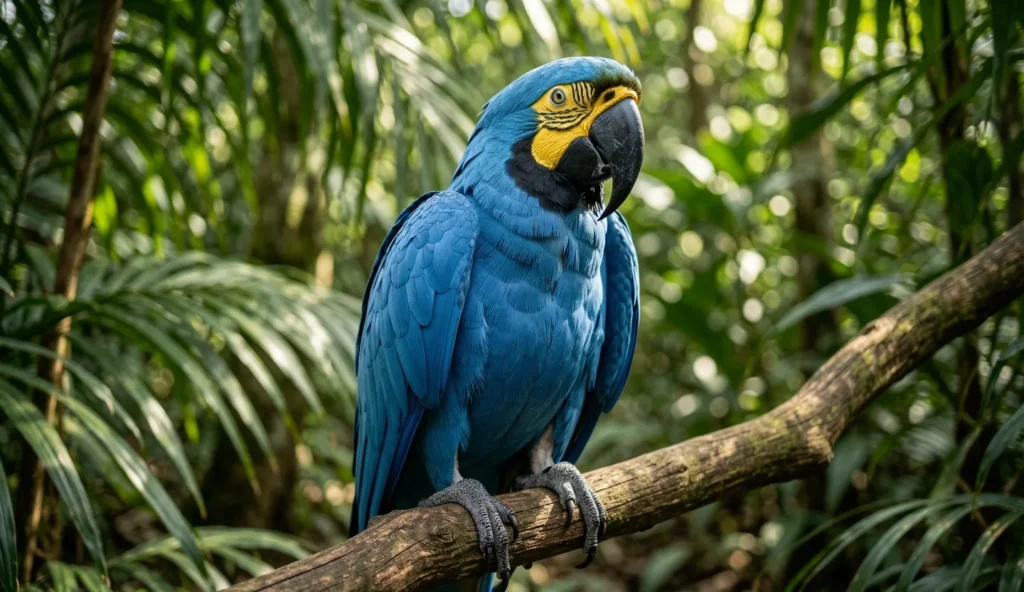
The Hyacinth Macaw, known scientifically as Anodorhynchus hyacinthinus, is the largest macaw species in the world. This brilliant blue parrot is native to central and eastern South America, primarily found in Brazil, Bolivia, and Paraguay. Its standing as both the largest macaw and an endangered parrot makes it a remarkable bird that demands serious commitment from any owner.
These birds inhabit tropical rainforests, palm swamps, and open grasslands where palm trees are abundant. Their dependence on palm nuts for food ties them closely to these habitats. Unfortunately, habitat loss and illegal trapping have pushed this species toward vulnerability in the wild.
Prospective owners should understand that the Hyacinth Macaw is not a pet for beginners. Its size, intelligence, and long lifespan require an experienced handler. For reference, other macaw parrots also need substantial care, but the Hyacinth stands apart due to its sheer size and unique dietary needs.
Appearance and Physical Features
The Hyacinth Macaw is instantly recognizable by its solid cobalt-blue plumage and striking yellow eye rings. Unlike other blue parrots that have green or black accents, this bird is uniformly blue with only a hint of lighter blue on the wing undersides. Its appearance is both majestic and unmistakable.
Size and Weight
- Length 90 to 105 cm (35 to 41 inches)
- Weight 1.2 to 1.7 kg (2.6 to 3.7 lbs)
- Wingspan up to 120 cm (47 inches)
These measurements make the Hyacinth Macaw the largest flying parrot species. The body is long and streamlined, built for powerful flight across open landscapes.
Beak and Feet
The beak of the Hyacinth Macaw is the largest of any parrot species. It is black, curved, and powerful enough to crack hard nuts and coconut shells with ease. Owners must provide extremely durable toys because the beak can destroy standard wooden or plastic toys in minutes.
Like all parrots, the Hyacinth possesses zygodactyl feet, meaning two toes face forward and two backward. This arrangement gives it a strong grip for climbing and manipulating objects. The feet are also used to hold food while the beak works to open it.
Temperament and Personality
Despite its intimidating size, the Hyacinth Macaw is known for a gentle and affectionate disposition. These birds form deep bonds with their primary caregivers and often seek physical contact. They are intelligent and curious, requiring constant mental stimulation to prevent boredom.
Noise levels are high. The Hyacinth Macaw produces loud, harsh calls that can carry over long distances. This is a natural behavior for communication in the wild. Owners must be prepared for regular vocalizations, especially during morning and evening hours.
Destructiveness is another trait to consider. When bored or understimulated, these birds will chew furniture, walls, or anything within reach. Their powerful beak makes damage quick and extensive. Providing appropriate outlets for chewing is essential.
Exercise and Enrichment Requirements
The Hyacinth Macaw is an active bird that needs several hours of out-of-cage time daily. Flight is the ideal exercise, so a large, safe indoor space or a well-secured outdoor aviary is necessary. Climbing structures, ropes, and swings help mimic natural movement.
Foraging enrichment is critical. These parrots spend much of their wild time searching for food. Owners can hide treats in puzzle toys, wrapped in paper, or inside safe chewable containers. This keeps the bird mentally engaged.
Because of the massive beak, only heavy-duty toys made from stainless steel, thick acrylic, or hardened wood survive. The Hyacinth Macaw care routine should include rotating toys weekly to maintain novelty. Always inspect toys for wear and replace them before they become dangerous.
Training Your Hyacinth Macaw
Training a Hyacinth Macaw requires patience, consistency, and positive reinforcement. These birds learn quickly but can also be stubborn. Target training is an effective starting point, teaching the bird to touch a stick for a reward.
Step-up training is essential for safe handling. The bird must reliably step onto a hand or stick when asked. Socialization with different people and environments reduces fear and aggression. However, bored Hyacinth Macaws may develop biting behaviors, so daily training sessions are recommended.
Intelligence-wise, Hyacinth Macaws are comparable to other highly trainable parrots. While not as talkative as african grey parrots, they can learn a modest vocabulary of words and phrases with consistent practice. Vocal mimicry is less fluent but still possible.
Grooming and Daily Care
Daily grooming keeps the Hyacinth Macaw healthy and comfortable. Misting with clean water or providing a shallow bath helps maintain feather condition. The bird should be allowed to dry in a warm, draft-free area.
Feather Care and Molting
- Regular misting or bathing helps feather condition
- Molting occurs once or twice a year
- Provide natural perches to wear down nails
During molting, the bird may appear ragged and may be more irritable. Increase protein intake slightly and avoid stressful handling. Nail trimming should be done by an avian vet or experienced owner using proper tools.
Beak maintenance is usually self-managed through chewing. However, if the beak overgrows, a vet must trim it. UV lighting is beneficial for vitamin D synthesis and feather health, especially for indoor birds.
Diet and Nutrition
A proper diet is the cornerstone of Hyacinth Macaw health. In the wild, these birds primarily eat palm nuts, which are high in fat. Captive diets must replicate this nutritional profile without causing obesity.
The base diet should consist of high-quality pellets formulated for large macaws, making up 60 to 70 percent of intake. Fresh fruits and vegetables provide essential vitamins and minerals. Nuts are crucial but must be offered in controlled portions.
Safe Foods and Treats
- Pellets as base diet (60 to 70 percent)
- Fresh fruits: mango, papaya, berries
- Vegetables: leafy greens, carrots, bell peppers
- Nuts: Brazil nuts, palm nuts, walnuts
- Avoid avocado, chocolate, caffeine, and high-sugar items
Palm nuts are particularly important because they mimic the wild diet. Many specialty stores sell shelled or whole palm nuts for parrots. Macadamia nuts are also high in fat and can be used as occasional treats.
Supplement Needs
- Calcium powder for breeding or egg-laying females
- Vitamin A from dark leafy vegetables
- Fresh water changed multiple times daily
Most Hyacinth Macaws receive adequate nutrition from a varied diet. Supplements should only be added under veterinary guidance. Over-supplementing can cause toxicity.
Common Health Issues in Hyacinth Macaws
Hyacinth Macaws are prone to several health problems that require vigilant care. Obesity is common if diet and exercise are not properly managed. Proventricular dilatation disease (PDD) is a serious viral illness affecting the nervous system and digestive tract.
Psittacosis, a bacterial infection, can spread to humans. Regular avian vet check-ups are mandatory. Beak malocclusion, where the upper and lower beaks do not align correctly, may require corrective trimming.
Preventive Care
- Annual veterinary check-ups including blood work
- Quarantine new birds for 30 to 45 days
- Provide a varied diet to avoid nutritional deficiencies
Responsible owners should seek an avian vet experienced with large macaws. Early detection of health issues improves outcomes. The Hyacinth Macaw lifespan of 50 to 60 years means owners must be prepared for long-term veterinary expenses.
Conservation efforts for this species are critical. The Rarest Parrot Breeds in the World include the Hyacinth Macaw, and wild populations continue to decline. Supporting captive breeding programs and avoiding illegally sourced birds helps protect the species.
Is a Hyacinth Macaw Right for You
Owning a Hyacinth Macaw is a major financial and time commitment. The initial purchase from a reputable breeder ranges from $10,000 to $20,000 USD. Annual costs for food, toys, vet care, and utilities can exceed $2,000.
Space requirements are substantial. A minimum cage size is 4 feet wide by 3 feet deep by 6 feet tall, with bar spacing of 1.5 to 2 inches. The bird needs a dedicated room or outdoor aviary for safe flight.
Noise level is high, and the bird may be destructive without proper enrichment. The lifespan of 50 to 60 years means owners must plan for the bird’s care beyond their own lifetime. Adopting from rescue organizations is encouraged over purchasing wild-caught or poorly bred birds.
For those who can meet these demands, the Hyacinth Macaw offers an unmatched companionship. Its gentle nature and striking appearance make it a rewarding bird for dedicated owners.
Frequently Asked Questions
How much does a Hyacinth Macaw cost?
Purchase price ranges from $10,000 to $20,000 USD from reputable breeders. Annual care costs including food, toys, and vet visits can exceed $2,000.
Are Hyacinth Macaws good pets for beginners?
No, they are only suitable for advanced parrot owners. They require extensive space, time, and financial resources.
How long do Hyacinth Macaws live?
They can live 50 to 60 years in captivity with proper care. Some individuals have lived over 70 years.
What is the natural habitat of the Hyacinth Macaw?
Native to central and eastern South America including Brazil, Bolivia, and Paraguay. Inhabits tropical rainforests, palm swamps, and open grasslands with palm trees.
Why is the Hyacinth Macaw endangered?
Habitat loss due to deforestation for agriculture and cattle ranching. Illegal trapping for the pet trade and hunting for feathers.
Can Hyacinth Macaws talk?
Yes, they are capable of mimicking human speech but are not as fluent as African Greys. They can learn a small vocabulary of words and phrases with training.
Final Note
The Hyacinth Macaw is a magnificent bird that rewards dedicated owners with affection and beauty. Proper preparation, ongoing education, and a commitment to conservation ensure a fulfilling experience for both bird and owner.