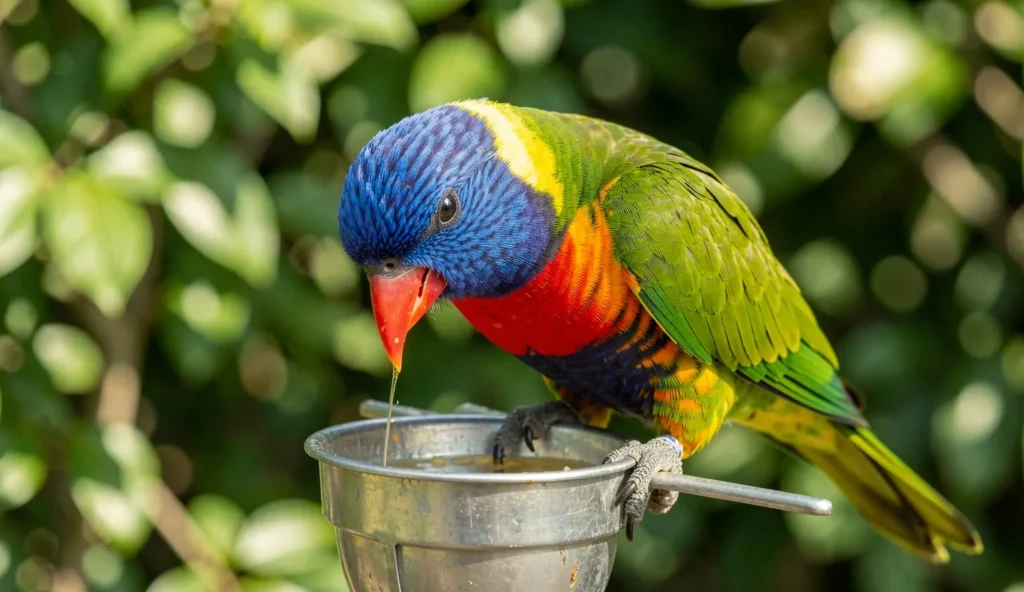
What Is a Rainbow Lorikeet
The Rainbow Lorikeet, scientifically known as Trichoglossus haematodus, is a strikingly colorful Australian parrot native to coastal regions of Australia and nearby islands. This small parrot thrives in rainforests, woodlands, and urban gardens where nectar-rich flowers are abundant. Its unique brush-tipped tongue sets it apart from other parrots and dictates a very specific dietary need.
Origin and Natural Habitat
Rainbow Lorikeets are found along the eastern coast of Australia, from northern Queensland to South Australia, as well as on nearby islands such as Tasmania and New Guinea. They inhabit a range of environments including tropical rainforests, eucalypt woodlands, and suburban gardens. These birds are highly adaptable and often seen in flocks visiting flowering trees.
Why Diet Is Different From Other Parrots
Unlike seed-eating parrots like the Budgie Parakeet, the Rainbow Lorikeet has evolved to feed primarily on nectar and pollen. Its brush-tipped tongue sweeps deep into flowers to collect liquid food. Lorikeets cannot digest high-fat seeds efficiently, and they require a low-iron diet to prevent a dangerous condition called hemochromatosis.
Appearance and Physical Features
The Rainbow Lorikeet lives up to its name with a vivid combination of colors. Its appearance makes it one of the most recognizable small parrots in the world.
Plumage Colors and Patterns
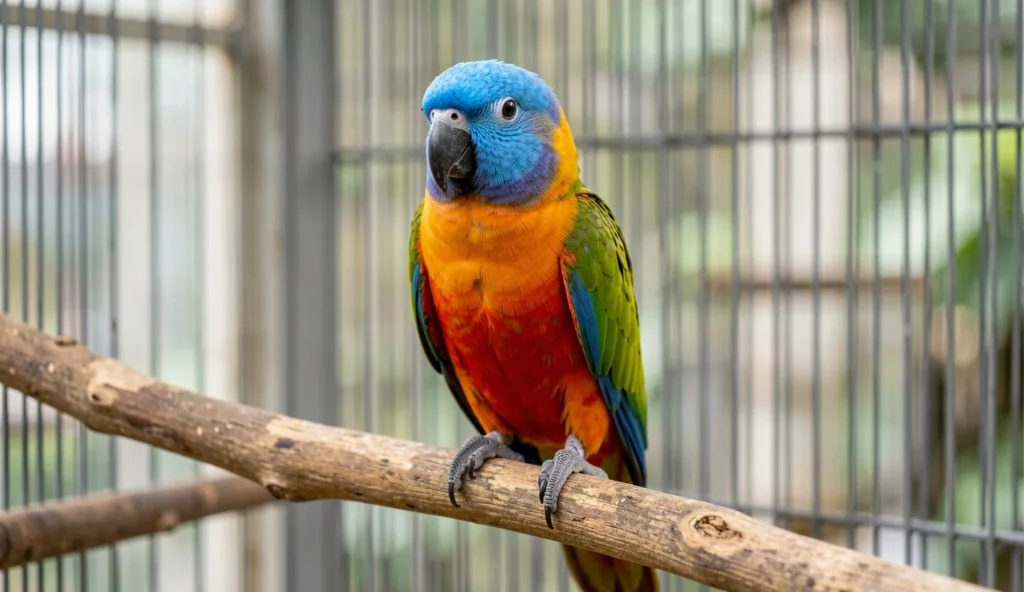
Adults display a bright blue head, green wings and tail, a yellow-orange collar, and a deep red breast. The beak is orange-red, and the eyes are dark with an orange iris. Males and females look identical, so DNA testing is required for sexing. Juveniles have duller feathers and a dark beak that lightens as they mature.
Size and Lifespan
These birds measure 25 to 30 centimeters (10–12 inches) in length and weigh between 100 and 150 grams. With proper lorikeet care, a captive Rainbow Lorikeet can live 15 to 20 years, sometimes longer. Their compact size makes them suitable for indoor aviaries, but their energy levels demand ample space.
Temperament and Personality
Rainbow Lorikeets are known for their playful, energetic, and sometimes mischievous nature. They form strong bonds with their owners and thrive on daily interaction.
Playful and Energetic Nature
These birds are extremely active. They enjoy climbing, swinging, and flying short distances inside the home. A Rainbow Lorikeet will explore every corner and needs a variety of toys to stay mentally stimulated. Without enrichment, they can develop destructive behaviors.
Social Bonding and Noise Level
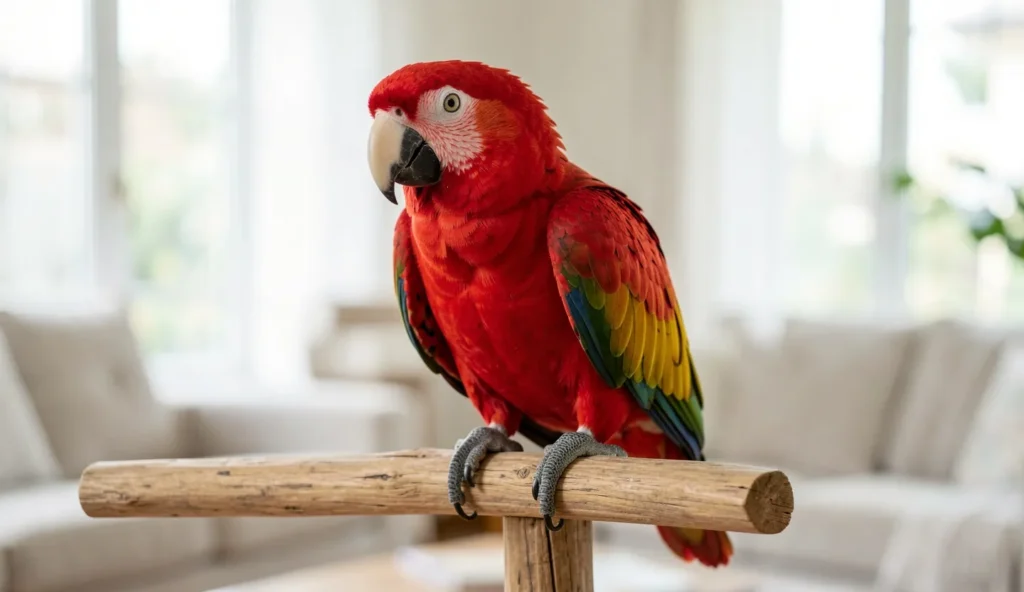
Rainbow Lorikeets are highly social and do best when they receive regular attention. They produce loud, high-pitched calls that carry through a house. Owners should be comfortable with noise. These birds also communicate with body language and vocalizations, making them engaging companions comparable to larger species like the Scarlet Macaw.
Exercise Requirements
To keep a Rainbow Lorikeet healthy, exercise is nonnegotiable. These birds need both physical activity and mental challenges.
Out-of-Cage Time and Flight
Provide at least two to three hours of supervised out-of-cage time every day. The bird should have space to fly in a safe, enclosed room. Climbing nets, ladders, and hanging toys encourage natural movement. A large cage with horizontal bars also supports climbing and wing stretching.
Training Tips for Rainbow Lorikeets
Training a Rainbow Lorikeet requires patience and consistency. Positive reinforcement works best with this intelligent species.
Positive Reinforcement Methods
Use small pieces of fruit or a dab of nectar as rewards. Start with the step-up command, where the bird steps onto your finger. Keep training sessions short, about 10 to 15 minutes daily. Over time, a Rainbow Lorikeet can learn tricks and even mimic sounds.
Common Behavioral Challenges
Biting can occur during hormonal seasons, especially in males. Screaming for attention is another common issue. Establishing a consistent daily routine helps reduce unwanted behaviors. Avoid reacting to screams, and reward quiet, calm moments.
Grooming and Care Tips
Rainbow Lorikeets are relatively easy to groom, but they require regular attention to hygiene.
Bathing and Hygiene
Offer a shallow water dish for bathing three to four times per week. Misting the bird with a spray bottle mimics rainfall and helps keep feathers clean. The cage and perches must be cleaned daily to prevent bacterial or fungal infections. Spoiled nectar is a common source of illness.
Nail and Beak Care
Provide mineral blocks and cuttlebone to help keep the beak trimmed naturally. Nails may need trimming every four to six weeks. If the beak becomes overgrown, consult an avian veterinarian. Never attempt to trim the beak without professional guidance.
Diet and Nutrition for Rainbow Lorikeets
Diet is the most critical aspect of Rainbow Lorikeet care. A specialized nectar-based, low-iron diet is essential for long-term health.
Understanding the Nectar-Based Diet
Commercial lorikeet nectar powder is the foundation of a proper diet. Mix it with water according to package instructions to achieve a thin porridge consistency. Prepare fresh nectar twice daily, once in the morning and once in the evening. Discard any uneaten nectar after a few hours to prevent spoilage and bacterial growth.
Low-Iron Diet Importance
Rainbow Lorikeets are highly prone to hemochromatosis, an iron storage disease. High-iron foods can cause liver damage and early death. Avoid fortified cereals, spinach, and standard parrot pellets meant for seed-eating birds. Many Rarest Parrot Breeds in the World also face similar dietary challenges, but lorikeets are especially sensitive.
Fresh Foods and Treats
Offer low-iron fruits such as apples, pears, melons, and berries. Vegetables like carrot, sweet potato, and bell pepper add variety. Dark leafy greens like kale and dandelion greens can be given in small amounts. Never feed avocado, chocolate, caffeine, or alcohol. Remove seeds from apples and pits from stone fruits. Limit sugary fruits like banana and mango to occasional treats.
Supplements and Water
Breeding females may require calcium supplements, but most birds get enough from a balanced nectar diet. Fresh water must be available at all times. Do not add honey, sugar, or vitamins to the nectar unless directed by a veterinarian. Over-supplementation can lead to toxicity.
Common Health Issues in Rainbow Lorikeets
These birds are generally hardy, but they face several specific health risks. Owners must be vigilant for early signs of disease.
Hemochromatosis (Iron Storage Disease)
This condition is the leading cause of death in captive Rainbow Lorikeets. Symptoms include lethargy, a swollen abdomen, and labored breathing. Prevention through a strict low-iron diet is the only effective strategy. Regular veterinary checkups with blood tests can catch early stages.
Psittacine Beak and Feather Disease
This viral disease causes feather loss, beak deformities, and immune suppression. It is highly contagious among parrots. There is no cure. Quarantine any new bird for at least 30 days before introducing it to an existing flock. Similar precautions are necessary for other rare parrots breeds as well.
Respiratory Infections and Fungal Issues
Aspergillosis, a fungal infection, often results from damp bedding or spoiled food. Signs include tail bobbing, wheezing, and nasal discharge. Keep the cage dry and clean to minimize risk. Any respiratory symptoms warrant an immediate vet visit.
Is a Rainbow Lorikeet Right for You
Before acquiring a Rainbow Lorikeet, evaluate the time, resources, and commitment required. These birds are not low-maintenance pets.
Time and Commitment Required
Daily nectar preparation and fresh food changes take about 20 to 30 minutes. The bird needs several hours of interaction and out-of-cage time. With a lifespan of up to 20 years, ownership is a long-term responsibility. Candidates must be willing to adjust their routines.
Ideal Owner Profile
The best owner is an experienced bird keeper comfortable with a specialized diet. Patience with noise and mess is essential. A large cage (minimum 24x24x36 inches) and safe outdoor access via a harness or aviary are recommended. For those who cannot meet these demands, a smaller species like the Lovebird Parrots might be a better fit.
Final Note
Providing proper nutrition and care for a Rainbow Lorikeet is a rewarding challenge. With attention to its unique nectar feeding and low-iron requirements, this colorful Australian parrot can thrive as a lively companion.
Frequently Asked Questions
What do Rainbow Lorikeets eat naturally in the wild?
Wild Rainbow Lorikeets feed on nectar and pollen from native flowers, along with soft fruits, blossoms, and occasional insects. Their brush-tipped tongue is perfectly adapted for lapping up liquid food.
How often should I feed nectar to my Rainbow Lorikeet?
Nectar should be replaced twice daily, once in the morning and once in the evening. Because nectar spoils quickly, remove any uneaten portion after a few hours to prevent bacterial growth.
Why do Rainbow Lorikeets need a low-iron diet?
Lorikeets are prone to hemochromatosis, an iron storage disease that damages the liver and other organs. A low-iron diet is the primary preventive measure. Avoid high-iron fruits like citrus and vitamin C supplements.
Can Rainbow Lorikeets eat seeds or parrot pellets?
Seeds are too high in fat and low in essential nutrients for lorikeets. Specialized low-iron lorikeet pellets are available, but nectar should remain the dietary base. Standard parrot pellets often contain too much iron and can cause health problems.
What fruits are safe for a Rainbow Lorikeet?
Safe fruits include apples, pears, melons, berries, mango, and papaya. Avoid avocado and rhubarb, which are toxic. Always remove seeds from apples and pits from stone fruits before offering them.
How do I prepare a homemade nectar for a Rainbow Lorikeet?
Commercial powdered nectar is the safest and most nutritionally balanced option. Homemade recipes using baby cereal or honey are not recommended due to nutritional imbalances. Follow package instructions for mixing ratios precisely.