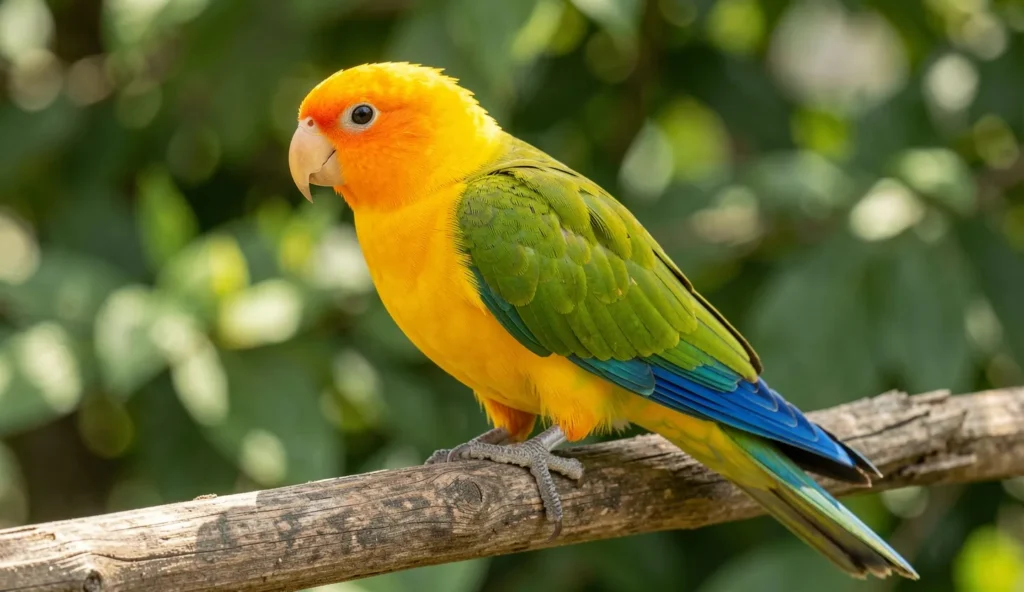
What Is a Sun Conure
The Sun Conure is a small parrot native to the northeastern regions of South America, including parts of Brazil, Guyana, and Venezuela. This species, scientifically known as Aratinga solstitialis, belongs to the conure group of parrots and is widely recognized for its vivid yellow-orange body feathers and energetic personality. The Sun Conure stands out among colorful parrot species due to its brilliant coloration and remarkably loud vocalizations, making it a striking but demanding companion for intermediate bird owners.
Sun Conure Color Changes With Age
Baby Sun Conure Plumage
Hatchling sun conures look very different from adults. Their feathers are mostly olive-green with only small patches of yellow or orange. These first color patches usually appear around three to four months of age. The gradual shift toward the iconic bright plumage takes time, and young birds often appear drab compared to their parents.
Adult Sun Conure Coloration
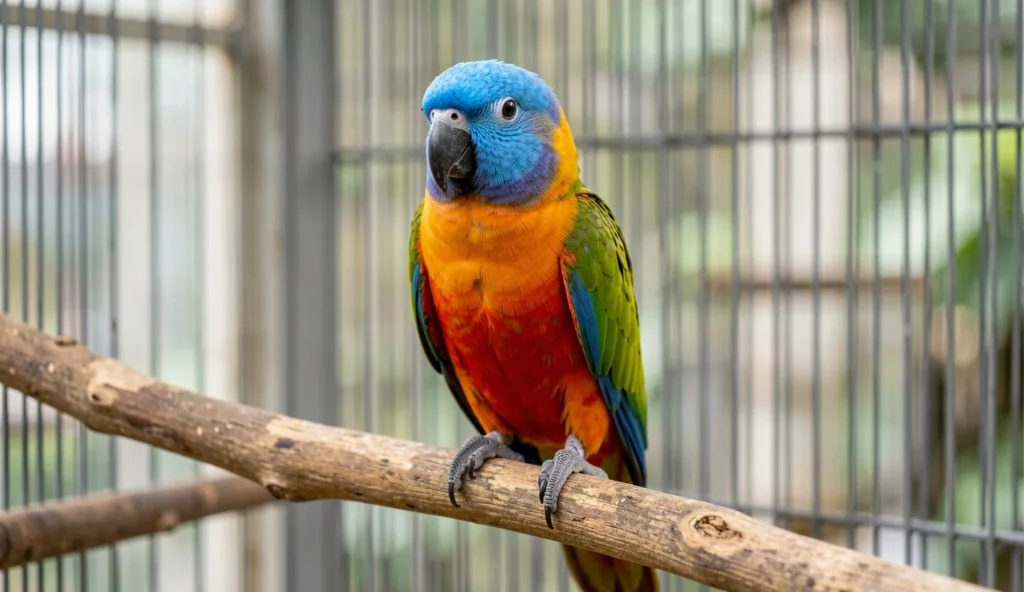
By two years of age, the Sun Conure develops its full adult coloration: a brilliant yellow-orange head, chest, and belly, with green wings and tail feathers. The flight feathers often display a deep blue hue, adding to the bird’s striking appearance. Individual sun conures can vary in shade intensity, with some showing more orange and others leaning toward pure yellow.
Why Are Sun Conures So Brightly Colored
The brilliant plumage of the Sun Conure serves several evolutionary purposes. In the wild, these parrots live in large flocks, and the bright colors help individuals recognize each other and maintain group cohesion. The vivid feathers may also signal health and genetic fitness to potential mates. Some researchers suggest that the bold orange and yellow pattern mimics toxic or unpalatable species, deterring predators. This same visual appeal makes the Sun Conure one of the most sought-after pet birds among enthusiasts of macaw parrots and other large parrots, despite its smaller size.
Sun Conure Temperament and Social Needs
Social Behavior and Bonding
Sun conures are highly social animals that thrive on flock interaction. In captivity, they form strong bonds with their owners and often demand constant attention. A sun conure left alone for long periods may become distressed or develop behavioral problems. Daily out-of-cage time and interactive play sessions are essential to keep this small parrot happy and well-adjusted.
How Vocal Are Sun Conures
Common Sun Conure Sounds
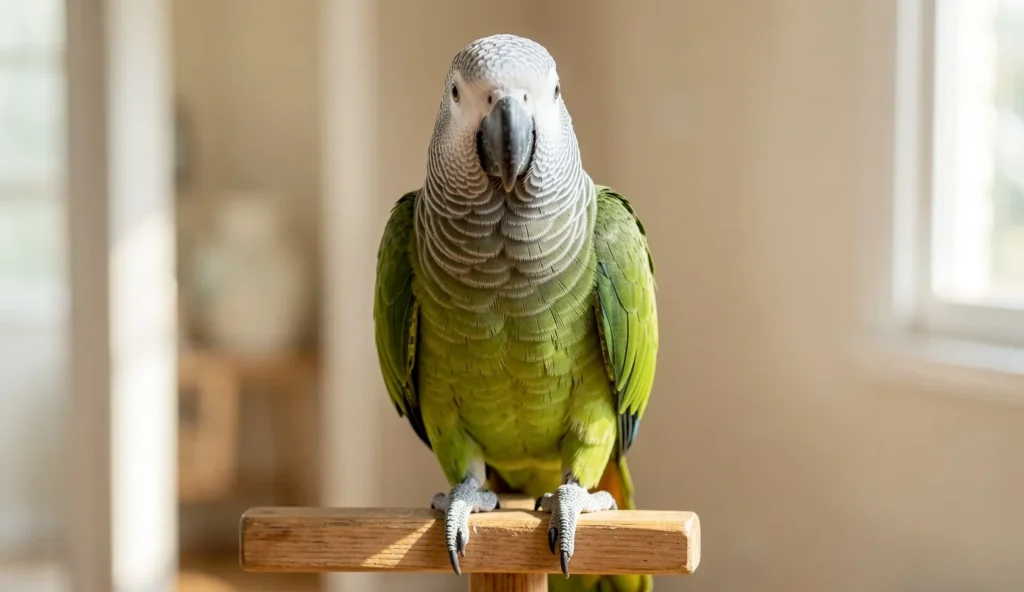
Sun conures produce a range of vocalizations, from loud screeches and squawks to softer chattering during feeding or preening. Their contact calls are sharp, piercing sounds used to locate flock members or signal danger. While some parrots like the African Grey Parrots are known for exceptional mimicry, sun conures have limited ability to imitate human speech, though a few individuals may learn a handful of words.
When Do Sun Conures Call Most
Sun conures are most vocal during the morning and evening hours, following their natural flock rhythm. They also call loudly when excited, alarmed, or seeking attention. Boredom or lack of enrichment increases noise frequency, so providing adequate stimulation is crucial for managing conure noise. Owners of other noisy parrots, such as the Sulphur Crested Cockatoo, will recognize similar patterns of loud vocal outbursts.
Training a Sun Conure to Be Quieter
Positive Reinforcement for Quiet Behavior
Training a sun conure to reduce excessive noise relies on positive reinforcement. Reward quiet moments with treats and gentle attention. Avoid yelling or reacting to screams, as this reinforces the behavior. Teach a quiet command using clicker training, marking and rewarding the bird when it stops calling. Consistent practice helps the parrot learn that silence earns rewards.
Environmental Enrichment to Reduce Noise
Providing foraging toys, puzzle feeders, and rotating toys regularly prevents boredom, a common cause of excessive noise. Sun conures require 10 to 12 hours of quiet, uninterrupted darkness each night to maintain a healthy sleep cycle. A well-rested bird is less likely to scream from frustration. For more ideas on enrichment, the Blue and Gold Macaw training guide offers applicable techniques for managing parrot behavior.
Sun Conure Diet for Healthy Feathers
Nutrients That Enhance Plumage Color
Feather color and condition depend heavily on nutrition. Beta-carotene from carrots, sweet potatoes, and red peppers supports the bright yellow and orange hues. Vitamin A is essential for maintaining vibrant coloration and healthy skin. A base diet of high-quality pellets should be supplemented with fresh vegetables and occasional fruit. Sun conure care includes monitoring food intake to ensure feathers remain glossy and richly colored.
Foods to Avoid for Feather Health
High-fat seeds can dull plumage and contribute to obesity. Avocado and chocolate are toxic to parrots. Avoid artificial dyes and sugary treats that offer no nutritional value. A diet lacking essential nutrients leads to poor feather quality and faded colors, which can signal underlying health issues.
Common Health Issues in Sun Conures
Feather and Skin Conditions
Feather plucking is a common problem in sun conures, often caused by stress, boredom, or lack of social interaction. Psittacine beak and feather disease (PBFD) can also affect plumage, leading to loss of color and abnormal feather growth. Dull or faded feathers may indicate malnutrition or illness, requiring prompt veterinary attention. A sun conure that looks less vibrant than usual should be evaluated by an avian vet.
Respiratory and Other Issues
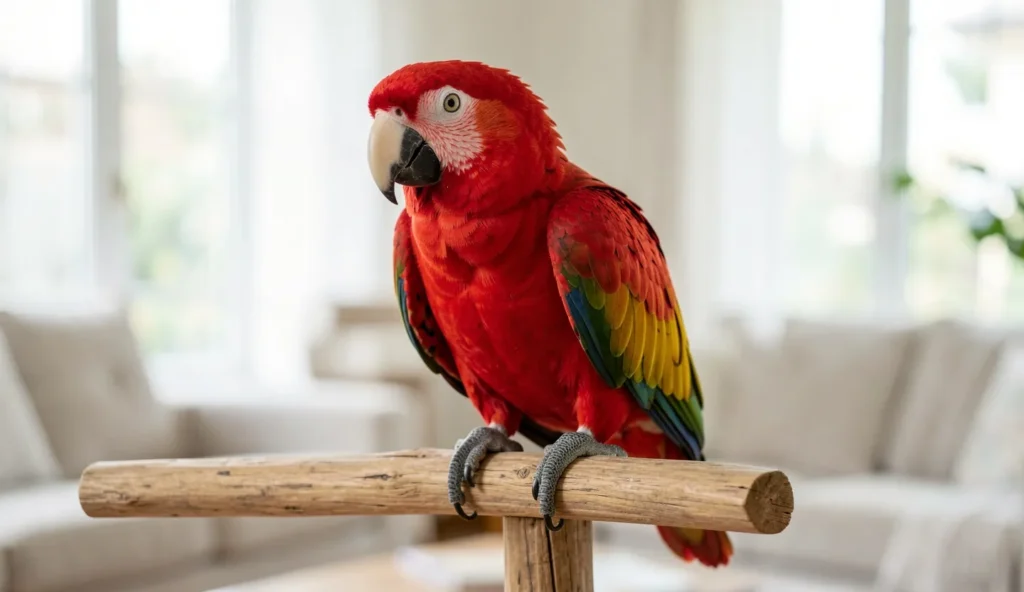
Respiratory infections in sun conures manifest as sneezing, tail bobbing, or nasal discharge. Obesity from a high-fat diet is another common problem. Annual wellness exams help catch issues early. Owners who also care for other large parrots like the Scarlet Macaw should apply the same rigorous health monitoring to their sun conure.
Is a Sun Conure the Right Parrot for You
Sun conures require dedicated owners who can tolerate high noise levels and provide ample social interaction. Their striking colors and playful personality make them rewarding companions, but they are not suitable for apartment living or households sensitive to sound. Prospective owners should have experience with small parrot care and be prepared for a long-term commitment, as healthy sun conures can live 20 to 30 years. If you can meet their needs, this colorful parrot will bring energy and beauty into your home.
Frequently Asked Questions
At what age do sun conures get their full adult colors?
Sun conures begin showing yellow and orange patches around three to four months of age. Full vibrant coloration is usually achieved by two years.
Why does my sun conure scream so much?
Sun conures are naturally loud birds that scream to communicate, express excitement, or signal danger. Excessive noise often indicates boredom, lack of attention, or unmet social needs.
Do sun conures have different color morphs in captivity?
Captive breeding has produced occasional color mutations like cinnamon or blue, but these are rare. The classic bright orange and yellow remains the most common appearance.
How can I tell the sex of a sun conure by its color?
Male and female sun conures have identical plumage. DNA testing or surgical sexing is required to determine sex accurately.
What does a sun conure contact call sound like?
A contact call is a loud, sharp screech often repeated several times. It is used to locate flock members or signal distress.
How loud is a sun conure compared to other parrots?
Sun conures are among the louder parrot species, with calls reaching up to 120 decibels. They are much louder than cockatiels or budgies and comparable to large macaws.
Final Note
Caring for a sun conure requires patience, time, and a willingness to manage significant noise. With proper diet, enrichment, and social bonding, this brightly colored parrot can become a cherished companion for many years.