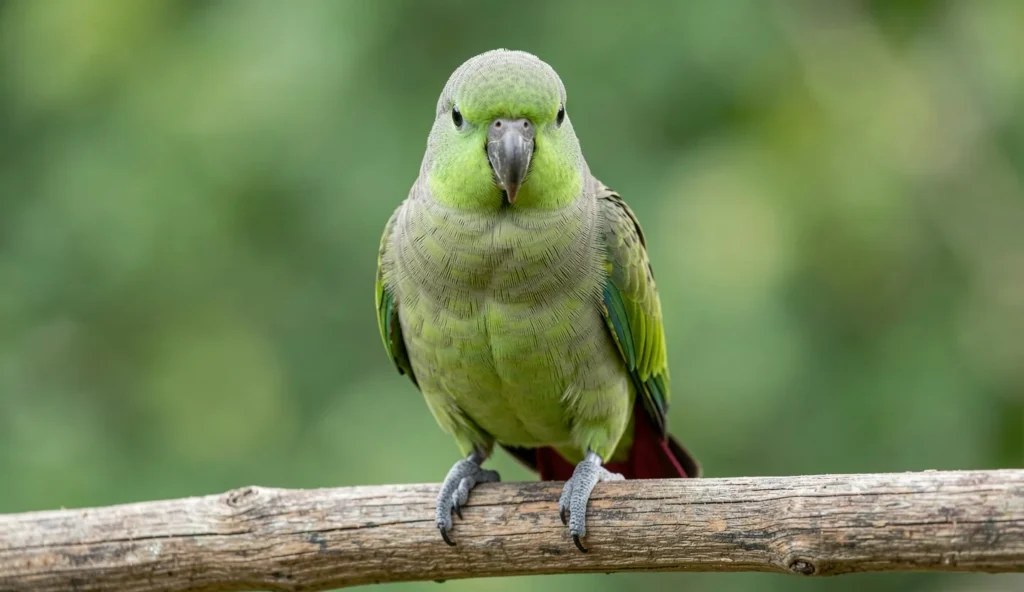
What Is a Green Cheek Conure
Species Background and Origin
The Green Cheek Conure, scientifically known as Pyrrhura molinae, is a small parrot native to South America. This species inhabits forests and woodlands in Brazil, Bolivia, Argentina, and Paraguay. It stands out among conures for its relatively calm demeanor and affectionate nature.
Unlike many larger parrots, the green cheek conure adapts well to family life and apartment living. Its compact size and quieter vocalizations make it a popular choice for first-time bird owners. The species belongs to the genus Pyrrhura, which includes several other small conures.
Appearance and Color Varieties
Standard Green Cheek Conure
The standard green cheek conure measures about 10 inches in length and weighs between 60 and 80 grams. Its body is mostly green with a grey chest, a maroon tail, and a red belly patch. Dark brown eyes and a horn-colored beak complete the classic look.
Sexes look identical, so DNA testing or surgical sexing is required for確定 gender. The plumage provides excellent camouflage in its natural forest habitat.
Common Color Mutations
Breeders have developed several color mutations that alter the bird’s appearance. Popular mutations include:
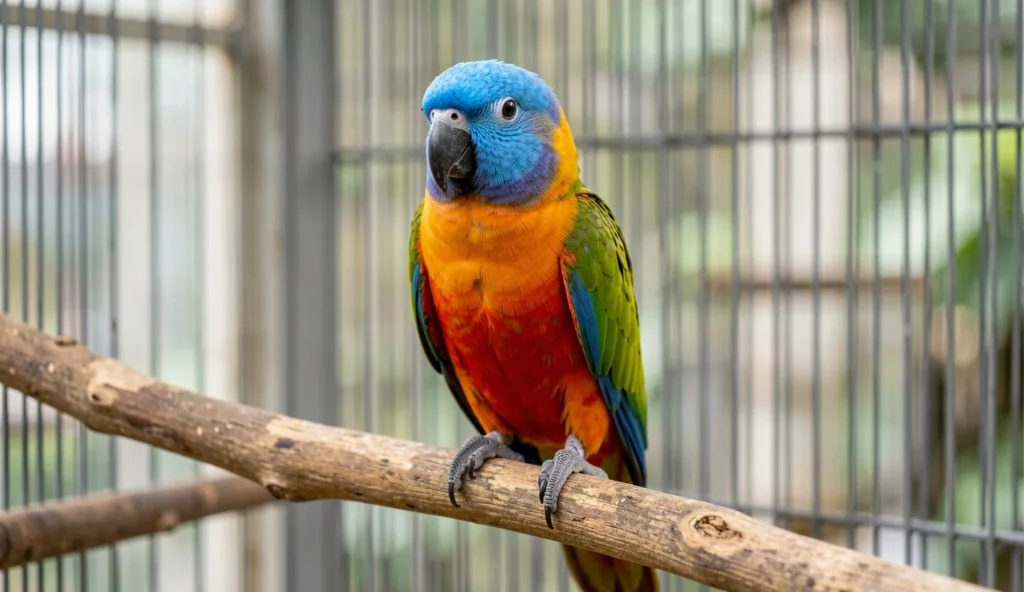
- Pineapple mutation – yellow and orange accents on a green body
- Turquoise mutation – blue-green body with a lighter chest
- Cinnamon mutation – softer brown tones replacing grey
- Yellow-sided mutation – bright yellow flanks and reduced red belly
These mutations do not affect temperament or health. They only change feather coloration.
Temperament and Personality
Affectionate and Social Nature
The green cheek conure forms strong bonds with its owners and craves daily interaction. Many individuals enjoy cuddling, sitting on shoulders, and preening their human companions. This affectionate behavior makes them excellent companion birds.
They thrive on attention and can become depressed if ignored for long periods. A bonded green cheek conure will seek out its owner and show excitement when they enter the room.
Quieter Than Other Conures
This species is known as a quiet conure compared to sun conures or jenday conures. Their calls consist of chirps, whistles, and soft squawks rather than piercing screams. With proper training, they can be suitable for apartments and condos.
However, they still vocalize throughout the day, especially at dawn and dusk. Prospective owners should expect some noise but nothing overwhelming.
Playful and Curious
Green cheek conures are naturally curious and love exploring their environment. They enjoy toys, puzzles, and foraging activities that challenge their intelligence. Providing hanging toys, shreddable items, and foot toys keeps them mentally stimulated.
Without enrichment, they may develop destructive habits like chewing furniture or feather plucking. Rotating toys weekly helps maintain their interest.
Handling and Training
Taming Your Green Cheek Conure
Start taming by desensitizing the bird to your presence. Sit near the cage and speak softly for several days. Then offer treats like millet spray through the bars, moving slowly to avoid startling the bird.
Once the bird takes treats calmly, open the cage and extend a hand with a treat. Allow the bird to step onto your hand voluntarily. Never grab or force interaction.
Step-Up and Step-Down Commands
Teach the step-up command by gently pressing a finger against the bird’s lower chest. Say “step up” and reward with a treat when the bird complies. Practice daily in a quiet room for five-minute sessions.
The step-down command works in reverse: press a finger against the chest while saying “step down” and guide the bird onto a perch. Consistent positive reinforcement builds trust.
Bite Inhibition and Nipping
Green cheek conures may nip out of curiosity, fear, or excitement. Do not pull away sharply, as this can escalate the behavior. Instead, gently redirect the bird to a toy or say a firm “no” and turn away briefly.
Never punish with force or shouting. With patience, most birds learn to use a soft bite during play. Proper socialization from a young age reduces nipping.
Exercise and Enrichment Needs
Out-of-Cage Time
Provide a minimum of 2 to 3 hours of supervised out-of-cage time daily. Bird-proof the area by covering windows and mirrors, removing toxic plants, and securing electrical cords. Use play stands or gyms to encourage climbing and exploration.
Supervised flight time is beneficial but not mandatory if wings are clipped. Many owners allow their birds to perch on a portable tree stand during family activities.
Toys and Foraging
Include a variety of toys in the cage:
- Shreddable toys made of paper, cardboard, or palm leaves
- Bells and foot toys for manipulation
- Foraging puzzles that hide treats inside compartments
Rotate toys weekly to prevent boredom. Introduce new toys gradually and supervise initial interactions to ensure safety.
Diet and Nutrition
Pelleted Diet as a Base
High-quality pellets should make up 60 to 70 percent of the diet. Brands like Harrison’s, Roudybush, and Zupreem offer balanced nutrition. Avoid seed-only diets because seeds are high in fat and low in essential vitamins.
Pellets come in different sizes; choose a small pellet appropriate for a small parrot. Transition from seeds to pellets gradually over several weeks.
Fresh Fruits and Vegetables
Offer dark leafy greens such as kale, spinach, and Swiss chard. Chopped carrots, bell peppers, broccoli, and sweet potatoes provide variety. Fruits like apple, berries, melon, and banana serve as treats in moderation.
Never feed avocado, chocolate, caffeine, alcohol, or high-salt foods. These can be toxic or fatal to parrots.
Calcium and Supplements
Provide a cuttlebone or mineral block in the cage for calcium. A shallow dish of clean water should be available at all times. Only add avian multivitamins if recommended by a veterinarian, as over-supplementation can cause harm.
Monitor food intake and remove uneaten fresh foods after 24 hours to prevent spoilage.
Common Health Issues
Respiratory Infections
Symptoms include sneezing, nasal discharge, labored breathing, and tail bobbing. Respiratory infections often result from drafts, poor ventilation, or bacterial infections. An avian vet should examine the bird promptly if these signs appear.
Keep the cage away from air conditioning vents and open windows. A warm, draft-free environment supports respiratory health.
Feather Plucking and Self-Mutilation
Feather plucking often stems from boredom, stress, or an imbalanced diet. Increase enrichment, provide foraging opportunities, and ensure the bird gets enough sleep. If the behavior persists, consult an avian vet to rule out medical causes.
Feather plucking can become a habit that is difficult to break. Early intervention improves the chances of recovery.
Psittacine Beak and Feather Disease
This viral disease affects feather growth and beak structure. There is no cure, and supportive care is the only option. Prevent infection by purchasing birds from reputable breeders who test for the disease.
Quarantine new birds for 30 to 60 days before introducing them to your current flock. Regular veterinary checkups help detect health issues early.
Is a Green Cheek Conure Right for You
Lifestyle Compatibility
A green cheek conure requires daily attention, a balanced diet, and a stimulating environment. Owners must commit to at least 2 hours of interaction and supervised out-of-cage time each day. This small parrot thrives in homes where family members are present for most of the day.
Its moderate noise level suits apartment dwellers better than larger parrots like the Green Winged Macaw or the Blue and Gold Macaw, which are louder and need more space. For beginners, the green cheek conure offers an excellent introduction to parrot ownership due to its affectionate nature and manageable size.
Families with older children who understand gentle handling will find this bird a rewarding companion. Always supervise interactions between young children and any parrot.