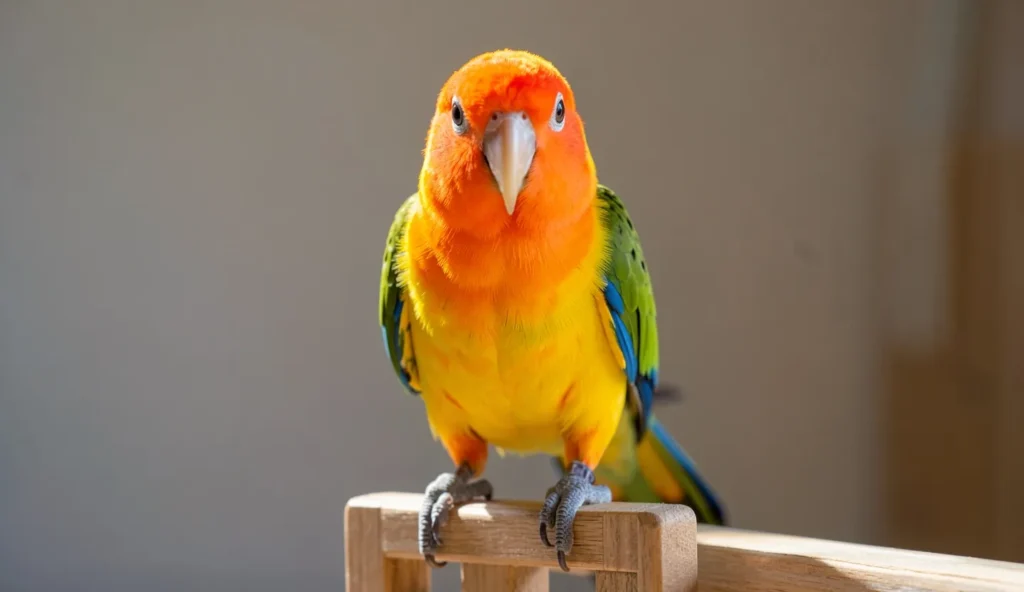
What Is a Jenday Conure
The Jenday Conure (Aratinga jandaya) is a small parrot native to the tropical forests of northeastern Brazil. This Brazilian parrot belongs to the genus Aratinga and is closely related to the Sun Conure, though it remains less common in captivity. Owners appreciate its vibrant colors, playful antics, and relatively manageable size. Unlike larger macaw parrots, the Jenday Conure fits well in homes with limited space while still offering an engaging companion bird experience.
Species Classification and Origin
The Jenday Conure is one of several conure species from South America. It inhabits dry woodlands and savannahs in states such as Maranhao, Piaui, and Ceara. Wild populations feed on fruits, seeds, and flowers. This species adapts well to captivity when provided with proper jenday conure care and consistent training.
Appearance and Physical Features
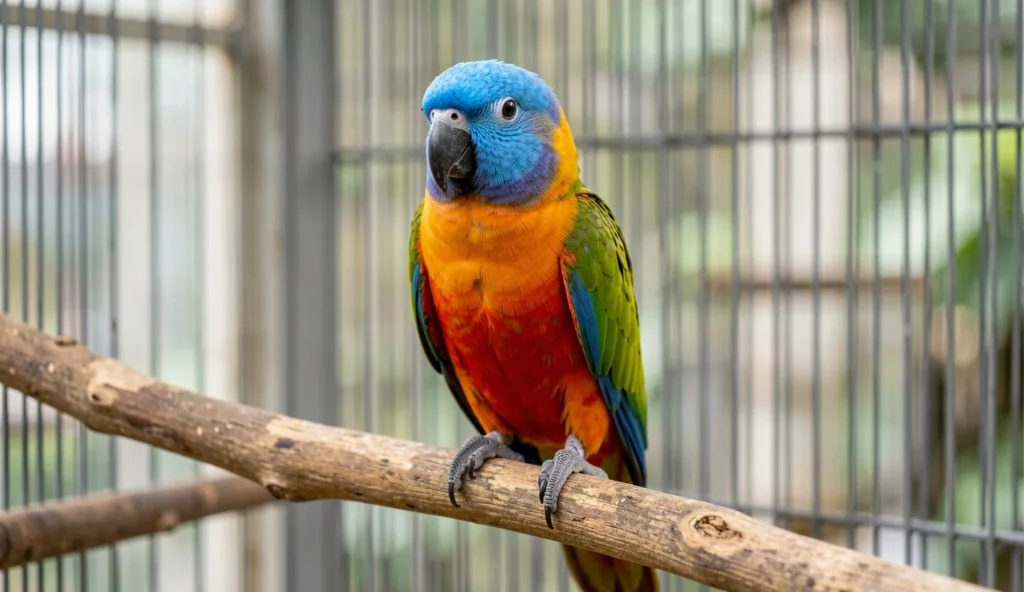
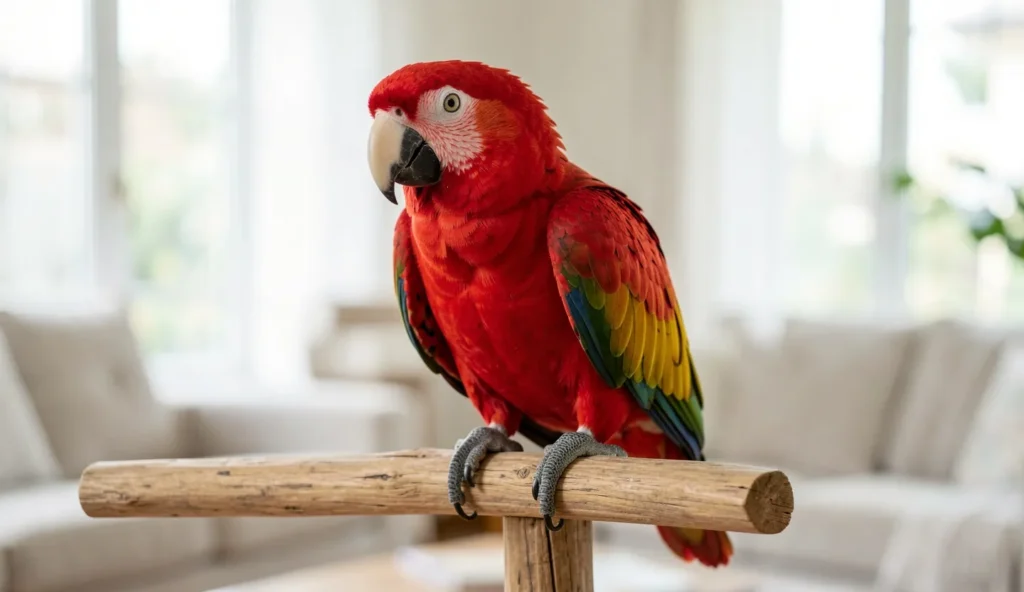
The Jenday Conure measures about 12 inches from beak to tip of the tail. Its plumage combines a bright orange and yellow head, a green body, and blue flight feathers. The chest and belly show a warm orange-red tone. This color pattern resembles the Scarlet Macaw in miniature, with similar striking contrast.
Color Variations and Mutations
- Standard wild-type: green body, orange belly, yellow head, blue flight feathers
- Turquoise mutation: muted green-blue body with less yellow
- Cinnamon mutation: softer brownish tones in place of green
- Size: 12 inches long, average weight 100 to 130 grams
These mutations remain rare in the pet trade. Most Jenday Conures in homes display the classic wild coloration.
Temperament and Personality
The Jenday Conure is highly social and bonds strongly with its owner. It thrives on interaction and can become depressed if left alone for long periods. This small parrot is playful, curious, and energetic. It vocalizes frequently but at a moderate volume, less piercing than a Sun Conure.
Social and Playful Nature
Jenday Conures enjoy being part of family activities. They perch on shoulders, explore new toys, and engage in mock wrestling with hands. Daily out-of-cage time is essential. They do not tolerate neglect and may develop screaming habits if bored.
Intelligence and Trainability
These birds learn quickly when using positive reinforcement. They can master several tricks and even mimic a few words. While not as renowned for talking as african grey parrots, Jenday Conures can pick up simple phrases with consistent repetition. Their intelligence demands mental stimulation; otherwise, they become destructive.
Training Your Jenday Conure
Training a Jenday Conure requires patience and consistency. Short sessions of 5 to 10 minutes work best. Use high-value treats such as sunflower seeds or small nuts. Avoid punishment, as it damages trust. Many training methods used for larger parrots, such as the Blue and Gold Macaw, can be adapted for this species.
Step-Up Training
- Hold your hand near the bird’s lower chest
- Say “Step up” in a calm, firm voice
- Gently press your finger against the bird’s belly
- Reward immediately when the bird steps onto your hand
- Practice in a quiet room to reduce distractions
Target Training
- Use a short stick or chopstick as the target
- Present the target near the bird’s beak
- Click or say “Good” the moment the bird touches it
- Reward with a treat
- Move the target gradually to guide the bird to a new location
Positive Reinforcement Basics
- Reward desired behaviors instantly
- Never yell at or hit the bird
- Use a variety of treats to maintain interest
- Keep training sessions under 10 minutes
- End on a positive note with a simple success
Enrichment Activities for a Jenday Conure
Enrichment prevents boredom and behavior problems. A Jenday Conure needs both mental and physical stimulation every day. Rotate toys and introduce new challenges regularly. This species naturally forages, chews, and climbs in the wild.
Foraging Toys and Puzzles
- Hide treats inside paper cups or cardboard rolls
- Use commercial foraging trays with compartments
- Offer shreddable toys made of balsa wood or palm leaves
- Place food inside puzzle toys that require manipulation
- Change hiding spots weekly to keep the bird curious
Social Interaction and Playtime
- Allow at least 2 to 3 hours of supervised out-of-cage time daily
- Provide a play stand with safe destructible items
- Engage in interactive games like fetch with foot toys
- Play calming music or nature sounds when alone
- Establish a consistent daily routine for security
Vocalization and Trick Training
Teach simple tricks such as “wave,” “turn around,” or “fetch.” Use vocal cues and rewards. For owners interested in teaching speech, Parrot Talking Training Tips offer effective techniques. Provide destructible items to redirect chewing away from furniture. Never encourage screaming by giving attention; instead, reward quiet behavior.
Grooming and Care Tips
Good hygiene supports training success. A clean bird is more responsive and healthy. Regular grooming prevents overgrown nails and beak problems.
Bathing and Nail Care
- Offer a shallow water dish for bathing twice a week
- Mist the bird with warm water using a spray bottle
- Trim nails every 4 to 6 weeks with a guillotine clipper
- Provide cuttlebone or mineral block for natural beak wear
- Check beak monthly for uneven growth or chipping
Diet and Nutrition
A balanced diet is the foundation of good health and trainability. Jenday Conures require a pelleted base supplemented with fresh produce. Proper nutrition keeps energy levels stable during training.
Pelleted Diet and Fresh Foods
- High-quality pellets should form 70 to 80 percent of daily intake
- Fresh vegetables: dark leafy greens, carrots, bell peppers, broccoli
- Small amounts of fruit: apple, mango, berries (remove seeds)
- Seeds and nuts only as treats, not dietary staples
- Avoid avocado, chocolate, caffeine, alcohol, and salty snacks
Always provide fresh water. Clean food bowls daily to prevent bacterial growth. Introduce new foods gradually to avoid rejection.
Common Health Issues
Jenday Conures are generally hardy but prone to certain conditions. Routine veterinary checkups every 6 to 12 months are recommended. Early detection improves treatment outcomes. Proper cage hygiene is important to prevent respiratory diseases, a concern shared with Hyacinth Macaw owners.
Respiratory and Feather Issues
- Aspergillosis: caused by moldy cage environments; ensure good ventilation
- Feather plucking: often linked to stress, boredom, or lack of enrichment
- Psittacine beak and feather disease (PBFD): viral and incurable
- Obesity: avoid high-fat seeds and limit treats
- Vitamin A deficiency: provide dark leafy greens and orange vegetables
Is a Jenday Conure Right for You
This small parrot offers a rewarding experience for owners who commit to daily training and enrichment. The Jenday Conure is not a beginner bird due to its high social and mental needs. Intermediate owners who have experience with conure training or other parrots will find this species manageable and affectionate.
Lifestyle Considerations
- Requires 2 to 3 hours of supervised out-of-cage time daily
- Needs consistent training sessions and toy rotation
- Vocalizations are moderate but frequent
- Lifespan of 20 to 30 years is a long-term commitment
- Best suited for homes without extremely small children or other pets that may frighten the bird
Frequently Asked Questions
How do I train a Jenday Conure to step up?
Place your hand near the bird’s chest and say “step up.” Use a treat to lure the bird onto your finger. Repeat daily in short sessions until the bird responds reliably.
What are the best toys for a Jenday Conure?
Shreddable toys made of paper, cardboard, or wood are ideal. Foraging puzzles that hide food engage their natural instincts. Foot toys that are easy to grasp and chew also provide entertainment.
How much out-of-cage time does a Jenday Conure need?
At least 2 to 3 hours of supervised time daily is necessary. Provide a play stand or bird-safe area for exercise. More time is better for mental stimulation and bonding.
Why is my Jenday Conure screaming and how do I stop it?
Ignore the screaming completely to avoid reinforcing it. Increase enrichment and foraging opportunities. Ensure the bird is not bored or seeking attention through negative means.
Can Jenday Conures learn to talk?
They can learn a few words and phrases with repetition. Male birds are generally better talkers. Use a clear, enthusiastic tone when teaching.
What should I feed a Jenday Conure for optimal health?
A balanced pellet diet supplemented with fresh vegetables forms the foundation. Limit seeds and nuts to training treats. Avoid toxic foods like avocado and chocolate.
Final Note
The Jenday Conure is a lively, intelligent Brazilian parrot that thrives with dedicated training and enrichment. With proper jenday conure care and attention to its social needs, this small parrot will become a cherished companion for many years.