What Is A Havana Brown Cat
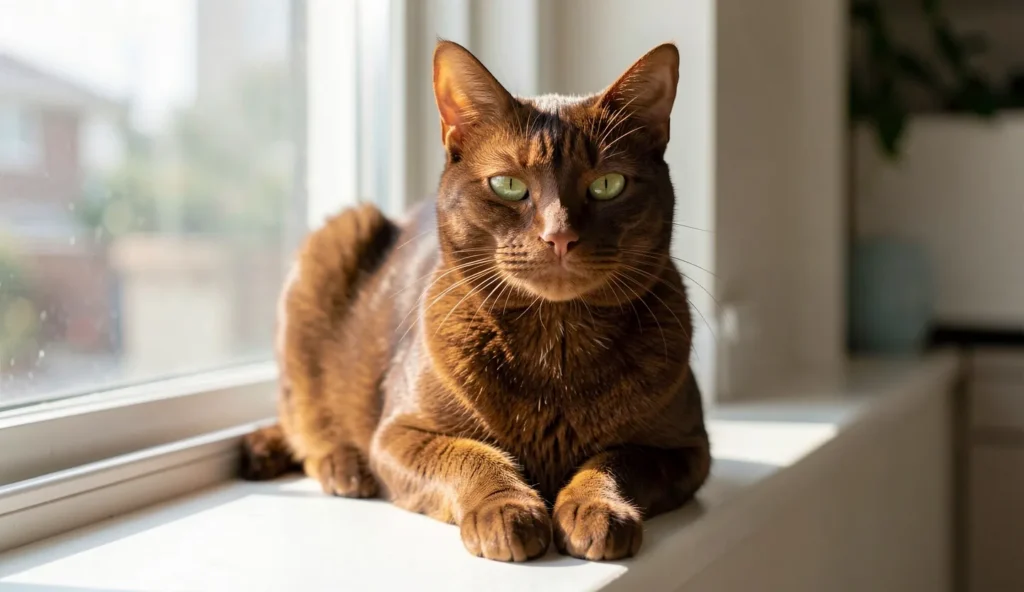
The Havana Brown cat is a domestic breed known for a rich chocolate-brown coat and bright green eyes. This breed developed in England and became valued for its solid color look and friendly, people-focused nature. Cat collectors often choose the Havana Brown cat because it combines color and temperament in one compact package.
Over time, the breed line focused on creating an even coat tone and a sleek body shape. Today, reputable breeders work to maintain consistent Havana Brown care needs while protecting the breed’s distinctive appearance.
Breed Background And Origins
Early development occurred in England, with the breed direction aiming for a solid, warm brown coat. Breed history also includes influence from Siamese-type cats, which helped shape the overall sleek look and active style. Recognition by major cat registries followed as breeders refined coat color and body proportions.
Because breed naming and standards vary by organization, the same core traits may show up using slightly different descriptions. Still, the solid chocolate coat and green eye contrast remain the main markers people expect.
Key Traits That Stand Out
The Havana Brown cat signature trait is its rich chocolate brown coat, which appears warm and even when healthy. Green eyes create a strong contrast and help the cat look alert even at rest. In addition, the Havana Brown body often looks medium-sized, athletic, and well balanced from head to tail.
Many owners also value that the Havana Brown personality tends to blend curiosity with social engagement. As a result, the breed often fits collectors who want a distinct color without a highly distant temperament.
Appearance And Physical Features
Appearance is where the Havana Brown cat becomes easy to identify. The coat looks solid and chocolate-toned, while the eyes range from bright green to deeper green shades. These features help set the breed apart from many other brown-colored domestic cats.
At the same time, appearance changes over the first year as kittens mature. Therefore, healthy development matters more than comparing a young kitten to an adult reference photo.
Coat Color And Texture
A healthy Havana Brown care routine supports a glossy, even chocolate brown coat. Fur is typically short to medium length and lies close to the body for a smooth, sleek look. When coat condition is good, the color often appears warm and consistent across the body.
If the coat looks pale, patchy, or unusually dull, several factors may be responsible. Stress, diet gaps, and skin irritation can change how the coat reflects light, so the first step is to check basics before assuming genetics.
Green Eye Color And Expression
Eye color commonly shows bright green to deep green tones. The eye shape often gives the Havana Brown cat an alert, focused expression that fits its curious temperament. Clear eyes with no heavy discharge are typical signs of good eye health.
Watery eyes or redness can indicate irritation, allergies, or infection. When symptoms persist, a veterinary check helps prevent minor issues from turning into bigger problems.
Body Shape And Size
The body is usually medium size with an athletic, slender muscular frame. Long body lines and a graceful posture often appear as the cat moves through the home. The legs and tail should look proportional and not overly heavy.
Weight management also affects how the breed looks. When body condition is correct, the Havana Brown cat tends to show a clean outline with good muscle tone.
Common Markings And What To Expect
Breed standards generally aim for a solid coat with minimal patterning. Kittens may look slightly different while coat color develops, and that change can be normal. White spotting usually does not match the classic breed look people seek in Havana Brown cats.
For collectors, confirming standards with the breeder helps set expectations early. It also prevents frustration when a kitten’s coat continues to deepen over time.
Havana Brown Personality And Temperament
Havana Brown personality traits often show up as social interest and curiosity. Many cats of this breed follow people around and engage with household activity rather than hiding for long periods. This makes the Havana Brown cat appealing for owners who want interaction as part of daily life.
At the same time, individual cats vary, especially when routines change. Consistent enrichment and predictable handling usually keep behavior stable.
General Temperament
Havana Brown cats are often described as social, curious, and engaged with people. Instead of staying detached, they may seek attention at predictable times. Confidence in the home can look like watching from open areas or approaching to investigate new items.
Some cats also respond well to calm conversation and gentle petting. Positive experiences help strengthen trust and reduce stress during grooming or vet visits.
Energy Level And Activity Style
Energy is usually moderate to high, and the Havana Brown personality often pairs that with a need for mental stimulation. Interactive play and short training routines can support daily engagement. Cats typically do best with routine play windows rather than random bursts of attention.
When enrichment is missing, scratching may increase or restlessness may appear. Therefore, a plan for daily activity supports both behavior and coat condition.
Compatibility With Households
Many Havana Brown cats fit well with calm, patient households that allow gradual bonding. With other cats, slow introductions often work better than forcing quick contact. Supervision may still help when a home includes small pets such as birds or hamsters.
Predictable routines also matter when multiple animals share a space. Reduced competition for food and litter access supports calmer interactions.
Behavior Signs To Watch
Behavior can signal when Havana Brown care needs attention. Scratching can increase if enrichment is lacking or nails feel uncomfortable. Excessive hiding may point to stress, while vocalization can rise when attention needs are not met.
Changes should trigger basic troubleshooting first, such as litter box cleanliness and play frequency. If behavior shifts strongly or lasts, a vet check may be necessary to rule out illness.
Exercise Requirements For A Havana Brown Cat
Exercise for a Havana Brown cat centers on daily movement and problem-solving. Short, interactive sessions usually work better than long, exhausting play. This approach helps the cat stay fit while also preventing boredom-based behavior.
Because energy needs can vary by age and health, activity should adjust over time. Regular observation of body condition supports better planning.
Daily Play Time And Activity Targets
Plan short daily sessions of interactive play to encourage hunting behavior. Wand toys, feather teasers, and movement-based toys often invite natural chasing and pouncing. Intensity should match age and comfort level, especially for kittens and senior cats.
For many cats, two or three short sessions work well across the day. That schedule also helps owners fit enrichment into a normal routine.
Safe Enrichment Ideas
Enrichment should add variety without creating safety risks. Climbing shelves or cat trees can satisfy vertical exploration, while puzzle feeders slow eating and add mental work. Rotating toys every few days maintains novelty and reduces repeated boredom.
These options support the breed’s curiosity and also help owners structure Havana Brown care more easily.
Keeping A Chocolate Cat Breed Mentally Stimulated
Training cues can reduce boredom and create positive focus. Target cues or simple “come” routines can be taught with small rewards. Meal-foraging methods using safe treats also simulate hunting without overfeeding.
Predictable interaction reduces frustration behaviors, especially for cats that expect attention. When enrichment becomes part of the schedule, many behavior issues fade.
Training Tips For Havana Brown Cats
Training helps a Havana Brown cat adjust to handling and daily routines. Because the breed often enjoys people, positive methods tend to work well. With short, beginner-friendly sessions, the cat can learn useful skills without stress.
Training should support routine tasks like litter box habits, nail trims, and carrier comfort. Over time, the cat learns that handling brings pleasant rewards.
Litter Box Training Basics
Litter box training works best when the setup matches the cat’s comfort. A quiet location with easy access can reduce accidents and hesitation. Many owners use one box per cat plus an extra box if space allows.
Unscented, low dust litter can help if the cat shows sensitivity. Consistent scooping also reduces odor pressure and supports healthy elimination patterns.
Positive Reinforcement Methods
Positive reinforcement means rewarding desired behavior right away. Small treats after correct steps help the cat connect action and reward. Sessions should stay brief to avoid overstimulation or anxiety.
Grooming and handling can also pair with rewards. When nail trims and coat checks feel predictable, many cats cooperate more easily.
Teaching Helpful Behaviors
Calm handling supports nail trims and coat checks, especially if the cat resists early on. Carrier comfort training can reduce vet stress by making transport feel familiar. Feeding routines also help, since the cat learns predictable times rather than searching for food.
Helpful behaviors reduce household tension and make Havana Brown care more efficient. They also improve safety during travel and emergencies.
For another approach to cat-specific enrichment, owners sometimes compare routines with guides like the American Bobtail cat profile, since both breeds benefit from engagement and routine.
Grooming And Care Tips For A Havana Brown Coat
Grooming helps protect the Havana Brown cat signature look, including a rich chocolate brown coat and healthy skin. Even though the fur is short to medium length, regular brushing can keep it smooth and reduce loose shedding. Also, consistent care helps owners spot early skin or dental problems.
Most grooming tasks take only a few minutes when scheduled well. That simplicity supports long-term Havana Brown grooming and coat maintenance.
Brushing Frequency And Coat Handling
Brush the coat regularly to remove loose fur and keep a glossy appearance. A soft brush or grooming mitt fits the shorter coat style. Seasonal shedding may require slightly more frequent brushing during peak change periods.
When brushing happens gently, it also becomes a bonding routine. That matters because stress can show up as reduced coat shine.
Bathing And Coat Maintenance
Most cats do not need frequent baths. When bathing becomes necessary, use a cat-safe shampoo to avoid skin irritation. Dry gently and keep the cat warm until the fur is fully dry.
For many owners, spot cleaning after litter or food mishaps provides enough freshness. That approach limits unnecessary stress while supporting clean Havana Brown care.
Nail, Ear, And Dental Routine
Nails should be trimmed on a schedule to protect furniture and prevent accidental scratches. Ear checks during routine handling help catch odor, debris, or redness early. Dental care also matters since bad breath and tartar can worsen oral health over time.
Teeth brushing several times per week is often easier than trying to fix advanced tartar later. When dental problems are caught early, vet treatment can be simpler.
Litter Box And Coat Cleanliness
A clean litter box supports coat cleanliness and reduces skin irritation. Low dust litter can protect respiratory health by limiting airborne particles. After messy litter episodes, wiping paws helps prevent tracking and reduces clumping on the coat.
These habits keep coat color looking richer because the fur stays cleaner. They also reduce stress since cats prefer clean elimination areas.
Owners who like comparison grooming schedules sometimes reference another cat breed, such as the American Curl breed, to understand how coat routines differ by ear structure and activity levels.
Diet And Nutrition For A Havana Brown Cat
Havana Brown diet choices affect both energy and coat condition. A complete, balanced cat formulation supports normal body weight and healthy fur texture. When feeding is consistent and measured, owners usually see more stable appetite and cleaner coat appearance.
Because each cat’s needs vary, portion control matters as much as food brand selection.
Choosing The Right Food Type
High-quality wet or dry food can work depending on lifestyle and preferences. The key goal is a complete and balanced cat diet with protein as a primary ingredient. Reading ingredient lists helps owners identify formulas that support normal growth and daily maintenance.
Some cats also benefit from wet food because it supports hydration. That support can help reduce issues like dehydration and constipation.
Feeding Schedule And Portion Control
Feeding should follow measured portions to prevent weight gain. Splitting daily meals into multiple feeding times can help some cats manage appetite and reduce overeating. Adjusting portions based on body condition score helps keep the body shape athletic rather than heavy.
For kittens, feeding schedules should match age-specific growth needs. Adult cats often do best on set times rather than free feeding.
Treats And Enrichment Through Food
Treats should stay sparing and count toward daily calories. Puzzle feeders and slow eating devices provide enrichment without excessive extra food. High-fat treats used too often can increase weight risks and reduce long-term health.
When treats support training or foraging, they also strengthen the Havana Brown personality connection to positive interaction.
Water Intake And Hydration
Fresh water should be provided daily, and water bowls should stay clean. Some cats prefer running water, so a fountain can improve drinking for certain households. Wet food can support hydration needs, especially if the cat drinks less from a bowl.
Any increase in thirst or a sudden drop in water use should be monitored. Persistent changes can signal health issues that need a veterinary check.
Common Health Issues In Havana Brown Cats
Havana Brown health care focuses on preventive steps and early detection. Regular wellness exams and daily observation help catch problems before they become serious. Coat changes and eye issues are often visible clues for owners.
While this breed can be healthy, monitoring still matters because any cat can develop illness over time.
Routine Preventive Care That Matters
Schedule regular veterinary wellness exams to track weight, teeth, and overall condition. Keep vaccinations and parasite prevention current based on local guidance. Body condition monitoring once a month helps owners adjust portions before weight problems develop.
Preventive care supports long-term quality of life and makes Havana Brown care more predictable. It also helps owners plan costs since proactive care often reduces emergency visits.
Genetic And Breed Associated Risks
Some lines may carry health issues that show up in related cat types. Checking family history and requesting breeder documentation can clarify what risks exist. Health testing records for parent cats can also guide expectations for kitten care.
When records are available, they reduce guesswork and support better decisions for buyers. A responsible breeder usually explains what testing has been done.
Coat And Skin Problems To Watch
Dull coat or uneven color may signal diet imbalance, stress, or grooming gaps. Excessive shedding can also result from seasonal changes or parasites. Skin redness, flakes, or odor can indicate dermatitis or another skin condition that needs vet attention.
If skin symptoms persist beyond normal seasonal shedding, it helps to schedule a check. Early treatment can prevent discomfort from spreading.
Dental And Eye Health Monitoring
Dental problems show through bad breath, tartar buildup, and gum redness. Watery eyes may result from allergies or infections, so persistent symptoms deserve attention. Any persistent discharge should be checked quickly to protect eye health.
Owners can support dental health with frequent brushing and by watching eating habits. When a cat avoids food, dental pain may be involved.
Health monitoring routines can also be compared across bird and mammal species when owners look at how behavior changes after illness, such as reading about Moluccan Cockatoo social needs in other pet guides. While species differ, behavior observation principles stay similar.
Breeding Basics And Choosing A Havana Brown Kitten
Choosing a Havana Brown kitten requires careful screening and clear documentation. Responsible selection protects both temperament and health outcomes. For cat collectors focused on a unique chocolate cat breed look, verifying details matters as much as appearance.
When buying, accurate expectations about coat color development and growth help prevent disappointment.
Responsible Breeding Considerations
Ask about kitten temperament and how breeders support early socialization. Confirm that parents receive veterinary checks and any recommended health testing. In addition, verify that kittens are raised in clean conditions with enrichment.
Good breeders also answer questions about feeding, litter routines, and early handling. That transparency supports confident Havana Brown care from day one.
What To Look For In A Healthy Kitten
A healthy kitten usually shows bright eyes, a clean coat, and even color development for its age. Appetite should be normal, and litter box use should occur without repeated accidents. Active play response suggests the kitten can handle daily handling and social contact.
Breathing should look smooth, with no coughing, wheezing, or open-mouth breathing. Those signs call for medical attention rather than waiting.
Red Flags To Avoid
Red flags include lethargy, discharge, or repeated diarrhea. Buyers should also avoid situations where medical records cannot be provided. Inconsistent information about parent lineage or coat expectations can suggest poor documentation.
Even if the kitten looks good in photos, real verification matters. A quick follow-up with a veterinarian after purchase is still a smart step.
Starter Checklist For New Havana Brown Owners
A strong start makes Havana Brown care easier and reduces stress for both owner and cat. The checklist below focuses on daily essentials and first-month routines. Because this breed tends to be social and active, setup supports interaction and safe enrichment from day one.
Planning ahead also helps reduce mistakes that can affect coat condition, appetite, and litter habits.
Essential Supplies
Gather core items before the kitten arrives so the first days stay calm. These supplies also support consistent hygiene and play for a chocolate cat breed that needs engagement.
- Low dust litter and a properly sized litter box
- Complete kitten or adult cat food based on age
- Food bowls and fresh water containers daily
- Scratching post or stable scratching pads
- Interactive wand toy and a few puzzle toys
- Comfortable carrier for vet trips and transport
It can also help to add climbing areas like shelves or perches. Vertical space supports the breed’s curiosity and helps prevent boredom.
First Week Routine
The first week focuses on settling, predictable feeding, and gentle handling. Keep the cat in one quiet room at first to reduce stress from house noise and movement. Schedule meals and play at consistent times so the cat can learn patterns quickly.
Handling should start with light contact, followed by gentle brushing and paw checks. Tracking appetite, water intake, and litter box habits helps identify issues early.
First Month Health Steps
A veterinary wellness visit should happen if it has not already been completed. Parasite prevention should begin as advised by the veterinarian based on local risk. Nail trims should be introduced slowly, with rewards for calm cooperation.
Finally, monitor weight and weekly coat shine. Consistent observation supports quick action if Havana Brown health changes.
Some owners also expand their care knowledge by comparing routines with other uncommon pets, such as reviewing behavior needs in White Bellied Caique care posts. Even with different species, planning enrichment early improves outcomes.
Is A Havana Brown Cat Right For You
The Havana Brown cat fits people who want a unique color and a social temperament. Its rich brown coat and green eyes stand out in any home, but it also needs daily interaction and consistent routine. A good fit is often about matching expectations for play, grooming, and preventive care.
When the household can support those basics, the breed often becomes a steady companion for long-term collectors.
Good Match Criteria
Good match criteria include interest in a chocolate cat breed with a warm, even coat. Another factor is willingness to provide daily interactive enrichment through play and puzzle feeding. Grooming needs are manageable for short coats, especially when brushing becomes routine.
Owners also need comfort with preventive veterinary care. Regular checkups support stable Havana Brown health and reduce surprises.
Potential Challenges
The biggest challenge often involves restlessness when play and attention drop. Stress may show through behavior changes, such as hiding or increased vocalization. Feeding requires care because weight changes can affect body outline and coat condition.
For households that keep routines stable, challenges tend to stay manageable. When routines shift, owners can reduce impact by restoring predictable play and meal times.
Frequently Asked Questions
How Much Grooming Does A Havana Brown Cat Need?
Regular brushing helps keep the coat glossy and reduces shedding. Nail and dental care should also stay part of the routine handling plan.
What Should A Havana Brown Cat Eat For Best Coat And Health?
A complete, balanced cat diet matched to age supports coat quality and normal body function. Portion control helps maintain healthy body condition, and wet food can support hydration.
Are Havana Brown Cats Good With Families And Other Pets?
Havana Brown cats are often social and curious with people, especially when handled calmly. Gradual introductions help when living with other cats, and supervision supports safety around small pets.
Why Is The Havana Brown Cat Coat Sometimes Dull Or Uneven?
Dullness can come from diet gaps, stress, or seasonal shedding. Parasites or skin problems can also cause flakes or poor coat texture, so a vet check helps if signs continue.
How Can A Havana Brown Cat Be Kept Mentally Stimulated?
Daily interactive play and rotating toys support consistent engagement. Puzzle feeders and short positive reinforcement training also help reduce boredom.
What Health Checks Should Be Prioritized For A Havana Brown Cat?
Vaccinations and parasite prevention should stay current, and teeth and eye health require routine observation. Persistent discharge, major behavior changes, or breathing issues should prompt veterinary advice quickly.
Final Note On Havana Brown Care
With consistent daily enrichment, measured feeding, and routine grooming, the Havana Brown cat keeps its signature chocolate coat and vivid green eyes. Practical preventive care also supports long-term health for this collector favorite.