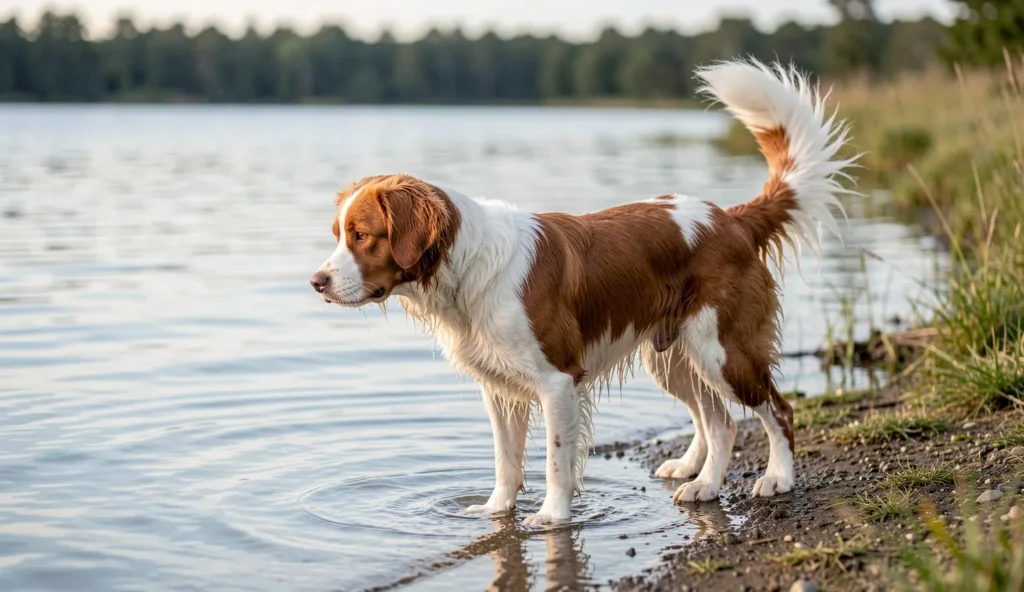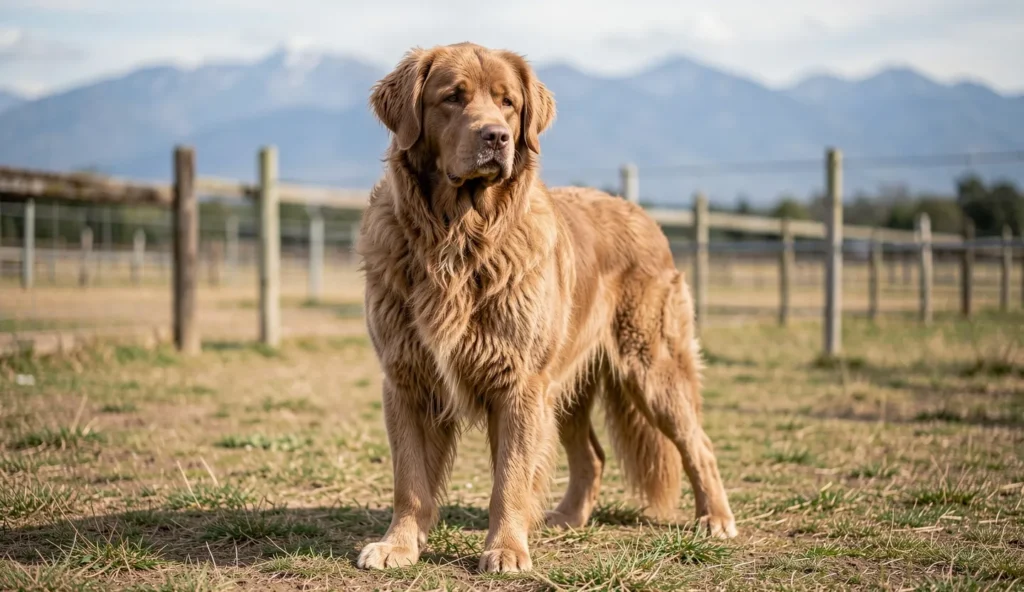
What Is The Estrela Mountain Dog?
The Estrela Mountain Dog is a large working dog from Portugal, known as a Portuguese livestock guardian for farm property and livestock boundaries. It develops a steady, serious style of guarding rather than constant barking. Many owners choose this rare Portuguese breed because it can monitor spaces with independence and long-term reliability. For buyers comparing guardian options, Farm life planning also benefits from looking at guidance for other large working breeds like Bernese Mountain Dogs.
Breed Origins In Portugal
The breed developed in the Estrela Mountains of Portugal, where cold, wet weather and long distances shaped daily work. It was selected to guard sheep and other livestock with minimal direction. Over time, its training culture focused on independence so the dog could continue guarding even when supervision was limited.
As a result, the Estrela Mountain Dog remains a guardian that watches boundaries and uses controlled presence. It often settles into routines that match the property layout. That background explains why this guardian dog tends to act with caution around unfamiliar activity.
How The Breed Guards Livestock And Property
The Estrela Mountain Dog patrols a property perimeter and checks livestock boundaries in a practical, repeatable way. Instead of waiting for constant commands, it uses context to decide when attention should shift. When threats appear, the response can include deterrence through posture and controlled defense.
Furthermore, this working style fits environments where livestock move between pens, gates, and feeding areas. Calm, predictable farm routines often help the dog understand what normal activity looks like. For a different but related herding and working background, some buyers also review resources such as German Shepherd profiles for training comparison.
Appearance And Thick Double Coat Features
The Estrela Mountain Dog appearance supports its job as a large working dog, built for movement on uneven land. Its most recognizable feature is a thick double coat that protects against rain, wind, and cold. Understanding the thick double coat matters because it directly affects grooming, shedding, and how quickly debris can build up outdoors. For another Portuguese working coat structure comparison, owners sometimes compare notes with Bergamasco Shepherd grooming needs.
Size, Proportions, And Build
This dog typically appears large and sturdy, with a balanced build for guarding and steady walking. Proportions support efficient movement, not exaggerated height or fragile structure. Strong legs and athletic form help it travel between feeding zones and boundary lines during daily farm shifts.
In practice, size affects housing and handling, especially during training and veterinary visits. Secure, comfortable space reduces stress, and it also helps the dog move naturally. Owners should also plan for steady leash handling due to the dog’s physical presence.
Coat Type And What A Thick Double Coat Does
The thick double coat acts as a layered barrier, with an outer coat that helps repel moisture and dirt. Under that, the insulating undercoat supports temperature control when weather changes quickly. That structure allows the dog to work outside without getting chilled as easily during cold or wet periods.
At the same time, the undercoat can hold debris and trap moisture if the dog works through brush or wet grass. Seasonal shedding patterns can be noticeable, so grooming frequency must adjust during heavy shed cycles. Many owners find that a consistent brushing routine helps keep the coat manageable and comfortable.
Common Colors And Coat Patterns
Coat colors often match shades seen in Portuguese working lines, with variations that can appear in the body coat and facial markings. Some dogs display facial patterns typical of the breed, which helps with identification in field work. Texture can also vary slightly between individuals while the overall double coat density stays consistent.
Because coat appearance can change with season, expecting differences across the year reduces confusion. A well-kept coat still shows natural structure, but excess matting or persistent wetness can hide normal texture. For buyers researching other guardians and working coat types, King Shepherd care guides sometimes help with planning for large breed maintenance.
Estrela Temperament And Protective Behavior
Estrela temperament centers on calm seriousness, strong guarding instincts, and independent decision-making. As a guardian dog, it often prefers to observe and manage situations rather than seek constant interaction. This behavior suits experienced guardians who can provide structure while respecting the dog’s natural role.
At the same time, protection requires safe boundaries and clear expectations. When management stays consistent, the dog usually performs best as a farm dog that understands what belongs on the property. For owners evaluating other protective breeds, reviewing Best Guard Dog Breeds for Families can clarify what training demands often look like.
Independent Thinker With Strong Guarding Instinct
The Estrela Mountain Dog often works with minimal supervision and can decide when attention is needed. This independence can include challenging intrusions in a direct, controlled manner. Around unfamiliar settings, seriousness may show up as reserved behavior rather than playful curiosity.
Because this mindset develops early, training focuses on reliability and boundaries from day one. Clear rules help the dog understand what actions are expected. Rewarding calm choices also builds trust and reduces uncertainty during new situations.
Socialization Needs For Family And Livestock
Early exposure helps create calmer interactions with people and supports safe routines with livestock. Structured introductions reduce conflict risk when a new household member arrives. During bonding periods, supervision remains essential so the dog learns correct placement and interaction patterns.
Importantly, socialization does not remove guarding instincts. Instead, it teaches the dog that normal family activity and routine livestock care do not require a defensive response. When socialization and management align, the guardian role stays steady.
Interaction With Strangers And Other Animals
Many Estrela Mountain Dogs remain reserved with visitors and may watch strangers from a distance. Proper boundaries prevent overreaction by limiting surprise and uncontrolled access. Careful management matters during early introductions, especially with dogs the Estrela Mountain Dog has never met.
In farm settings, deliveries and outside workers should follow predictable entry procedures. Clear expectations for visitors often protect both the dog and the person arriving to work. If a second dog or livestock species joins later, supervised meetings help set routines quickly.
Exercise Requirements For A Large Working Dog
Exercise requirements for the Estrela Mountain Dog reflect its job as a large working dog with a guardian routine. Daily activity supports mobility, mental focus, and stable behavior indoors. While it can handle outdoor conditions, it still benefits from structured walking and patrol-style time that matches real farm habits. Many owners also cross-check activity plans with Australian Shepherd exercise ideas, even though training goals differ.
Daily Physical Activity Targets
Consistent outdoor time supports working habits and keeps the dog comfortable in its environment. Walks, boundary checks, and controlled off-leash time can help if safety and fencing stay reliable. Climate awareness matters, because pacing during hot or very cold days affects comfort and joint health.
For many farms, activity comes naturally through feeding cycles and moving between pens. Still, intentional routines help prevent sudden increases in restlessness. If the dog works all day without breaks, rest zones support calm recovery.
Mental Stimulation For Independent Working Instinct
Mental stimulation matches the dog’s guardian instincts by giving tasks tied to observation and boundaries. Enrichment can include scent work and planned checking routes that stay on property. Without mental load, some dogs can develop persistent guarding behaviors inside or around doors.
Additionally, the dog needs opportunities to practice calm while routine tasks happen nearby. Short sessions often work best, especially for working dogs that prefer predictable patterns. Keeping tasks aligned with the guardian role also avoids confusion.
Managing Energy In Farm Environments
Farm boundaries can provide natural supervision because the dog knows where it should be working. Controlled access during training and early stages reduces stress and prevents roaming. Shelter and rest zones should exist during peaks of activity so the dog can recover without losing focus.
When energy stays managed, guarding stays functional rather than disruptive. Owners should also plan safe pathways so the dog can move between feeding areas without getting stuck behind gates. Good planning reduces hazards for both the guardian and the handlers.
Training Techniques That Fit An Independent Guardian
Training for the Estrela Mountain Dog must match an independent guardian dog that uses judgment. Instead of relying on constant correction, training focuses on clear rules, management, and reliable responses. Protective dog training works best when routines stay consistent and expectations remain simple and repeatable. For owners comparing general guard training concepts, background from Doberman Pinscher training discussions can offer useful contrasts, even though breed temperaments differ.
Start Early With Structure And Consistent Rules
Estrela training should begin early with clear routines and predictable cues. Reward calm behavior and immediate compliance to reinforce reliability. Frequent rule changes confuse an independent dog and can lead to inconsistent responses around livestock and visitors.
Furthermore, training helps shape the dog’s decision-making so protection stays appropriate. Clear expectations around gates, feed areas, and handling time reduce friction. When structure stays steady, the dog learns how to fit into farm work.
Leash Manners And Recall Priorities
Leash manners require steady practice in low-distraction areas first. Recall should be trained with increasing distances only when the dog can reliably respond. Secure environments reduce chasing or roaming, which matters because guardian dogs may investigate disturbances.
When a leash routine stays consistent, the dog remains manageable during routine checks and vet visits. Owners should treat leash control as a daily habit rather than a one-time lesson. Small training sessions can improve reliability faster than infrequent long sessions.
Household And Farm Boundary Training
Off-limits zones and controlled entry points help the dog understand where work begins and where it must not cross. Practice calm behavior near gates, pen edges, and feed handling areas. Visitors and delivery personnel should follow a stable approach path so the dog does not learn to anticipate chaos.
Also, boundary training reduces risk during livestock care tasks that require close human proximity. It helps the dog accept handling routines around the property. Over time, the dog can guard effectively while staying out of the way when specific work happens.
Positive Reinforcement Approaches That Work Best
Positive reinforcement approaches work best when sessions stay short and rewards remain high value. Handlers should build associations with routines so the dog expects fair, predictable training. Management should lead, training should follow, and then maintenance keeps skills stable.
Because the Estrela Mountain Dog may not seek frequent attention, reward selection matters. Using food or appropriate rewards that match the farm routine can keep the dog focused. When training stays calm, protective behavior becomes easier to direct.
Grooming Care Tips For The Thick Double Coat
Grooming care for the Estrela Mountain Dog centers on maintaining a thick double coat that protects in the outdoors. The coat traps debris while working through brush, so regular care supports skin health and comfort. During shedding, grooming prevents loose undercoat from building up and matting near the body. For owners who also manage seasonal shedding, reviewing Ridgeback Dog coat grooming basics can help with general brushing routines, even though coat types differ.
Brushing Frequency During Normal And Shedding Periods
Brush regularly to remove loose undercoat and reduce shedding mess around the property. During seasonal heavy shedding, increase brushing frequency to manage the undercoat layer. After rough grazing or working outdoors, remove debris to prevent irritation and tangles.
For many owners, daily brushing becomes practical only in shedding season. Outside those periods, a consistent schedule can still work if the dog spends less time in deep brush. The main goal stays the same, which is to keep airflow near the skin and remove loose fur.
Bathing And Drying Practices
Bathe only when needed because frequent bathing can strip natural oils. Use breed-appropriate shampoo and rinse thoroughly to avoid residue in the thick coat. Dry fully, especially in dense undercoat areas where moisture can remain trapped.
If wet weather work happens often, owners may prefer spot cleaning between full baths. Still, routine coat inspections should follow any heavy rain period. Drying steps also reduce odor and skin irritation risk.
Coat Checks For Mats Burrs And Skin Irritation
Coat checks should focus on areas that collect debris, including behind the ears and around the collar zone. Look for tangles after the dog moves through tall grass, brush, or rough terrain. Monitor skin for redness, persistent scratching, or areas that feel unusually warm.
When mats form, they can pull on the skin and create discomfort during guarding work. Removing small tangles early usually prevents larger mat growth. If irritation persists, veterinary input should guide next steps.
Nail Ear And Dental Maintenance
Nail trimming reduces discomfort and supports stable footing on hard farm surfaces. Ear inspections help catch buildup from outdoor exposure, especially around dust and plant material. Dental maintenance also supports long-term health, and regular brushing can reduce plaque buildup.
Many guardians dislike handling in busy farm environments, so grooming sessions should match the dog’s comfort level. Start with short handling sessions and reward cooperation. Over time, maintenance becomes easier for both dog and handler.
Diet And Nutrition For A Working Guardian Dog
Diet and nutrition for the Estrela Mountain Dog should support a large working dog that needs energy for daily movement and mental focus. Feeding choices also affect coat quality, joint health, and overall body condition. A consistent routine helps the dog maintain stable digestion while working through farm seasons. For owners comparing feeding strategies across similar sizes, general large breed guidance in Exotic Dog Breeds can provide a framework for planning, even though specific brands vary.
Choosing A Complete Diet For Large Breeds
Select a complete dog food formulated for large breeds and choose one that matches workload levels. Calorie intake should align with body condition and activity, rather than fixed amounts. Prefer consistent brands to reduce stomach upset when routines shift between seasons.
Protein and fat levels should support active guarding while keeping weight stable. Weight that creeps up increases joint strain and makes movement less comfortable. When diet matches the dog’s real workload, the coat and energy typically stay steady.
Feeding Schedule And Portion Control
Use measured portions instead of free-feeding to keep calorie intake predictable. Adjust portions based on seasonal activity changes, especially during colder months or heavy labor weeks. Body condition score checks each month can guide whether portions stay correct.
In addition, avoid abrupt diet changes when moving between farm routines. When changes become necessary, transition gradually so digestion adapts. A stable feeding schedule also helps the guardian stay calm around feeding areas.
Hydration And Outdoor Feeding Safety
Provide clean water accessible during all weather, since dehydration risk rises during warm periods and heavy work. Wash bowls regularly to reduce contamination from feed dust and outdoor debris. When feeding outside, keep food covered or elevated when possible to deter pests.
Hydration safety matters for large working dogs because overheating can affect energy and joint comfort. If the dog works through wet or muddy environments, monitoring water access supports stable recovery after patrol work. Good hygiene around feeding also supports skin health through fewer irritants.
Common Health Issues In The Estrela Mountain Dog
Common health issues for the Estrela Mountain Dog often relate to large working dog anatomy, coat maintenance, and outdoor exposure. Preventive habits reduce risk and support earlier detection when problems start. Thick double coats protect the skin, but they can also trap moisture and debris that contribute to irritation. When owners plan preventive care, they often look at general large working dog risks and compare symptoms across breeds like Tibetan Mastiff Dog.
Joint And Mobility Concerns In Large Working Dogs
Large working dogs can develop hip and elbow problems, so mobility should be monitored consistently. Lean body condition reduces joint strain during daily movement across uneven ground. If limping appears, it should be reported early so management can start sooner.
Owners should pay attention to stiffness after rest and changes in how the dog climbs gates or steps. Exercise that matches the dog’s current ability stays safer than forcing long runs. Joint health improves when the diet and activity plan stay aligned.
Skin Coat And Allergy Monitoring
Thick coats can trap moisture, plant material, and dirt, which increases the need for skin checks. Watch for hot spots, redness, and persistent itching, especially after working in brush. Veterinary input matters when symptoms persist or worsen over several days.
Also, be alert for odor, excessive licking, or small scabs that keep returning. These signs often mean the skin barrier needs attention. Regular brushing and thorough drying after wet work reduce many common skin problems.
Eye And Ear Risks To Track
Outdoor exposure can affect eye clarity and increase tearing in some situations. Ears should be inspected for debris buildup and odor, particularly after dusty workdays. Gentle cleaning can help when appropriate, but harsh routines can worsen irritation.
Owners should avoid deep probing and focus on visible debris. If discharge or strong odor appears, a veterinary exam should follow. Keeping eyes and ears clear supports comfortable guarding work.
Preventive Care That Supports Longevity
Keep vaccinations and parasite prevention current to reduce infection risk. Routine exams and bloodwork can support earlier detection of internal issues when recommended. Dental care also supports longevity by reducing infection risk over time.
Because working dogs often accumulate minor injuries, preventive checks also help catch small issues before they affect movement. Stable preventive care reduces downtime and supports consistent farm coverage. When health plans stay steady, the dog remains more able to do its job.
Is The Estrela Mountain Dog Right For You
The Estrela Mountain Dog can fit farm life when guardian expectations are clear and management stays consistent. This breed suits property with livestock boundaries and defined roles where the dog can work without confusion. Most of all, the dog does best with experienced guardians who can handle independence through structure and training. Some owners exploring large guardian options also compare fit with Exotic Dog Breeds pages to understand different ownership demands.
Best Fit For Farm Owners With Guardian Experience
The Estrela temperament often matches farm owners who already understand livestock boundaries and daily routines. It can work well where supervision follows a predictable pattern and the dog has a consistent job. Patience helps because independent decision-making takes time to align with household expectations.
Training consistency matters because the dog learns through repeated structure. Grooming needs also require ongoing planning for the thick double coat and shedding cycles. When those responsibilities stay in place, the guardian role can become stable and predictable.
Common Mismatch Risks To Consider
This rare Portuguese breed may not fit homes that need constant friendliness from a dog. If visitors and strangers become unpredictable, the dog may respond with stress or guarded behavior. Under-exercise or inconsistent handling can also increase problems, especially indoors where the dog loses its working outlets.
Another mismatch risk involves boundary control, because independent guardians need safe access patterns. If fences or entry procedures are unreliable, the dog may practice guarding in unsafe ways. Secure setup prevents most common issues.
Practical Requirements Before Choosing
Before choosing an Estrela Mountain Dog, secure an outdoor setup with safe access controls. Plan time for grooming and routine health checks, especially during shedding seasons. Commit to training consistency and early socialization so the guardian behavior stays manageable.
It also helps to review daily workflow to ensure the dog can rest after active patrol times. When work schedules match the dog’s needs, the guardian often becomes easier to handle. With preparation, this large working dog can become a reliable presence on the farm.
Final Note
The Estrela Mountain Dog blends Portuguese guarding history with a thick double coat built for outdoor work. Proper management, structured training, and regular grooming help the guardian role stay safe and effective.
Frequently Asked Questions
How Much Exercise Does An Estrela Mountain Dog Need?
Provide consistent outdoor activity and patrol-style time that matches farm routines. Add mental tasks that fit its guardian instincts.
How Often Should The Thick Double Coat Be Brushed?
Brush regularly to control shedding and debris buildup. Increase brushing during seasonal heavy shedding periods.
Are Estrela Mountain Dogs Good With Livestock?
They were bred to guard livestock in Portugal, but training and supervised introductions remain important for safety. Clear boundaries help the dog understand expected roles.
What Training Methods Work Best For An Independent Guardian Dog?
Use consistent routines and clear cues, and reward calm reliability. Training should focus on leash manners and stable responses near livestock.
What Common Health Issues Affect Large Working Dogs Like This Breed?
Watch for joint and mobility problems and keep body weight stable. Monitor skin and coat for irritation or signs of allergy.
Do Estrela Mountain Dogs Handle Cold Weather Better Than Warm Weather?
The thick double coat provides protection in cold and wet conditions. Reduce heat exposure and provide shade and rest during warm periods.