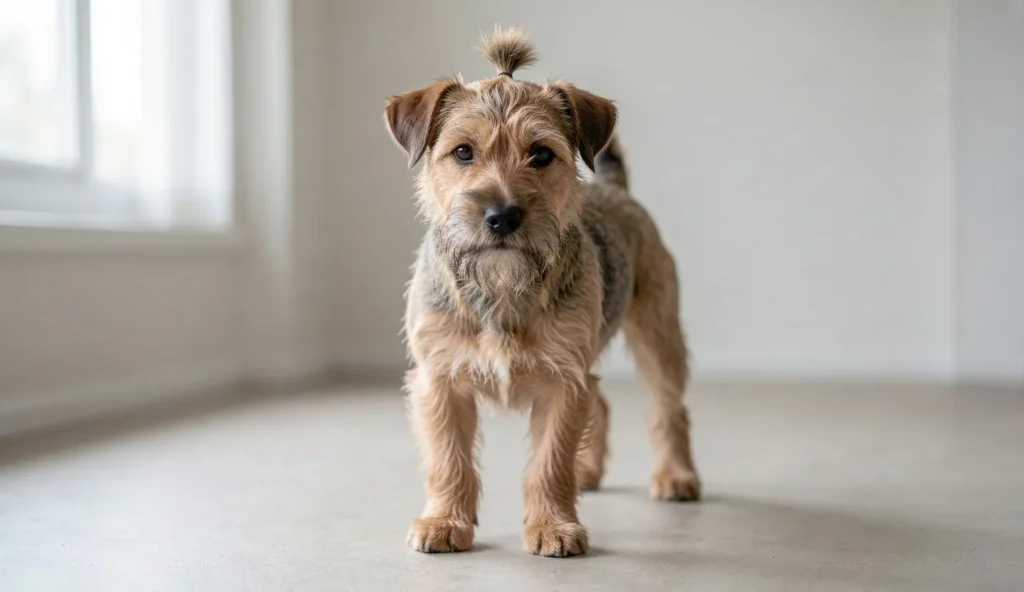
What Is A Dandie Dinmont Terrier?
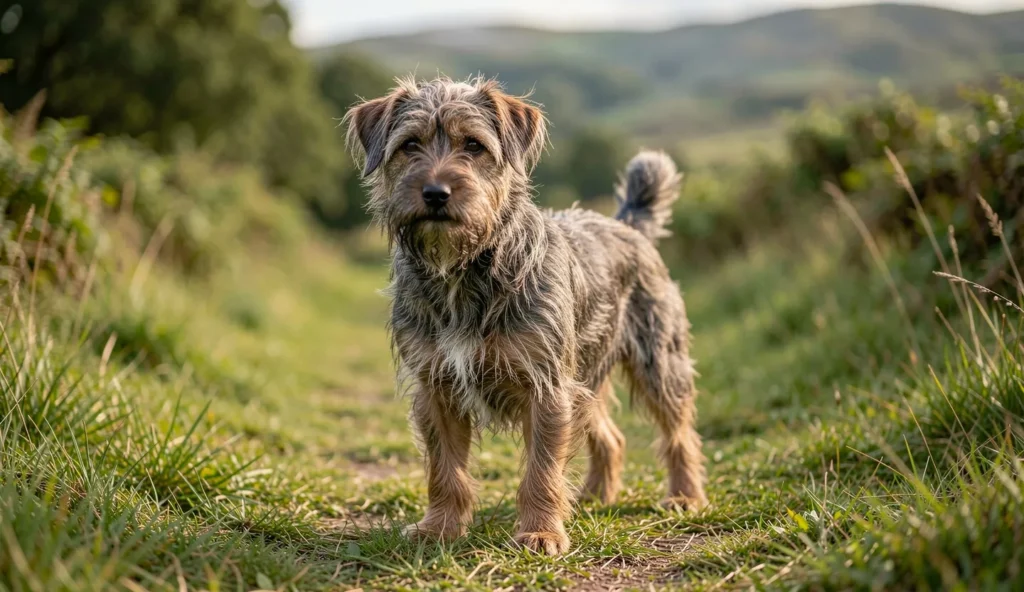
The Dandie Dinmont Terrier is a rare Scottish breed known for a domed skull, a low-slung body, and a signature topknot. This small terrier originally developed in the Scottish Borders for working tasks on farms. Today, it attracts terrier lovers who want a compact companion dog with a distinctive look.
People often compare it to other terriers, but the head shape stands out first. The breed’s proportions support a steady, purposeful movement, not a flashy gait. For additional context on Scottish terrier types, it also helps to review breed backgrounds like the Norwegian Lundehund breed when comparing rare working histories and regional development.
Breed Origins In Scotland
The Dandie Dinmont Terrier developed in the Scottish Borders and nearby regions. Historically, it worked around farm environments where a small terrier could handle tasks that needed persistence. Over time, it became closely associated with the Dandie Dinmont family name used in local references.
Because the breed emerged for practical farm work, many modern traits still reflect that heritage. Owners typically see an alert, independent terrier style rather than a highly showy temperament. That farm background also supports the breed’s interest in scents and movement.
One Key Trait That Sets This Terrier Apart
One key trait sets the Dandie Dinmont Terrier apart from other terriers. It holds the unique distinction of being the only terrier with a domed skull. This domed skull gives the head a rounded profile that supports the breed’s familiar expression.
In addition, the topknot frames the face and emphasizes the skull shape from almost every angle. When combined with a compact body, the overall silhouette stays recognizable even at a distance. That head proportion also helps explain why breed standards focus on form and texture.
Breed Size And Typical Life Span
This terrier typically stays small, which makes it suitable for apartment living. Even so, it still needs daily engagement to stay content and behave well. Individual life span can vary, but many dogs live for multiple years with appropriate care.
Longevity often depends on genetics, diet, and preventive health routines. Weight management plays a role because extra body condition can stress a low-to-the-ground frame. With steady veterinary support and good grooming, many owners expect healthy, long-term companionship.
Appearance And Physical Features
The appearance of the Dandie Dinmont Terrier follows a consistent pattern. A domed skull, a topknot, and a wiry coat create a look that many people describe as unusual. Even beginners can recognize the breed quickly after learning the head shape and coat texture.
Because the coat carries texture differently from many smooth-coated dogs, grooming expectations matter. Coat care directly affects how the breed looks and how comfortable it feels. When comparing coat styles, owners sometimes also explore resources like the Rare Small Dog Breeds That Don’t Shed to set realistic expectations.
Head Shape And The Domed Skull
The domed skull is the defining skull feature of this terrier. From the front, the head appears rounded rather than flat, and that shape influences how the eyes sit. The topknot adds height to the silhouette and helps the face look more expressive.
Correct head proportions also support the breed’s bite and overall facial structure. A complete set of teeth and an appropriate bite matter for comfort and long-term dental health. Therefore, responsible breeding and regular dental checks can prevent avoidable issues.
Topknot And Coat Texture
The topknot sits on the head as a signature feature, and it blends into the wiry coat around the body. Coat texture often looks rougher on the main body while the face may feel softer. This contrast becomes noticeable as grooming routines remove tangles and keep the coat in proper condition.
Two common coat color groupings exist in breed standards, and each grouping supports the classic look people expect. Coat color can also shift with age, but the topknot usually stays easy to identify. When planning wirehaired coat care, brushing and trimming schedules should match the dog’s growth pattern.
Body Shape And Movement
The Dandie Dinmont Terrier often shows a low-slung body with shorter legs. That structure creates a grounded look and supports steady movement. During walks, it usually carries the tail with an alert posture rather than a lazy curve.
Movement should feel balanced and purposeful. Because the legs remain shorter, strong pacing and careful foot placement matter for comfort. Owners can support healthy motion through safe exercise choices and weight control.
Common Size Range And Build Details
The compact frame includes strong bones and a moderate, athletic feel. While the dog remains small companion dog in size, it should not appear delicate. Muscle development can improve with consistent activity and a diet designed for small breeds.
Because body shape stays low, some owners underestimate how much support the joints need. Balanced exercise and careful surfaces help reduce strain. Over time, a stable routine supports both mobility and coat health.
Dandie Dinmont Temperament And Personality
The Dandie Dinmont temperament is commonly described as alert, curious, and independent. As with many terriers, it can investigate new sounds and smells without waiting for permission. That terrier mindset often creates charming behavior, but it also requires consistent guidance.
Owners should plan for a dog that thinks and decides for itself. With clear rules and positive training timing, the dog usually responds well. For readers who want comparisons in terrier mindset and handling, the Patterdale Terrier Dog Breed guide provides helpful context for how terriers can differ while still sharing core traits.
What Owners Often Notice First
Many owners notice an independent streak early on. The dog often stays curious, alert, and quick to investigate household changes. At the same time, it usually forms strong bonds with familiar people.
That bonding can show up as follow-the-person behavior during quiet times. However, the dog may also test boundaries if routines remain unclear. Therefore, calm leadership and predictable schedules help shape the daily personality.
Energy Level And Daily Activity Style
This terrier typically enjoys short bursts of activity and then transitions to relaxed rest. Regular walks and playful exploration meet most daily needs. Mental engagement also matters because boredom can trigger unwanted digging or nuisance behaviors.
Because it adapts to smaller spaces, exercise plans do not need to be extreme. Instead, quality time with scents, training, and light play often works better than long, tiring sessions. A predictable routine also keeps the dog calmer at home.
Social Behavior With People And Pets
The Dandie Dinmont Terrier often stays people-friendly with proper socialization. Still, it may show prey drive toward small animals, especially if the dog lacks early exposure. Managed introductions and controlled environments reduce conflicts.
When meeting new pets, supervision helps prevent chasing behavior. Training that rewards calm attention improves social manners. Over time, consistent guidance can support a more stable household routine.
Suitability For First Time Terrier Owners
This breed can work for first-time owners who offer patience and consistency. Training clarity reduces stubborn moments and improves daily cooperation. Coat care also plays a role because grooming needs affect comfort and cleanliness.
First-time owners succeed best when they treat grooming as a weekly habit rather than a rare chore. In addition, early handling and socialization build confidence. When those basics remain steady, the Dandie Dinmont can become a manageable terrier companion.
Exercise Requirements For A Dandie Dinmont Terrier
Exercise needs for the Dandie Dinmont Terrier focus on daily movement plus mental work. A small terrier still benefits from consistent routine and controlled outdoor exploration. With the right balance, the dog stays fit without putting unnecessary stress on its low-slung frame.
Short activities also suit the breed because it often alternates between alert interest and rest. At the same time, an enriched environment can reduce restlessness inside. If planning a comparison to understand small dog energy patterns, reviewing Kooikerhondje can offer perspective on how different breeds manage activity and attention.
How Much Walking Is Typical
Most owners plan regular daily walks that support both physical and mental health. Short walks can work well when paired with play or brief training sessions. Adjusting pace to the dog’s comfort keeps the routine safer for joints and paws.
Body condition helps determine how much activity fits best. If weight increases, walks may need to become longer or more structured. If mobility seems limited, exercise should focus on low-impact options.
Best Activities For A Small Terrier
Terrier-appropriate activities include fetch and tug, but frequency should stay controlled. Scent games can also provide strong mental stimulation while remaining safe. Leash training often matters in busy areas where distractions test attention.
For nose work, simple searches in a safe space can satisfy the breed’s investigation drive. Training games that reward calm checking also teach focus. These activities also align well with indoor time on days with poor weather.
Safety Tips For Leash And Outdoor Time
Outdoor time should include safe equipment that fits properly. A secure harness or collar helps prevent slipping during sudden movement. Regular checks for wear support comfort and reduce the chance of injury.
In yards or parks, digging impulses may appear, so monitoring and redirection help. Supervision remains essential around wildlife and small pets because prey drive can override recall. Controlled exposure keeps outdoor exploration enjoyable.
Training Tips That Work For This Rare Scottish Breed
Training a Dandie Dinmont Terrier works best when it stays simple, consistent, and rewarding. Like many terriers, it can develop selective hearing when stimulation rises. Clear timing and calm handling prevent frustration and support better outcomes.
Because this breed also requires coat maintenance, training should remain coat-friendly. Reward routines can include touch cues for brushing and ear checks. That approach helps grooming feel less stressful for both dog and owner.
Start Socialization Early And Keep It Ongoing
Early socialization should expose the dog to people, sounds, and surfaces in gradual steps. Rewards for calm behavior reinforce confidence in new situations. Overwhelming sessions can reduce learning, so short, positive exposures often work better.
Ongoing socialization supports stable manners in everyday life. Visiting quiet locations and meeting familiar people can build comfort. When social learning stays consistent, the terrier often handles routine challenges more calmly.
Use Simple Commands And Reward Timing
Short training sessions help the dog focus and reduce stubborn behavior. Treat rewards should arrive within seconds so the dog connects action to outcome. Consistency across days and environments improves reliability.
Commands like sit, stay, and recall-based alternatives can all be taught with positive reinforcement. If progress seems slow, reducing distractions often improves learning. Clear structure also prevents confusion that can lead to unwanted habits.
House Training And Routine Planning
House training works best with predictable feeding and potty schedules. Praise should happen immediately after successful outdoor elimination to reinforce correct timing. A crate or confinement setup can help when it provides calm comfort.
Routine planning matters because terriers often respond to schedule cues. Feeding at similar times supports a more consistent elimination cycle. Over time, the home routine becomes easier for both the dog and owner.
Leash Manners For A Determined Terrier
Loose leash walking should begin early and stay reinforced throughout daily walks. Rewards for checking back help create attention habits. Encouraging gentle forward motion reduces pulling while keeping the walk calm.
Harsh corrections often worsen reactivity in terriers, so the approach should stay positive. If leash frustration appears, distance and calmer environments reduce triggers. With steady practice, the dog can become more predictable on busy streets.
Grooming And Care Tips For The Topknot Coat
Grooming the Dandie Dinmont Terrier focuses on managing its wiry coat and keeping the topknot in good condition. With proper wirehaired coat care, the coat stays tidy, comfortable, and easier to maintain at home. Because tangles can develop quickly, grooming needs should be built into weekly schedules.
Regular grooming also helps owners notice skin problems early. When skin feels irritated or the coat becomes rough suddenly, inspection should follow. If readers want broader context on coat behavior, comparing with another rare breed guide like Teddy Bear Dog can highlight how coat needs vary across small companions.
Brushing Frequency And Mat Prevention
Brushing should happen regularly to reduce tangles and matting. Extra attention should go to the topknot and around the ears where friction occurs. Weekly coat checks help catch early knots before they become painful.
During brushing, using gentle sectioning keeps hair from pulling. If mats appear, removal should be careful because harsh pulling can injure skin. A steady routine supports the classic look of the topknot and overall coat.
Bathing And Drying Steps
Bathing should use a gentle dog shampoo suited for wiry coats. Rinsing thoroughly remains necessary to prevent residue that irritates the skin. After washing, careful drying reduces damp odor and prevents new tangles.
Drying should focus on complete moisture removal, especially around the ears and undercoat areas. Owners often find that air drying alone can leave hair clumped. After drying, light brushing helps restore coat texture.
Ear, Nail, And Eye Care Basics
Ears should get regular inspection for redness, odor, or increased wax. Nails require trimming to a safe length for comfortable movement. If eye staining appears, gentle wiping of the corners can help reduce buildup.
These routine checks often prevent problems from becoming emergencies. Ear issues can worsen quickly, so early detection supports easier treatment. Dental comfort also affects eye comfort because overall health influences inflammation.
Professional Grooming Needs
Professional grooming can support coat upkeep when home brushing cannot fully manage texture. Owners should ask about stripping or trimming options that match the breed’s coat type. A grooming schedule based on growth speed can keep the topknot neat.
Because grooming preferences vary, a groomer familiar with the breed helps. Maintaining a consistent plan also reduces sudden coat changes that feel uncomfortable for the dog. Over time, professional support combined with weekly home care works best.
Diet And Nutrition For A Healthy Dandie Dinmont Terrier
Diet and nutrition shape the Dandie Dinmont Terrier’s energy, coat condition, and body condition. Small terriers do best with balanced meals designed for small breeds. Measured feeding helps avoid weight gain in a compact frame.
When food choices align with activity level, digestion often becomes more stable. It also supports a wiry coat that stays easier to manage. If readers want help comparing feeding approaches between breeds, reviewing Poodle dog nutrition basics can show how grooming-friendly diets sometimes differ.
Choosing A Complete Dog Food
Choose a complete and balanced dog food label that lists a clear protein source. Matching food to the dog’s age and activity level supports consistent nutrient intake. For small dogs, formulas often include appropriate calorie density.
Protein quality can matter for overall health and coat maintenance. Checking ingredient lists helps owners avoid uncertain blends. When switching foods, gradual transitions reduce stomach upset.
Portion Sizing And Feeding Schedule
Portion sizing helps manage weight in a low-to-the-ground build. Many adult dogs do well with two meals daily. Adjust amounts based on body condition and how easily the dog maintains healthy weight.
Body condition scoring offers a practical way to monitor progress. If ribs become hard to feel, portions may need adjustment. If the dog seems thin, small increases or feeding changes can help, but vet guidance matters.
Treats And Safe Add Ons
Treats should stay limited to a small percentage of daily calories. Training treats often work best when they are easy to chew and small in size. New foods or add-ons should get introduced gradually to avoid digestive problems.
For enrichment, treat-based activities can include scent searching with small rewards. However, treat volume should remain controlled. Keeping calories steady also supports healthy coat growth and better mobility.
Common Health Issues And What To Watch For
Common health issues for the Dandie Dinmont Terrier often connect to mobility, skin, and routine preventive care. Monitoring early changes makes it easier to address problems before they worsen. Many concerns can be reduced through steady grooming, careful exercise, and regular veterinary checkups.
Because the breed has a low-slung body, owners should pay attention to movement comfort. If pain appears, limiting activity and seeking veterinary advice helps. It also supports long-term stability in outdoor walking routines.
Signs That Warrant A Vet Visit
Seek veterinary care if persistent limping or changes in movement show up. Appetite, energy, and stool consistency should also get monitored as part of daily observation. Prolonged itching, skin redness, or repeated scratching can signal an underlying skin issue.
Oral discomfort may show up as reduced chewing or pawing at the mouth. Eye irritation can lead to squinting or watery discharge. Catching these signs early often makes treatment simpler.
Orthopedic And Mobility Considerations
Small, low-to-the-ground builds may face joint stress over time. Keeping body weight in a healthy range reduces strain on movement. Supportive steps for higher furniture can prevent jumps that stress joints.
Exercise should stay controlled, and surfaces should support stable footing. If the dog dislikes stairs, alternative routes can help. Owners can also use a slow warm-up before longer walks.
Coat And Skin Health Problems
Tangles can lead to skin irritation, so brushing and mat prevention matter. Checking the topknot and ear areas regularly helps owners spot redness or discomfort quickly. Allergies can occur, and veterinary guidance often helps identify triggers and treatment options.
Skin problems can also worsen when moisture remains trapped in the coat. Drying thoroughly after baths reduces that risk. A consistent routine prevents minor irritation from becoming chronic.
Dental, Eye, And Ear Care Watchpoints
Dental health affects overall comfort, so teeth should get routine attention. Eye checks help reduce staining and irritation, especially around the corners. Ear issues should get treated early to prevent deeper discomfort.
Small dogs can develop buildup faster than expected. Regular wipes, careful cleaning, and vet support reduce complications. These watchpoints also complement grooming by keeping sensitive areas clean.
Is A Dandie Dinmont Terrier Right For You?
The Dandie Dinmont Terrier can fit well for people who understand terrier routines and grooming needs. This rare Scottish breed offers a distinctive topknot and a domed skull look that stays memorable. It also brings terrier energy that benefits from daily structure and mental engagement.
However, it may not suit every home. Owners should consider time for weekly brushing and consistent training. They should also consider whether small-pet safety can be maintained if prey drive appears.
Good Fit For People Who Want
A good fit usually includes people who want a rare Scottish breed with a distinctive topknot. It also works for owners who enjoy daily engagement through short walks and scent games. The domed skull look also appeals to those who want a small companion dog that stands out visually.
Owners who prefer manageable exercise and stable routines often do well with this terrier. Clear boundaries and positive training typically support long-term manners. With grooming consistency, the coat usually stays comfortable and clean.
May Not Be Ideal If
This breed may not be ideal if grooming time is not available. It also may not match households that cannot provide training consistency and patience. If home safety for small animals cannot be ensured, prey drive can create challenges.
Fast changes in routine can also affect a terrier’s behavior, because structure matters. If flexible scheduling for grooming and outdoor time does not exist, another breed may fit better. Considering daily realities prevents preventable stress later.
Best Next Steps Before Bringing One Home
Before bringing a Dandie Dinmont Terrier home, choosing a reputable breeder helps set expectations for health history. A plan for grooming tools and weekly schedule reduces surprises. It also helps to set routines for feeding, walking, and training from day one.
When questions come up about temperament and daily handling, speaking with the breeder and a vet provides clarity. Some owners also compare experiences with similar rare breeds to prepare for care differences. Reviewing breed guides such as Norwegian Lundehund Dog can highlight how unusual anatomy affects exercise planning and daily management.
Frequently Asked Questions
How Often Should A Dandie Dinmont Terrier Be Groomed?
Brush regularly to prevent mats and tangles. Check the topknot and ears weekly, and schedule professional grooming when coat texture needs support.
Do Dandie Dinmont Terriers Shed A Lot?
Shedding is often moderate to low, and grooming reduces loose hair around the home. Coat changes can temporarily increase shedding in some dogs.
What Is The Dandie Dinmont Temperament Like?
The Dandie Dinmont temperament typically stays alert and curious with an independent terrier personality. Consistent training helps improve manners and daily reliability.
How Much Exercise Does A Dandie Dinmont Terrier Need Each Day?
Daily walks and play support physical and mental health. Short, frequent activity often works well, and leash safety improves outdoor exploration.
Are Dandie Dinmont Terriers Good For First Time Dog Owners?
They can be manageable with patience, routine, and early training. Grooming requirements also matter, so weekly care time should be planned.
What Common Health Problems Should Owners Watch For?
Watch movement changes and joint comfort, and monitor skin irritation from tangles. Also stay alert for dental, ear, and eye issues during routine checks.
A Final Check On Daily Care And Comfort
The Dandie Dinmont Terrier can thrive when grooming, exercise, and training stay consistent. With attention to the domed skull features, topknot coat care, and routine health monitoring, this rare Scottish breed often becomes a reliable companion.