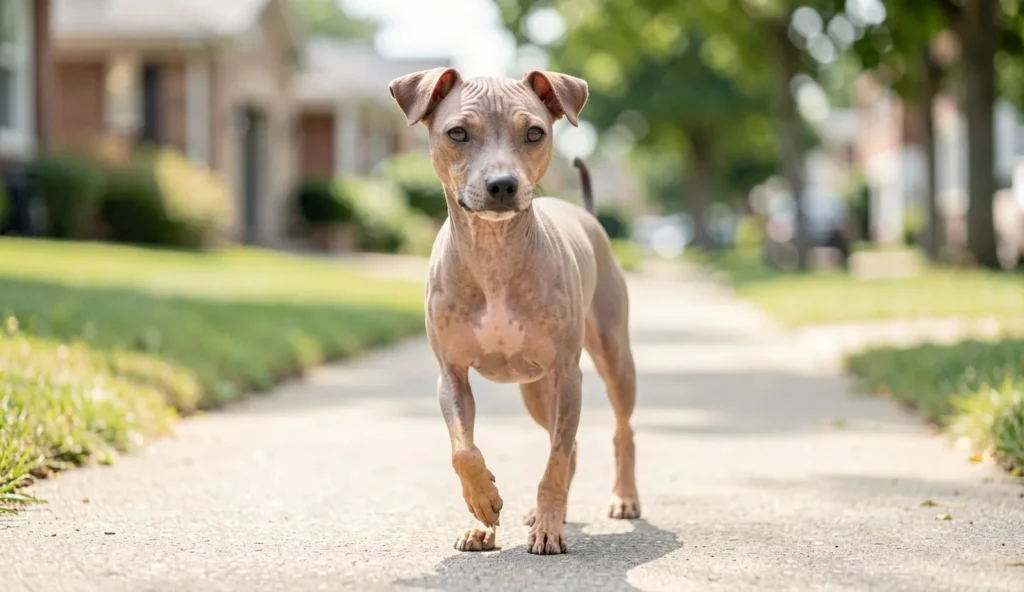
What Is An American Hairless Terrier?
The American Hairless Terrier is a small terrier that traces back to the Rat Terrier. This breed stands out for its hairless or low hair look and for a clear, practical care focus on skin. Many allergy sufferers and terrier fans look at this dog because the coat sheds less than typical breeds, though personal reactions still vary. For background on terrier relatives, the American Hairless Terrier’s connection to the Rat Terrier is a major part of its story.
When discussing an American Hairless Terrier, it helps to understand what “hypoallergenic” means in real life. No dog can promise zero allergy triggers for every person. Still, fewer loose hairs and reduced shedding-related dander can lower exposure for some households. That difference matters in daily cleaning routines and in how quickly allergy symptoms show up.
Breed Origin And Rat Terrier Connection
The American Hairless Terrier developed from Rat Terrier lines. The hairless trait appeared through natural breeding and selection, then continued to be refined to improve consistency. Over time, breeders in the United States worked to stabilize key features that made the breed easier to predict.
Because this dog comes from a working terrier background, it often keeps terrier drive and alert instincts. That heritage affects behavior patterns, training needs, and the way play turns into mental work. If a similar terrier comparison helps, readers may also want to review the Patterdale Terrier Dog Breed guide for a broader sense of terrier energy and focus.
What Hypoallergenic Means For This Breed
Hypoallergenic does not mean allergy-free. It usually means the dog may produce fewer allergy triggers like loose hair and shedding-related particles. In a hairless dog, dander and skin flakes can still be present, but shedding patterns often differ from coated dogs.
For some people, the reduction in hair on furniture and clothing lowers symptom flare ups. However, each allergy profile reacts differently to each animal. Even two American Hairless Terrier dogs can affect households in distinct ways, so testing with the individual dog remains the most reliable approach.
Breed Overview At A Glance
The American Hairless Terrier typically shows alert body language and quick attention to movement. It often fits active homes where short play sessions happen often. Skin care becomes a central part of ownership, which is different from many coated terriers.
Many owners also plan for grooming and hygiene in a more focused way. Instead of brushing hair, the routine centers on checking skin, using vet-safe cleansing, and managing dryness or irritation. For allergy focused households exploring low shedding options, the guide on Rare Small Dog Breeds That Don’t Shed can help compare expectations across breeds.
Appearance And Physical Features
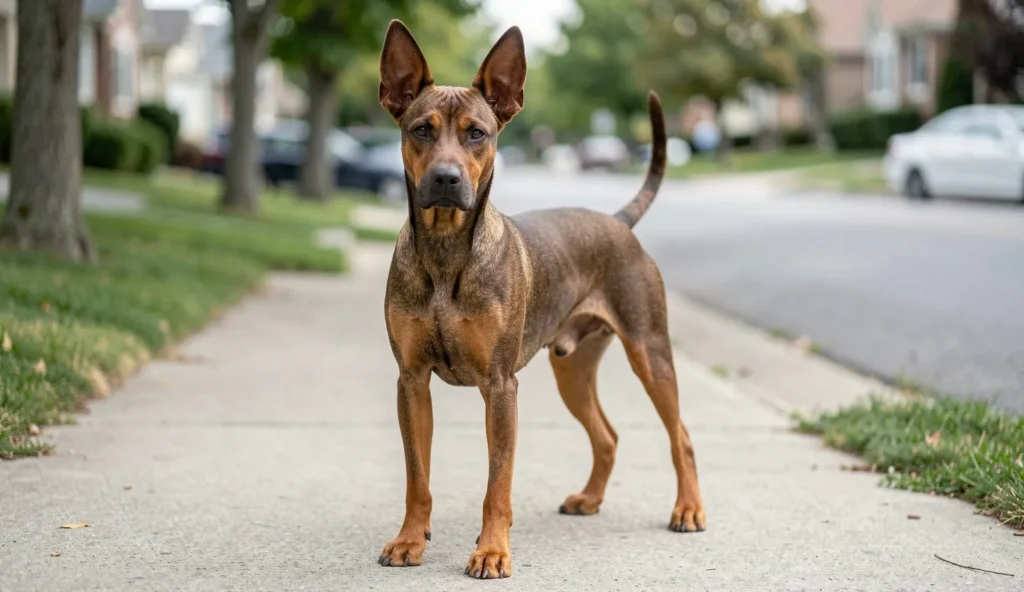
The American Hairless Terrier can appear truly hairless or show minimal hair depending on the individual. Some dogs carry a smooth, skin-forward look with natural markings that often become more noticeable in bright light. Day to day, the coat status affects skin comfort and how much “coat maintenance” owners must plan for.
Because the breed developed from Rat Terrier heritage, body shape often looks compact and athletic. Movement usually appears agile and balanced rather than heavy. Understanding the hairless versus coated variations also helps set realistic expectations for hypoallergenic concerns.
Hairless Look And Skin Characteristics
Hairless skin in this breed often looks smooth with visible texture and natural spots. Colors can include pink, black, blue, or blended patterns, though exact tones vary. Skin comfort often depends on temperature and sun exposure, so weather can directly change how the dog feels.
In bright sun, skin can become dry or irritated faster than a coated dog. In cold weather, wind exposure may cause discomfort unless clothing helps. Regular skin checks help catch redness, scabs, or dryness early before issues spread.
Powderpuff And Coated Variations
Some American Hairless Terriers may develop a coat called powderpuff, which can feel soft and show more visible hair. Other individuals may show a coat variation that sheds more than hairless dogs. That difference can change allergy expectations even within the same breed.
If the goal centers on hypoallergenic results, discussing coat status with the breeder matters. It also matters during adoption or placement, because grooming habits and cleaning routines may need adjustment. Coated dogs can still remain low shedding compared with typical breeds, but “hairless” and “minimal shed” are not identical.
Size, Build, And Movement
The American Hairless Terrier usually stays small with a compact terrier build. Movement often includes quick direction changes and short bursts of speed. This agility fits play styles like chasing toys, running during walks, and moving through small indoor spaces.
Owners should also watch how the dog lands on paws and how it holds posture during play. Even with a sturdy small build, terrier mechanics can reveal discomfort if joints or kneecaps become irritated. In practical terms, healthy movement supports consistent exercise and easier training sessions.
American Hairless Terrier Temperament And Personality
The American Hairless Terrier temperament often combines alertness with a friendly, family oriented approach. When socialized early, many dogs behave calmly around common household activity. Still, terrier instincts can include curiosity, watchfulness, and a strong response to small moving things outside.
Because this is a rare terrier breed with a terrier mind, enrichment becomes part of daily care. Owners who provide structure usually see fewer behavior problems than owners who skip routines. Training also supports hypoallergenic households, since calm dogs need less frantic movement and fewer rushed cleanup moments.
Typical Temperament Patterns
This breed often stays alert and curious, with a watchful terrier nature that notices changes. Many dogs become friendly once trust builds and boundaries remain clear. Some individuals may act cautious with strangers until they feel confident.
Early socialization supports smoother interactions with people and everyday sounds. It also helps the dog separate normal activity from real threats. When introductions stay controlled and calm, the American Hairless Terrier temperament usually becomes more predictable.
Energy Level And Play Style
Energy levels can fit most active households, especially those that enjoy interactive play. Many dogs like games that include mental work, like finding a treat or following a cue. Short training sessions often work better than long ones because terriers tend to lose interest when repetition becomes boring.
If boredom develops, restlessness can appear. Digging and frantic pacing may happen when a dog lacks outlets. Regular daily movement and structured play reduce those problems and also support skin health by maintaining healthy circulation.
Prey Drive And Other Animal Households
Terrier instincts frequently include a strong interest in small moving animals. Even friendly dogs can show pursuit behavior if a cat, bird, or small pet triggers instincts. Early exposure helps, but it does not always remove drive completely.
Supervision remains essential with cats and small pets. Calm introductions, controlled spacing, and consistent cues teach the dog what to ignore. In homes that already manage high prey drive, training priorities often resemble what owners learn from the American Pit Bull Dog guide about structured expectations and responsible training, even though the breeds differ.
Noise, Barking, And Attention Needs
Some American Hairless Terriers may bark to alert to visitors or unusual sounds. This behavior often improves with training and a consistent routine. Clear rules also help reduce “demand barking,” where noise gets attention but no action follows.
Daily engagement lowers nuisance behavior by giving the dog predictable tasks. Owners who use short cues, toy time, and routine walks often find barking becomes easier to manage. Attention needs remain moderate to high, especially in the first months of ownership.
Exercise Requirements And Everyday Activity
The American Hairless Terrier needs regular activity, but it usually does not require hours of running. Most owners succeed with consistent walks plus interactive indoor games. Because this breed focuses on skin comfort, exercise planning also includes thinking about sun, wind, and temperature.
When activity stays structured, the dog often behaves better at home. That includes improved calmness during cleaning and lower chances of destructive play. Since the dog is compact, many households can meet exercise goals without heavy yard time.
Daily Exercise Targets
Aim for regular daily walks and active play, split into multiple short sessions when needed. Many dogs enjoy two or more outlets rather than one long outing. Age, health, and energy level should guide the total amount of time.
For puppies, keep activity safe and age appropriate. For senior dogs, shorten sessions and focus on comfort and mobility. This adjustment also helps owners notice early signs of joint discomfort or skin irritation.
Safe Play Types For Terrier Drives
Interactive games often fit terrier drives better than passive play. Fetch and tug can support engagement when played safely and not too aggressively. Scent games also match natural curiosity and encourage calm problem solving.
Agility style exercises can work because the dog stays compact and agile. Simple obstacles like low jumps, weave poles, or tunnel toys can provide mental challenge. In addition, structured play helps training readiness because the dog learns to focus when given cues.
Weather And Skin Comfort Outdoors
Hairless skin can be sensitive to sun and wind exposure. Dog clothing can help in cold or windy conditions, and sunscreen approved for dogs may help for extended sun time. Rough surfaces can irritate skin, so owners should watch the dog’s comfort during and after walks.
When weather changes quickly, adjusting the walk time helps. Shorter outings during peak heat and checking skin after outdoor time can prevent discomfort. Those small changes support both everyday comfort and lower irritation triggers.
Training Tips That Work For This Terrier
Training works best for the American Hairless Terrier when sessions stay short and structured. A terrier mindset means focus can shift quickly, especially during exciting moments outdoors. With positive reinforcement, clear rules, and gradual progress, the dog often learns cues reliably.
Because allergy sensitive households often clean frequently, calmer training also helps. A dog that responds to cues reduces stress during grooming, skin care checks, and routine household routines. Training also supports safety around small animals since terriers can show strong instincts.
Training Approach And Motivation
Positive reinforcement with treats and praise usually works well for this breed. Keeping sessions short helps match the attention span typical of terriers. Clear cues and consistent rules improve reliability over time.
Using high value treats can improve focus during initial leash work. It also helps the dog connect commands with good outcomes. If distractions feel overwhelming, stepping back to a quieter place usually speeds learning.
House Training And Routine Building
House training works faster with a regular potty schedule. Many owners also use crate training to build routine and reduce accidents. After successful elimination outdoors, immediate rewards reinforce the correct behavior.
Consistency matters, especially for a small dog that can take quick moments to find a spot. Set times based on meals and play, and keep the schedule steady. This routine also supports skin care because walks happen at predictable times.
Leash Skills And Recall Basics
Leash skills should start in low distraction areas so the dog can learn leash expectations safely. Teaching recall with high value rewards supports off leash goals later, if conditions allow. Gradual practice around common triggers helps the dog improve without forcing unrealistic focus.
During early training, avoid long periods of tension on the leash. Instead, reward calm walking and redirect attention when excitement builds. Over time, the leash becomes a cue for teamwork rather than a struggle.
Socialization Steps From Puppy Stage
Socialization helps the American Hairless Terrier handle people, surfaces, and daily sounds without fear. Controlled introductions reduce tension and improve confidence. Reward calm behavior during new experiences, then end sessions before overstimulation.
Surface exposure matters because hairless skin can respond to rough textures. Short trips to different sidewalks, entryways, and safe parks can improve comfort. This process supports easier walking and smoother training around the home environment.
Grooming And Skin Care For Hairless Dogs
Grooming for the American Hairless Terrier centers on skin care rather than brushing. Daily checks reduce the chance of minor issues becoming bigger problems. With a simple routine using vet-safe products, owners often prevent dryness, redness, and recurring irritation.
These dogs also need allergy friendly cleaning habits inside the home. Since hair is not the main issue, skin flakes and dander can still collect on bedding and furniture. Managing home cleanliness helps allergy sufferers feel more comfortable and helps the dog stay healthier.
Daily Skin Checks And Routine
Check for redness, bumps, dry patches, odor, and scabs each day. After walks, a gentle wipe can reduce irritants like dust or plant particles. Monitoring paws and skin folds helps spot early friction irritation.
When signs show up, adjusting routine steps quickly can help. For example, reducing sun time or using clothing for wind can limit new irritation. A consistent log of skin changes can also support vet visits if problems repeat.
Bathing And Gentle Cleansing
Bathing should use dog-safe shampoo recommended by a veterinarian. Over bathing can dry skin and make irritation worse, so frequency should match individual needs. Rinsing thoroughly prevents residue that can irritate the skin.
After cleansing, gentle drying helps because trapped moisture can contribute to skin discomfort. Owners should also keep water temperature comfortable and avoid harsh scrubbing. When cleansing stays mild, the skin barrier can recover more effectively.
Moisturizing And Sun Protection Basics
Moisturizers can help if the skin becomes dry, but they should be chosen for dog skin. Sun protection matters if the dog spends time in bright weather, especially on light exposed areas. A veterinarian can recommend safest product types and correct application frequency.
Since skin reacts differently from breed to breed, a single product plan may not suit every dog. If a moisturizer causes stickiness or worsens odor, stop and ask for a new suggestion. Adjustments often prevent a cycle of dryness followed by irritation.
Nail, Ear, And Dental Care
Nails should be trimmed regularly to support comfortable movement and reduce accidental scratching. Ears benefit from weekly checks for wax buildup, odor, and irritation. Dental care also matters, because small breeds can develop plaque faster.
Brushing teeth helps reduce gum disease risk. Dental chews can support maintenance when used appropriately. When owners handle the mouth and ears gently during training, the dog usually tolerates care better.
Managing Home Cleaning For Allergy Sufferers
Home cleaning supports allergy goals because allergens can collect on bedding, rugs, and upholstery. Vacuuming with the right filter helps remove particles from floors and carpets. Wash the dog’s bedding on a consistent schedule so skin flakes do not build up.
Because allergy triggers differ, cleaning routines should match personal symptom patterns. If symptoms worsen after certain activities, adjusting the routine often helps. For other low shedding options in similar sizes, the Teacup Dog care guide can offer useful habits for managing hair and dander in small spaces, even though coat types differ.
Diet And Nutrition For Healthy Skin And Energy
Diet affects energy, body condition, and skin health, so the American Hairless Terrier should eat a complete balanced dog food. Small breeds often need portion control because extra calories can add weight quickly. Owners who plan meals carefully usually see steadier energy and fewer skin flare ups.
Nutrition also supports safe training, since treats should not overpower daily calorie intake. When food choices include quality ingredients, the dog’s overall health tends to improve. Still, changes should happen gradually to avoid stomach upset.
Choosing A Complete Balanced Dog Food
Select a complete dog food appropriate for small breeds and the dog’s life stage. Puppies need a formula built for growth, while adult dogs benefit from adult maintenance recipes. Reading labels for complete nutrition helps avoid gaps in essential nutrients.
Diet changes should happen gradually over several days. Sudden switches can lead to diarrhea or refusal to eat. When skin issues appear, food choices can play a role, but vet guidance remains the safest path.
Feeding Schedule And Portion Control
Use measured portions instead of free feeding to reduce weight gain risks. Many owners choose multiple small meals for puppies to support steady digestion. Adjust portions based on body condition, not just food labels.
If the dog looks too thin or too round, portions should change slowly while monitoring results. Regular body checks help owners catch early trends. This approach also improves training because treats can fit into a predictable daily routine.
Treats, Dental Chews, And Allergy Considerations
Treats support training, but they should remain limited to maintain healthy weight. If skin problems appear after introducing new foods, treat ingredients should be reviewed. Selecting treats with simpler ingredient lists can help identify patterns.
Fresh water should always stay available. Dental chews may support plaque control when the dog tolerates them well. For a broader look at similar plush coated companions with different care styles, the Teddy Bear Dog guide shows how coat type changes grooming priorities.
Supplements And When To Avoid Them
Avoid adding random supplements without a vet plan. Some supplements can interact with existing conditions or cause stomach upset. Instead, ask a veterinarian for guidance if persistent skin problems continue.
After any nutrition change, track skin and stool changes for a short period. If issues repeat, discussing the full diet list with a vet helps narrow down the cause. This approach reduces trial and error and keeps care focused.
Common Health Issues And What Owners Should Watch For
American Hairless Terrier health often centers on skin sensitivity plus the general small breed health needs. Owners should watch for irritation, dryness, odor, and scabs. Prompt care helps prevent secondary infections that can start after mild irritation.
Dental and ear care also matter because small dogs can develop issues faster without routine maintenance. Joint concerns can appear as well, especially around kneecaps. A simple preventive plan and consistent monitoring usually reduce the severity of problems.
Skin Conditions And Sensitivity
Hairless skin can develop dryness, redness, and irritation more easily than coated dogs. Red scabs and persistent bumps may require veterinary advice. Early intervention helps reduce pain and limits the chance of infection.
Owners should also check for triggers like sun exposure, wind, rough surfaces, or harsh cleansing products. If a pattern appears after outdoor time, clothing and surface changes often improve comfort. Keeping routines consistent supports the skin barrier.
Dental And Gum Disease Patterns
Small breeds can build plaque quickly, which can lead to gum disease if brushing and dental care do not happen regularly. Brushing teeth and using dental chews can support ongoing maintenance. Bad breath, bleeding gums, or chewing pain should trigger veterinary evaluation.
Dental problems can also affect eating habits, especially for small dogs. If appetite changes occur, a check for mouth discomfort often comes first. Keeping dental care on schedule helps prevent sudden issues.
Patellar And Joint Concerns
Some terriers can experience kneecap instability, which may cause skipping or unusual leg posture. Owners should watch for difficulty running, sudden reluctance to jump, or limping after play. Early diagnosis helps management and reduces long term strain.
Exercise should stay appropriate, especially for puppies whose joints are still developing. When training includes jumps, keep them low and safe. If a problem appears, adjusting activity often protects joints until a vet plan starts.
Allergy Related Issues And Ear Irritation
Allergy patterns can show in the ears and skin together. Ear wax buildup, itching, and odor may indicate irritation. Because trial and error can waste time, a veterinary diagnosis helps identify whether allergies or infection are involved.
Cleaning ears should follow vet instructions, since over cleaning can worsen irritation. Owners can support by watching for scratching and head shaking. When symptoms repeat, bringing video and notes to an appointment speeds up evaluation.
Preventive Care Schedule Basics
Preventive care includes vaccinations, parasite prevention, and routine vet exams. Planning regular checks supports early detection of skin issues, dental changes, and joint concerns. Tracking skin changes in a simple log also helps describe patterns clearly.
Annual exams often work for many dogs, but more frequent visits may help if skin flares repeat. Parasite prevention also protects ears and skin from external irritation. Consistency across the year reduces stress during flare ups.
Is The American Hairless Terrier Right For You?
The American Hairless Terrier can be a good match when allergy concerns and terrier preferences align. This breed suits people who want a small active dog and who will check skin daily. It also fits homes where cleaning routines remain consistent and predictable.
At the same time, the dog may not fit every climate or lifestyle. Outdoor comfort depends heavily on protection and safe surfaces. Also, terrier instincts require attention, especially around small pets.
Good Fit Scenarios For Allergy Aware Homes
Households seeking a small, active terrier companion often do well with this breed. Owners who plan for daily skin checks usually manage issues faster. People comfortable with consistent cleaning routines typically reduce allergy triggers more effectively.
Apartment living can work if walks and indoor engagement stay consistent. Mental stimulation helps reduce restlessness. When routines stay stable, the dog often adapts well to indoor life.
Potential Mismatches To Consider
Cold or hot climates may require clothing, sun protection, and walk timing changes. Homes where training time is inconsistent may struggle with alert barking and restlessness. Situations with frequent unsupervised small animal exposure also create risk due to terrier instincts.
Some people also underestimate the value of daily skin checks. If daily care feels impossible, a coated low shedding breed might fit better. Still, for owners who can commit to routine, the care process often becomes simple.
How To Evaluate The Hypoallergenic Claim Responsibly
Testing with the individual dog remains the most realistic way to evaluate allergy fit. Confirm whether the dog is fully hairless or powderpuff, since coat status affects expectations. If allergy symptoms appear, plan follow up and be ready to adjust the decision quickly.
Even with careful planning, results can vary by person and by day. Some households improve after adjusting cleaning routines and grooming care products. The key is to match decisions to real reactions, not marketing alone.
Starter Checklist For New Owners
A good setup makes American Hairless Terrier care easier from day one. The checklist below focuses on skin comfort, training success, and allergy friendly routines. Preparing supplies before the dog arrives also reduces stress for both the household and the new pet.
Supplies For Skin Care And Comfort
- Dog safe cleanser recommended by a veterinarian
- Moisturizer only if approved for the dog’s skin type
- Sun protection suited for dogs when needed
- Dog clothing for cold or windy outings
- Soft wipes for gentle after walk skin cleaning
Supplies For Training And Daily Life
- Small breed appropriate leash and harness
- High value training treats for short sessions
- Chew options to support dental care and enrichment
- Washable bed and routine laundry basket
Frequently Asked Questions
Are American Hairless Terriers Truly Hypoallergenic?
No dog can be guaranteed allergy free. Hairless dogs often shed less and may spread less dander linked to shedding. Allergy reactions still vary by person and by the individual dog.
Do American Hairless Terriers Need A Lot Of Skin Care?
Daily skin checks help owners catch irritation early. Bathing and moisturizing should use vet safe products only. Sun and weather protection also reduces the risk of irritation.
Can American Hairless Terriers Live In Apartments?
Yes, they can live in apartments with regular walks and indoor play. Mental enrichment helps reduce restlessness. Consistent training also supports manageable alert barking.
What Type Of Exercise Is Best For This Terrier?
Short daily walks plus interactive games usually work best. Scent games match natural curiosity and keep training enjoyable. Activity should be adjusted based on age and health.
Are American Hairless Terriers Good With Children?
They can be good with supervised, respectful interactions. Early socialization helps support calm behavior around children. Teaching gentle handling protects sensitive skin.
What Health Problems Are Most Common In American Hairless Terriers?
Skin irritation and dryness can occur more often in hairless dogs. Dental disease may develop without routine oral care. Joint and ear issues can also show up and should be monitored.
A Steady Routine Supports Healthy Life With This Terrier
The American Hairless Terrier thrives with consistent training, practical exercise, and daily skin attention. With the right routine and vet guidance, this rare terrier breed can fit many households that want a hypoallergenic hairless dog experience.