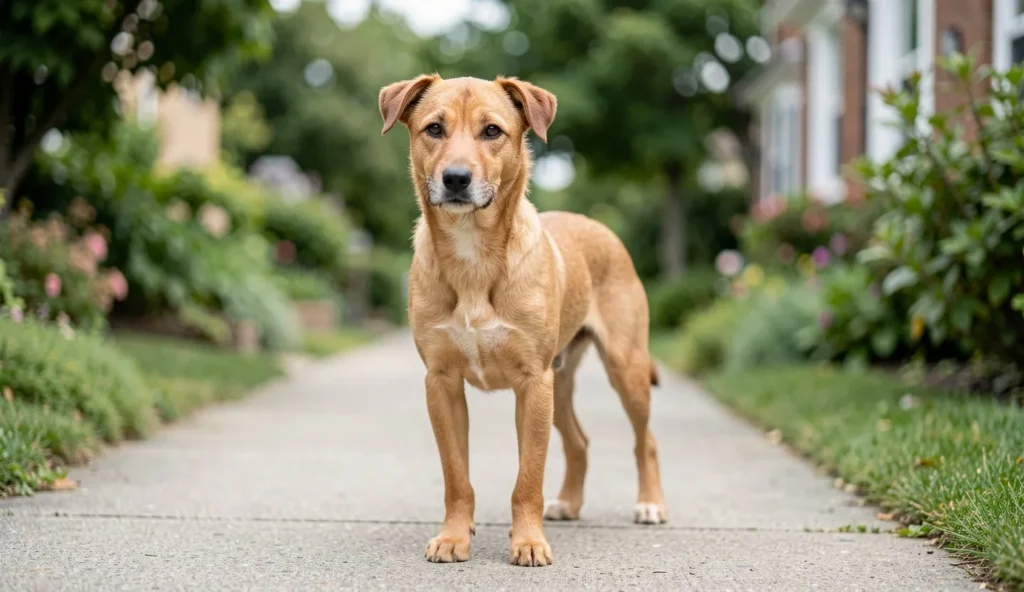
What Is A Kromfohrlander Breed?
The Kromfohrlander breed is a small German companion dog developed for everyday home life. It traces back to the post World War II era, when stable temperament mattered as much as looks. Many people notice the breed because it blends alertness with a steady, friendly manner. For families seeking a rare German rare breed, this dog can feel like a practical fit when care needs are understood.
Because the breed stays uncommon, finding a reputable source may take time. Still, the overall goal remains simple. A Kromfohrlander aims to be a calm family dog that enjoys interaction without requiring extreme training or intensive work. Those basics shape every part of care planning.
Breed Origin And Development After WWII
The breed developed in Germany after World War II, focusing on companion traits rather than working roles. Breeding efforts used a mix of small companion and terrier-type dogs. Over time, breeders worked toward a stable temperament suited to home routines. Today, limited numbers make the Kromfohrlander a German rare breed that stays hard to locate.
At the same time, rarity affects expectations. Prospective owners often need patience for listings, waiting periods, or travel to meet dogs. Health and temperament screening also become more important when fewer litters exist. That background explains why responsible breeders emphasize social behavior early.
Why This Dog Was Built For Home Companionship
A Kromfohrlander typically forms a close bond with the household and focuses on shared daily activities. Physical build stays compact and balanced, supporting comfort in indoor living. Many owners describe it as terrier-like in alertness, meaning the dog notices what happens around it. However, the breed does not default to protection work as a primary purpose.
As a result, training often centers on manners and confidence rather than guarding skills. Owners usually benefit from predictable routines and positive rewards. These preferences align well with families who want a small companion dog Germany can produce, when the right match exists.
What Does A Kromfohrlander Look Like?
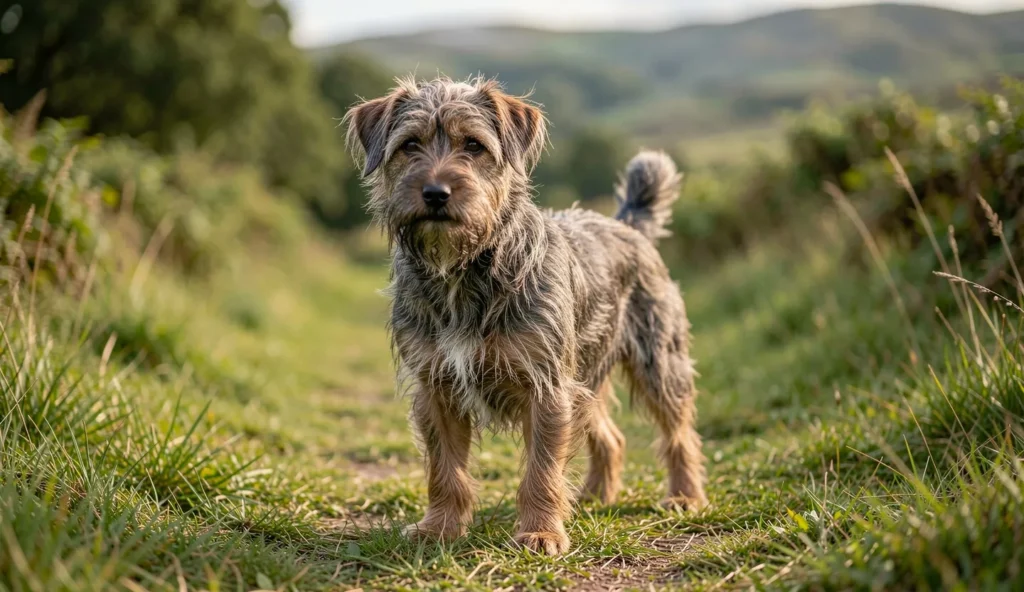
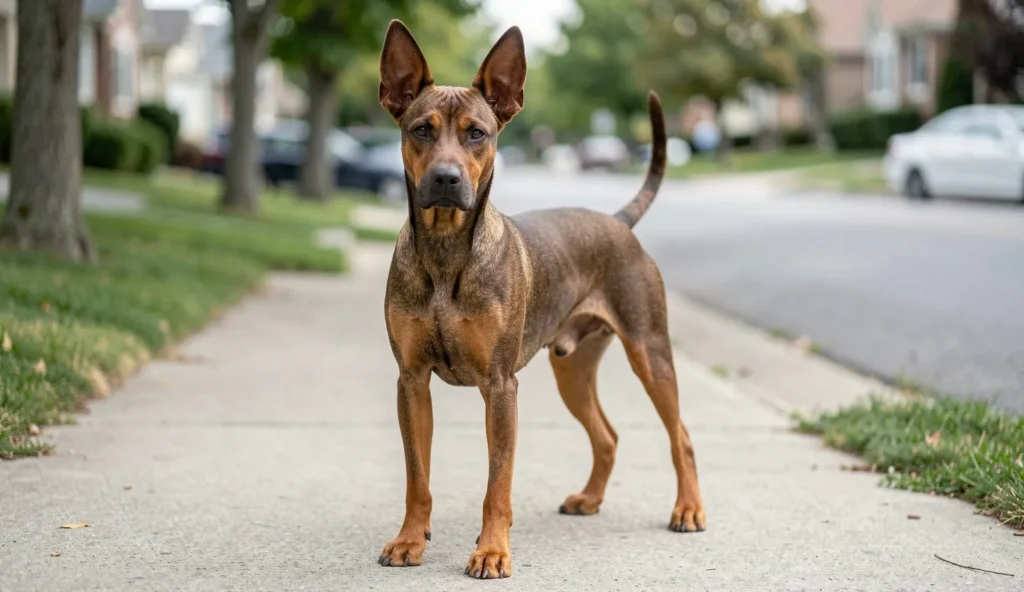
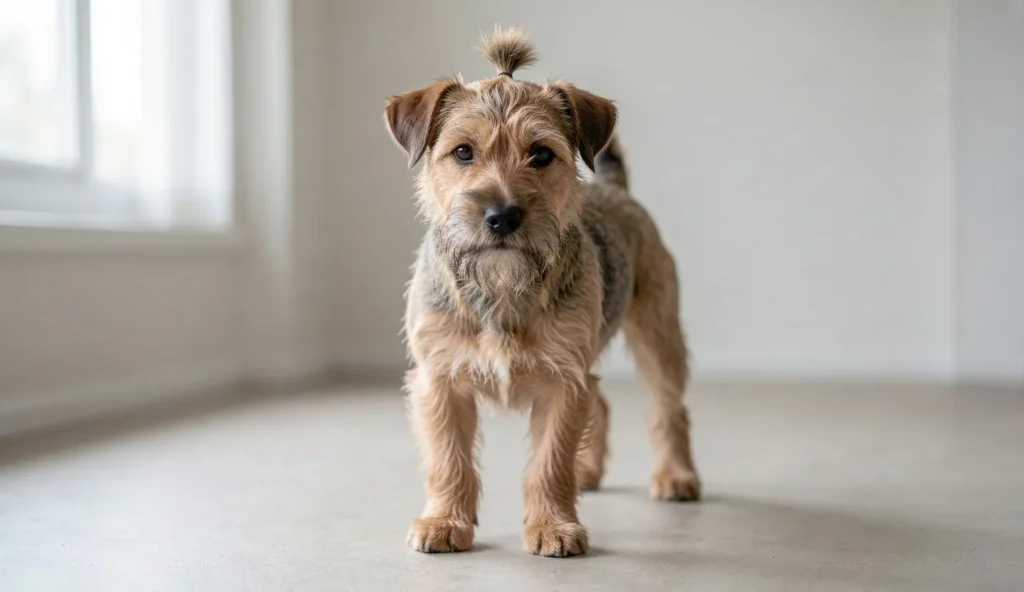
Appearance matters for first-time buyers because the Kromfohrlander breed can look different from dog to dog. Most individuals show a friendly face, balanced proportions, and a coat that can be either smooth or rough. Many people also notice the terrier-like texture on rough-coated dogs. Clear physical expectations help families prepare for grooming and daily care.
Most Kromfohrlanders suit apartments or houses since their size stays small. Still, their look should not overshadow health basics. A dog’s movement, body condition, and coat quality provide stronger signals than color alone.
Coat Types And Common Colors
Coat type can be smooth or rough depending on the individual. Common markings often include piebald patterns with tan or brown areas. Some dogs show a shaggy terrier-like feel that adds volume around the face and body. Coat density influences shedding and sets the baseline for brushing frequency.
Because coat condition varies, grooming habits should match the dog. A rough coat usually needs more frequent brushing to prevent tangles. A smooth coat still benefits from regular brushing to manage loose hair. These details affect how much time families should set aside each week.
Head, Eyes, And Body Proportions
The head often appears alert with expressive eyes that reflect curiosity. Body proportions tend to stay compact, supporting easy movement and comfortable indoor presence. Movement usually looks balanced during daily walks, with a friendly overall expression. That combination helps the dog blend into family life without appearing intimidating.
When physical traits appear too extreme, it can signal breeding issues or poor health management. A healthy Kromfohrlander should move smoothly and maintain a normal body condition. Families can ask for temperament notes and health records along with photos.
Grooming Needs Based On Coat Condition
Rough-coated dogs typically need more brushing to reduce mats and tangles. Smooth-coated dogs still require routine brushing, even if the coat looks simpler. Bathing should match coat and skin needs rather than fixed schedules. Regular checks of ears and paws help catch early problems.
Some owners find grooming easier when it starts early in puppyhood. Short sessions keep the dog comfortable and help create cooperation at home. For coat and grooming expectations across small breeds, owners may also compare routines with Kooikerhondje grooming practices during planning discussions.
What Is The Kromfohrlander Temperament Like?
The Kromfohrlander temperament often shows steady companion focus with a friendly, approachable attitude. Many dogs appear alert without constant noise, which supports everyday home living. Terrier-like curiosity can drive quick reactions to new sounds or scents during walks. With early exposure, social behavior usually improves and feels more predictable for families.
Because each dog differs, temperament screening matters. Families should observe how a puppy or adult dog reacts to handling, household routines, and mild novelty. Those moments show how the dog may fit into a school-day schedule with kids at home.
General Personality Traits Families Notice
Many individuals show a calm, friendly personality that stays focused on the household. Usually, the dog stays alert but not continuously demanding attention. Quick reactions can appear when something new occurs, especially outdoors. Social temperament often strengthens with early exposure to people, places, and sounds.
Owners can also expect a dog that learns from consistent routines. Positive reinforcement and predictable handling usually work better than strict or harsh methods. When the home includes calm rules, a Kromfohrlander often settles smoothly.
Family Compatibility And Living With Kids
Many Kromfohrlanders do well with calm, respectful children. Still, supervision remains important during early adjustment periods. Teaching children gentle handling and quiet approach rules reduces stress for the dog. Consistent routines, such as set playtimes and rest times, help both sides relax.
During the first weeks, families can introduce kids to basic training cues like sit and come. Short, structured interactions reduce overstimulation and prevent rough play. For context on how similar breeds handle family life, some owners compare small-companion behavior with Norwegian Lundehund Dog temperament notes when planning socialization.
Other Pets And Stranger Behavior
Behavior around other pets and strangers depends on socialization history. Gradual introductions typically reduce conflict and prevent fear responses. Leash management helps control first meetings, especially when visitors arrive. Calm introductions also support better long-term harmony as routines continue.
Families should avoid forcing close contact during the first encounters. Instead, use distance, rewards, and calm voices to build positive associations. Over time, many dogs become comfortable with predictable guests and shared household spaces.
Energy Level And Daily Activity Style
Exercise needs usually center on regular walks and interactive time with the household. Many Kromfohrlanders enjoy games that hold attention and reward focus. When stimulation remains too low, restless behavior may appear indoors. Mental work often counts as much as physical time, especially for a curious terrier-like mind.
Simple enrichment works best when it stays consistent. Rotating games, using short training drills, and offering safe chew options help. That balance supports a stable daily rhythm for the whole family.
How Much Exercise Does A Kromfohrlander Need?
Exercise planning should match the Kromfohrlander breed energy style. Most dogs benefit from daily walks plus interactive time. The goal is steady movement and mental engagement, not long endurance sessions. When activity stays consistent, the dog usually handles home time calmly.
Age and health conditions change needs, so adjustment stays necessary. Puppies often require shorter bursts and more frequent breaks. Older dogs may need slower pacing and gentler play.
Daily Walk And Play Targets
A practical approach is consistent daily walks suited to age and health. Short play bursts should occur alongside regular walking, especially after the dog wakes up. For many homes, a leash remains useful until training and confidence improve. Time needs can change with weather, terrain, and the dog’s stamina.
- Walk at a pace the dog can sustain comfortably
- Use brief play sessions for retrieval or tug
- Keep a leash during early training and new areas
- Adjust duration in heat and cold conditions
Families can also track energy signals like panting, lagging behind, or slowing abruptly. Those signs usually mean it is time to shorten the session. Safe pacing matters more than pushing distance every day.
Mental Stimulation Ideas For Busy Households
Mental stimulation helps prevent boredom and supports better focus during the day. Training sessions for obedience and attention work can strengthen manners. Puzzle feeders and simple scent games offer indoor enrichment without high impact activity. Fetch or tug can also help, as long as rules stay structured and consistent.
Rotating activities keeps the dog engaged and reduces repeat demands. Even five minutes of calm training can improve household rhythm. When the dog expects rewards for attention, walks also feel more manageable.
Exercise Safety Considerations To Keep Them Comfortable
Very young dogs should avoid overexertion, especially during high-energy play. Joint monitoring becomes important during fast turns and jumping games. Heat stress can occur on warm days, so watch for heavy panting and fatigue. Provide water breaks and allow rest in shaded areas.
If the dog limps, avoids movement, or seems unusually tired, owners should pause activity and consult a veterinarian. Early attention can prevent minor issues from becoming long-term problems. For comparative exercise planning, some families use breed resources like German Shepherd activity guidelines as a reference point for mental enrichment, even though the energy profile differs by breed.
How To Train A Kromfohrlander
Training works best when it matches the Kromfohrlander temperament and attention style. Reward-based methods usually build cooperation quickly. Short sessions tend to outperform long drills, since focus can drift during boredom. Calm and predictable handling helps the dog feel safe while learning new rules.
Because the breed stays alert and curious, distraction can appear during walks. Consistency and patience often matter more than repeating the same command. With structured rewards, the dog usually learns house cues and leash manners reliably.
Best Training Methods For A Small Companion Dog
Reward-based methods with consistent timing usually produce the best results. Keeping sessions short helps prevent frustration for both the dog and the family. Training should stay calm and predictable, especially around new distractions. Rewarding calm behavior also teaches self-control, not only fast reactions.
Handlers can use treats, praise, and gentle play as rewards. Treat placement should remain consistent so the dog learns quickly. If a dog loses interest, ending the session early often maintains motivation for later training.
House Training And Leash Manners That Improve Daily Life
House training works best with a regular bathroom schedule that matches the dog’s routine. Praise should occur immediately after correct elimination. For leash manners, practice loose-leash walking indoors first. Then, increase difficulty gradually with controlled outdoor sessions.
During early learning, families can reduce distractions by choosing quieter streets and familiar routes. If pulling happens, slowing down and redirecting usually helps. Over time, the dog learns that attention to the handler brings calmer walking.
Socialization For A Confident Family Dog
Socialization should include people, sounds, and mild new places. Safe distances and rewards can encourage steady curiosity instead of fear. Overwhelming situations should be avoided early, since stressful experiences can slow progress. Positive experiences should build over time through repeated, calm exposure.
For rare breed owners, socialization also matters because meeting people can happen less often than with common breeds. Using consistent introductions supports stable behavior at home and outside. Some owners use breed comparisons like Czechoslovakian Wolfdog socialization structure to understand spacing and controlled exposure, while still applying gentler methods for a small companion dog.
Common Training Challenges To Watch For
Curiosity can interrupt attention during walks, especially when scents appear. Under-exercised dogs may show restlessness indoors, which can look like misbehavior. Fear responses can also happen when exposure starts too fast or too intense. Redirecting and calm repetition usually help the dog recover and learn a better response.
Owners should watch for body signals like stiff posture, backing away, or excessive licking. Those signs can indicate the dog needs a calmer setup. When training stays positive and structured, most challenges become manageable within a few weeks.
Grooming And Care Tips For A Healthy Kromfohrlander
Grooming supports health and comfort for the Kromfohrlander breed, especially since coat type influences maintenance. Families can keep the process simple by using a regular routine rather than waiting for problems. Daily checks help catch early issues in ears, skin, and paws. With consistent care, the dog typically stays comfortable and easier to handle.
Care also includes teeth, nails, and basic observation. Many health concerns show first as changes in appetite, mobility, or skin condition. For a rare German companion dog, attention to basics often matters more than complex treatments.
Daily And Weekly Grooming Routine
Brushing should follow the coat type to reduce mats and loose hair. Ears need checks for wax buildup and odor since small dogs can develop issues quickly. Tooth brushing several times per week supports better dental health over time. Nails also need trimming when they click on hard floors.
- Brush based on smooth or rough coat needs
- Check ears for odor, redness, or wax buildup
- Brush teeth several times weekly for dental support
- Trim nails when they click on floors
Some households schedule brushing after a walk when the dog feels relaxed. Short sessions also keep the dog cooperative. Over time, the routine becomes predictable for both family members and the dog.
Bathing And Skin Care Basics That Prevent Irritation
Bathing should happen only when needed to protect skin oils. A gentle dog shampoo designed for sensitive skin can reduce irritation risk. Drying thoroughly matters, particularly around ears and any skin folds. After grooming, redness or itching should be watched closely.
If skin problems appear repeatedly, a veterinarian can help find triggers like allergies. Frequent bathing can sometimes worsen dryness. A measured approach usually supports a healthier coat and calmer skin.
Diet And Feeding Approach For Small Companion Dogs
Diet stays central to Kromfohrlander care because small dogs gain weight faster when portions exceed needs. Feeding a complete, balanced food made for small breeds helps cover daily nutrition. Portions should stay measured to prevent weight gain. Fresh water should be available at all times, especially on walk days.
Treats should support training without adding too many calories. Owners can choose small, soft training treats and limit extras. For households exploring different companion breed needs, breed guides like Lagotto Romagnolo feeding notes can help compare how activity and appetite can change by breed type.
Common Health Issues And Preventive Care
Preventive care includes routine veterinary exams and up-to-date vaccinations. Owners should ask for health testing history through the breeder or adoption source. Dental problems and skin irritation can occur in small breeds, so daily observation matters. Limping, unusual fatigue, or appetite changes should receive prompt veterinary attention.
Keeping a simple home log also helps during vet visits. Notes about appetite, energy, and stool can support faster decisions. Because the breed remains rare, good recordkeeping becomes even more valuable for tracking any recurring concerns.
Is A Kromfohrlander Right For You?
Choosing a Kromfohrlander breed involves matching lifestyle and expectations to what the dog actually needs. This is a small, companion-oriented dog, so it does best when the household includes daily interaction. Routine walks, short training sessions, and regular grooming should fit into the week. Families who can handle the search for a German rare breed often do well with this dog’s steadier temperament.
At the same time, rarer breeds can come with limited availability. Waiting for the right dog and verifying health background may take time. That planning step helps ensure a better fit.
Who This Breed Fits Best
A Kromfohrlander often fits families that want a small companion dog Germany can produce with affection and focus. Owners should commit to daily walks and basic training. Grooming and routine care must also feel manageable each week. People should also be comfortable with a rare-breed search process, including vet checks and careful sourcing.
Households that prefer calm consistency usually align well. The dog can enjoy family time without requiring constant work or nonstop activity. When routines remain stable, the dog typically settles into the home more easily.
Who May Need A Different Breed
Some homes may need a lower-activity dog if the schedule cannot support daily walks and interactive time. Owners who cannot provide consistent socialization may find temperament less predictable. If supervised introductions with kids are not possible, the dog may face avoidable stress. Anyone expecting a completely hands-off temperament should consider other options.
It may also help to compare needs with other small breeds to avoid mismatches. Some families explore alternatives through broader guides such as Exotic Dog Breeds to understand how rare breeds vary in maintenance and temperament. That approach can clarify what level of daily care the household can sustain.
Frequently Asked Questions
How Big Do Kromfohrlanders Usually Get?
Kromfohrlanders are small dogs suited for indoor living. Actual size can vary by individual and lineage, so expected adult size should be confirmed with the breeder or shelter.
Are Kromfohrlanders Good Family Dogs?
Many Kromfohrlanders do well with calm, respectful children. Early socialization and supervision help the dog learn safe family interactions.
Do Kromfohrlanders Shed A Lot?
Shedding depends on coat type and individual coat density. Regular brushing reduces loose hair around the home, and mild year-round shedding is common.
What Kind Of Training Works Best For A Kromfohrlander?
Reward-based training with short sessions typically works best. Consistency, calm handling, and early leash practice support faster learning.
How Much Exercise Does A Kromfohrlander Need Each Day?
Most dogs need daily walks plus interactive play or mental work. Exact time depends on age and energy, and mental stimulation helps prevent boredom.
What Health Problems Should Owners Watch For?
Routine vet care and preventive screenings should stay current. Owners should monitor teeth, skin, and mobility changes and seek veterinary advice if appetite or energy drops.
A Rare German Companion Dog With Clear Care Needs
A Kromfohrlander can offer steady companionship when daily routines support its small-dog needs. With correct sourcing, consistent training, and simple grooming, this rare German companion dog can fit well into family life.