What Is A Briquet Griffon Vendeen?
The Briquet Griffon Vendeen is a French rough-coated hound built for scent work and practical hunting conditions. This dog comes from the Vendeen region and belongs to the Grand Vendeen and Petit Vendeen family lines. As a hunting dog, it relies on strong scent focus, outdoor endurance, and a rough coat that supports field use.
Because the breed developed for real tracking, expectations should center on active days and scent-led behavior. Owners who enjoy hunting dog work often value the Briquet Griffon Vendeen temperament for its alertness and drive. At the same time, coat enthusiasts typically focus on the rough coat structure and grooming routines.
Breed Origin And Where It Comes From
The Briquet Griffon Vendeen originated in France, in and around the Vendeen region. It shares ancestry with the Grand Vendeen and Petit Vendeen families, which also produced practical scent hounds. Those lines formed around field requirements rather than show-only traits.
Over time, the breed became recognized as a rare French breed outside its home circles. Availability can feel limited in many countries, especially when compared with more common hounds. Still, hunting communities and coat-focused breeders continue to support the line.
What The Breed Was Bred To Do
This hound was bred as a hunting dog specializing in tracking and scent following. In field settings, it investigates trails with a focused style and keeps attention on odors rather than random distractions. For many hunters, it fits best when paired with consistent, scent-based work.
When scents pick up, the Briquet Griffon Vendeen often shows strong persistence. Owners who want predictable behavior should plan for that nose-first approach. With regular field-style tasks, the dog typically channels drive into productive work.
Key Breed Traits To Expect
The rough coat supports outdoor work by offering protection in brush and uneven terrain. The texture also fits a scent hound lifestyle, where the dog spends long periods outside. In day-to-day life, this design often pairs with active energy and alert, expressive posture.
Temperament usually reflects scent focus and independence. The dog may look attentive and confident during calm moments, yet it can become hard to redirect when an odor pulls attention. When training uses scent work correctly, the dog often performs best.
Appearance And Physical Features
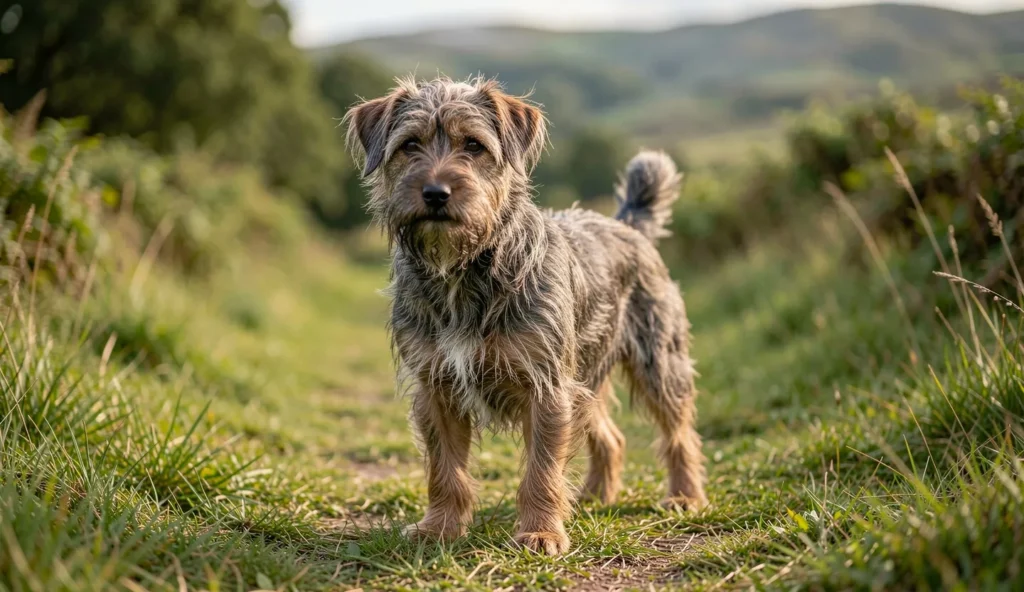
The Briquet Griffon Vendeen appearance communicates function first, especially through the rough coat and hound build. This dog typically shows a balanced body suited to endurance and steady movement. For coat enthusiasts, the rough coat structure matters more than minor color differences.
Recognizing physical cues can also support better grooming planning. Rough textures tend to trap debris, so owners should expect regular brush checks. With consistent care, the dog can maintain a clean, field-ready coat.
Coat Type And Rough Coat Structure
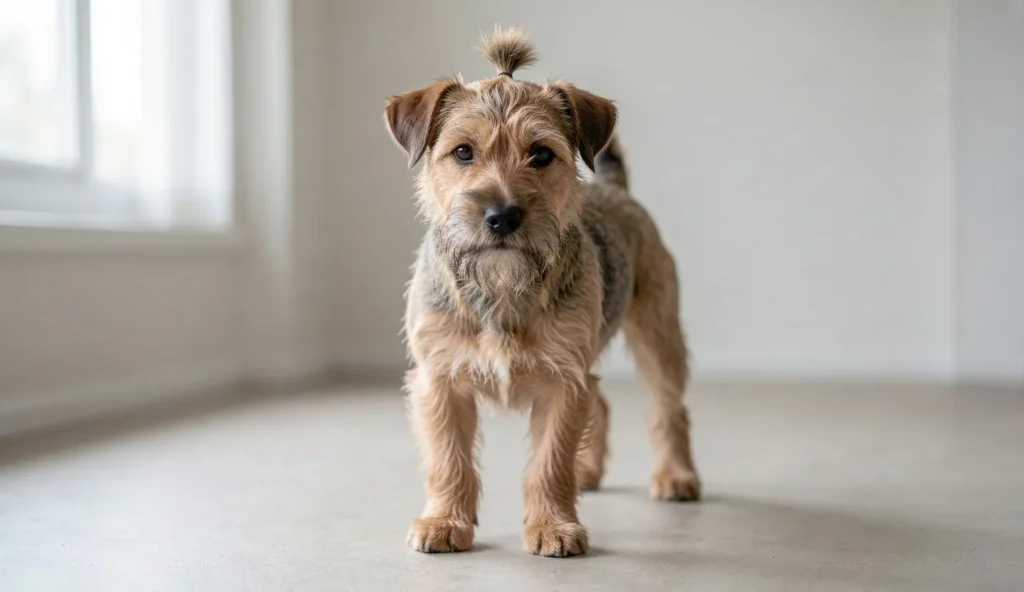
The coat is rough, dense, and designed to help protect the skin during outdoor activity. Many rough-coated hounds develop natural barbs and a weather-resistant feel. As a result, brushing schedules and tools should match the coat texture rather than using only soft-bristle grooming.
Because the coat can collect leaf litter and small debris, routine checks after outdoor work usually help. Moisture also needs attention, since field mud and wet undergrowth can cling to the coat. When coat enthusiasts maintain the right routine, matting becomes easier to prevent.
Common Colors And Markings
Coat colors and markings in Vendeen lines can vary from one dog to another. Those differences may include common hound shades that fit the region’s breeding goals. Even so, the overall coat quality and rough texture usually matter most.
Owners should avoid selecting based on color alone. Instead, focus on coat density, even texture, and skin condition. Those factors often predict how manageable the coat will be over time.
Size, Build, And Movement
This hound typically shows a build suited to scent tracking and endurance. Movement often looks steady and practical rather than flashy. Balanced proportions support long sessions on trails, where the dog must keep moving and remain attentive to odors.
During grooming and exercise planning, owners should keep the active build in mind. Joint support matters in any hunting dog, especially when the dog works often. Regular conditioning and safe footing help maintain comfortable movement.
Briquet Griffon Vendeen Temperament And Personality
The Briquet Griffon Vendeen temperament centers on scent focus, alertness, and independent problem-solving. This dog often stays engaged with people, yet it may prioritize odors over routine commands. Hunters who want reliable field drive usually find the dog’s style practical.
At the same time, daily life can challenge people who expect instant recall. When scent motivation rises, the dog often chooses trail attention first. With management and consistent training, those moments can become more predictable.
Scent Drive And Focus
Scent drive tends to rank high in the breed’s daily behavior. When an interesting trail appears, the dog can become absorbed and less responsive to casual cues. That pattern does not mean low intelligence; it usually reflects the hunting role.
Owners should train impulse control in environments that match real distractions. For example, recall practice often needs phases, starting with low distraction settings before moving toward trail conditions. The goal stays the same, to keep commands useful when the nose goes to work.
Social Behavior And Handling Style
Many Briquet Griffon Vendeen dogs appear alert and engaged during human interactions. Confidence and self-assurance often show through body language, such as steady posture and attentive eyes. Early socialization usually improves day-to-day calmness in new places.
Controlled exposures can build comfort with people, vehicles, and typical rural sounds. Socialization also supports smoother grooming sessions, since rough coats require ongoing care. When handling stays positive and consistent, the dog often tolerates routine tasks well.
For hunters comparing temperament across breeds, scent hounds can share similar behavior patterns. A useful reference point for training mindset can be found in guides like the Beagle, which also highlights how scent motivation affects recall. That kind of comparison can help set expectations before bringing a rare French breed home.
Living With The Breed Indoors And Outdoors
Regular activity usually keeps indoor manners manageable for this hound type. Without enough exercise, boredom can show as restlessness or repeated scent checking. Outdoors, the dog often notices sounds and smells quickly, then acts on them.
Indoor calm often improves when outdoor time includes structured scent breaks rather than only free roaming. Owners who blend daily walks with scent-focused work often see steadier behavior. Consistency also supports routines like feeding and grooming.
Potential Challenges For New Owners
Some owners notice stubborn moments when scent work overrides commands. Another common challenge involves vocalization during hunting-style excitement. These behaviors often improve with training, but management usually helps early on.
Consistent boundaries matter because independence can show up in everyday decisions. If the dog gets frequent opportunities to chase or investigate without training structure, habits can strengthen. Owners typically get better results by planning for scent behavior from day one.
How Much Exercise Does A Briquet Griffon Vendeen Need?
Exercise needs for the Briquet Griffon Vendeen depend on hunting-style drive and the amount of scent work available. Most dogs benefit from multiple active sessions, not just one casual walk. For many owners, regular long walks plus structured scent tasks can keep the dog calmer at home.
Because the breed supports outdoor work, exercise planning should also include readiness for field conditions. Rough coat support does not remove the need to check skin, paws, and ears after time outside. When owners combine movement and scent-led activities, the dog often stays more balanced.
Daily Activity Targets
Many Briquet Griffon Vendeen dogs do well with two or more active sessions per day. These sessions often include long walks and scent-focused time with controlled exploration. Consistency helps maintain sustained calm indoors.
Activity targets also need to match the dog’s age and health. Puppies require shorter, more frequent outings, while adult dogs usually handle longer sessions. Senior dogs may still need scent time but may do best with gentler distances.
Best Exercise Types For A Hunting Dog
Exercise works best when it matches the dog’s role as a hunting dog. Scent walks let the dog investigate odors while remaining on leash or within controlled boundaries. Trail tracking games can also help by using safe, scent-rich routes that avoid unsafe distractions.
Field-style search drills can further engage attention. Retrieval and search exercises can also help build focus when the dog feels motivated by odors. Owners often get improved results by ending sessions with a clear reward.
For owners comparing training approaches across active hounds, the Belgian Malinois Dog guide can offer a different perspective on structured activity. While the breeds differ, both often require consistent engagement and clear routines. That contrast can help shape a practical exercise plan for the Briquet Griffon Vendeen.
Off Leash Considerations
Off-leash work requires reliable recall training, which must hold up in real outdoor conditions. Secure areas also matter because the scent behavior can lead to chasing or disappearing onto a trail. Leash training remains an essential step toward safer, long-term freedom.
Owners who start off-leash too early often struggle with recall failure. A staged recall plan usually protects the dog and builds trust between handler and hound. When recall only works in the yard, it typically fails outside on scent-heavy days.
Weather And Outdoor Readiness
The rough coat supports outdoor use across many conditions, but heat still requires care. Prolonged exposure in extreme heat can raise the risk of overheating, especially during active scent work. Owners should plan breaks and watch breathing, energy, and interest in water.
After field sessions, skin and paw checks usually prevent small injuries from worsening. Thorns, cuts, and rough wear can happen in brush. Checking right after work often reduces the chance of infections.
Training Tips For A Briquet Griffon Vendeen
Training for the Briquet Griffon Vendeen should start with a clear understanding of scent-driven behavior. The dog may ignore casual cues when odor intensity rises. With practical training steps and consistent timing, recall and impulse control can improve.
Most training methods work best when they include short sessions and predictable reward endings. Handlers should also use training that respects the dog’s nose-first focus. When scent work gets structured, the dog often becomes more cooperative.
Start With Basic Obedience And Impulse Control
Basic obedience should focus on name response and reliable leash walking. Low-distraction areas help the dog learn that cues matter even when the world feels interesting. Owners should reward calm choices to reduce impulsive reactions.
Impulse control training can also include brief waits at doors and calm behavior during leash handling. Those routines support field readiness later. Consistency makes these skills easier to apply when scents become stronger.
Use Scent Work To Build Engagement
Scent games often improve engagement and reduce frustration during training. Short searches with clear reward endings help the dog understand that effort leads to results. Over time, handlers can increase difficulty with gradually added distractions.
Since the dog already tracks naturally, training should harness that strength. Ignoring scent motivation can make the dog disengage from lessons. Instead, handlers should blend scent tasks with basic cues so the dog learns flexible thinking.
When selecting enrichment ideas, owners may find comparisons helpful from other scent-driven breeds like the Kooikerhondje. That guide can reinforce how working styles affect daily management. Even with different breed goals, the handling principles remain useful for active hounds.
Recall Training That Holds Up In The Field
Recall must come first on leash before any off-leash practice begins. Marker rewards and consistent cue timing support learning and reduce confusion. Training should move in phases, from yard tasks to calm trail areas and then busier settings.
When recall works only in open spaces, it often fails around distractions. Field-proofing should reflect real scent conditions while keeping training safe. Handlers can also practice recall during calm scent walks before attempting more complex searches.
Socialization For Everyday Life
Socialization should include different people, surfaces, and everyday environments early. Controlled exposures around dogs and wildlife can prevent fear-based reactions later. Positive experiences with calm handling help the dog accept routine tasks without stress.
Grooming and vet visits depend on calm tolerance. Socialization can support that by pairing handling with rewards and gentle routines. The goal stays practical, helping the dog remain manageable outside of hunting sessions.
Common Training Mistakes To Avoid
One mistake involves stopping exercise too early, which can lead to frustrated or restless behavior. Another issue comes from rushing recall without field proof. Handlers who increase difficulty too quickly often see failure and then lose training momentum.
Ignoring scent motivation can also reduce cooperation. The Briquet Griffon Vendeen temperament often shows that scents drive attention and decision-making. When training includes scent-based motivation, obedience cues typically gain more value.
For owners who want a contrast to hounds that use different decision styles, the Ridgeback Dog guide can show how expectations vary across breeds. Using comparisons can help shape a more realistic, breed-specific training plan. That approach usually leads to clearer goals and steadier results.
Grooming Care For The Rough Coat
Grooming needs for the Briquet Griffon Vendeen focus on maintaining rough coat texture and protecting skin health. The rough coat helps outdoors, but it can also trap debris. Regular brushing, careful drying, and routine ear and skin checks usually keep the dog comfortable.
Because hunting dogs work in brush and dirt, grooming becomes part of health prevention. Owners who plan grooming around field sessions typically reduce matting and skin irritation. With the right tools and schedule, coat care can stay manageable.
How Often To Brush And What Tools To Use
Brushing usually requires regular attention to reduce tangles in the rough outer coat. After hunting and outdoor time, coat checks help catch debris early. The goal involves keeping the outer texture intact while preventing stubborn mats.
Tools should match the rough texture, not just general household brushes. Owners often benefit from grooming tools designed for rough or wiry coats. When brushing becomes consistent, removal of small tangles also becomes easier.
Bathing Frequency And Drying Steps
Bathing should happen only when needed to avoid drying out the coat and skin. When the dog gets muddy, thorough rinsing matters most. Owners should remove soap residue fully so the coat and skin remain comfortable.
Drying steps also matter after outdoor exposure. Careful drying helps prevent moisture-related skin problems, especially in thicker coat areas. A fully dry coat supports better comfort during the next field session.
Ear, Eye, And Skin Checks After Outdoor Time
Ear, eye, and skin checks help identify irritation from tracking work. Owners should inspect ears for debris and watch for redness or unusual odor. Skin checks matter too, especially where hair density can hide early issues.
Eye checks support comfort because brush and dust can cause irritation. If hair rubs around the eyes, gentle grooming can help keep the area clean. These quick checks often prevent minor problems from becoming bigger ones.
Nail Trimming And Paw Care
Nail trimming supports comfortable movement on varied terrain. Field days often put extra pressure on paws, so paw pad checks help detect cuts, thorns, or rough wear. Cleaning paws after wet or muddy hunts can also reduce irritation.
Paw care also connects to long-term mobility. When nails get too long, walking can change and discomfort may increase. Keeping nails trimmed and pads checked supports steady, endurance-friendly movement.
Coat Maintenance Habits For Coat Enthusiasts
Coat texture maintenance works best with consistent grooming habits. Many coat enthusiasts plan grooming around hunting seasons and real field frequency rather than fixed dates. That approach helps prevent matting before it becomes difficult to remove.
Owners who keep grooming records may spot patterns in skin reactions or debris buildup. If skin irritation appears frequently after certain outings, adjustments to cleaning routines can help. Over time, the Briquet Griffon Vendeen rough coat can stay clean, functional, and healthy with predictable care.
Diet And Nutrition For Healthy Energy
Diet and nutrition for the Briquet Griffon Vendeen support an active hunting lifestyle. The dog often needs stable energy for scent work and outdoor endurance. Feeding should reflect body condition and workload, since field intensity changes with season.
Owners should also remember that rough-coated hunting dogs often spend more time outside, which can increase water needs. Hydration planning should include before, during, and after-work access. When feeding matches activity, energy usually stays steadier.
How Much To Feed Based On Activity
Feeding amounts should rely on body condition as the main guide. Portions typically need adjustment when seasonal workload changes from lighter walks to heavier field days. Overfeeding can increase joint stress and reduce endurance.
Because hunting dogs burn energy regularly, calories may feel hard to measure. Instead of guessing, owners can adjust portions gradually and monitor weight and body shape. That steady approach helps maintain healthy energy without rapid swings.
What To Look For In A Quality Dog Food
Choosing a complete, balanced dog food supports adult maintenance needs. High-quality protein helps active dogs maintain muscle, especially after long scent work sessions. Appropriate fat levels also support endurance energy during active periods.
Owners should avoid frequent recipe changes unless a vet recommends it. Digestive stability supports comfort during high activity weeks. When a food meets nutritional basics, it usually pairs well with training treats.
Treats For Training And Field Work
Treats matter for training because they help mark success and keep sessions productive. Small, calorie-aware treats usually work best for daily obedience tasks. For recall and more complex drills, higher-value rewards can also help maintain motivation.
Because treats add up, owners should include them in daily calorie totals. A simple habit involves measuring portions rather than offering unlimited amounts. This keeps body condition stable as training increases.
Hydration During Hunting Days
Fresh water access should happen before, during, and after hunting work. Breaks during high activity periods help support cooling and maintain focus. In hot weather, hydration monitoring becomes a priority.
Owners should also watch for signs of overheating such as heavy panting and reduced interest. Offering water and resting in shade can help. When hydration stays consistent, endurance usually improves.
Feeding and energy planning can also benefit from breed comparisons. For owners looking at overall active dog guidelines, the Golden Retriever guide can provide helpful context on balancing exercise and nutrition. Even though the breeds differ, the body condition approach applies across many hunting-style routines.
Common Health Issues In The Briquet Griffon Vendeen
Common health concerns for the Briquet Griffon Vendeen often connect to outdoor work and rough coat maintenance. Hunting dogs typically face higher exposure to skin irritation, debris, and external parasites. Owners who monitor ears, skin, paws, and weight often reduce health risks.
Preventive care also supports longevity. Routine vet visits, vaccination schedules, and parasite prevention help manage issues early. Grooming and cleanliness remain key because field exposure can hide small problems under dense coat hair.
Health Risks To Monitor Throughout Life
Ear and skin irritation risks can increase after outdoor exposure, especially when brush and moisture remain on the coat. Weight management also matters since excess weight can stress joints over time. Dental health affects overall wellbeing too, so routine oral checks support long-term comfort.
Owners should watch for changes in scratching, head shaking, or unusual skin redness. Early changes often lead to better outcomes when addressed quickly. Monitoring helps because it keeps problems small.
Field Related Concerns
After hunts, owners should inspect for cuts, thorns, and paw pad injuries. Ticks and other external parasites may attach after time in brush or tall grass, so checking helps. Eye irritation can also occur from brush and dust, especially during active scent investigations.
Skin debris can irritate between grooming sessions, so quick post-field checks can prevent discomfort. When a dog keeps rubbing a specific area, inspection should happen promptly. That practical approach supports a healthier outdoor lifestyle.
Preventive Care That Supports Longevity
Routine vet care helps keep vaccinations and health screenings up to date. Parasite prevention should match local risk levels, including seasonal changes. Consistent grooming and cleanliness also support skin health by reducing trapped debris.
Owners can support preventative care by setting a predictable routine for ear checks, paw inspections, and coat brushing. Those small habits often reduce the chance of preventable issues. When care stays consistent, the dog can enjoy more years of field-ready life.
For owners comparing how breed health patterns can differ, the French Bulldog guide shows how activity needs and health risks can vary widely across breeds. That comparison helps highlight that outdoor grooming and field monitoring matter more for a hunting dog like the Briquet Griffon Vendeen. A breed-specific prevention mindset usually produces better results.
Is A Briquet Griffon Vendeen Right For You?
The Briquet Griffon Vendeen can fit well for hunters and coat enthusiasts who want an active scent hound. The breed typically rewards owners who plan regular trail time, manage scent drive, and keep a consistent grooming schedule. Still, the same traits can challenge people who cannot provide daily activity and structured training.
Before choosing, it helps to match lifestyle expectations to the breed’s hunting dog needs. The rough coat is not difficult with routine care, but it does require ongoing attention. When daily time aligns, the Briquet Griffon Vendeen often becomes a focused and manageable companion.
Best Fit For Hunters And Scent Work Enthusiasts
This breed often suits hunters who enjoy scent-focused training and regular outdoor sessions. The Briquet Griffon temperament tends to support trail work when exercise and management stay consistent. Grooming also fits coat enthusiasts who enjoy maintaining rough textures and checking skin after hunts.
Owners should plan for a dog that thinks with its nose. Training that uses scent games, structured searches, and reward timing usually creates smoother day-to-day life. When that structure exists, the dog’s drive becomes an advantage rather than a disruption.
When This Breed May Not Be The Right Choice
Limited time can make it harder to meet exercise and training expectations. Without daily scent outlets, boredom may show as restlessness or repeated investigations. Some households also struggle with vocalization during hunting-style excitement, especially if the dog has few outlets for energy.
In addition, people who cannot provide safe outdoor management may find recall challenges difficult. Strong scent behavior can reduce responsiveness when distractions appear. For those reasons, the breed often performs best with handlers willing to train and manage consistently.
Practical Ownership Checklist
A practical plan can make ownership easier. The checklist below focuses on the core routines that support a hunting dog lifestyle and a rough coat care routine.
- Leash training that supports calm handling
- Recall practice in phases before any off-leash work
- Regular brushing and coat checks after outdoor sessions
- Ear and skin inspection for debris and irritation
- Paw pad checks after hunts in brush and rough terrain
- Parasite prevention during active seasons
- Feeding based on body condition and seasonal workload
When these steps stay consistent, the Briquet Griffon Vendeen often fits well into an active schedule. The dog typically thrives when care connects grooming, exercise, and scent-focused training. Over time, the rough coat and hunting drive become predictable parts of daily routine.
Frequently Asked Questions
How rare is the Briquet Griffon Vendeen compared to other French hounds?
The Briquet Griffon Vendeen is considered a rare French breed outside its home region. Availability often varies by country and hunting circles, so wait times can occur.
What kind of temperament does the Briquet Griffon Vendeen have?
Briquet Griffon temperament often includes strong scent focus and alert, expressive behavior. Consistent training helps manage independence and keeps cues usable in the field.
Is the Briquet Griffon Vendeen good for hunters and scent tracking work?
Yes, it is bred as a hunting dog and typically performs best with regular trail and scent tasks. Predictable work routines usually support stronger attention and calmer home behavior.
How much grooming does a rough coat require?
Rough coat care usually involves regular brushing and routine checks for tangles and debris. Owners should also inspect ears, skin, and paws after outdoor sessions.
What exercise does a Briquet Griffon Vendeen need each day?
Most dogs need multiple active sessions with walks and scent time. Activity should connect to the hunting workload, since stable routines often improve indoor calm.
What health issues should owners watch for in this breed?
Owners should watch for skin and ear irritation after outdoor exposure. Also monitor parasites, paw injuries, and weight management to support long-term comfort.
A Final Care Note For The Briquet Griffon Vendeen
With consistent scent-focused exercise, practical training, and regular rough coat grooming, the Briquet Griffon Vendeen can stay comfortable and functional for its hunting role. Care that stays tied to field routines usually supports a healthier coat and steadier temperament.