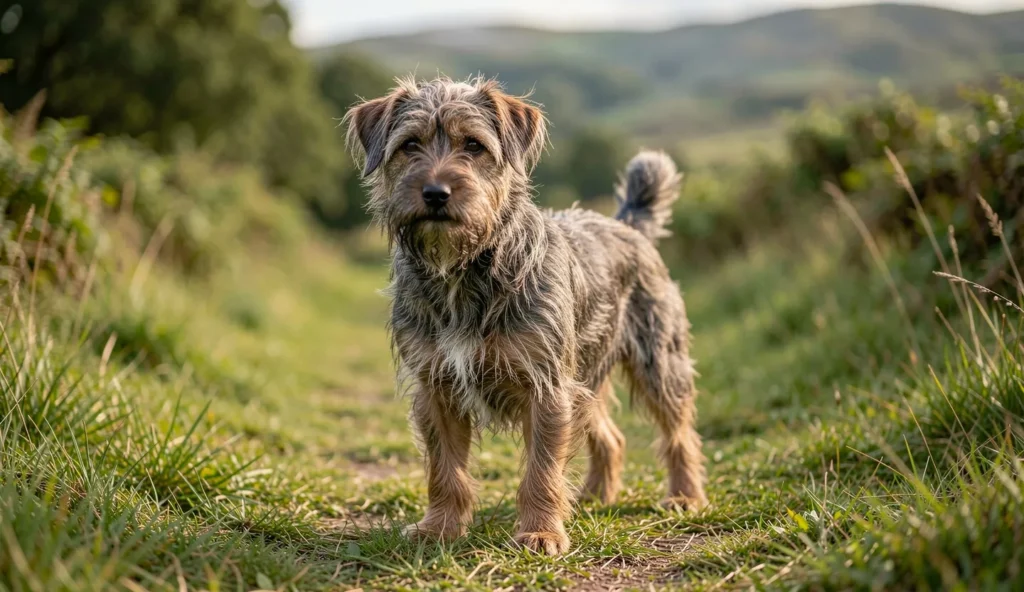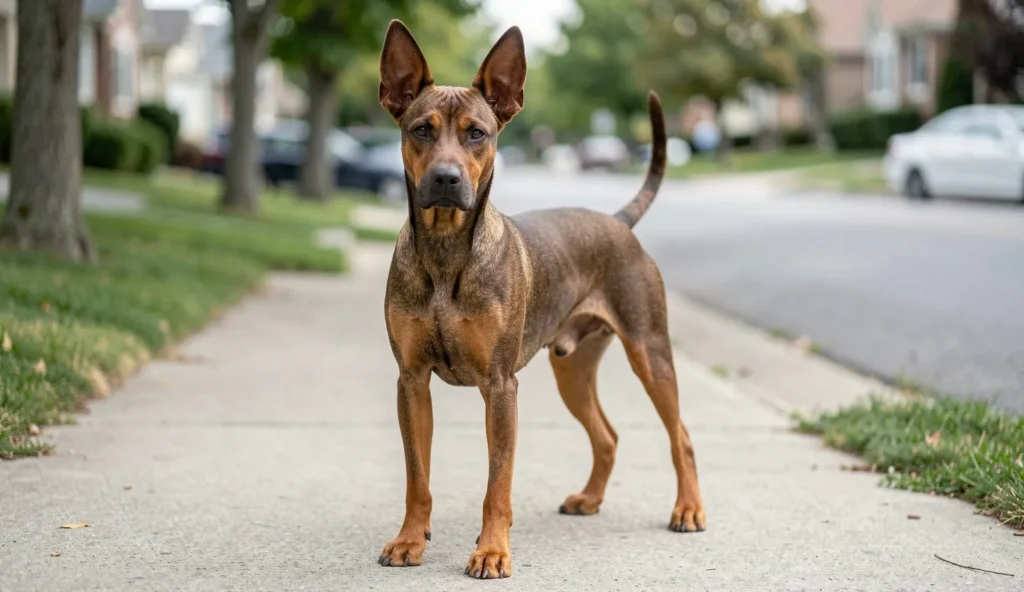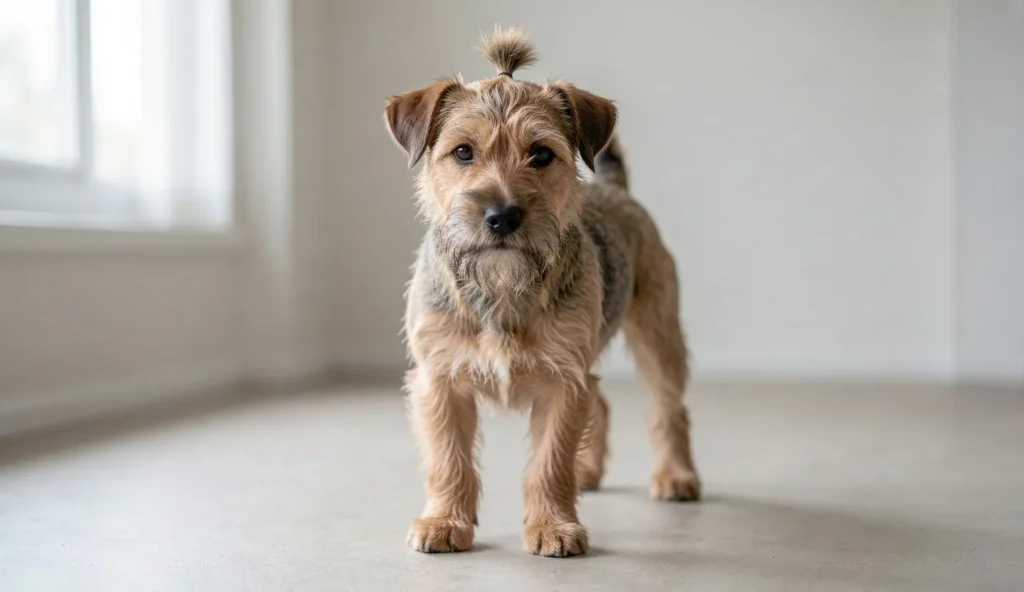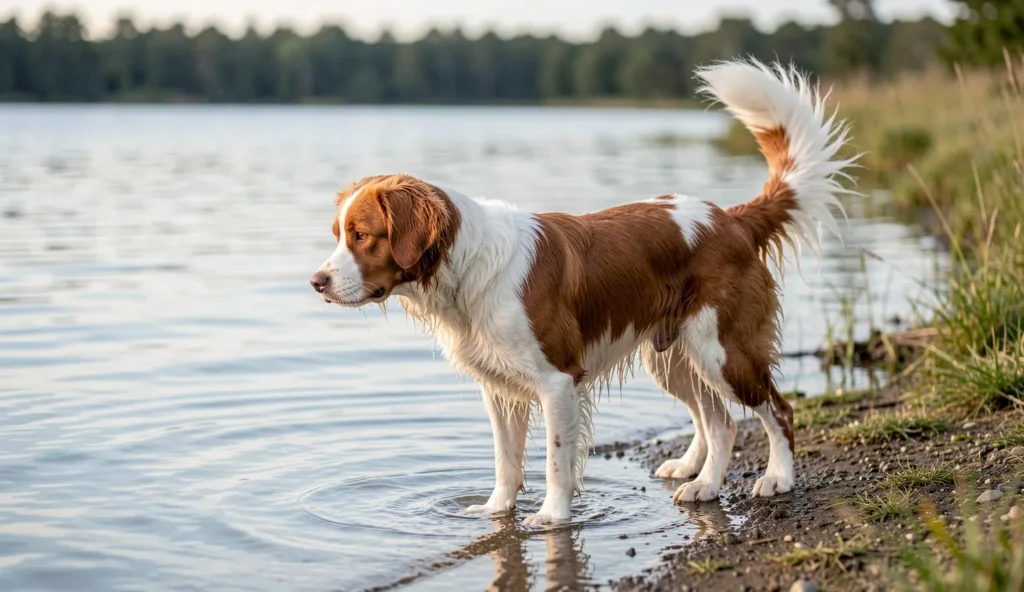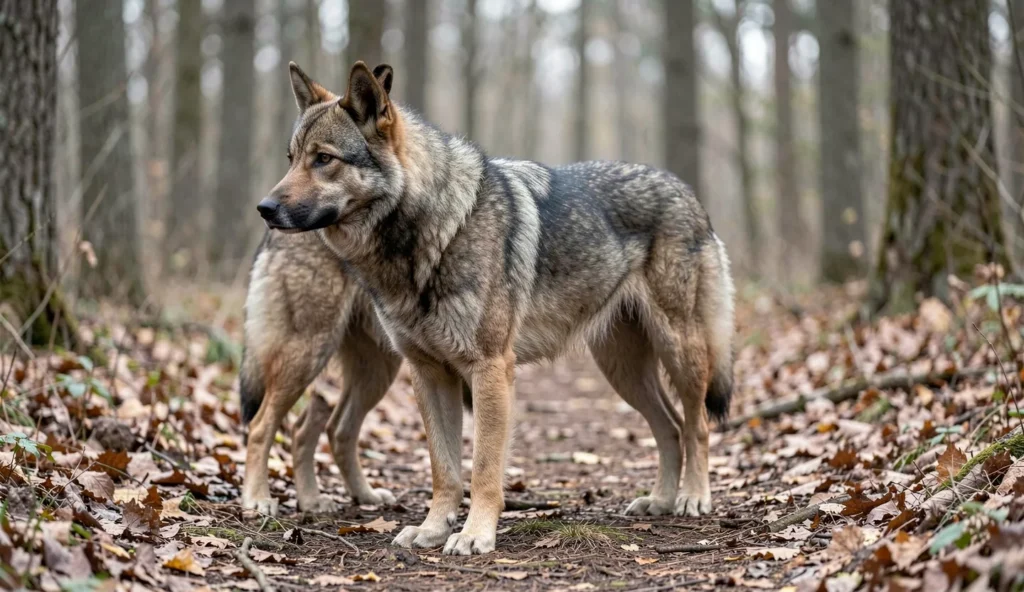
What Is A Karelian Bear Dog?
The Karelian Bear Dog is a rare Finnish breed built for bear hunting work in harsh northern conditions. It originated in the Karelia region and developed as a focused bear hunting dog with a tough, independent style. This working dog stands out for courage under pressure and the ability to make decisions during fieldwork.
Because the Karelian Bear Dog temperament often includes strong independence, ownership works best for hunters and experienced dog owners. With the right structure, it becomes a capable working dog that can also live reliably at home.
Breed Origins And Finnish Working Roots
The breed developed in Finland and the Karelia region, where hunters needed reliable support for demanding game. Over generations, breeders prioritized stamina, fearless handling, and practical tracking ability.
Historically, the primary job involved bear hunting support, which required steady endurance in cold weather and quick response to changing scent conditions. That role shaped the breed’s modern instincts and its independent problem solving tendencies.
Key Traits That Make The Breed Stand Out
The Karelian Bear Dog temperament typically includes calm boldness when it matters most. It often remains confident during demanding situations, rather than relying on constant reassurance.
Independence plays a major role in its work, since the dog can investigate and pursue game cues without waiting for constant direction. A dense coat also helps the breed tolerate cold exposure and rough terrain during bear hunting dog use.
Appearance And Physical Features
The Karelian Bear Dog physical look reflects its working purpose as a bear hunting dog. A compact athletic build supports long sessions, while the thick double coat helps it stay comfortable in cold climates. Many owners choose the breed partly because it looks rugged and alert rather than delicate.
Even before training begins, the body language often shows focus, with an attentive head carriage and steady movement when active. These traits also help the dog perform efficiently in field like situations.
Size, Build, And Movement
The Karelian Bear Dog usually has a compact athletic frame designed for endurance. Its stance stays balanced for uneven ground, and its gait stays efficient over time.
During movement, the body often stays aligned and controlled rather than loose or flashy. That practical structure matters for a working dog that may travel through brush and uneven forest trails.
Coat Type And Common Colors
A thick double coat forms a strong barrier against cold and wind, and the guard hairs help repel harsh weather. Common coat patterns include brown tones and black with white areas.
Coat density can shift seasonally, so owners should expect regular shedding during coat changes. Seasonal grooming helps keep the undercoat manageable and supports healthy skin.
Notable Head, Ears, And Tail Traits
The head often shows a firm structure with an alert facial expression. Erect ears support sound awareness, which helps the dog notice cues in outdoor environments.
The tail usually carries with natural balance during movement. This overall posture supports the focused alertness associated with Finnish bear hunter working style.
Karelian Bear Dog Temperament And Personality
The Karelian Bear Dog temperament centers on courage, independence, and an intense drive to investigate scent and movement. This rare Finnish breed often works through decisions made by the dog, which can look confident when the environment matches its instincts. At the same time, that same independence can challenge owners who want quick compliance.
For safe ownership, training and management must match the dog’s high energy working dog needs. Many owners report that consistent rules produce better behavior than frequent reactivity control.
Courage, Independence, And Problem Solving
This independent dog breed often shows calm boldness when challenged by sights, sounds, or unfamiliar conditions. When a scent cue appears, the dog may move to solve the problem without waiting for direction.
Because it can make decisions quickly, the handler must maintain clear boundaries and predictable routines. Rewarding correct choices helps the dog build confidence through training instead of through uncontrolled field behavior.
Prey Drive, Alertness, And Reactivity Potential
A strong bear hunting dog style drive usually means high interest in scent and moving wildlife cues. Many dogs use vocal communication outdoors, including alert barking, especially when they detect something worth investigating.
Reactivity potential can increase when triggers are unmanaged, since the dog may focus intensely once it locks onto scent. Early management and consistent control practices help reduce unwanted reactions in daily life.
Social Behavior With People And Other Animals
Social behavior often varies, but selective responses with strangers are common. That does not automatically indicate aggression, yet it does mean introductions need structure and time.
With consistent training and socialization, manners can stabilize, although the dog still may prefer distance. Introductions to other pets typically require supervision because prey drive can override ordinary household routine.
Owners who want comparison on working temperament may also explore the instincts seen in a Siberian Husky, since both breeds can show strong motivation and independence in different ways.
Exercise Requirements For A Working Bear Hunting Dog
A Karelian Bear Dog needs more than casual walks, because it functions as a high energy working dog. Daily movement combined with mental stimulation supports stable behavior at home. Without enough activity, boredom can contribute to destructive habits or escape attempts.
Because the breed often channels drive toward scent and movement, structured enrichment usually works better than random outdoor time. Activity planning helps match the dog’s working needs to an owner’s realistic schedule.
Daily Activity Levels And Mental Stimulation
Frequent physical movement matters most, and many dogs do best with multiple activity windows across the day. Mental work also plays a big role, since scent tasks encourage focus and help prevent frustration.
Even when long walks occur, enrichment still helps, especially for a dog built to investigate. Owners should watch for signs of restlessness or repetitive pacing, since those often appear when stimulation drops.
Hunting Style Work And Field Like Training
Training often works best when it feels job like, using scent trails and controlled search patterns. Before applying intense drive, steadiness training helps the dog learn when to engage and when to hold focus.
Handlers can practice realistic cues with calm signals and consistent timing. Overexertion should be avoided during heat waves, since working drive can lead dogs to push harder than their bodies can handle.
Safe Leash, Recall, And Containment Planning
Strong prey drive requires secure containment and careful leash plans at all times. Standard fences and open yards may not be enough if the dog finds a scent trail that pulls it away.
Leash training should be practiced frequently in stimulating areas, with consistent guidance and rewards for controlled behavior. Recall training can be more complex due to wildlife level triggers, so progressive distractions and safe environments matter.
For similar arctic working drive considerations, many owners compare approaches to an Alaskan Malamute to understand how motivation affects containment and daily planning.
Training A Karelian Bear Dog With Courage And Independence
Training a Karelian Bear Dog requires structure because this independent dog breed may prefer solving tasks without constant guidance. The breed can learn well, but it often responds best to clear rules and predictable routines. Training should respect the dog’s courage and problem solving style while setting firm boundaries for hunting safety.
Passive or inconsistent handling usually creates confusion, and then the dog uses its own decisions to fill the gap. For experienced owners, this can become a strength when training is consistent and reward focused.
Training Approach That Respects Independence
Structured sessions with clear rules help the dog understand which behaviors earn rewards. Correct choices should get fast positive reinforcement, since the breed often learns through outcomes rather than through correction alone.
Harsh corrections can damage trust because the dog may interpret them as conflict during field like tasks. Calm authority works best when paired with rewards and stable timing.
Core Skills That Matter For Hunting And Safety
Loose leash and leash manners matter immediately, especially in areas where scent and movement trigger attention. Recall should be built progressively, starting in low distraction settings before working toward wildlife distractions.
Staying and waiting for vehicle and door safety also reduce risk during high excitement moments. Controlled engagement and reactivity management help keep the dog focused on the handler cues rather than random triggers.
Because independent working breeds can share similar training needs, some handlers review training frameworks seen in a Belgian Malinois when learning how to manage intensity and consistency.
Socialization And Handling Under Outdoor Conditions
Socialization should include sounds, gear, and outdoor crowds early, so the dog does not treat every novelty as a problem. Calm handling during grooming and vet visits supports cooperation, which becomes essential for long term care.
Outdoor introductions should also include structured distance management, rewarding calm focus. Supervised pet introductions help reduce conflicts where prey drive increases misunderstandings.
Common Training Mistakes With This Breed
Skipping structured obedience can lead to uncontrolled independent behavior, since the dog may decide it can do the task alone. Underestimating prey drive around wildlife cues also increases risk in off leash or poorly secured situations.
Inconsistent rules can reward demanding patterns, especially when the handler reacts differently day to day. Allowing uncontrolled roaming during scent interest often becomes a habit that training later must undo.
Grooming Care And Diet Nutrition For A Healthy Coat
Grooming and diet support performance, since the Karelian Bear Dog works best with healthy skin and coat. The thick double coat sheds seasonally, so routine brushing helps reduce loose undercoat and supports comfort outdoors. Nutrition also matters because training and energy needs require consistent body condition.
When grooming stays regular, owners can spot coat issues early and reduce the chance of skin irritation from rough terrain.
Grooming Steps For A Double Coat
Regular brushing helps manage shedding and removes loose undercoat as it cycles through seasonal change. After outdoor work, paws and feet should be checked for debris, cuts, or signs of irritation.
Bathing should happen only when needed, since frequent washing can reduce natural coat oils. Nail trimming stays important for grip and comfort, especially when the dog works on hard surfaces.
- Brush several times weekly during shedding seasons
- Check paws after rough trails and rocky ground
- Remove loose debris from the coat after wet outings
- Trim nails as needed for traction and comfort
Feeding Plan For Energy And Recovery
Diet should include a high quality protein based food that supports muscle and recovery. Portion size must match activity, since a working routine supports lean body condition rather than excess weight.
Stable meal timing helps during training periods, especially when schedules vary by hunting days. Weight monitoring matters during coat shedding, since energy needs often change with temperature and activity.
Treat Use For Training
Treats work best when they are small, easy to chew, and high value enough to compete with outdoor distractions. Too many treats can disrupt balanced meals, so treat amounts should remain controlled.
The best rewards should save for higher distraction work, like recall and controlled engagement. This approach supports training goals without overfeeding.
Owners comparing coat grooming and feeding ideas across working types often find value in reviewing care habits from a Teddy Bear Dog, even though the coat type differs, because consistent grooming routines still matter for long term health.
Common Health Issues And What To Watch For
The Karelian Bear Dog generally stays hardy, but working activity and dense coat care require ongoing monitoring. Owners should watch weight, coat condition, and energy levels to catch issues early. Any changes in appetite, skin quality, or movement should receive timely attention.
Because training demands can be high, preventative observation helps avoid small problems becoming bigger ones.
General Wellness Monitoring
Routine checks should include coat appearance, skin comfort, and dental health, since these often show early warning signs. Ears should be inspected during regular grooming, especially if outdoor time includes wet or brushy conditions.
Documenting symptoms makes veterinary visits more effective, particularly for recurring irritation or changes in energy. This record supports faster diagnostics and more accurate treatment decisions.
Breed Related Risks To Discuss With A Veterinarian
Active working dogs can face joint and bone issues, so owners should discuss appropriate activity levels and long term joint health. Eye concerns may also affect comfort, and tracking vision related signs can help with early care.
Some individuals can show digestive sensitivity, so diet changes should be gradual. A veterinarian can also recommend breed relevant screening plans based on the dog’s background.
When To Seek Veterinary Care
Sudden limping, persistent pain, or a clear refusal to move require prompt veterinary evaluation. Chronic vomiting, diarrhea, or poor appetite should also trigger faster care decisions.
Rapid breathing, lethargy, or collapse in heat should be treated as an emergency. Persistent itching or inflamed skin areas also require medical advice, especially when grooming does not resolve the issue.
Is A Karelian Bear Dog Right For You?
The Karelian Bear Dog works best when ownership includes consistent training, secure management, and enough outdoor time. This rare Finnish breed often matches hunters who understand strong drive and can provide real structure. Because independence is part of the job style, a strong routine becomes essential for good household behavior.
When expectations align with the breed’s working needs, it can become a reliable companion for experienced owners. When expectations do not align, training struggles often increase.
This Breed Fits Owners Who Can Meet Specific Demands
This breed fits owners who can manage prey drive and independence with clear rules. It also suits handlers who can provide frequent outdoor work and mental stimulation rather than occasional exercise.
Containment planning and leash safety remain non negotiable, especially near wildlife. Many owners also need to accept that training a strong willed dog takes time and consistency, not quick fixes.
Potential Mismatches To Consider Before Choosing
This bear hunting dog may not suit households that lack time for daily mental work and outdoor planning. Infrequent training can allow independent habits to grow, and those habits later take longer to change.
Households with small pets often need extra secure management because prey drive can create unsafe situations. Finally, expectations for easy obedience without structure usually conflict with the breed’s natural decision making.
Some owners choose to compare independence and energy demands with other rare working types, such as a Afghan Kuchi Dog, to better understand how motivation and independence can look in different environments.
Final Note For Responsible Owners
A Karelian Bear Dog thrives when courage, independence, and safety planning all receive equal attention. With consistent training, proper grooming, and enough daily activity, the breed can perform as intended while staying well managed at home.
Frequently Asked Questions
Are Karelian Bear Dogs Good For First Time Dog Owners?
Usually, they fit better for experienced handlers due to independence and strong prey drive. Consistent training and secure management are required for stable behavior.
How Much Exercise Does A Karelian Bear Dog Need Daily?
It needs frequent daily activity and mental work. Hunting like scent tasks help satisfy drive and improve focus.
Do Karelian Bear Dogs Get Along With Other Pets?
Social behavior varies by individual and socialization quality. Prey drive may require structured supervision around other animals.
What Is The Best Way To Train A Karelian Bear Dog For Recall?
Recall training works best with progressive distractions and consistent rewards. Wildlife level triggers often require extra training and strict safety planning.
How Often Should A Karelian Bear Dog Be Groomed?
Regular brushing helps manage shedding and undercoat. Paws should be checked after outdoor work, and nails should be trimmed as needed.
What Health Issues Should Be Watched For In This Breed?
Owners should monitor joints, eyes, skin, and appetite changes. Discuss breed screening plans with a veterinarian to support early detection.