What Is a Portuguese Podengo
The Portuguese Podengo breed is a Portuguese hunting dog known for searching and locating rabbits using scent and movement. This rare hunting breed keeps a watchful stance and often appears alert even when resting. Hunters value its working drive, while many apartment dwellers choose it for its smaller size options.
Podengo temperament also plays a key role in daily life. The dog typically thinks independently, then responds when handlers provide clear routines. That mix of independence and attention helps the Portuguese dog do well when expectations are consistent.
Breed Origin And Working Background
The Portuguese Podengo originated in Portugal and developed alongside rabbit hunting. Selection focused on stamina and alertness over long searches. Trainers aimed for dogs that could work in open terrain and varied ground conditions.
In many traditional hunts, the dog searched widely and then signaled location through body position and attention. Because scent work drives the job, the dog often remains tuned to wind direction and movement. That history explains why scent games still matter for modern homes.
Key Traits People Notice First
Many people notice an alert, watchful nature right away. The dog often scans the environment and reacts to sudden sound or motion. Strong prey drive usually appears during outdoor time, especially near wildlife.
Another noticeable trait is quick movement. Compact body design supports fast turns and steady tracking. Coat type also changes the look, so the same breed can appear very different depending on size and coat.
How The Three Sizes Work Grande Medo Pequeno
The Portuguese Podengo breed commonly uses three size categories. Grande, Medo, and Pequeno describe height and general working role. These categories help match the dog to lifestyle and hunting expectations.
Pequeno is the smallest and often fits smaller living spaces more easily. Medo sits in the middle and offers a balanced option for general hunting work. Grande is the largest and usually needs more space and structured exercise.
Those differences also influence daily behavior. Pequeno may stay closer to home base, while Grande may show more restless energy without outlet. Handlers should confirm specific size targets with breeders or registries because ranges can vary.
What Does the Portuguese Podengo Look Like
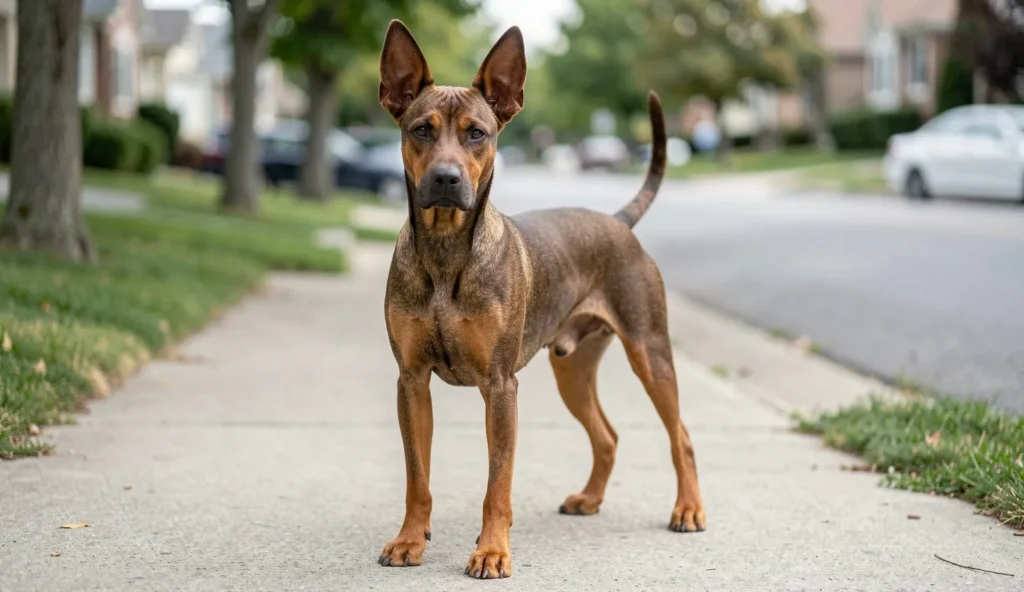
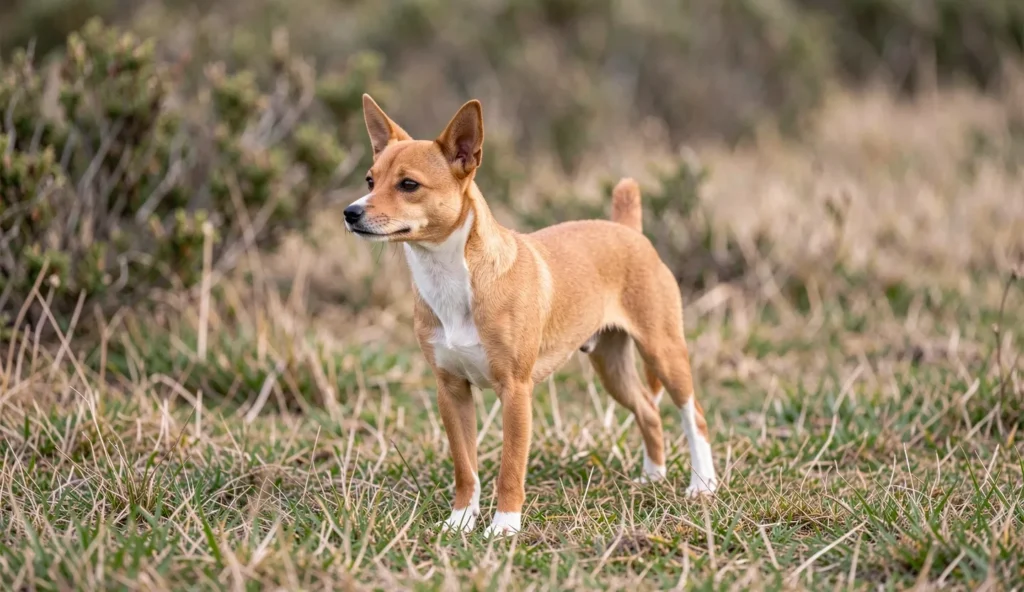
The appearance of the Portuguese Podengo depends on coat type and the three sizes. Most dogs have erect ears that help scan the environment continuously. The lean build supports speed, then helps the dog pivot quickly while working.
In addition, the dog’s face and tail often reflect its attention level. A forward posture suggests focus, while relaxed stance usually appears during rest. Because hunting dogs remain reactive by design, body language becomes a practical tool for owners.
Coat Types And Common Colors
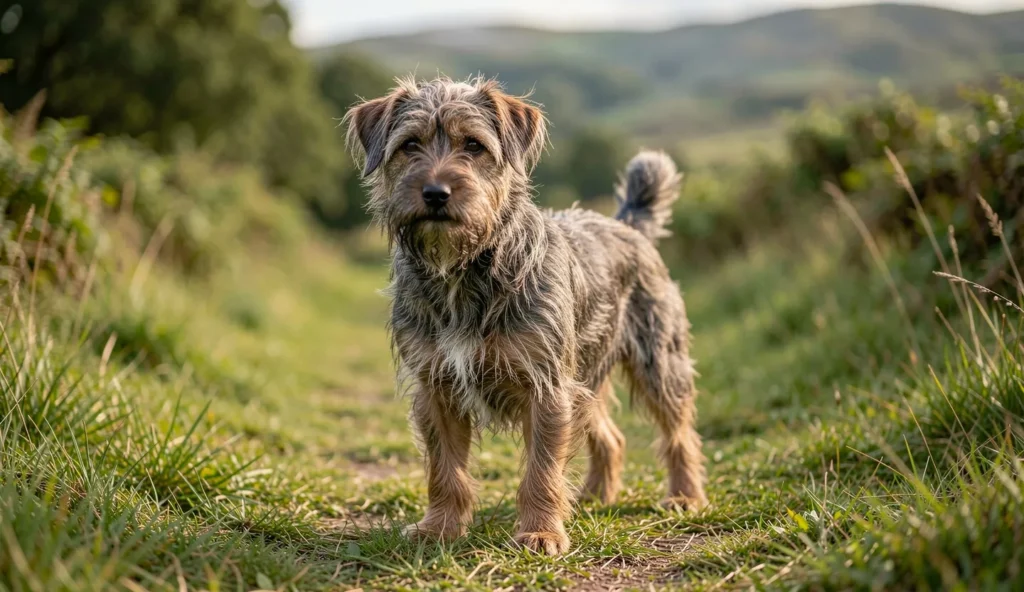
Portuguese Podengo dogs commonly come in smooth short coats and wirehaired coats. Smooth coats often lie close to the body, while wirehaired coats feel denser and more textured. Coat texture can offer protection during outdoor work.
Common colors include fawn and yellow shades, with white markings sometimes appearing on the chest or feet. Coat maintenance needs vary slightly by type, but both coat styles benefit from routine brushing. Debris can build up on hunting coats, so weekly checks matter.
Size Details For Grande Medio And Pequeno
Pequeno usually has a lightweight frame that supports agility. Medo is medium sized with proportions that balance endurance and movement. Grande tends to show a sturdier build and more presence during active hunts.
Exact height and weight ranges vary by registry and breeding line. Because buyers often plan for apartment life, verifying expected adult size helps avoid surprises. A small apartment friendly hunting dog can still stay too energetic for some homes if exercise plans do not match.
When comparing breeders, asking for litter history and typical adult body size can clarify expectations. This also helps decide whether Podengo temperament fits the available lifestyle. Matching size to routine usually reduces stress for both dog and handler.
Face Body And Tail Characteristics
Erect ears form part of the breed’s alert scanning system. During scent work, the head often turns to follow airflow and subtle movement. This posture helps explain why handlers should expect frequent environmental checking indoors too.
The lean torso supports speed and quick turns. Tails often sit in a way that reflects alertness, then relax when the dog feels safe. Owners can use these signals to adjust training and management.
What Podengo Temperament Looks Like In Daily Life
Podengo temperament often blends independence with high alertness. The Portuguese dog typically focuses on scent and movement, then chooses when to engage with people. That selective attention can feel like stubbornness unless training builds trust and clarity.
For hunters, the prey drive supports searching tasks. For apartment dwellers, that same drive requires management near wildlife outside. Consistent leash routines and enrichment help the dog settle between activity periods.
Typical Temperament For Hunting Background
The Portuguese Podengo breed often shows independent thinking because scent work involves decisions at distance. Prey drive is usually normal, so it needs proper outlets. Loud barking and sudden lunging can happen when handlers ignore triggers and allow rehearsal.
Alert behavior also appears in response to sounds and sudden motion. The dog may notice footsteps, door activity, or birds outside windows. When owners treat these moments with calm structure, the dog learns what to ignore.
How Size Can Affect Daily Behavior
Size often influences how the dog uses energy in the home. Pequeno may remain closer to home base and can become vocal when excited. That does not automatically mean poor temperament, but it can require routine to prevent nuisance habits.
Medio commonly shows balanced energy with steadier handling once trained. Grande may need more space and structured exercise to avoid restlessness. Without an outlet, a large dog’s hunting focus may turn into pacing or persistent window watching.
If a home includes small animals, prey drive becomes a serious factor. Owners should plan introductions carefully and never assume temperament will override instinct. Training can improve management, but it cannot remove hunting history.
Socialization And Living With People And Pets
Early socialization helps reduce fear and supports calm manners in new places. Expose puppies to people, floors, door sounds, and everyday activities during safe periods. Then practice calm greetings so energy does not spike by default.
Proper introductions matter for cats and small pets. The Portuguese Podengo temperament can shift quickly when the dog detects fast movement. Short, supervised sessions and controlled environments usually work better than open-ended freedom.
Consistency matters more than harsh corrections. Positive reinforcement and structured boundaries teach what behavior earns attention. That approach tends to lower stress during training and reduces reactive moments.
For comparison, owners sometimes also research breeds with similar alert traits, such as the Beagle, before deciding on household fit. That comparison helps clarify which dog type relies more on scent and which relies more on drive-to-people interaction.
How Much Exercise Does the Portuguese Podengo Need
Exercise needs depend on the dog’s size, age, and how much hunting instinct outlets are used. Even so, the Portuguese Podengo breed requires regular physical activity plus mental tasks. Owners who skip enrichment often notice more barking, pacing, and restlessness.
In apartments, short sessions spread through the day often work better than a single long outing. The goal stays simple, burn energy and satisfy scent curiosity. After activity, most dogs can settle well if routines remain predictable.
Daily Physical Exercise Expectations
Most adult Portuguese Podengo dogs benefit from several outdoor walks and play sessions per day. Short frequent walks often match apartment schedules and reduce leash tension. For very young puppies, high-impact running for long periods should be avoided.
Different sizes may show different output. Pequeno may prefer more frequent changes of pace, while Grande often needs longer active time. Owners should match sessions to the dog’s breathing comfort and body condition.
- Plan multiple short walks for steadier energy control
- Use play that includes movement and quick direction changes
- Limit extreme jumping during growth stages
- Keep routes varied to prevent boredom and window frustration
Mental Stimulation That Works Well
Mental stimulation helps satisfy instincts and reduces nuisance behaviors. Scent games and searching tasks can mimic parts of rabbit hunting without wildlife involvement. Controlled “find it” tasks also help the dog practice focus on handlers.
Because the Portuguese dog can work independently, enrichment that allows controlled searching often performs well. Rotating activities keeps attention steady and helps prevent burnout. Owners should watch for overarousal, then end sessions before the dog reaches full excitement.
Some handlers use similar approaches to other scent-focused dogs, including the Lagotto Romagnolo, to understand how scent drives behavior. That research can support better planning for apartment routines.
Leash Walking and Recall Realities
Leash training should be prioritized because prey drive can override recall during outdoor distractions. Recall is trainable, but it often requires repetition in low-distraction settings first. Secure areas still matter when owners plan off-leash practice.
Handlers should practice attention cues before outdoor errands. When the dog learns that looking back earns rewards, leash walking becomes easier. A consistent pattern also reduces stress when birds or rabbits appear unexpectedly.
How to Train a Portuguese Podengo for Reliable Behavior
Training works best when it reflects Podengo temperament. This Portuguese hunting dog often evaluates the situation first, then decides how to respond. Short positive sessions and clear cues usually produce better results than long drills.
Independence also means training should include real-world management. When distractions exist, handlers should reduce opportunities to rehearse chasing behaviors. Structure and distance often do more than verbal correction.
Best Training Methods for Podengo Temperament
Positive reinforcement supports cooperation with an independent dog. Treats, praise, and play can motivate the dog to choose the desired behavior. Short sessions help maintain attention and reduce stubbornness.
Because the dog may prefer scent-driven decisions, training should include guided attention tasks. Rewarding quick response builds habits even when the dog feels curious about the environment. Then training transfers more easily to busy streets and open areas.
Core Skills to Teach Early
Early skills should focus on safety and calm routines. Name response and basic sit and down teach the dog that handlers control interaction timing. Loose leash walking around home also sets the foundation for successful outdoor time.
Crate or resting area training supports downtime, especially in apartments. A comfortable resting spot reduces pacing and gives the dog a clear place to settle. Owners should associate the area with calm rewards rather than punishment.
- Teach name response before adding outdoor distractions
- Practice sit and down near doors and during greetings
- Train loose leash walking inside quiet hallways first
- Use a crate or mat to support calm resting habits
Managing Prey Drive and Barking Triggers
Leave it becomes essential for moving wildlife and unexpected scents. Owners should teach the command with a low-value item first, then gradually raise difficulty. A reliable leave it helps stop rehearsed chasing and supports safer walks.
Management also means blocking rehearsals. If the dog fixates on birds, handlers can use distance, barriers, and route changes to prevent repeated failure. Over time, training then replaces management rather than competing with it.
Barking triggers often relate to sounds, door activity, or window sightings. Exercise and structure reduce the dog’s background arousal, then training teaches what to do instead. Calm rewards for silence can work better than repeating corrections.
Some owners find it helpful to compare trainability across similar working breeds, such as the Pointer Dog, when deciding how much independence to expect. That comparison can help refine training expectations for scent-focused breeds.
What Grooming Does a Portuguese Podengo Need
Grooming for the Portuguese Podengo breed stays manageable for most owners. Coat type drives the routine. Smooth coats need brushing to remove loose hair, while wirehaired coats benefit from brushing and possible coat maintenance based on texture.
Routine care also supports health by letting owners notice skin problems early. Weekly checks help catch mats, debris buildup, and ear irritation before it becomes a bigger issue. Proper nail trimming supports comfortable movement during walks.
Coat Care For Wirehaired And Smooth Types
Smooth coat care usually involves regular brushing. This removes loose hair and reduces shedding in the home. Brushing also lifts outdoor debris that collects after hunting-style walks.
Wirehaired coats often benefit from brushing to prevent tangles. Depending on coat texture, some dogs need specialized maintenance, which should be discussed with a professional groomer. Owners should avoid aggressive pulling without guidance.
Weekly coat checks also matter for mats and roughness. If the dog spends time in dry grass or shrub areas, small debris can lodge in the coat. Addressing it early keeps skin healthier.
Routine Grooming Checklist
A simple grooming checklist keeps care consistent. Brushing controls hair and helps the coat stay clean. Nail trimming improves traction and comfort, especially on apartment floors.
Ear cleaning supports odor prevention and reduces buildup. Teeth care should also appear in the routine, with brushing several times per week when possible. Even basic dental attention can lower long-term gum issues.
- Brush the coat weekly for debris removal and reduced shedding
- Trim nails regularly to protect comfort and joint alignment
- Clean ears to prevent odor and trapped moisture
- Brush teeth several times per week for gum health
Everyday Care For Small Home Owners
Apartment living adds a few extra care needs. A comfortable resting area reduces restless pacing and helps the dog reset after outdoor time. Bedding that resists hair and stays easy to wash often works best.
Active dogs can jump quickly, so floors should stay clear of small hazards. Owners should also watch for coat debris that travels indoors after walks. Keeping a routine for wiping paws and checking coats can reduce mess.
Some owners also compare grooming effort with other small or agile breeds, such as the Kooikerhondje, to understand how coat type affects maintenance. That comparison helps plan tools and time commitments before choosing a dog.
How Should the Portuguese Podengo Be Fed
Diet and nutrition support healthy body condition and stable energy levels. The Portuguese Podengo breed typically needs balanced meals matched to age and size. Because the dog can stay active and hunt-focused, portion control matters to avoid weight gain.
Feeding plans should consider activity level, coat condition, and body shape. Adjust portions when the dog grows, then fine-tune based on body condition scoring. Small differences can improve comfort and training stamina.
Choosing the Right Food for Size and Activity
Choosing a diet matched to age helps ensure stable growth and digestion. Active dogs often do well on balanced protein and controlled fat levels. Treats should stay limited because it is easy to overdo rewards during training.
Owners should also consider the dog’s coat and skin. If skin irritation appears, food changes alone may not solve the issue, but nutrition can support overall health. When allergies are suspected, a veterinarian can guide testing and elimination steps.
Feeding Schedule and Portion Control
Most adult Portuguese Podengo dogs do well with two meals per day. Splitting meals can reduce hunger-driven begging and can support steady energy. Puppies often need more frequent feeding based on breeder or veterinarian guidance.
Body condition scoring helps adjust portions more accurately than guessing. Owners should look at weight changes, then evaluate rib visibility and waist shape. When activity drops, reducing portions often prevents excess weight gain.
Safe Treats and Training Rewards
Training rewards work best when they stay small and calorie controlled. Some handlers use part of daily kibble as training treats, which helps manage totals. Small treats also help prevent digestive upset that can follow large reward bites.
Food sensitivity varies between dogs. If the dog shows loose stool or vomiting after a treat, owners should stop that item and consider alternatives. Consistent rewards make training easier and reduce stomach surprises.
What Common Health Issues Affect Portuguese Podengo Dogs
Common health concerns can appear in the Portuguese Podengo breed, especially without routine monitoring. Home checks and preventive care reduce risk and help catch problems early. Because this dog stays active, joint comfort and dental health should receive attention.
Many issues overlap with other small and medium active breeds. Owners should still follow veterinarian guidance, especially for vaccination schedules and parasite prevention. When changes appear, prompt evaluation supports faster treatment.
Health Monitoring at Home
At-home monitoring should include weight checks and activity observation. If the dog loses interest in walks or suddenly moves differently, that change deserves attention. Grooming sessions offer a practical time to inspect ears and skin.
Ear redness, odor, or frequent head shaking can indicate irritation. Teeth and gums can also show signs of disease during grooming. Catching early dental changes often reduces future complications.
- Check weight monthly to maintain a stable body condition
- Inspect ears for redness, odor, or excess wax
- Watch gums during brushing for swelling or bleeding
- Monitor skin for constant scratching or patchy irritation
Common Conditions to Discuss With a Veterinarian
Dental disease can develop over time without regular teeth care. Regular brushing and professional exams help manage risk. Patellar issues can also appear in active small and medium dogs, affecting comfort during stairs or sudden stops.
Skin irritation depends on environment and coat type. Allergies may affect ears and skin, and they can require investigation rather than guesswork. If itching becomes persistent, veterinary evaluation can determine whether allergy management or parasite treatment is needed.
Preventive Care That Matters
Vaccinations and parasite prevention keep the dog protected and support reliable health. Routine exams also help ensure the dog maintains an ideal body condition. Safe exercise surfaces reduce strain on joints, especially during growth.
For owners planning frequent outdoor runs, warm-up routines also help. Short gentle movement before harder play supports comfort. That approach is useful for any size category, including Grande and Medo.
Is a Portuguese Podengo Right for You
A Portuguese Podengo can fit many households when time and management match the dog’s instincts. The Portuguese Podengo breed often needs daily walks plus mental games. Apartment success typically depends on training, leash structure, and consistent enrichment.
Hunters may feel at home with the dog’s rabbit-focused background. Still, every household should plan for prey drive during outdoor life. With realistic expectations, the dog can become a steady companion for both training time and quiet downtime.
A Good Fit If These Conditions Are Met
This dog fits well when daily activity stays consistent. A planned walk routine and scent games can satisfy hunting energy in a small space. Leash training is also realistic for most owners willing to practice frequently.
Apartment routines should include quiet rest plus planned enrichment. If a household can provide supervision around wildlife and small pets, behavior tends to stabilize. A clear plan for prey drive usually improves safety and reduces stress during walks.
May Not Be Ideal If These Factors Apply
This breed may struggle when there is little time for training and enrichment. Without structure, hunting instincts can turn into persistent barking or pacing. Households with very small pets need careful management and controlled environments to prevent chasing.
Lack of structured exercise also increases restlessness. Grande, in particular, often needs more active outlet than a typical apartment can offer without commitment. Apartment dwellers should measure how daily routines will support the dog.
Choosing Grande Medio Or Pequeno For Lifestyle
Grande may suit experienced owners with more space and stronger exercise routines. Medo often fits active homes that want balanced energy and manageable handling. Pequeno often matches apartment dwellers who want a smaller dog with hunting instincts.
Choosing among the three sizes should reflect time, space, and supervision level. If the dog will stay indoors most of the day, mental games and predictable outings become non-negotiable. When those needs are met, the Portuguese Podengo breed can thrive in both hunting and apartment settings.
Some people also compare Portuguese rabbit hunting dogs with other rare working breeds, such as the Norwegian Lundehund Dog, to understand how instinct shapes routines. That kind of research supports a more informed size and temperament decision.
Frequently Asked Questions
What Are the Three Sizes of the Portuguese Podengo
The Portuguese Podengo is commonly grouped into Grande, Medo, and Pequeno. Size choice affects exercise needs, presence, and daily handling.
Is the Portuguese Podengo Good for Apartment Living
Pequeno is often the best match due to smaller size. Apartment success also depends on daily walks and mental enrichment.
How Strong Is the Portuguese Podengo Temperament and Prey Drive
Prey drive is normal because the breed developed for rabbit hunting. Leash training and management around wildlife are usually necessary.
How Much Exercise Does a Portuguese Podengo Need
Regular daily walks plus games that use scent and searching instincts help meet energy needs. Short sessions spread through the day often work well for smaller homes.
What Grooming Does a Portuguese Podengo Need
Smooth coats need routine brushing to control shedding. Wirehaired coats need brushing and may require coat maintenance depending on texture.
What Health Issues Are Common in Portuguese Podengo Dogs
Dental problems can develop without teeth care. Patellar issues and skin irritation may occur and should be monitored.
A Supportive Care Plan Makes the Difference
With consistent exercise, positive training, and routine grooming, the Portuguese Podengo breed can fit many lifestyles. Matching Grande, Medo, or Pequeno to available space and daily time helps the dog feel secure and behave predictably.