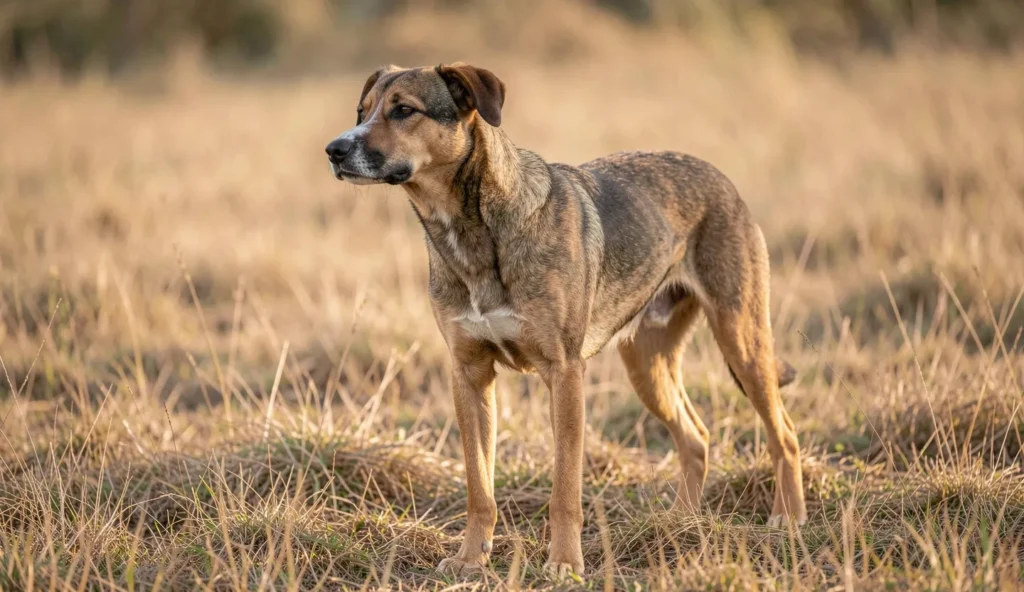
What Is A Catalburun Dog Breed?
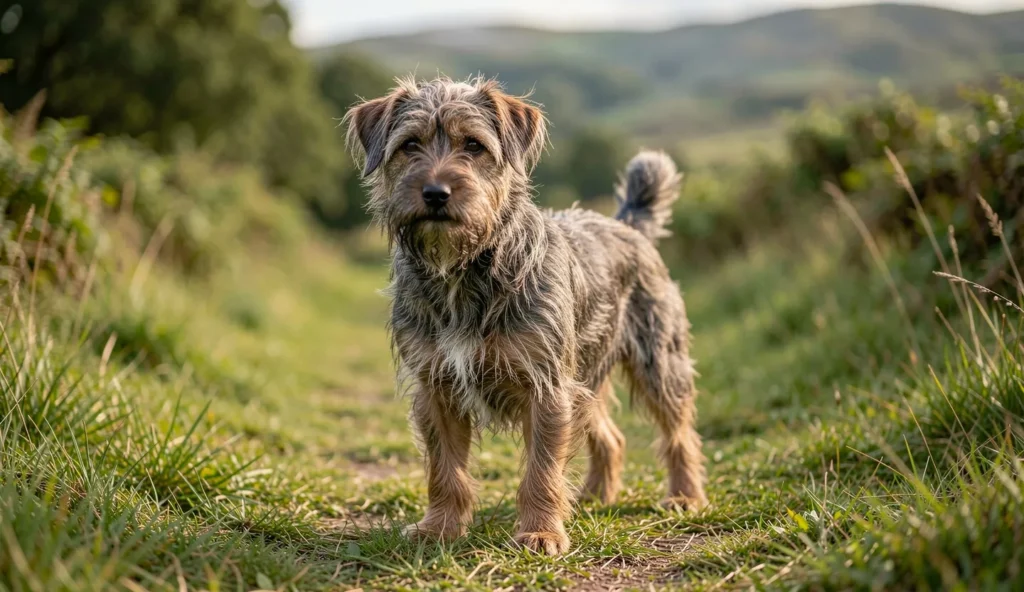
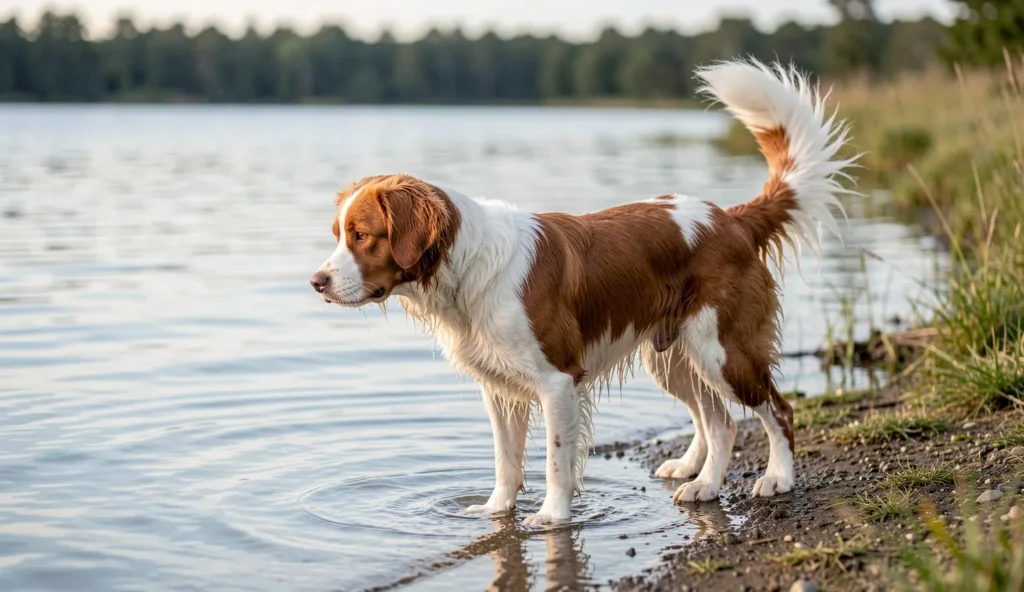
The Catalburun dog breed is a rare Turkish pointing dog known for distinctive nasal structure and strong field scenting. Originating in Turkey, it developed around hunting needs for birds and small game. Hunters often choose this breed for steadiness while locating scent and for a focused hunting drive. The split or fork nose gives it a memorable appearance and supports scent tracking that can be trained and refined over time.
Because the population stays limited, reputable breeding opportunities can be scarce. For collectors, the Catalburun hunting style also stands out among Turkish dog breeds. When a dog receives structured field work, scent discipline tends to improve. For that reason, many owners treat it as a working partner, not just a pet.
Origin In Turkey And Local Hunting Traditions
Catalburun development took place in Turkey where local hunters needed a pointing dog that could cover terrain efficiently. The breed became known as a reliable pointing dog used to locate game before the next hunting step. Over generations, field performance shaped traits that remain useful today. As a result, the Catalburun hunting approach often emphasizes careful scent reading and controlled body positioning.
In addition, limited breeding outside its native region helped keep the breed rare. That rarity means fewer litters reach international markets. Therefore, buyers should plan ahead and verify breeder documentation. If availability seems tight, it usually reflects a small breeding base rather than quick, casual matings.
Why The Split Nose Matters For Scent Work
The Catalburun is commonly described as a split nose, with a forked structure at the nostrils. This feature gives the breed a recognizable look, but it also aligns with its scent-focused purpose. Trainers often treat nasal structure as part of the breed’s scenting identity during field learning.
However, scenting performance still depends on training and field conditions. A dog can show interest in scent yet fail to point reliably without consistent progression. For best results, owners should pair the breed’s natural tendency with scent games and controlled pointing cues. With time, confidence usually grows as the dog learns to hold position when scent appears.
When comparing performance expectations, it helps to review how other pointing lines handle field progression. For an example of another hunting breed, resources on the Pointer Dog can provide baseline guidance for structured pointing work using positive reinforcement. That comparison can help set expectations for steps that build reliability.
Appearance And The Distinctive Split Nose
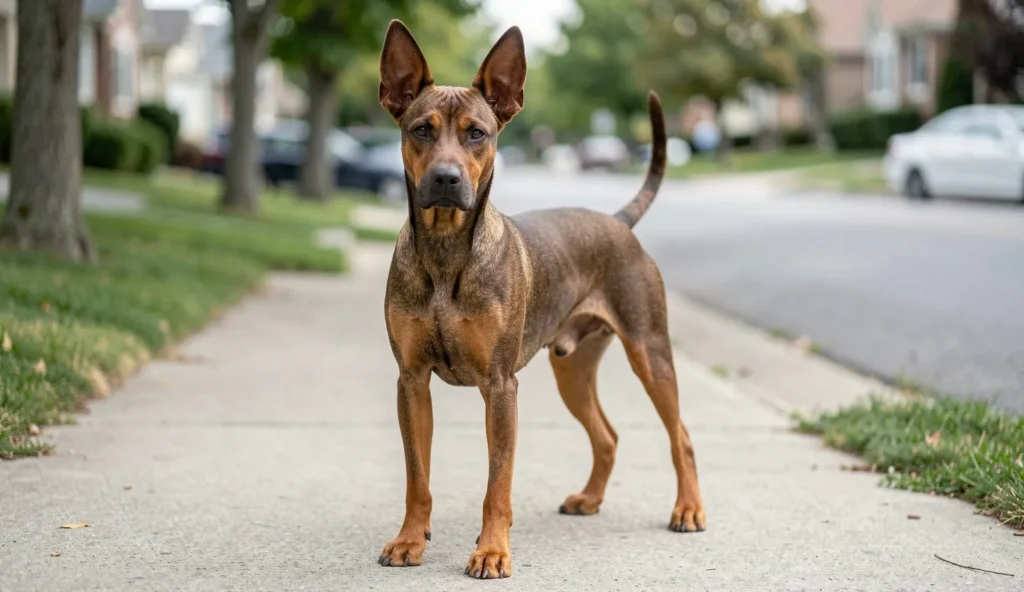
The Catalburun dog breed has an athletic build suited to active field hunting. Coat texture and body proportions support work that includes walking, quartering, and stationary pointing. While it looks like a typical pointing dog at first glance, the split nose draws immediate attention. This forked structure at the nostrils helps define the dog’s signature appearance.
Beyond the nose, the breed typically shows a steady head carriage during hunting scenarios. That posture helps it track scent while maintaining body control. In training and field sessions, owners often notice that the dog looks alert and purpose-driven. Those traits pair well with handlers who want predictable pointing behavior.
Coat Type And Common Color Patterns
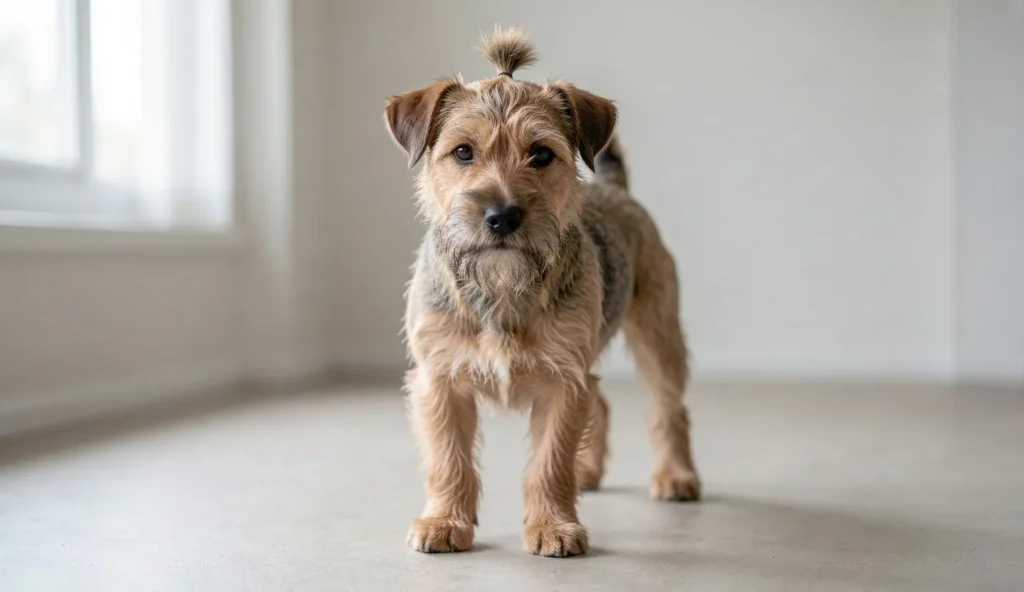
Coat in the Catalburun dog breed usually ranges from short to medium length, with a weather-resistant feel. The coat helps during outdoor work where grass, brush, and light rain appear. It also means grooming needs remain manageable for most owners. Regular brushing removes loose hair and reduces the chance of debris collecting after hunts.
Common color patterns often include variations of solid and patterned shading. Typical looks can include liver tones, black tones, and lighter accents depending on the individual. Local breeding lines may show consistent patterns, which makes photos and documentation important when evaluating potential dogs. Because coat density affects shedding, grooming habits may vary slightly by individual.
After each field day, checking skin under the collar and around the legs helps catch irritation early. This habit matters most because hunting dogs often encounter rough plants and dust. When the coat is kept clean and dry, skin problems usually appear less often.
Build Size And Movement For Pointing
The Catalburun dog breed typically has a lean, athletic frame designed for endurance and controlled movement. Its proportions support purposeful quartering and efficient travel across scent zones. During pointing, the dog should hold a balanced stance that keeps the head oriented toward the scent source.
Movement often looks coordinated rather than heavy. In the field, this coordination matters because it helps the dog transition from walking to stillness without rushing. Handlers should also watch for smooth transitions when the dog slows and locks into point. A dog that points well usually shows good balance at the forequarters and a stable stance at the rear.
What The Split Nose Looks Like And How It Varies
The split nose in a Catalburun is usually visible at the nostrils, where the nasal structure can appear forked or divided. Some dogs show a clear separation, while others show a more subtle split depending on individual anatomy. Expression may also vary, so two dogs can look similar yet differ in how sharply the split stands out.
Because nose structure can vary, responsible breeders should document nasal traits carefully. That documentation helps maintain breed identity across generations. Buyers should also expect natural variation in facial features that still fits the breed standard. Careful evaluation reduces confusion when “fork nose” descriptions are used loosely.
When looking at rare breed identity traits, it helps to compare how other rare dogs show specific physical markers. For instance, the Norwegian Lundehund Dog is known for distinct traits like unusual flexibility, which also affects how owners plan for care and training. Similar attention to trait detail supports smarter Catalburun selections.
Temperament And Personality For Hunters
The Catalburun dog breed typically shows a hunting-focused temperament shaped by scent work. In a home environment, it may appear calmer when daily outlets match its energy level. During field time, it usually shows high interest in scent and quick engagement with hunting cues. For hunters, this drive often translates to strong motivation to work.
Still, the breed may struggle in low-activity households if structure remains inconsistent. Without proper outlets, energy can redirect into unwanted behaviors. For that reason, owners should treat training and exercise as ongoing routines. When routines remain steady, behavior at home often becomes more manageable.
Energy Level And Working Drive
The Catalburun hunting drive can be high, especially when scents appear outdoors. Many dogs focus deeply once they find an interesting track. Daily outlets should include both movement and scent tasks, since long walks without scent work can feel unsatisfying. When boredom builds, digging and escape attempts can increase.
Training sessions also count as energy outlets when they use scent-based goals. Short, structured sessions help match the dog’s attention span. Over time, the dog often learns to settle after work because handlers teach calm moments. That routine supports better home behavior.
Trainability And Working Focus In Real Field Distractions
The Catalburun dog breed generally responds well when training uses positive reinforcement tied to scent work. Consistency helps maintain focus during distractions like birds, grass movement, and other animals. Early field exposure matters because it teaches the dog what to do when scent appears. During this stage, owners should reward correct pointing and steady body posture.
It also helps to set training goals that match the dog’s current level. A young dog may show excitement and short bursts of focus. In that case, handlers should keep sessions short and gradually increase complexity. Reliability usually grows as the dog learns to maintain position.
Handlers looking for additional perspective on how breed temperament impacts training can also review breed profiles like the Mudi dog. Even though the species differs, herding drive patterns often show why structure matters for high-energy hunting dogs. That idea applies to Catalburun training planning as well.
Living With People And Other Animals
Socialization plays a key role in Catalburun home behavior. When introductions happen early and calmly, the dog often becomes easier to manage around visitors. However, strong prey drive can appear due to hunting instincts, especially with small pets. That means careful supervision may remain necessary for the life of the dog.
Introductions should follow controlled routines. For example, first meetings with cats or small animals should occur with barriers and short durations. Over time, owners can learn which situations trigger intense chasing. If intense reactions happen, structured management and training helps keep everyone safe.
How Much Exercise And Field Work Does A Catalburun Need
A Catalburun dog breed needs daily exercise that supports both physical fitness and scent motivation. Most owners find that a mix of walking, controlled scent tasks, and training yields better results than distance alone. Field work also shapes pointing confidence by teaching the dog to hold steady when scent appears. Because the breed can stay driven, owners should plan for consistent outlets rather than occasional long sessions.
Weather and conditioning affect how long the dog should work. Heat, cold, and wet brush can change energy needs and risk levels. For safe hunting, handlers should adjust work time and watch for signs of fatigue. When exercise planning stays realistic, the dog’s body stays comfortable and ready for the next session.
Daily Exercise Requirements For A Hunting Ready Routine
Daily targets depend on age, conditioning, and hunting schedule. Many working breeds do well with multiple short activity blocks rather than one long run. A practical approach includes walks plus scent tasks. Scent tasks can be as simple as allowing controlled tracking on a line or hiding small rewards in safe zones.
Running can add speed, but scent work often builds deeper focus for a pointing dog. Owners should also include rest time so the dog learns to recover after effort. During training, movement should be paired with clear cues and steady expectations. If energy remains too high, sessions should end before frustration grows.
Training That Builds Pointing Confidence With Scent Games
Pointing confidence usually improves when scent games gradually lead into stillness. Handlers can start with simple scents that lead the dog to a marked area. Then training can add a pointing cue that rewards the correct body position. Stillness should be reinforced because a hunting dog learns the “hold” behavior through repetition.
Controlled environments often help early learning. In open fields, distractions increase and can interrupt focus. Therefore, initial sessions should use manageable spaces before moving to real field conditions. Over time, handlers can introduce birds or scent partners at a pace the dog can handle.
Field Etiquette And Safety On Hunts
Safety matters in any Catalburun hunting schedule, especially where recall reliability may change with experience. Leash and harness use often remains appropriate during training areas. For field trips, a handler should have a retrieval plan based on training stage and conditions. That plan includes knowing when to stop work and when to call the dog in.
Outdoor safety also includes monitoring for overheating and overexertion. Brush can cause skin irritation, and tall grass can increase the chance of ticks. After hunting, owners should check ears, paws, and skin for debris. Routine checks reduce problems that can develop from small injuries.
To compare how equipment and field management can differ across breeds, breed care pages like the Kooikerhondje can help outline the value of structured routines. Even for a different type of dog, the same safety principles apply when a handler relies on field readiness. That approach supports the Catalburun dog breed during both training and hunts.
Training Tips For A Rare Pointing Breed
Training a rare pointing breed like the Catalburun dog breed requires patience and consistency. The goal centers on building reliable obedience that supports field behavior. Because the dog often works for scent, training rewards should align with that motivation. With steady structure, the dog can learn to point, hold, and transition into controlled retrieval.
It also helps to plan sessions around the hunting calendar. Training that repeats key steps prevents confusion and strengthens muscle memory. Since the breed is rare, owners often need to rely on fewer local experts. For that reason, clear progression and documentation of results helps track development.
Basic Obedience That Supports Hunting And Pointing Work
Basic obedience should start before advanced pointing cues. Recall reliability supports safe off-leash or long-line work during training. Leash manners also matter because the dog may lunge when it finds scent. Handlers can reinforce calm walking and reward attention near distractions.
Owners should also teach calm behavior around launch and movement. When the handler cues “go,” the dog should know the difference between hunting mode and home mode. This contrast helps reduce impulsive behavior later in training. As a result, field transitions often stay smooth.
For owners comparing how obedience foundations affect hunting dogs, Bulldog temperament guides can show the value of consistency and gentle correction approaches. While the Bulldog is not a pointing dog, many household behavior lessons translate well. The same principle applies to creating predictable rules for the Catalburun dog breed.
Leash Voice And Recall Conditioning Using High Value Rewards
Leash, voice, and recall conditioning should use high-value rewards for distractions. Sessions should start with low difficulty, then add scent complexity. Recall practice works best when it becomes a positive signal rather than a threat. If punishment reduces working confidence, the dog may stop engaging or avoid training.
Gradually increasing difficulty helps the dog learn that recall works anywhere. Handlers can practice recall in open areas, then in environments with more scents. During these sessions, reward should appear quickly after correct response. Over time, the dog often learns to disengage from scent when called.
Pointing And Retrieval Progression From Simple Cues To Field Scenarios
Pointing progression works best when it follows a clear sequence. First, handlers should teach pointing cues and structured scent trails in safe settings. The dog then learns to show stillness and body alignment when scent appears. Once pointing is consistent, handlers can move toward controlled situations with partners or training partners.
Retrieval should also start separately. A dog can learn retrieval as a clear task without mixing it into pointing at first. After retrieval becomes reliable, handlers can combine pointing and retrieval so the dog understands the hunting sequence. This step-by-step approach reduces confusion and supports steady performance.
Grooming Diet And Common Health Issues For Active Catalburun Dogs
Caring for a Catalburun dog breed involves routine grooming, balanced feeding, and attention to common risks seen in active hunting dogs. Because this breed often works outdoors, it can encounter dust, ticks, and small skin injuries. Nutrition also plays a role since field activity can increase calorie needs. When care routines stay consistent, the dog can remain comfortable during both training days and longer hunts.
Owners should also plan for quick checks after each field session. Even a short hunt can expose the dog to rough brush or wet ground. Catching issues early prevents small problems from becoming more serious. This approach benefits both performance and overall comfort.
Grooming And Coat Care After Field Days
Grooming for the Catalburun typically involves regular brushing to reduce loose hair. Brushing also helps owners notice skin irritation before it worsens. After hunting, skin checks around the legs and under the collar can reveal redness or debris. If debris remains trapped, it can lead to irritation.
Nail care also matters because active dogs can wear nails unevenly. Paws should be inspected for cuts, embedded material, or dryness after long outdoor sessions. Keeping paws healthy supports comfortable movement and reduces the chance of limping. For most owners, simple weekly grooming checks stay enough when hunting is not constant.
Feeding Guide For Working Dogs With Active Schedules
Feeding should match activity level and body condition. A complete, balanced diet helps maintain muscle and supports recovery after training. Many owners find that measured meals prevent weight creep, which can affect endurance. Calorie needs often rise during heavy field training and drop during rest periods.
Fresh water stays essential, especially after long outdoor days. Owners should also keep bowls clean to reduce contamination risk. During warmer seasons, water monitoring becomes more urgent. If appetite changes after hunts, body condition should guide portion adjustments.
For additional ideas about feeding planning for rare breeds, browsing Rare Cat Breeds can help illustrate how different species have different diet considerations based on lifestyle. While cats and dogs differ, the concept of matching diet to needs remains consistent across pet care. That logic also supports more accurate feeding choices for a Catalburun dog breed.
Common Health Issues And Field Injury Prevention
Active pointing dogs can face health issues related to outdoor exposure. Skin irritation can develop from brush contact, and ear problems can appear after wet field work. Parasite prevention matters because outdoor exposure increases risk for ticks and similar threats. Routine vet checks help keep vaccines and general health current.
Joint and paw protection also supports long-term comfort. Owners should watch for limping, stiffness, or reluctance to move. If joint discomfort appears, work intensity should reduce until veterinary advice confirms the cause. Prompt attention often prevents small issues from becoming chronic.
Because hunting dogs spend time in varying terrain, owners should also inspect eyes for irritation and tears. Irritants can appear after dust exposure. A simple check after hunts can prevent lingering discomfort. When health care stays proactive, the Catalburun can keep working comfortably.
Is A Catalburun Dog Breed Right For You?
The Catalburun dog breed fits best for hunters and collectors who can support structured work. The breed often requires consistent scent training, daily exercise, and patient obedience building. If hunting goals include birds or small game pointing, the Catalburun can match those needs well when training follows a clear progression. For collectors, rarity and trait identity also drive interest.
At the same time, high drive may be challenging for low-activity households. The dog may need more daily time than a casual companion. In addition, limited availability from reputable breeders can create planning challenges. Prospective owners should confirm health checks and documentation before committing.
Best Fit Owners And Hunting Goals For This Rare Pointing Dog
Best fit owners typically want a specialized scent-based pointing companion. They also tend to enjoy structured training and field routines. Consistent work helps the breed stay confident while pointing and holding position. Owners who already train hunting dogs often adapt faster to the Catalburun’s working style.
People interested in Turkish dog breeds often choose the Catalburun because it carries regional hunting traits. For many, the split nose also becomes a recognizable breed hallmark. When goals include both performance and rarity, the match can be strong.
Potential Challenges And Realistic Expectations
High hunting drive can be difficult for households that prefer minimal daily activity. Without outlets, the dog may show restlessness or attention-seeking behavior that follows scent cues. Reactivity can also appear if training stays inconsistent or if the dog experiences frequent unmanaged distractions. Therefore, structure helps maintain calm behavior.
Another challenge involves access to reputable breeding and experienced guidance. Because the population stays small, support networks may be limited. Prospective owners should budget time for training resources and ongoing care. Planning reduces frustration when the right dog takes longer to find.
Starter Checklist For Responsible Ownership
Responsible ownership works best when planning starts before the dog arrives. Key steps include scheduling daily exercise and scent training time. Budget planning should include routine vet visits, vaccines, and parasite protection. Training tools should support positive reinforcement methods and safe line work.
Before purchasing, confirm breeder health checks and proper documentation. It also helps to verify how nasal traits were documented for split nose dog identity. Buyers should ask about age-appropriate work and how early obedience was introduced. When these details are confirmed, ownership often runs smoother from the first month.
- Plan daily walks plus scent tasks, not only distance
- Budget for vet care, vaccines, and outdoor parasite prevention
- Use positive reinforcement rewards for scent-based training
- Confirm health checks and split nose documentation
- Prepare for field safety gear and retrieval planning
Final Note On Choosing And Caring For A Catalburun
Owning a Catalburun dog breed can be rewarding for hunters who want a focused rare pointing breed with strong scent drive. With consistent field work, safety routines, and patient obedience training, the breed’s split nose traits and Catalburun hunting abilities can show up in reliable performance.
Frequently Asked Questions
What Makes The Catalburun Split Nose Different From Other Pointing Dogs?
The split nose creates a visible fork at the nostrils. Scent tracking still depends on training, but the nasal structure helps define the breed’s scent identity.
Is A Catalburun Dog Breed Good For Bird Hunting?
Yes, the Catalburun is used as a pointing dog for birds and small game. Performance improves when field training builds pointing steadiness.
How Much Training Does A Catalburun Need To Point Reliably?
Reliable pointing typically comes from progressive scent work and consistent obedience foundations. Training should start with calm basics and grow into structured field scenarios.
What Is The Best Diet For A Working Catalburun?
A complete, balanced diet matched to activity level works best. Portions should adjust based on training intensity and body condition.
What Health Issues Should Be Watched For In Active Pointing Dogs?
Owners should watch for skin irritation, ear problems, and outdoor parasite exposure. Routine vet checks and prompt care after hunts help reduce risk.
Are Turkish Dog Breeds Like Catalburun Suitable For Beginners?
They can be challenging for beginners because drive runs high and daily structure matters. Success improves when the handler commits to training routines aligned with hunting goals.