What Is A Nova Scotia Duck Tolling Retriever?
The Nova Scotia Duck Tolling Retriever is a Canadian dog built to attract and retrieve waterfowl. This breed stands out because of the tolling technique, where controlled shoreline play draws curious ducks closer. As the smallest retriever-type dog, it still carries enough stamina for long hunting days.
For people who want a rare retriever with a clear job in mind, the Toller breed can feel uniquely practical. Many retriever fans also enjoy how the dog’s energy becomes useful when training follows real hunting patterns.
Breed Origin And Background
The breed developed in Nova Scotia, Canada, where hunters needed a dog that could work near cold water. Development focused on waterfowl hunting and retrieving, not just general retrieving. The breed name connects to the tolling behavior used to attract ducks at the shoreline.
Because the Nova Scotia Duck Tolling Retriever was shaped by hunting work, modern training works best when it supports retrieving and water confidence. Similar working instinct can also appear in other retrievers, such as the
in family-friendly contexts.
Smallest Retriever And What That Means
The Nova Scotia Duck Tolling Retriever ranks among the smallest retriever-type breeds. That smaller frame supports agility and quick movement, which fits shoreline work. It also means housing and exercise planning should focus on safe activity space.
Smaller size can still produce strong drive, especially in dogs raised with hunting expectations. For retriever fans comparing breeds, the “small but capable” idea helps explain why the Toller breed stays popular among working owners.
How Tolling Works In Plain Terms
In simple terms, the dog plays along the shoreline to draw in curious ducks. Movement and visible excitement matter, but the dog must not lose control. A trained dog can shift from arousal into a calm transition so retrieving works when called.
This arousal-to-retrieve transition helps hunters because ducks move within range. That same pattern can guide at-home training for any person practicing retrieving games.
What Does A Toller Look Like And How Can It Be Recognized?
Appearance gives the Nova Scotia Duck Tolling Retriever a clear identity in outdoor settings. The coat color and the athletic build help most people recognize the breed quickly. Even when a dog seems energetic, the overall look often stays compact and balanced.
Coat Color And Common Markings
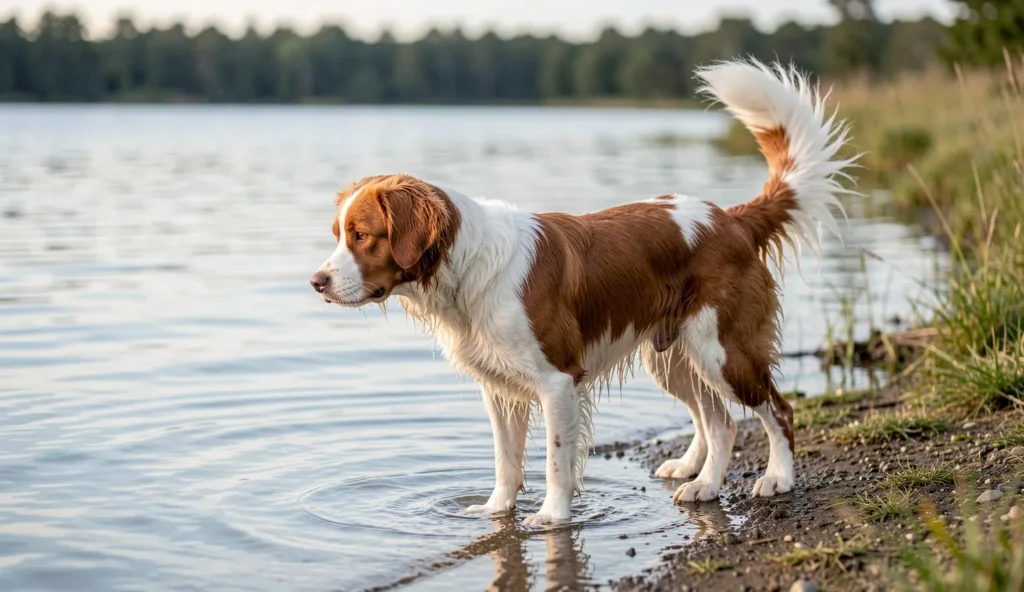
Common coat colors include red, coppery red, and shades that can appear warm in sunlight. White markings may show on the chest, muzzle, and feet. Many dogs also have a soft undercoat that supports warmth for water work.
Because the coat supports cold-weather use, it can look plush after time outside. Owners often find that regular brushing helps keep the undercoat from matting during seasonal shedding.
Build Size And Proportions
The body usually looks compact and athletic, with proportions that support land and water work. A balanced head and expressive eyes help reflect alertness. This shape also supports quick turns during retrieving or training exercises.
In practical terms, the build suits agility drills, controlled recall practice, and short retrieves. It also helps explain why the breed can excel in structured dog sports when hunting work is not available.
Tail Legs And Water-Ready Traits
The tail often carries energy during play and training sessions. Water-friendly movement can vary by individual, but most dogs show strong willingness to work in and near water. Feet and pads deserve attention because active dogs can develop wear after long sessions.
If frequent retrieving occurs, paw checks after each outing often prevent small problems from becoming injuries. This routine also fits well with a consistent grooming schedule.
How Does The Nova Scotia Duck Tolling Retriever Act At Home?
Temperament determines how smoothly the Nova Scotia Duck Tolling Retriever fits a household. Most dogs show a high level of outdoor drive and motivation to retrieve. When owners provide structured outlets, the dog often becomes focused rather than chaotic.
Because this is a rare retriever with a specific job, its instincts often show up even in daily life. Tolling behavior can appear as attention-getting movement, shoreline-style play, or alert watching when near water.
Energy Level And Drive
The Nova Scotia Duck Tolling Retriever typically has high drive for retrieving and outdoor work. Many dogs enjoy tasks that use scent, movement, and training cues. Without regular outlets, boredom behaviors can appear, including chewing or digging.
Training does not need to be complex, but it should be consistent. When training matches the dog’s natural motivation, the dog usually responds with more calm focus.
Tolling Behavior At Home
At home, a Toller may show shoreline-like play patterns, especially when a yard edge or open space feels “water-like.” The dog can become alert when near water, fences, or clear sight lines. This attention often helps during hunting training but can also create overstimulation if not guided.
To keep tolling instincts safe, owners usually benefit from arousal control cues and short sessions. Those cues also support recall practice when exciting stimuli appear.
Family Compatibility And Social Behavior
This breed often forms strong bonds with family members. With strangers, a Nova Scotia Duck Tolling Retriever may seem reserved until it settles into routine. Supervision helps when very small pets live in the home, because hunting focus can affect impulse control.
Socialization still matters, even when the dog looks naturally attentive. A structured introduction plan reduces stress and supports calmer behavior around guests and new environments.
Common Behavioral Challenges
Some common challenges include chewing or digging when exercise and mental work remain inconsistent. Jumping or overstimulation can happen when excitement builds without clear releases. Pulling or barrier frustration may also occur when training for leash manners has not started.
Early structure usually prevents many issues from becoming habits. For people comparing working instincts across breeds,
training often highlights similar needs for focus and consistent outlets.
How Much Exercise Does A Working Retrieving Dog Need?
Exercise planning helps a Nova Scotia Duck Tolling Retriever stay balanced and trainable. The breed often needs regular daily physical activity plus mental stimulation. Because the dog can work at a high arousal level, exercise should include calm transitions, not just intensity.
How Much Daily Activity Is Needed
Most Tollers do best with regular daily exercise and mental work. Short, frequent sessions often work better for young dogs than long, exhausting trips. Working-line needs can be higher than casual pet needs, so activity plans should match the individual.
When hunting dogs live as pets, consistent planning reduces the risk of energy buildup. Owners who schedule daily outings also tend to see easier training outcomes.
Best Exercise Types For A Toller Breed
Retrieval games with bumpers or balls are often a direct match for breed instinct. Long leash walks with changing directions support focus while also building endurance. Swimming can work well if the dog receives safe water introductions and supervision.
Trail scents and searching games also offer mental work that fits tolling instincts. For owners who want water-adjacent activities, retrieval practice near safe shorelines can be especially useful.
Mental Stimulation That Fits Tolling Instincts
Mental stimulation often matters as much as physical exercise for this rare retriever. Scatter feeding and scent searches keep attention engaged during low-energy periods. Training sets with short wins and clear releases help the dog understand when to focus and when to rest.
Water-based play can also help because many dogs show natural attraction to water work. Even simple training rewards after calm sitting help prevent constant arousal.
Exercise Safety And Overexertion Limits
During growth stages, owners should avoid excessive impact because joints and bones are still developing. Overheating can happen during intense play that resembles tolling energy. Cool-down time after retrieval sessions supports recovery and reduces stress.
Hydration and rest matter during hunting season, especially after active shore runs. When exercise safety stays consistent, training improves because the dog stays comfortable.
How Can Owners Train The Tolling Technique And Basic Manners?
Training helps the Nova Scotia Duck Tolling Retriever use its instincts in a controlled way. The key goals usually include recall, arousal control, and retrieving foundations. With the right structure, the tolling technique becomes a teachable behavior rather than an uncontrolled habit.
Because the breed often stays eager, beginner-friendly training should focus on short sessions and clear cues. That approach tends to reduce frustration and helps owners build reliable routines.
Training Priorities For First-Time Owners
Recall and an emergency stop cue often deserve early training time. Loose-leash walking supports daily outings and reduces barrier frustration. Impulse control for doors, food, and guests also helps manage high-drive moments.
When training starts with basics, waterfowl retriever training becomes easier later. Consistent reward timing and simple cue language keep learning clear for both dog and owner.
Teaching Arousal Control And Clean Releases
Arousal control keeps the dog usable when excitement rises. Clear cues for “get ready” and “take it easy” help the dog shift between modes. Quiet after bursts of excitement often becomes the behavior that owners reward most.
Practice between play reps works well because it teaches calm as part of retrieving. Over time, the dog can learn to focus during the moment it would otherwise chase the next thrill.
Retrieving Foundations That Prevent Frustration
Retrieving starts with short distances and soft retrieves, so success stays likely. Water confidence can build through gradual introductions rather than forcing sudden jumps. Consistent hand signals and simple verbal cues reduce confusion during early sessions.
Many owners find it helpful to pair retrieves with a reliable release command. That structure supports the later tolling technique, which requires controlled excitement.
Tolling Inspired Games That Work Without Hunters
Non-hunters can still train “shoreline style” patterns safely. Run and stop games can simulate shoreline excitement while owners practice control cues. Safe play zones reduce risk from traffic and hazards, which keeps the dog focused on training.
Movement cues paired with a reliable sit or down release teach the dog to switch gears quickly. This kind of structure often supports better behavior during real retrieving practice.
Common Training Mistakes To Avoid
One frequent mistake involves overusing excitement without teaching calm afterward. Another issue is skipping leash manners and cleaning up jumping behavior early. Repeating retrieves when the dog already feels overstimulated can reduce motivation for the next cue.
Instead, training should include breaks and calm rewards so the dog learns a predictable routine. For additional breed-comparison context,
shares a background of retrieving-style attraction behaviors and can help frame how arousal management matters.
How Should A Nova Scotia Duck Tolling Retriever Be Groomed?
Grooming supports coat health and keeps an active Nova Scotia Duck Tolling Retriever comfortable. The breed’s coat needs regular maintenance because water work can leave debris and moisture on the skin. A steady routine also helps control shedding and matting.
Coat Grooming Schedule That Works For Active Dogs
Brush regularly to reduce mats and remove loose undercoat. During seasonal shedding, brushing often needs to increase. After water work, coat checks and brushing out debris can prevent skin irritation.
Owners who keep grooming consistent usually notice fewer tangles and easier drying. Even a short daily check can keep the coat ready for field conditions.
Bathing And Drying After Water Work
Rinsing after swimming in lakes or saltwater helps remove residue that can bother skin. Drying thoroughly reduces the chance of irritation and uncomfortable moisture buildup. Dog-safe shampoo should stay reserved for times when it truly helps.
After rinsing, towel drying and gentle airflow can make the coat comfortable faster. Keeping drying consistent also helps owners notice skin changes early.
Ear Nail And Paw Care For Hunting Days
Ear checks after swimming help owners catch moisture issues early. Nail trimming supports traction and comfort, especially for dogs that run on varied terrain. Paw inspections after long walks help catch cuts or worn pads before they worsen.
This care routine also fits well with a pre-hunt checklist. When small issues get handled early, the dog stays active and willing.
Health Monitoring You Can Do At Home
Home monitoring often includes checking for limping after hard play sessions. Appetite, energy, and water intake changes can signal health concerns. Skin problems and persistent ear odor also deserve attention rather than waiting.
When owners track changes, vet visits become more precise. That record can also help identify patterns linked to water exposure or training intensity.
What Should A Nova Scotia Duck Tolling Retriever Eat For Peak Activity?
Diet supports a Nova Scotia Duck Tolling Retriever’s ability to train, retrieve, and recover. Feeding basics matter most, including portion control and choosing a balanced food. Because smaller dogs can gain weight more easily, measured meals help maintain a lean body condition.
Good nutrition also supports coat quality and helps reduce recovery time after intense hunting sessions.
Choosing A Complete Dog Food
Choose a complete and balanced diet from a reputable brand. Look for animal-protein listed first and appropriate calorie density for activity levels. Formulas should match age, such as puppy or adult needs, as well as work intensity.
Owners should compare labels and adjust when activity rises during hunting season. When diet stays consistent, weight changes become easier to track.
Feeding Schedule And Portion Control
Measured meals help prevent weight gain and support stable energy. Portions often need adjustment based on training volume and hunting season intensity. Treats should count toward daily calories, especially when training uses frequent rewards.
A predictable feeding schedule also supports house manners and routine. Many dogs respond well when meal timing stays aligned with training and exercise sessions.
Foods And Treats For Training
Use small, low-calorie treats for repeated cues so the dog does not overeat. Reserve higher-calorie rewards for major wins such as clean recalls or difficult retrieves. Fresh water access should stay available during active exercise days.
Some owners also use food puzzles for mental work, but portion size still matters. When treats fit the calorie plan, training stays productive without weight creep.
Weight Management For A Smaller Retriever
Smaller size can make calorie creep easier, even with “normal” treat habits. The goal should be a lean body condition rather than heavy padding. When weight trends upward, increased activity and reduced portions usually work first.
Weight management also supports joint comfort during repetitive retrieving. It remains one of the most practical health strategies for this breed.
What Common Health Issues Should Owners Watch For?
Common health concerns help owners recognize problems early. For the Nova Scotia Duck Tolling Retriever, watch points often include joints, eyes, hearing, skin, and urinary issues. Early recognition often leads to faster treatment and better outcomes.
Because hunting dogs can stress their bodies during intense sessions, monitoring after hard activity becomes especially helpful.
Joint Bone And Mobility Concerns
Limping after intense activity can signal joint or mobility issues. Healthy weight reduces joint stress and supports comfort during retrieving work. Discussing orthopedic screening with breeders can also help set expectations before purchase.
When limping persists for more than a short period, evaluation by a veterinarian is usually the safest step. Owners should also adjust activity levels until the dog feels normal again.
Eye And Hearing Issues
Eye problems may show up as redness, cloudiness, or frequent rubbing. Hearing changes can appear as inconsistent responses to sound or commands. Annual or periodic eye checks can help catch issues earlier.
Because training relies on cues, any decline in response should prompt a basic health review. That review can clarify whether the issue involves hearing, vision, or general comfort.
Skin Coat And Allergy Patterns
Skin issues may appear after water work, especially if moisture remains trapped in the coat. Watch for itching, chronic licking, or ear odor that does not resolve. Persistent symptoms should lead to veterinary guidance instead of waiting.
When grooming and rinsing stay consistent, many minor triggers get reduced. Still, allergies can require medical support, particularly during certain seasons.
Reproductive And Urinary Considerations
Spay or neuter timing should be discussed with a veterinarian based on health and lifestyle. Urinary changes may include increased frequency or straining behavior. Prompt evaluation helps prevent worsening issues.
Because active dogs sometimes drink more during outdoor days, urine frequency can rise temporarily. Persistent straining or discomfort deserves attention regardless of activity level.
Is A Nova Scotia Duck Tolling Retriever A Good Fit?
The Nova Scotia Duck Tolling Retriever fits best when owners can provide structured exercise and training. People who enjoy retrieving practice often find the dog’s drive easy to work with. In many households, the Toller breed thrives when mental tasks and outdoor time stay consistent.
However, some situations can create frustration if the dog’s needs get ignored. Tolling instincts can look like constant attention-getting unless arousal control training gets prioritized early.
Who Usually Enjoys This Rare Retriever
This breed can work well for owners who train regularly and want a clear job for the dog. The tolling instinct fits structured waterfowl retriever training patterns, including recall and controlled excitement. When exercise and mental work stay daily, the dog often becomes more settled indoors.
Some owners also compare their plans to other hunting breeds, including
routines, to understand how high drive can still become calm through structure.
Situations That Can Be Challenging
The breed usually struggles in very sedentary households where daily outings do not happen. Without arousal control training, the dog may stay overstimulated during excitement triggers. Homes that lack time for daily movement can end up dealing with boredom behaviors.
Owners also need to manage expectations around small-pet households. Supervision and training help, but the prey focus connected to hunting instincts can still require caution.
Quick Owner Readiness Checklist
A quick readiness check can help match the dog to the household. The goal is a simple routine that supports safe exercise, training, grooming, and vet monitoring.
- Daily exercise planned and protected by a steady routine
- Training schedule with clear cues and measured rewards
- Grooming tools available for frequent brushing and water cleanup
- Vet plan for ear, skin, and comfort checks after outdoor work
- Treat budget calculated as part of the full feeding plan
If those items feel manageable, the Nova Scotia Duck Tolling Retriever often adapts well. If not, a different breed or an adult dog with a calmer history may fit better.
Final Note
With consistent exercise and guided tolling technique training, the Nova Scotia Duck Tolling Retriever can stay focused, comfortable, and useful. Early structure makes it easier to manage excitement and support a healthy daily routine.
Frequently Asked Questions
What Is The Tolling Behavior Of A Nova Scotia Duck Tolling Retriever?
Tolling behavior describes movement and play along the shoreline to attract ducks. It also requires a controlled shift from excited behavior into a usable retrieve.
How Much Exercise Does A Nova Scotia Duck Tolling Retriever Need Daily?
Most Tollers need regular daily physical activity plus mental games. Higher drive individuals and hunting dogs often require more time and consistency.
Are Nova Scotia Duck Tolling Retrievers Good Family Dogs?
Many Tollers bond closely with family members. Early training and social supervision often help manage excitement and reserved reactions toward strangers.
What Should A Nova Scotia Duck Tolling Retriever Eat?
A complete and balanced diet matched to age and activity level works best. Portions and training treats should support a healthy weight rather than promoting steady gain.
What Health Problems Are Common In The Toller Breed?
Owners often watch for joint, eye, and skin issues. Prompt veterinary checks help when limping, redness, or persistent itching appear.
How Do You Train A Nova Scotia Duck Tolling Retriever To Retrieve?
Training usually starts with short, easy retrieves and consistent cues. Arousal control also helps the dog focus during recall and retrieve moments.