What Is A Lakeland Terrier
The Lakeland Terrier breed is a small, plucky terrier from England’s Lake District. This rare English breed was developed for practical field work where energy, alertness, and persistence matter. As the smallest of the long-legged terriers, it covers ground quickly while staying compact and agile.
Owners who want an English working terrier often choose it for the mix of independence and willingness to work when motivated. For fox hunters and terrier enthusiasts, the breed’s game-minded focus can fit well in the right routine and training plan.
Origin In England And Working Background
Development took place in England’s Lake District, where local conditions demanded a hardy working dog. The Lakeland Terrier breed earned its role through practical vermin control and active outdoor work. Over time, field reputation grew around a plucky style that stays engaged in changing conditions.
That background helps explain the breed’s lively movement and quick decision-making. It also supports why terrier enthusiasts still describe it as a working dog first, not only a companion. Notably, it remains the smallest of the long-legged terriers, which supports nimble body control in tight cover.
Key Traits That Stand Out
Several physical and behavioral traits work together to shape the breed’s day-to-day performance. The Lakeland Terrier breed typically shows a compact body with longer legs for agile movement and ground-covering stride. This combination helps it stay quick during active walks and field-style outings.
In addition, a bold, alert expression often signals readiness to engage. The coat structure also supports outdoor work since it acts as weather protection during rough field conditions. When these traits appear together, owners usually notice responsiveness even during short sessions.
Lakeland Terrier Appearance And Physical Features
Lakeland Terrier appearance reflects its working role and small, long-legged design. The breed often looks sturdy and balanced, with posture that suggests attention and readiness. For fox hunting dog handlers, this body type can support fast movement across uneven ground.
When evaluating any Lakeland Terrier breed, buyers should focus on overall balance, coat health, and movement quality. These features often reveal whether the dog can handle active outdoor days.
Size, Proportions, And Movement
The Lakeland Terrier breed usually stays small while showing longer legs that support lively, ground-covering motion. Balanced proportions support speed and agility rather than a heavy or slow build. Its posture often appears alert, which fits field scouting tasks where quick awareness helps.
During movement, the dog typically carries itself with purpose. A smooth stride matters because it shows good coordination and comfort in motion. If a dog moves stiffly or avoids uneven surfaces, that can signal a need for further veterinary review.
Coat Type, Colors, And Coat Texture
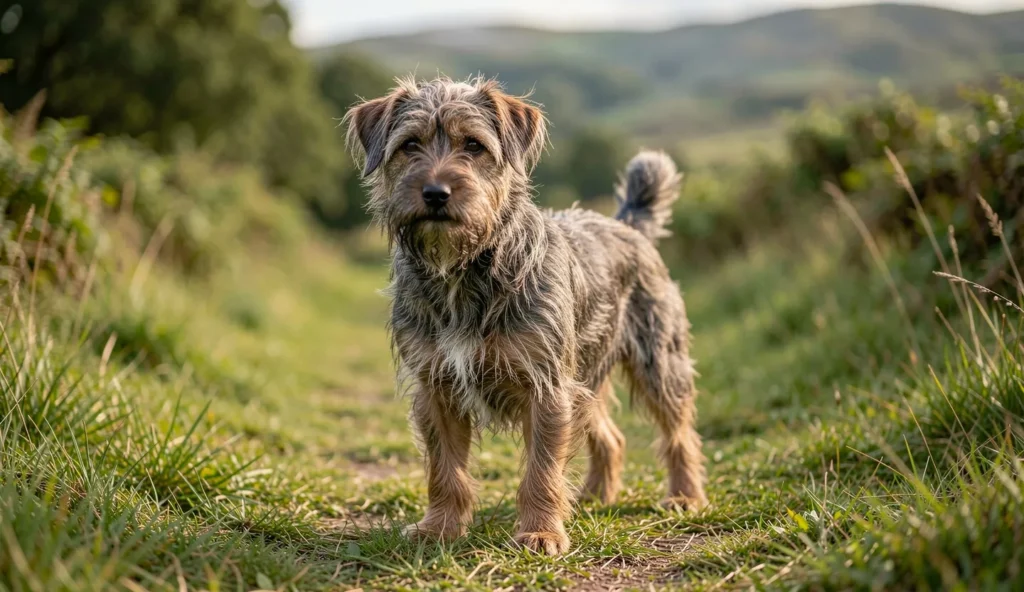
A dense, harsh outer coat helps protect the dog in rough weather and brushy terrain. Beneath it, a soft undercoat provides insulation so the dog handles cool conditions more comfortably. Common tones include wheaten shades and grizzle variants, which often blend into outdoor settings.
Texture matters as much as color for this terrier grooming style. Owners often learn that coat condition influences comfort, skin health, and how well the dog stays functional outside. Regular maintenance also helps the coat remain weather resistant instead of becoming dull or tangled.
Distinctive Grooming Related Details
Terrier facial furnishings give the Lakeland Terrier breed its characteristic expression. Keeping these furnishings in good shape supports the look and helps prevent debris from collecting. For coat maintenance, many owners choose hand stripping or a similar method that supports proper terrier texture.
Regular brushing also plays a role between deeper grooming sessions. When brushing targets face and ears carefully, tangles often stay manageable. Skipping routine grooming can lead to matting, which may reduce airflow and increase skin irritation.
Lakeland Terrier Temperament And Personality
Lakeland Terrier temperament blends confidence with a working terrier drive. The breed often acts energetic, independent, and self-assured, especially when activities connect to scents and movement. For people focused on a fox hunting dog routine, that drive can feel motivating when managed well.
At the same time, this rare English breed typically does not respond like a passive companion. Instead, it often asks for structure and consistent handling to channel its focus appropriately.
Energetic, Independent, And Confident
Independence often appears in the breed because working terriers must make choices in the field. The dog usually feels confident and can engage quickly when a task includes motivation. During walks, terrier focus may shift toward prey-like movement or scent trails.
Because of this, owners generally benefit from regular training, even for basic skills. Consistency also helps prevent pushy behavior when the dog decides it should lead. When routines stay predictable, the breed often shows a calmer demeanor at home.
Social Behavior With People And Other Animals
Most Lakeland Terriers show affection toward familiar people while staying more selective with strangers. Terrier drive can affect dog-dog interactions, so supervision often matters in shared spaces. Early socialization usually improves the odds of smoother encounters with other animals.
Practical introductions work better than sudden exposure. Short sessions with controlled distances can teach the dog how to observe without locking into a chase mode. Over time, this approach helps reduce reactive tendencies.
Prey Drive And What It Means For Daily Life
High interest in small animals often comes from the working history that rewarded persistence. That means leash walks usually provide better control than off-leash freedom in many environments. Secure fencing and supervision remain key, especially in yards or open rural areas.
Daily life often becomes easier when routes and routines support calm attention. Training around distractions can also reduce the chance of sudden lunging. Even so, the breed may still interpret quick moving objects as signals to investigate.
Exercise Requirements For A Lakeland Terrier
Exercise requirements for a Lakeland Terrier go beyond casual walking. The breed needs consistent physical activity to support temperament and fitness, especially because it stays mentally engaged. Without enough output, restlessness can increase and attention can shift toward mischief.
That is why working dog expectations matter for this terrier. The goal involves both movement and mental work so the dog feels satisfied at the end of the day.
Daily Physical Activity Targets
A typical plan includes daily walks plus short play bursts that match working intensity. The dog usually performs best when activity stays consistent rather than occasional. Long inactivity stretches can lead to increased restlessness and more difficulty settling.
Combining walks with active engagement often helps maintain balance. For example, a walk with short controlled training pauses can reduce frustration. When owners track energy levels, portioned activity can become easier to adjust.
Best Exercise Types For A Terrier
Leash walks with varied scents support the breed’s natural curiosity and working focus. Short training pauses during walks can also help the dog practice attention on cue. Fetch and tug often work well for short bursts since they deliver controlled engagement rather than extended exertion.
Agility-like activities can also fit, as long as setups stay safe and low height. Gentle obstacles in a quiet area offer a structured challenge. This approach supports coordination without turning every outing into a high-stakes trial.
Mental Stimulation That Prevents Boredom
Scent work can channel terrier drive in a constructive direction. Simple scent games at home help the dog focus on searching rather than chasing. Training sessions also support focus and reduce unwanted behaviors that may appear when the dog lacks purpose.
Interactive enrichment can improve calmness in the household. Puzzle feeders and supervised foraging tasks often reduce pacing and attention seeking. When enrichment stays frequent and short, boredom usually stays under control.
Training A Lakeland Terrier The Practical Way
Training a Lakeland Terrier requires a practical approach that respects terrier independence. The Lakeland Terrier temperament can include selective attention, so short sessions usually work better than long drills. Reward-based methods help because the dog learns through engagement and clear outcomes.
For fox hunters and terrier enthusiasts, field-style readiness matters too. Training should prepare the dog for waiting, steady movement, and reliable responses in distracting settings.
Start With Socialization And Leash Skills
Socialization should begin early with people, sounds, and safe environments. Teach the dog that new experiences can stay predictable, not threatening or chaotic. Leash skills become especially important because prey drive can pull focus during walks.
Loose-leash walking often needs gradual practice in controlled areas first. Busy environments can come later once the dog can handle minor distractions. In many cases, this step can be improved by comparing training ideas with a similar hunting dog like the Pointer Dog and how handlers build controlled engagement for field environments.
Use Reward Based Training For Focus
Treats and praise improve engagement because the dog responds best when the job feels worth doing. Short sessions prevent frustration and help attention stay on cue. Gradually increasing distraction levels can teach the dog how to work through environmental changes.
Consistency also matters when teaching recall and attention during scent-rich outings. If cues get ignored during high excitement, training steps may need to back up to an easier level. Working with calm timing usually reduces tension and improves learning speed.
House Training And Habit Building
House training works best with a predictable routine. Keeping feeding times and bathroom trips consistent supports a reliable schedule for potty learning. Rewarding correct elimination right away helps the dog connect the behavior with positive results.
Crate or den-style management can support early habit building when used correctly. The area should stay comfortable and never become punishment. With steady timing, many owners can reduce accidents and create a calm indoor rhythm.
Training For Field Conditions
Field conditions add distractions that can test obedience, so practice should occur in controlled, fenced settings first. Recalls can start with short distances and gradually expand as reliability improves. Calm behavior around people, equipment, and changing noise helps the dog stay focused during outings.
Settling cues also matter because fox hunting style outings often require waiting. Practicing a down or mat stay in realistic environments teaches the dog that rest stays rewarding. Over time, these skills can help the dog remain manageable without losing its working character.
Grooming And Care Tips For A Healthy Lakeland Terrier
Grooming for a Lakeland Terrier focuses on keeping the coat functional and the skin comfortable. Because the dog acts weather ready, debris can collect during outdoor activity. Regular care supports the dense harsh outer coat and helps maintain the terrier look.
Beyond coat, everyday hygiene improves health and comfort. With a simple routine, common grooming tasks become manageable even for busy owners.
Coat Maintenance And Brushing Routine
Brush regularly to reduce tangles and remove loose hair from the harsh coat. Planning grooming sessions around coat growth cycles helps keep the coat in better working condition. Face and ear areas often require slower attention so mats do not form underneath furnishings.
After muddy or brushy outings, quick checks can prevent problems from becoming severe. If debris embeds in the furnishings, gentle removal usually helps. This approach keeps the coat protective rather than heavy and uncomfortable.
Hand Stripping Or Alternative Grooming Choices
Hand stripping is often used to maintain terrier texture since it helps the coat shed properly in a controlled way. Some owners choose professional grooming when they prefer consistent results. Regardless of method, consistency matters so the dog’s coat stays healthy and functional.
If grooming slips for long periods, coat quality may decline and skin irritation can follow. Talking with a groomer familiar with English terrier grooming can also prevent mismatches between clip styles and coat goals. Those choices influence both the look and comfort of the dog outdoors.
Nail, Teeth, And Ear Care
Nail trimming supports comfortable movement, especially on uneven terrain. Depending on outdoor surfaces, nails may need more frequent attention. Brushing teeth several times per week helps support gum health and reduces tartar buildup.
Ears also require regular checks for wax buildup or irritation. In active outdoor dogs, moisture and debris can contribute to problems. When ear care becomes part of the routine, issues often get noticed earlier.
Everyday Health Checks Owners Can Do
After outdoor activities, check the coat for debris and small plant material that may lodge near skin. Look for skin redness, bumps, or unusual odor that can signal irritation. Monitoring eyes and the muzzle for signs of irritation also helps catch issues early.
These checks only take a few minutes, yet they reduce the chance of minor problems becoming serious. When changes appear, contacting a veterinarian sooner usually supports faster recovery. For owners who want a structured approach to health habits, these routines align well with general Lagotto Romagnolo care habits, even though the coat needs differ.
Diet And Nutrition For A Working Terrier
Diet and nutrition for a Lakeland Terrier should support daily activity and maintain a healthy body condition. Because it works with energy and focus, adequate calories matter, but overfeeding can quickly change body shape. The right diet supports a lean working body and helps joints handle active movement.
For a fox hunting dog, stable nutrition also supports consistent energy during field days. Feeding choices should be clear, measurable, and easy to maintain.
Choose A Complete Balanced Dog Food
Start with a complete and balanced formula matched to life stage, such as puppy or adult needs. Select based on the dog’s size and typical activity level so energy requirements remain supported. Prefer consistent brands since sudden formula switches can upset digestion.
When selecting food, owners often benefit from reading labels for protein and fat levels that fit a terrier. Working dogs may need richer formulas, but body condition still guides final decisions.
Feeding Amounts And Body Condition Monitoring
Measure portions rather than free-feeding to keep intake predictable. Adjust portions based on weight trends and body condition scores over time. Many owners aim for a leaner look consistent with healthy terrier movement, not a heavy build.
If the dog starts to gain weight, reduce portions gradually and reassess activity. If weight drops, confirm feeding amount and rule out appetite or digestion issues. Consistent monitoring usually prevents diet problems from building unnoticed.
Treats For Training Without Overfeeding
Use small, high-value treats for reward-based training sessions. Since treats add up quickly, count them within daily calorie needs. Choose options that fit training goals without causing stomach upset.
Avoid frequent high-fat foods since they can push calories higher than expected. Many handlers keep treat size small and use quick repetition during short sessions. This approach supports focus and reduces the risk of weight drift.
Common Health Issues In The Lakeland Terrier Breed
Common health issues in the Lakeland Terrier breed often connect to skin, coat, and age-related mobility changes. Not every dog develops the same problem, but responsible owners should know what to watch for. Regular veterinary visits and routine observation help catch issues early.
For fox hunters, active outdoor time can also increase exposure to minor injuries. That makes quick checks and preventive care even more useful.
Skin And Coat Related Problems
Terriers can develop skin irritation from environmental exposure and inconsistent grooming. When the coat remains clean and maintained, irritation usually reduces. Regular checks help catch early redness, bumps, or itchiness before it becomes severe.
If persistent itching or redness appears, veterinary advice supports accurate diagnosis. Sometimes allergies or minor infections cause repeated issues. With prompt care, owners can avoid longer discomfort for the dog.
Joint And Mobility Concerns With Age
Joint and mobility concerns can show up as the dog ages, often linked to activity patterns and weight. Maintaining a healthy weight reduces stress on joints. Safe warmups before more active days can support better movement.
Owners should monitor limping, stiffness, or reluctance to move. When these signs appear, rest alone may not be enough. A veterinary assessment helps determine whether pain management or mobility support is needed.
Eye Health And Routine Veterinary Monitoring
Eye health needs attention through routine monitoring. Discharge, redness, or squinting can indicate irritation or infection. Regular exams help track changes that owners might miss during daily life.
Scheduling veterinary checkups supports consistent monitoring. Breeders may also discuss breed-relevant screening options, which can reduce risk through informed pairing. If a dog has unusual eye symptoms, early evaluation often helps prevent complications.
Vaccines, Parasite Control, And Preventive Care
Vaccines should stay current based on local risk and veterinary guidance. Parasite prevention matters because active outdoor dogs can encounter fleas, ticks, and worms. Preventive care helps keep the dog comfortable and reduces hidden health burdens.
Deworming schedules may need adjustment based on lifestyle and local parasite prevalence. Ask the veterinarian about appropriate intervals for an active working dog. This preventive routine also supports safe field outings and calmer daily routines.
Is A Lakeland Terrier Right For You
A Lakeland Terrier breed can fit well for owners who want a plucky working terrier with true drive. This rare English breed generally suits people who can provide daily exercise, routine grooming, and structured training. In fox hunting contexts, the dog’s field engagement can align with handlers who value steady leash control.
Small size helps in many homes, but the energy level still needs time. Owners should consider whether the household can manage prey drive and provide consistent attention throughout the week.
Choose This Breed If These Conditions Fit
Choose this breed if a desire for terrier drive matches available time and training focus. The dog’s working style usually rewards owners who groom regularly and maintain coat health. A consistent daily exercise plan and mental work also help the dog stay stable.
This breed may also fit people who enjoy structured field-style routines rather than casual passive walks. For families who like the idea of a working companion, the Lakeland Terrier temperament can be a strong match when handling expectations remain realistic. Some people cross-shop terriers and compare needs with the Patterdale Terrier Dog Breed because both can share energetic working traits.
Reconsider If These Situations Apply
Reconsider if consistent training and outings are limited by schedule. Prey drive management can become difficult without dependable leash skills and supervision. The breed also requires grooming commitment, including brushing and deeper coat maintenance choices.
If the household prefers low-energy dogs, the Lakeland Terrier may feel too driven. If minimal grooming matters most, a different breed with different coat maintenance may suit better. For buyers comparing long-legged terrier styles, it can help to review other working builds like the Bulldog to contrast activity and grooming expectations.
Frequently Asked Questions
Are Lakeland Terriers Good For Fox Hunting Style Outings?
Yes, a Lakeland Terrier breed background supports field engagement and quick movement. Training for calm settling and leash control is still essential for safety. Prey drive requires reliable management during outings.
How Much Grooming Does A Lakeland Terrier Need?
Regular brushing helps reduce matting and removes loose hair. Hand stripping or professional grooming may be needed to maintain terrier texture. Ear, nail, and dental checks should also stay part of the routine.
What Is The Typical Lakeland Terrier Temperament?
Most Lakeland Terriers are confident, alert, and independent with strong terrier drive. They often show affection toward familiar people. Early socialization helps improve behavior with dogs and other animals.
Do Lakeland Terriers Have High Prey Drive?
Many do due to their working terrier history and focus on small moving animals. Leash walks and supervision are usually safest. Secure containment can reduce risk during outdoor time.
What Exercise Plan Works Best For A Lakeland Terrier?
Daily walks plus short play bursts support both fitness and temperament. Scent work and brief training sessions provide mental stimulation. Activity should stay consistent to prevent boredom and restlessness.
What Health Issues Should Owners Watch For In This Breed?
Skin and coat irritation can appear if grooming slips or environmental exposure increases. Monitor mobility changes as the dog ages. Maintain preventive care through routine veterinary checkups.
Final Note For Lakeland Terrier Owners
The Lakeland Terrier breed can thrive with structured routines that match its working nature. With consistent training, grooming, and preventive care, it typically remains a capable and engaging terrier.