What Is A German Pinscher
The German Pinscher breed is a medium-sized working dog from Germany with a compact build and a watchful personality. It stands out for alertness and for staying ready to work alongside people. The breed has also been rare for decades, especially after population declines following World War II. For owners seeking a medium-sized active dog, this background matters because it shapes daily needs and behavior.
Today, a rare German breed like the German Pinscher can still surprise people who expect a calmer companion only. Many dogs keep working instincts for problem solving, tracking, and staying engaged with their household. Those traits often show up in routine behavior, such as checking doors, reacting to sounds, and learning quickly. For people who want a consistent schedule and purposeful training, the German Pinscher breed can feel like a strong match.
Breed Background And Near Extinction After WWII
The German Pinscher is a medium-sized working dog from Germany. After World War II, breeding programs became limited, and many lines were lost. As a result, the population dropped dramatically during the postwar period. Compared with many modern breeds, it still remains uncommon in many regions.
Over time, dedicated breeders focused on preserving sound structure and the working traits that make the breed useful. That history helps explain why the German Pinscher is often described as a rare German breed with a preserved purpose. It also explains why responsible breeding and health screening remain key topics for anyone searching for a reputable breeder.
Breed Purpose And Key Traits
Traditionally, this pinscher type served as a farm and household ratter. That role required quick reactions, confidence in new spaces, and stamina for frequent activity. The German Pinscher temperament often reflects those expectations, with alertness and strong problem-solving instincts.
Many dogs do best when tasks feel meaningful. They often stay willing to work close to people, whether that means training sessions, planned walks, or scent games. Because the breed carries a working dog mindset, daily structure tends to matter more than casual activity.
What Does A German Pinscher Look Like
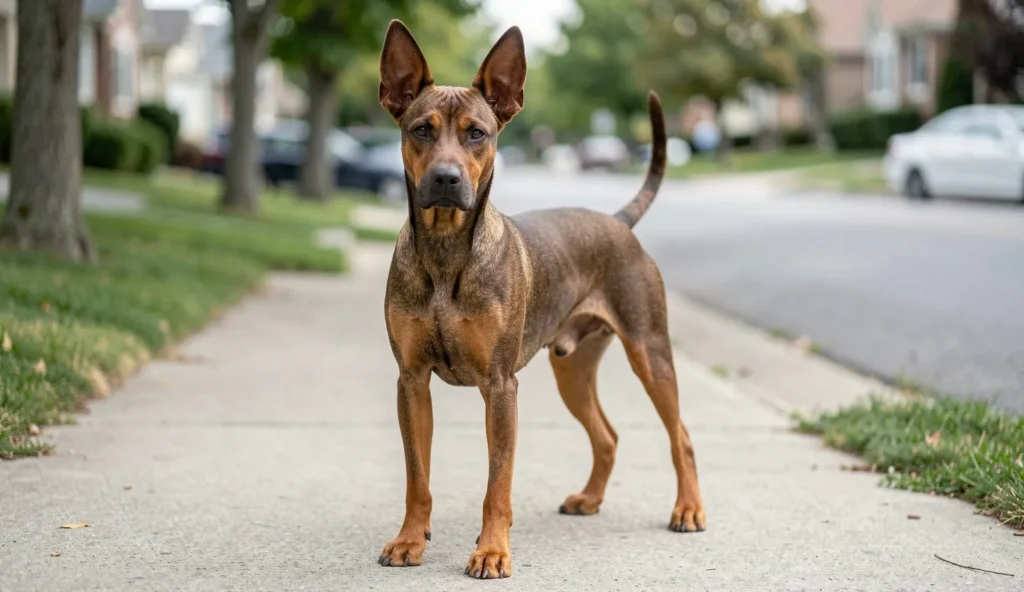
Physical recognition helps owners decide whether a German Pinscher suits their lifestyle before training even starts. The breed typically has a compact, athletic body that looks built for efficient movement. Because the coat is short, it also creates a smooth, sleek appearance that many people notice first. Color patterns usually stay consistent, though individual markings can vary.
When evaluating a rare German working dog, it helps to focus on proportion and movement as much as coat color. A healthy German Pinscher often shows steady balance, confident stance, and alert posture. Those signals often reflect both temperament and overall fitness.
Size, Proportions, And Coat Types
The German Pinscher usually falls into a medium size range with a compact, muscular look. The body proportions often appear square, with an athletic frame that supports agility. The short coat creates a smooth and sleek silhouette.
Common coat colors include solid black, brown, and red. Some dogs may show rust markings on the face and legs. Regular visual grooming is usually simple because the coat does not require extensive trimming.
Head, Eyes, Ears, And Movement
The head carriage often stays alert, supported by keen, expressive eyes. Many individuals show upright ears when they focus, listen, or react to unfamiliar sounds. Even without hearing changes, posture can help owners understand attention level.
Movement typically looks efficient, with a confident stride that covers ground without wasted motion. That style fits the breed’s working background and supports regular exercise routines. If movement looks stiff or reluctant, it can signal discomfort and deserves a vet evaluation.
For a broader comparison to other German working styles, it can help to review the German Shepherd traits that many owners already understand. Doing so can clarify differences in size, energy, and training expectations across popular breeds.
German Pinscher Temperament And Everyday Behavior
German Pinscher temperament usually centers on alertness, responsiveness, and a strong connection to household routines. Many dogs stay energetic and highly responsive to daily schedules, especially when owners maintain clear rules. Because the breed was developed for working roles, it often monitors the environment and reacts quickly.
At the same time, the breed’s behavior does not always match people’s idea of a “quiet” companion. Many German Pinschers can become vocal when something seems off, such as unusual footsteps or unfamiliar visitors. For owners seeking a working dog, those tendencies often translate into trainable engagement rather than constant chaos.
Personality Traits Owners Notice
Owners often report that the German Pinscher is energetic, alert, and responsive to routine. The dog usually forms a strong bond with its household and may show focused attention during training. Watchfulness also tends to show in everyday actions like greeting at doors and checking sounds.
Because the breed can stay ready to work, boredom sometimes appears as restless pacing. When that happens, enrichment and structure usually reduce problem behaviors. Clear daily plans often keep attention steady.
Socialization And Temperament Challenges
Early socialization supports comfort with strangers and other dogs, especially during the first months. When exposure stays positive, the German Pinscher temperament often becomes more balanced and predictable. Without it, the dog may overreact to new sights or sounds due to alert instincts.
Some dogs show a strong prey drive due to ratter background. That trait can involve chasing small animals, including cats or wildlife, if management fails. Consistent boundaries and recall training reduce risk, especially during walks. For owners comparing challenge levels across breeds, the Norwegian Lundehund Dog profile can also provide perspective on how instinct can shape day-to-day training needs.
Compatibility With Families And Other Pets
Many German Pinschers do well with active families that can provide structure. They often thrive when training feels consistent and when exercise happens predictably. If a household can commit to daily routines, the breed usually stays calmer.
For cats and small pets, supervised introductions usually matter. Calm daily management helps prevent chasing behavior, especially early on. Even when the dog seems interested, careful distance and clear rules can protect smaller animals while still building positive associations.
How Much Exercise Does A German Pinscher Need
Exercise needs for the German Pinscher breed often go beyond a casual stroll. A medium-sized active dog typically stays happiest with regular movement and mental work. Without that outlet, restlessness and nuisance behaviors can rise.
Because working dog instincts stay active, mental engagement can count as exercise. Training sessions, scent games, and varied routes often help the dog feel “done” for the day. That balance supports better rest and improves focus during daily routines.
Daily Activity Targets
A German Pinscher usually needs regular daily exercise to stay calm and focused. Many owners find that two walks plus extra play or training time works well. Mental work often reduces restlessness and supports better manners at home.
For people comparing energy levels in other medium-sized breeds, the Boxer dog routine guide can offer a useful baseline for how structured activity affects behavior. Even though breed goals differ, the principle stays the same: active dogs respond best to consistent outlets.
Best Types Of Exercise
Brisk leash walks with varied routes can help the dog stay mentally engaged. Fetch or tug games can work well when controlled rules exist, such as taking turns and returning toys. Structured training sessions also count as exercise because the dog practices self-control and problem solving.
Scent games provide another option, especially when time is limited. Brief hikes can help if joints and health allow, but they should stay safe and manageable. A careful approach keeps the dog active without overloading it.
How To Prevent Boredom And Destructive Behavior
Boredom often leads to attention-seeking behaviors, including chewing, digging, or jumping. Short training sessions can prevent attention issues by giving the dog a clear purpose. Rotating toys also helps because novelty can restore interest.
Chew items can reduce stress when they match the dog’s chewing style and remain safe. Unstructured alone time without enrichment can increase restlessness, so planned routines matter. When managing a working dog, predictable stimulation often works better than random activity.
To build a complete plan, it can help to review general care patterns in a related breed guide such as the Doberman Pinscher training approaches. Similarities in energy and alertness can clarify how structured routines affect behavior across working breeds.
How To Train A German Pinscher
Training works best when it matches the breed’s working dog mindset and desire to stay engaged. The German Pinscher breed often learns quickly, but it also expects consistency from owners. Because attention can shift if sessions become repetitive, training should stay short and purposeful.
Reward-based methods usually support faster progress because the dog links good outcomes with desired behaviors. Clear rules also reduce confusion, which helps prevent problem behaviors from becoming habits. For owners aiming for beginner-friendly progress, pacing training sessions can matter more than using complex techniques.
Training Style That Works
Reward-based training with clear rules typically performs best for this breed. Short, frequent sessions support focus and reduce frustration. High-value treats can help the dog learn new cues and maintain attention around distractions.
As consistency improves, the dog often starts offering correct behavior more reliably. At that stage, training can expand from quiet rooms to familiar outdoor settings. Gradual increases in difficulty usually reduce setbacks.
Key Skills To Teach Early
Teaching basic cues early supports everyday safety and calm behavior. Sit, down, stay, and recall work best when practiced from low-distraction areas first. Loose-leash walking also matters because excitement can trigger pulling.
Quiet behavior around doorbells and passing people can reduce stress for both the household and visitors. Many owners find that training “settle” moments improves home manners during busy times. If training goals remain consistent, the German Pinscher temperament often becomes more manageable.
Common Training Problems And Fixes
Nipping or jumping often improves with consistent manners training and immediate, calm redirection. Because the dog is alert and energetic, it can overuse excitement unless structure exists. Short exercises that reward calm behavior usually reduce these patterns.
Chasing small animals needs careful management at first, even with recall training. Distance, leashes, and controlled introductions often prevent rehearsing unwanted behavior. If barking becomes frequent, enrichment plus cue-based calm training can reduce triggers.
House Training And Crate Basics
Predictable schedules usually support successful house training. Meals and potty breaks done at consistent times help the dog learn faster. Crate training can also help create a safe resting space when introduced gradually.
Gradual acclimation usually reduces fear and improves acceptance. Punishment usually creates resistance, so calm guidance and routine corrections work better. When routines stay steady, training often feels simpler for both dog and owner.
For another breed with strong trainability and structure needs, the Poodle dog guide can provide helpful ideas for reward timing and enrichment routines. While coat care differs, training fundamentals often overlap between intelligent working breeds.
Grooming Diet And Health Care For German Pinschers
Daily care for a German Pinscher usually focuses on coat maintenance, measured feeding, and health monitoring. The short coat helps keep grooming simple, but regular brushing still supports skin health. Feeding needs depend on age, activity level, and body condition, which should be checked routinely.
Health care also matters because active dogs can develop orthopedic issues if weight rises or movement becomes inconsistent. With regular vet exams, many concerns can be found early. That early approach often supports better long-term comfort for a working dog.
Grooming And Coat Care Tips
Because the coat is short, grooming typically stays low-maintenance. Brushing regularly removes loose hair and supports healthy skin. Coat checks can also reveal irritation early, especially after outdoor walks.
Ears need routine checks for wax buildup and odor, since hygiene lapses can lead to irritation. Nails should be trimmed when needed to support safe movement. Teeth should be brushed regularly when possible, and dental checks can catch early plaque buildup.
Feeding Guidelines And Common Food Choices
Feeding should start with measured meals that match the dog’s adult weight and activity level. Balanced commercial dog food often provides complete nutrition, but portion control still matters. Homemade plans should follow vet guidance to avoid missing essential nutrients.
Fresh water should stay available at all times. Body condition scoring can guide gradual portion adjustments rather than sudden changes. When meals match energy needs, the German Pinscher breed often maintains a comfortable weight.
Health Issues To Watch For
Like many breeds, German Pinschers can show genetic and orthopedic issues that affect active dogs. Skin irritation and ear infections may occur if hygiene drops, so grooming and ear checks should stay routine. Extra weight can strain joints and reduce activity tolerance.
Routine vet exams and health screenings help catch problems early. If mobility changes, pain signs appear, or appetite shifts occur, veterinary evaluation becomes urgent. Staying proactive often protects the dog’s working ability and comfort.
Routine Care Checklist
Monthly parasite prevention should match local risk levels and vet recommendations. Vaccines and boosters typically follow a schedule based on age and community exposure. Dental checks help when plaque builds quickly, since oral health affects overall wellness.
Joint and mobility monitoring becomes more important as the dog ages. Observing stiffness after rest and adjusting exercise intensity can protect comfort. Many owners find that simple weekly checks reduce surprises later.
For comparison on how grooming and health needs vary in related working breeds, the Bernese Mountain Dog guide can provide an example of how coat and lifestyle demands change across body types. That comparison can help owners plan realistic care commitments.
Is A German Pinscher Right For You
Choosing a German Pinscher should match both lifestyle and training commitment. The German Pinscher breed often benefits owners who enjoy daily structure and active routines. It also fits households that can manage prey-drive tendencies with consistent rules and supervision.
If daily exercise and mental work feel realistic, this breed can become an engaging companion. However, a low-energy schedule or inconsistent routines often lead to behavioral problems. Therefore, honest self-checking usually makes outcomes better for the dog.
Best Home Types For This Breed
A German Pinscher often fits active owners who enjoy structured daily routines. The breed usually responds well to training and enrichment that keep it mentally stimulated. Homes that can manage prey drive around small pets can reduce risk and stress.
If the household prefers minimal training effort, another type of dog may fit better. When consistent training is possible, the German Pinscher temperament often shows its responsive side. In contrast, inconsistent boundaries can encourage nuisance behaviors.
Time Space And Management Needs
The breed needs consistent exercise and mental tasks each day, which can limit fit for busy schedules. Yard access can help, but it does not replace walks and training. Owners often need management tools around small pets, especially during the early adjustment period.
On top of physical activity, training time supports calm manners. Even short sessions across the day can work if they stay consistent. Planning prevents the dog from filling the gaps with unwanted behaviors.
When Another Breed Might Fit Better
German Pinschers may not match owners who want a low-energy dog. They can also be challenging for first-time owners who cannot commit to training and daily exercise. When daily structure is impossible, the breed’s working instincts can cause frustration.
Some people prefer breeds with calmer rhythms or lower prey drive, depending on household pets. Researching other medium-sized active dogs can help set realistic expectations before adoption. For example, comparing to breeds with similar energy patterns can clarify what level of commitment fits the household best.
Frequently Asked Questions
Are German Pinschers Good For First Time Dog Owners?
They can work for beginners who commit to training and daily exercise. A reward-based training approach and consistent routine usually matter most for success.
Do German Pinschers Shed A Lot?
They have a short coat that typically requires basic brushing. Shedding is usually moderate, with more hair during seasonal changes.
How Much Exercise Does A German Pinscher Need Each Day?
Expect at least two walks plus play or training time daily. Mental enrichment like scent work also helps reduce restlessness.
Are German Pinschers Aggressive?
They are usually alert rather than openly aggressive. Early socialization and consistent boundaries help reduce problems.
What Should German Pinschers Eat?
Feed a complete, balanced diet appropriate for age and activity level. Measuring portions and adjusting based on body condition supports long-term health.
Do German Pinschers Have Health Problems?
They can have inherited health risks and orthopedic concerns like many breeds. Regular vet care and maintaining a healthy weight support long-term comfort.
A Practical Way To Plan For This Rare Working Dog
The German Pinscher breed often thrives with predictable routines, structured training, and daily activity that matches its working background. When those needs get met consistently, the result is usually a focused, alert companion with strong day-to-day stability.