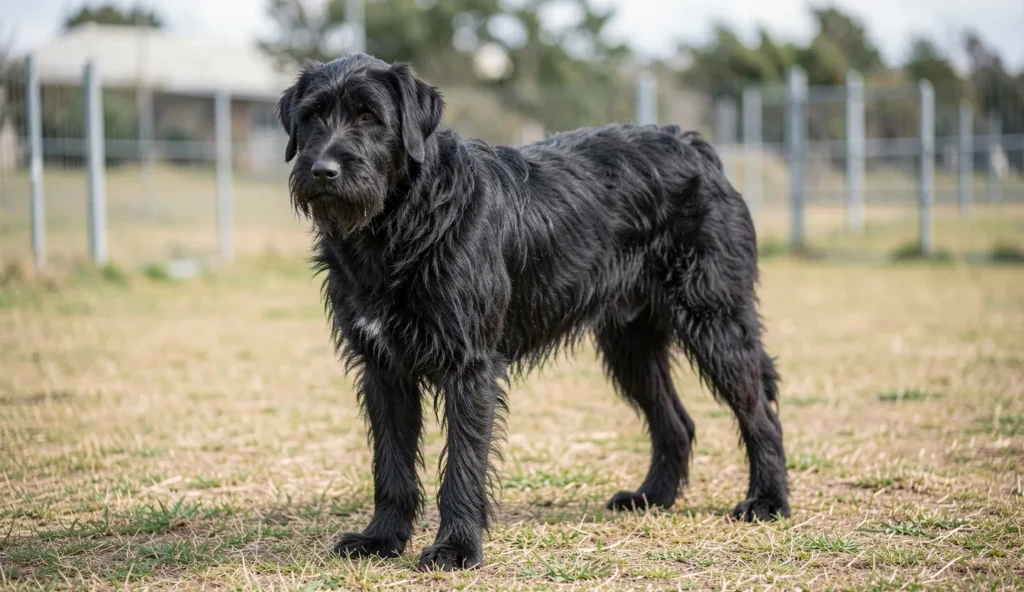
What Is A Black Russian Terrier?
The Black Russian Terrier is a large, guardian-type dog created for dependable protection and work in harsh conditions. It comes from the Soviet Union and was developed by Red Army breeders to produce a trainable giant working dog. A key trait stands out quickly during daily life because its Black Russian Terrier temperament often mixes alertness with controlled calm.
Breed Origin And Development By The Red Army
The breed formed during Soviet-era planning for military and guard use. Teams combined multiple working breed traits to build strength and trainability into one dog. Selection also targeted weather tolerance and steady guarding so the dog could function in demanding outdoor environments.
Key Breed Traits To Expect In Daily Life
This dog typically carries a confident, composed look even when it is watching activity nearby. Protective instincts usually show as alert monitoring rather than constant reactivity. However, the Black Russian Terrier temperament depends heavily on structure, leadership, and enough space to move comfortably.
Typical Lifespan And Growth Timeline
Growth tends to run slower than in many smaller breeds, and it often continues into later development. Early maturity can look delayed, yet daily routine still matters for long-term joints and confidence. Early socialization supports more stable adult behavior, especially for a guardian working dog that must stay reliable around people.
Appearance And Physical Features
The Black Russian Terrier has the build of a giant working dog, built for endurance, coordination, and physical presence. Most specimens show a dense, wiry coat that contributes to weather protection and a distinctive black silhouette. When evaluating health, movement and coat condition matter as much as height and weight.
Size, Weight Range, And Body Proportions
Expect a strong, muscular frame with a broad chest and powerful legs. The overall body proportions usually support long, steady effort rather than sprinting speed. Height and weight can vary by sex and breeding line, but the impression of solid strength stays consistent.
Coat Type, Color, And Texture
The coat forms a dense outer layer that feels weather-resistant and wiry. Many dogs appear deep black with possible lighter shading in the coat texture. Without consistent grooming, the coat can mat, which can lead to discomfort and skin irritation.
Movement And Overall Build Cues
Healthy movement often looks ground-covering, showing strength with coordinated steps. Balanced posture supports efficient movement, and it also reduces stress on joints over time. Good angulation helps the dog move with less strain during daily activity and training.
Black Russian Terrier Temperament And Personality
People often choose this breed for guardian reliability, but the Black Russian Terrier temperament requires intentional handling. The dog generally stays watchful, evaluates new situations, and then decides how to respond. With proper training, the guardian role stays controlled, and daily life feels stable.
Guardian Instincts And Protective Behavior
The dog commonly monitors home and property and stays alert to changes. Around new people, it may assess before it accepts, which can take time depending on early exposure. Protective behavior should stay managed through training, boundaries, and clear rules rather than being allowed to escalate.
Socialization Needs With People And Other Pets
Early socialization reduces fear and supports calm confidence, especially as the dog matures. Introductions work best when they follow a consistent plan, such as meeting different people in controlled settings. Because of size and drive, supervision always matters when other pets or visitors enter the area.
For owners comparing guardian breeds, it can help to review how other strong protectors handle training structure, such as the guidance in Best Guard Dog Breeds for Families. That kind of overview helps set expectations for managing protective instincts while keeping home interactions predictable.
Trainability And How The Breed Learns
The breed often responds best to consistent routines and clear cues. Mental work usually reduces boredom and helps prevent unwanted behaviors, especially in a dog that can think for itself. Positive reinforcement combined with firm structure tends to create the most reliable learning results.
Energy Level And Typical Activity Patterns
Energy often comes in bursts, with the dog switching into focused attention during tasks. Daily activity usually needs more than a casual loop around the yard. When space and routines align, the dog can settle comfortably between exercise periods and remain calm during routine home hours.
Exercise Requirements For A Giant Working Dog
Exercise for the Black Russian Terrier supports both physical health and stable behavior. This breed needs multiple daily activity sessions rather than one long outing only. A safe plan also prevents joint strain, because rapid growth can make overexertion more damaging.
Daily Exercise Amount And Timing
Most owners plan for several sessions each day to match how this guardian works and rests. Activity volume should adjust based on age, fitness, and weather conditions. During heavy growth phases, exercise intensity should stay moderated so joints develop safely.
Best Exercise Types For This Guardian Breed
Secure walking sessions on a long lead can build endurance while keeping control in open areas. Durable toy play works well when it stays supervised and structured. Mental games like scent work and obedience drills can also reduce stress because they use attention, not only muscle.
Those who also study other working breeds may notice similar patterns in activity planning, such as the training and drive details covered for Belgian Malinois Dog. While every breed differs, the concept of pairing movement with mental tasks remains helpful for guardian-style dogs.
Space Requirements And Leash Safety
A yard helps, but training remains essential because outdoor opportunities can still trigger intense guarding. Reliable leashes and harnesses support control, especially when visitors or wildlife appear unexpectedly. Teaching calm behavior at doors and gates also reduces pressure during everyday arrivals and departures.
Training Tips That Work For A Soviet Guard Dog
Training works best when it matches the Black Russian Terrier temperament, which often favors structure over free-form handling. This breed can learn reliably, but it will resist unclear rules. Because it often grows into a powerful giant working dog, training should start early and stay consistent.
Start With Socialization And Basic Manners
Handling practice can include grooming tools, controlled petting, and exposure to different people. Teaching calm greetings and leash manners early reduces pressure when the dog meets guests. Core commands such as sit, down, stay, and recall create safer interactions and clearer boundaries.
In addition, review how common guard-oriented dog behaviors look under supervision, including potential risk factors discussed in The Most Dangerous Dog Breeds in the World. That type of content helps reinforce the idea that training and management decide outcomes more than reputation alone.
Use Structure And Consistent Boundaries
Consistent rules reduce stress and can prevent pushy responses to routine changes. Sessions work best when they are short and frequent so the dog stays focused. Calm decisions should earn rewards, and mistakes should receive prompt, clear correction.
Advanced Training For A Strong Protector
Advanced obedience can help create predictable control during real-life situations. Supervised activities should channel guardian energy into safe tasks that reinforce calm decision-making. Training that escalates aggression generally increases risk, so it should stay avoided.
Experienced owners sometimes compare protective dog learning styles when setting expectations for control, such as in the breed profile for German Shepherd. Even without copying methods, reviewing how another intelligent working dog is trained can improve planning choices.
Common Training Challenges And Fixes
A stubborn streak can appear if routines change or cues become inconsistent. Overreaction to visitors often improves with structured desensitization and predictable introductions. When boredom leads to problem behaviors, the fix usually involves adding mental work and reducing idle time.
Grooming And Care Tips For The Black Coat
Grooming keeps the Black Russian Terrier coat functional, comfortable, and healthy. The dense, wiry outer coat can mat if brushing falls behind, especially in areas where hair tangles easily. With a consistent schedule, coat care becomes manageable and skin problems become easier to catch early.
Brushing Schedule To Prevent Matting
Regular brushing stays necessary because the coat builds density over time. High-tangle areas often include behind the ears, along the legs, and under the collar line. Using the correct tools helps prevent tugging that irritates the skin.
In rainy climates, wet coat can worsen matting quickly. For that reason, coat checks after outdoor time should become routine, not optional.
Bathing And Drying Best Practices
Bathe only when needed because frequent washing can remove useful coat oils. Thorough drying matters because moisture trapped in a dense coat can contribute to irritation. After walks in wet weather, coat inspection should happen before the dog relaxes for long periods.
Nail, Ear, And Dental Maintenance
Nail care supports joint comfort by helping the dog maintain proper footing. Ear checks help catch wax buildup or odor early, which can signal irritation or infection risk. Dental hygiene should continue several times per week to reduce plaque and improve long-term mouth health.
Professional Grooming Considerations
Professional help may help shape the coat and reduce ongoing maintenance time. A calm handling practice before grooming visits can make procedures easier for both dog and handler. When scheduling professional sessions, request coat care that matches the coat’s growth and texture.
Those who want a baseline for grooming expectations across similar large breeds may find helpful context in a comparison mindset, such as the coat and care discussion style seen in Rottweiler dog. Differences remain, but the focus on consistent hygiene transfers well.
Diet And Nutrition For A Large Working Dog
Nutrition supports growth, energy, and joint comfort for a giant working dog like the Black Russian Terrier. Because this breed can develop slowly, controlled growth nutrition matters during puppy stages. Feeding choices should match activity level, body condition, and veterinary guidance.
Choosing A Complete Food And Feeding Schedule
Use a complete and balanced diet designed for large breeds so nutrient levels support steady development. Portions should be measured and adjusted based on age and activity, not on free feeding. Splitting meals can reduce discomfort for dogs that digest better in smaller servings.
Treats And Weight Management
Treats should stay limited to avoid extra calories that can affect growth and weight. Body condition checks offer simple feedback by monitoring ribs and waist shape. If weight increases, portion adjustments should happen early rather than later.
Joint And Skin Related Nutrition Factors
Large breed dogs often benefit from controlled growth nutrition that avoids excessive calories during development. Omega-3 sources can support skin and coat quality, though results depend on overall diet. Supplements should not replace a balanced diet, and they should only be used when a veterinarian recommends them.
Common Health Issues In The Black Russian Terrier
Health management works best with early detection and consistent routine care. The Black Russian Terrier is prone to the kinds of issues that often affect large breeds, especially where joints and growth matter. Skin and coat problems can also develop if grooming and drying habits slip.
Orthopedic Conditions And Joint Stress
Hip and elbow issues can occur in large working dogs, and growth phases can increase vulnerability. Overtraining during development can worsen joint strain, so exercise should stay age-appropriate. A well-planned routine reduces impact stress while still building conditioning.
Skin And Coat Problems
A dense coat can trap moisture, which can contribute to irritation after wet weather. Warning signs may include redness, persistent itch, or an unusual odor. Brushing and thorough drying often prevent minor issues from turning into larger problems.
Ear Issues And Dental Health
Ear checks help reduce the chance of infections, especially after bathing or rainy walks. Dental buildup can lead to pain and tooth loss, so regular brushing supports long-term stability. When mouth hygiene improves, chewing and eating often stay comfortable as the dog ages.
Health Testing And Veterinary Checkups
Health screening information from the breeder can guide decisions and reduce risk. Routine exams and vaccine schedules support early detection of emerging problems. Growth milestones should be tracked so any abnormal development can be discussed with a veterinarian promptly.
For owners who compare screening habits across large breeds, it can help to understand how structured breeding practices are described in profiles like Karelian Bear Dog. The goal is consistent responsibility rather than only choosing based on appearance.
Is A Black Russian Terrier Right For You
The Black Russian Terrier can fit an experienced household with space, routine, and training commitment. This breed does not thrive with minimal interaction or vague rules because it relies on structure to keep guardian instincts balanced. Before choosing, the lifestyle should match the dog’s needs for exercise, grooming, and consistent handling.
The Best Home Setup For This Breed
Experienced ownership often brings better training consistency and calmer day-to-day handling. Indoor space supports safe rest and routine, while secure outdoor areas allow movement and supervised activity. Daily grooming needs also require time, so coat maintenance should be part of the schedule.
Good Fit For
This dog suits owners who want a protective guardian with stable habits and dependable routines. It also works well for people who enjoy obedience work and mental tasks as part of daily life. Families that can manage introductions and supervise interactions tend to create smoother outcomes.
Not The Best Fit For
This breed often becomes difficult for owners who want a low-maintenance dog or minimal training time. Households without secure space or consistent routines may struggle to manage a giant working dog at maturity. People unprepared for strong size and steady handling needs may find the experience stressful rather than rewarding.
Frequently Asked Questions
How Big Does A Black Russian Terrier Get?
The Black Russian Terrier is a giant working dog with substantial height and weight. Size varies by sex and breeding line, so measured expectations depend on the parents and growth pattern.
What Is The Black Russian Terrier Temperament Like With Strangers?
It is typically alert and may assess new people first before settling. Proper socialization helps the dog remain calm rather than reactive during introductions.
How Much Exercise Does A Black Russian Terrier Need Each Day?
It needs multiple daily activity sessions rather than one long walk only. Both physical exercise and mental training tasks usually work best for stable behavior.
Does A Black Russian Terrier Require Frequent Grooming?
Yes, the dense wiry coat can mat without regular brushing. Regular brushing and routine coat and skin checks reduce the risk of irritation.
Are Black Russian Terriers Good For First Time Dog Owners?
They are usually better suited to experienced owners due to guardian instincts and size. Consistent training and early socialization matter for reliable adult behavior.
What Common Health Problems Affect This Breed?
Large breed orthopedic issues can occur, especially when growth and exercise do not stay age-appropriate. Skin and coat problems can also develop without careful grooming and thorough drying.
A Final Note On Long Term Care
The Black Russian Terrier rewards structured care with consistent training, grooming, and safe exercise planning. When those basics stay steady, this rare Russian breed can deliver dependable guardian companionship throughout adult life.