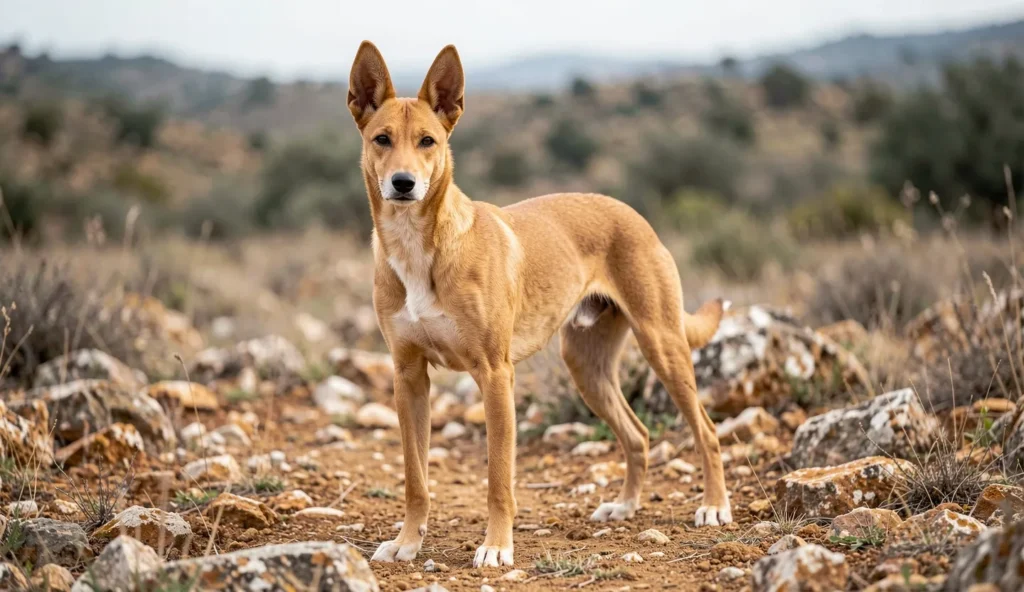
What Is a Cirneco dell’Etna?
The Cirneco dell’Etna is a Sicilian sighthound known for a lean build and fast, sight-driven pursuit. This Italian rare breed comes from the island of Sicily and fits naturally with sports that reward focus and speed. Owners who like structured training and consistent management often seek this volcanic dog for its athletic style.
To understand this breed, it helps to look at the environment where it developed. The Cirneco dell’Etna was shaped by rocky terrain, sparse cover, and the need to move efficiently while staying alert to movement.
Origins From Sicily and The Role of Terrain
Cirneco dell’Etna history connects to hunting on volcanic ground near Mount Etna. The breed’s body and endurance were selected for working in uneven surfaces where traction and quick turns matter.
Over time, people favored dogs that could spot motion and respond quickly without losing balance. That background still shows up today as strong visual attention and an active daily rhythm.
Breed Type and What Sighthound Means
A sighthound is a dog category built around visual pursuit rather than scent alone. The Cirneco temperament supports that style because the dog often reacts first to movement, then follows through with speed.
Prey drive can be strong, especially around small moving animals. For safe routines, training and management work together, not separately.
Key Breed Standards in Plain Language
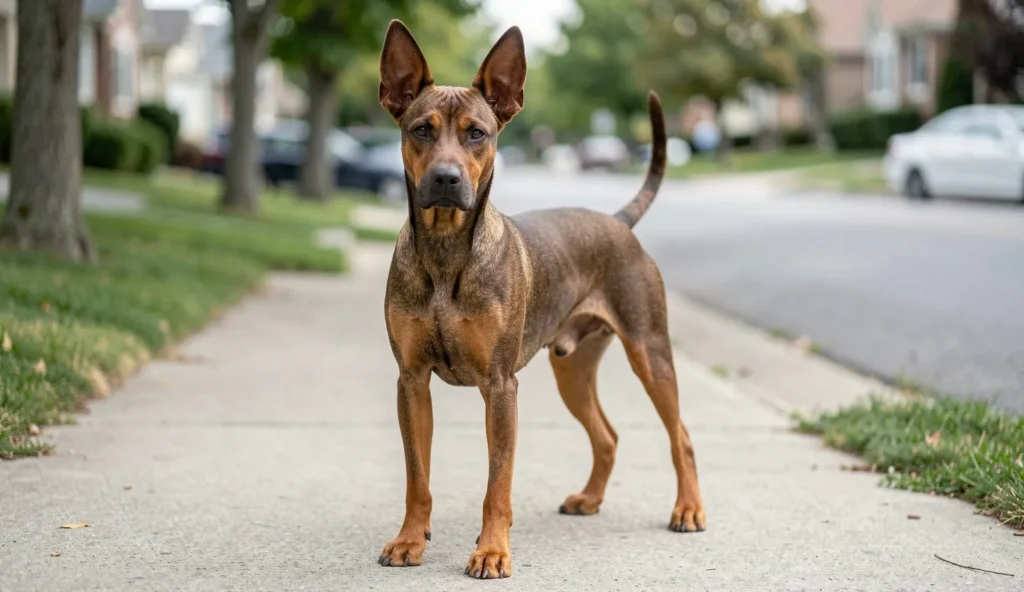
The breed typically shows a lean, athletic body with long legs that support speed. Large upright ears help the dog stay attentive while moving through open space.
The coat stays short and close, which supports a streamlined look and simpler grooming. Many owners consider this an advantage for active dog sport training for sighthounds because maintenance stays predictable.
Appearance and Physical Features
Physical traits in the Cirneco dell’Etna focus on efficient movement and quick acceleration. When the dog runs, the body type supports forward reach with smooth turning.
Because the Cirneco is a Mediterranean dog breed, the overall impression stays light and athletic rather than heavy. That look matches the needs of lure work, agility, and other fast activities.
Size, Proportions, and Typical Measurements
Cirneco dell’Etna dogs usually fit into a medium small build category. Proportions often balance leg length with a lean torso for efficient stride and fast reactions.
The frame looks sturdy but not bulky. Instead, the goal appears to be strength through fitness rather than mass.
Coat Colors and Common Markings
Common coat tones range from fawn to chestnut. White markings may appear on the chest, feet, or other small areas, which helps create a clear outline.
The short coat generally sheds less than many double-coated breeds. As a result, grooming stays simple but still requires regular brushing during heavier seasonal shedding.
Ears, Eyes, and Head Shape
Large upright ears support attention, and they also help with air movement during runs. The head carriage often looks alert and slightly refined for a sighthound silhouette.
Expressive eyes reflect tracking focus. In everyday life, that same alert expression can show up during walks when distant movement is spotted.
Movement and Why It Matters for Sports
A Cirneco dell’Etna can cover ground with long stride and quick acceleration. The gait often stays smooth, which makes turning cleaner during sprints and lateral movement.
These movement traits connect directly to sports like lure coursing. They also support fast recalls when training uses clear rewards and short practice bursts.
Cirneco Temperament and Personality
Cirneco temperament balances alertness with a selective calm approach. Many dogs stay attentive to their handler during training, then shift quickly to chase interest when something moves.
That pattern does not mean the breed is untrainable. Instead, the dog responds best when motivation and consistency guide each session.
Energy Levels and Daily Activity Needs
Cirneco dell’Etna energy often appears in bursts of intense focus. Daily walks help, but active sessions and mental engagement keep the dog satisfied.
Structured routines usually work better than random outings. When training and exercise follow a steady schedule, the dog often handles new places with more confidence.
Prey Drive and What It Means Indoors
Prey drive typically shows up as a strong interest in moving targets. Indoors, that can mean attention to birds, fast-moving toys, or sudden household motion.
Leash training and secure areas reduce the risk of accidental chasing. If small animals live in the home, safe management should start before any introduction.
Social Behavior With People and Other Dogs
Many Cirneco dell’Etna dogs act friendly with consistent socialization. Still, individual dogs can vary in comfort around unfamiliar dogs.
Without proper introductions, some dogs may act selective. For dog sports, pairing works best when temperament matching supports play style and handling expectations.
It can also help to review how another athletic sighthound manages social structure, such as the Sphynx Cat example for predictable routines in a different context, because predictable handling often reduces stress signals across species. More directly, using clear introductions can prevent friction before training starts.
Independence and Trainability in Real Settings
Trainability often depends on timing and reward selection. Many dogs stay attentive but can choose when to engage if the distraction feels more rewarding.
High value motivators like play and food rewards usually increase consistency. Short sessions maintain drive while preventing boredom.
Exercise Requirements for a Cirneco dell’Etna
Exercise for a Cirneco dell’Etna should combine movement, sprint readiness, and mental focus. The breed can enjoy higher intensity work, but training should scale to fitness.
Because prey drive may override attention in unsafe areas, exercise planning needs safety first. That safety approach supports better performance in dog sports.
How Much Exercise Per Day
Expect daily walks plus at least one active session. The active session can include controlled sprints, structured play, or lure training depending on experience.
Intensity should match age, body condition, and health status. Focusing on quality movement often works better than chasing distance goals.
Best Dog Sports for Cirneco dell’Etna
Lure coursing fits the breed’s sight-driven chase instincts and provides a way to channel motivation. Agility also suits the Cirneco temperament by rewarding coordination and calm teamwork.
Canicross or controlled sprints can help conditioned dogs, but they should not replace lure work or leash manners. For owners exploring options, comparing sport styles with the Ridgeback Dog can clarify how different breeds use drive in training settings through different movement patterns.
- Lure coursing for visual chase focus
- Agility for turns, timing, and handler cues
- Target training for engagement and recall support
- Canicross for conditioned dogs with good leash control
Safe Leash Practices and Off Leash Boundaries
Secure fenced areas support safer off leash play. Even with fencing, early training for recall should happen on leash before any real freedom.
Risky places should be avoided because the chase instinct can override cues. The goal is to create predictable environments where training stays realistic.
Mental Exercise That Works for Sighthounds
Mental work prevents boredom and can reduce frustration in high drive moments. Movement and target games help because they mirror the dog’s natural attention to motion.
Puzzle feeders can support calmer indoor time. If scent-based games feel less motivating, use targets and short movement challenges instead.
Training Tips for Cirneco Temperament and Focus
Training a Cirneco dell’Etna works best when methods match sighthound instincts. Success often depends on clear markers, short sessions, and rewards that compete well with distractions.
At the same time, management should stay part of the plan. When prey drive is high, training without safety creates setbacks.
Foundation Skills That Matter Most
Loose leash walking often becomes the first practical skill. Rewarding calm steps helps the dog understand what walking should feel like.
Reliable recall also matters, especially for transitions to training areas. Core cues like sit and down support calm transitions before any sprinting work starts.
How to Train Around Prey Drive
Prey drive training starts with distance and controlled exposure. Begin where attention to the handler stays possible, then gradually increase difficulty.
Rewards should follow attention to the handler instead of rewarding chase behavior. During early stages, use distance barriers and secure spaces so the dog does not practice ignoring cues.
For owners exploring how another rare working breed handles stamina and focus, the Norwegian Lundehund breed profile can offer useful context on how strong instincts still require structured training routines. While the breeds differ, the management principle stays similar.
Methods That Typically Fit Sighthounds
Reward-based training works well when the dog clearly understands what earns the reward. Short sessions keep drive high, and repetition stays light.
High value rewards often matter because distraction levels can rise fast outdoors. Marking the behavior at the right moment improves clarity and reduces confusion.
Training for Lure Coursing and Fast Work
Lure coursing training should build confidence through consistent lure presentations. Safety rules should stay strict for equipment setup, handler positioning, and dog spacing.
Engagement often matters more than forced speed. When confidence grows, the dog typically runs with smoother focus and better control around handlers.
Sport success also depends on temperament matching with handlers and practice partners. That matches the same principle seen with the Cane Corso dog profile, where steadiness and clear boundaries support training consistency even though the chase style differs.
Grooming, Care Tips, and Diet for Health
Grooming for the Cirneco dell’Etna remains simple because the coat stays short. Still, routine checks matter because skin, ears, and teeth can develop issues without obvious warning.
Feeding must support a lean body that stays agile. When calories match activity, the dog’s athletic movement stays easier to maintain.
Grooming Steps for a Short Coat
Weekly brushing helps control shed hair and keeps the coat clean. Use a soft brush and check skin during grooming for redness or irritation.
Baths should happen only when needed. Over-bathing can strip oils and lead to dry skin problems.
- Brush weekly with a soft grooming tool
- Check skin for irritation after outdoor play
- Use a damp cloth for light dirt between baths
- Choose brief baths only when truly required
Nail, Ear, and Dental Maintenance
Nails need regular trimming based on wear and activity surfaces. If nails stay too long, foot mechanics can change and may affect comfort during sprints.
Ears should be inspected often for odor, redness, or wax buildup. Teeth benefit from brushing several times per week if tolerated, and professional cleaning may still be needed.
For owners comparing grooming load across breeds, the Sphynx Cat care profile highlights how coat and skin needs differ widely even among pets with clear grooming routines. The Cirneco needs less coat work, but skin and ear checks remain essential.
Feeding Guidelines and Portion Control
Feeding should support a lean body and active metabolism. Measured meals help avoid weight gain that can reduce agility and endurance.
Calorie needs often change with training intensity, age, and growth stage. Overfeeding may also reduce motivation during sport work, so monitoring body condition matters.
Best Food Choices for Active Sighthounds
Choose a complete balanced dog food that provides animal protein and adequate fat for energy. During training seasons, some dogs need slightly higher calories, but adjustments should follow body condition checks.
Fresh water should always be available, especially after lure coursing or hot-weather runs. If digestion issues appear, feeding schedules and portion size may need refinement.
Common Health Issues and Vet Care Plan
Like many lean athletic dogs, the Cirneco dell’Etna benefits from preventive care and consistent monitoring. Health problems still happen, so owners should recognize early signs and address them quickly.
A proactive plan keeps training safer and reduces long-term problems. When vet visits happen on schedule, treatment often starts sooner.
Health Risks Owners Should Know
Skin sensitivity and ear issues can occur, especially after outdoor exposure. Joint and tendon strain is another concern because sprinting places demands on legs and connective tissues.
Dental health also affects overall comfort, so oral care should not be skipped. Routine checks make it easier to spot issues before they become severe.
Preventive Care Schedule That Helps
Vaccines and parasite prevention should follow veterinary guidance. Annual wellness exams and bloodwork may help when recommended based on age and risk factors.
Any limping, persistent itching, or recurring ear odor should trigger a prompt vet visit. Early action often prevents the problem from becoming chronic.
Signs to Seek Help Early
Sudden changes in appetite or energy can signal illness. Ear discharge, strong odor, or ongoing head shaking also deserve evaluation.
Dragging feet, repeated stiffness, or refusal to run may indicate pain or injury. In those situations, training should pause until a vet confirms safety.
Is a Cirneco dell’Etna Right for You?
A Cirneco dell’Etna can fit well for owners who want active dog sport training and consistent routine. The breed often performs best when training stays short, rewards are clear, and safety limits control chasing risks.
Before choosing, it helps to compare the breed with similar sighthound types, including the Pharaoh Hound. That comparison clarifies what to expect from coat, temperament patterns, and sport readiness.
Match the Breed to the Owner Lifestyle
This breed suits active owners who enjoy training schedules and regular outdoor time. It also needs management to prevent chasing in unsafe areas, even when recall training improves.
With consistent handling, the Cirneco temperament can become reliable during sport preparation and daily walks. In contrast, inconsistent routines can lead to frustration or disengagement.
Cirneco dell’Etna vs Pharaoh Hound Key Differences
Both Cirneco dell’Etna and Pharaoh Hound belong to the sighthound group and can show high visual focus. Both can also develop strong chase interest, so secure spaces remain necessary.
Differences show up in coat look and many individual temperament patterns. The Cirneco typically has a short coat and a more lean, dry appearance, while Pharaoh Hounds often show a distinct reddish coat and different pacing in training responses.
Because of those differences, reward style and management should be adapted to each dog’s preferences. Sport success often depends on choosing methods that keep attention high during distractions.
It can help to review how another Mediterranean breed adapts to active routines, such as the Icelandic Horse profile for how conditioning and daily rhythm affect performance. While not a dog, the fitness concept connects to sighthound readiness for safe sprint work.
Questions to Ask Before Choosing a Breeder
Before selecting a puppy, ask about health testing and how early temperament handling is done. Temperament work early in life often supports steadier responses during training.
Inquire about litter socialization and what exposure puppies receive before going home. Also ask about sport readiness and what the adult temperament tends to look like for that line.
- What health checks exist for breeding dogs
- How littermates handled people and handling routines
- What early socialization experiences the puppies get
- How sport-focused families typically train that line
Final Note
With the right exercise plan, reward-focused training, and safe boundaries, the Cirneco dell’Etna can thrive as a focused sighthound partner. Consistent care supports long-term comfort and sport readiness.
Frequently Asked Questions
How Much Exercise Does a Cirneco dell’Etna Need Each Day?
Expect daily walks plus at least one active session. Sprinting should happen only when the dog is conditioned and warm.
Are Cirneco dell’Etna Dogs Good for Dog Sports Like Lure Coursing?
Lure coursing matches their sight-driven chase instincts. Agility and fast recall training can also fit the breed’s energy and focus.
Do Cirneco dell’Etna Dogs Have Strong Prey Drive?
Interest in moving animals is often strong in this breed. Secure fencing and leash training help prevent chasing incidents.
How Should Cirneco dell’Etna Grooming Be Handled?
Weekly brushing supports a short coat and helps control shed hair. Ear checks and dental hygiene also reduce the chance of common issues.
What Is the Best Way to Train a Cirneco dell’Etna Around Distractions?
Start at distance and reward attention to the handler. Keep sessions short and use high value rewards so engagement stays strong.
How Does the Cirneco dell’Etna Compare to the Pharaoh Hound?
Both are sighthounds with high visual focus and chase drive. Differences show up in coat patterns and individual temperament, so training approaches may need small adjustments.