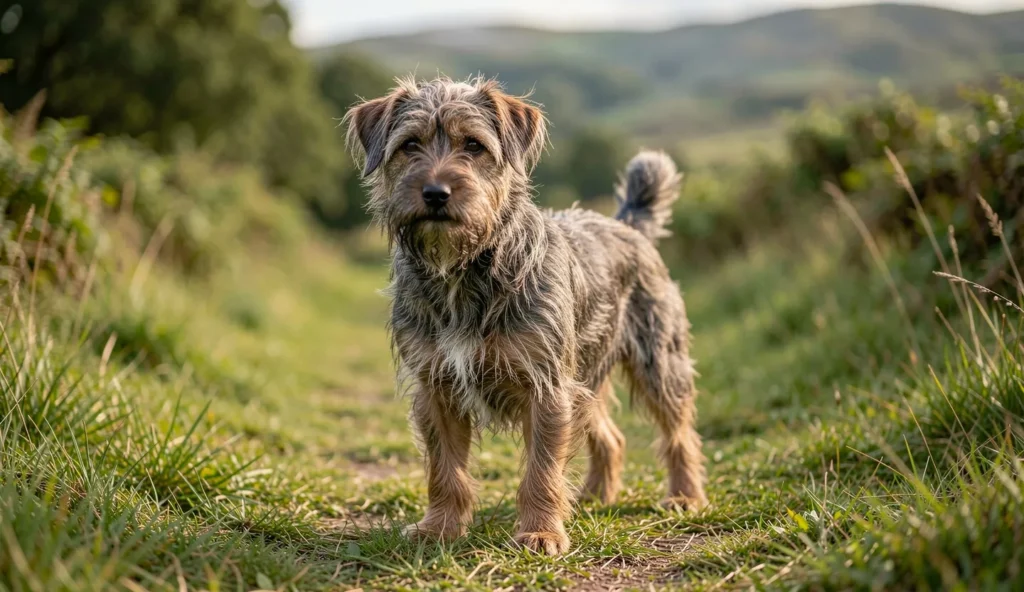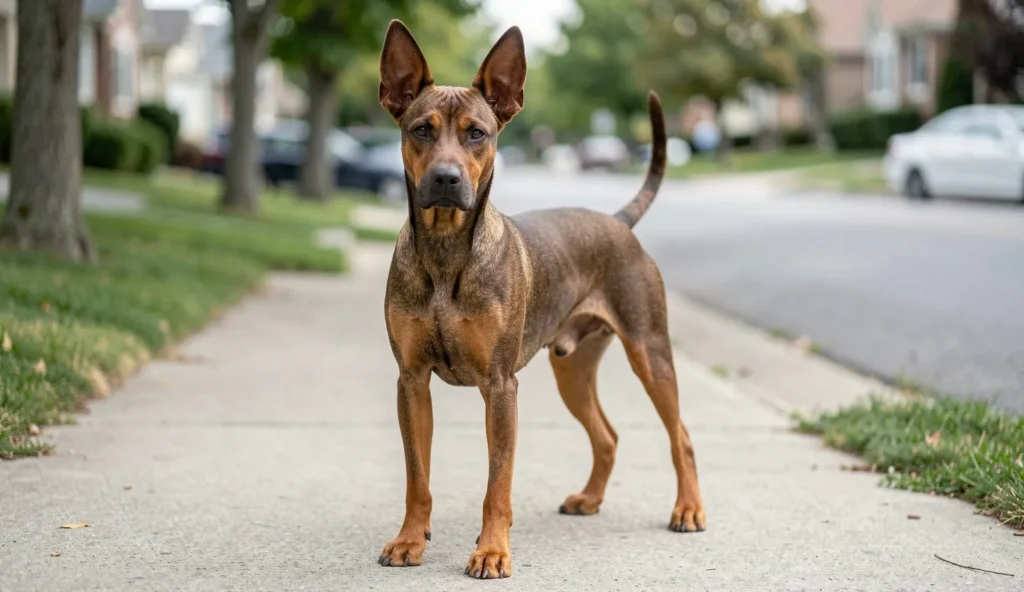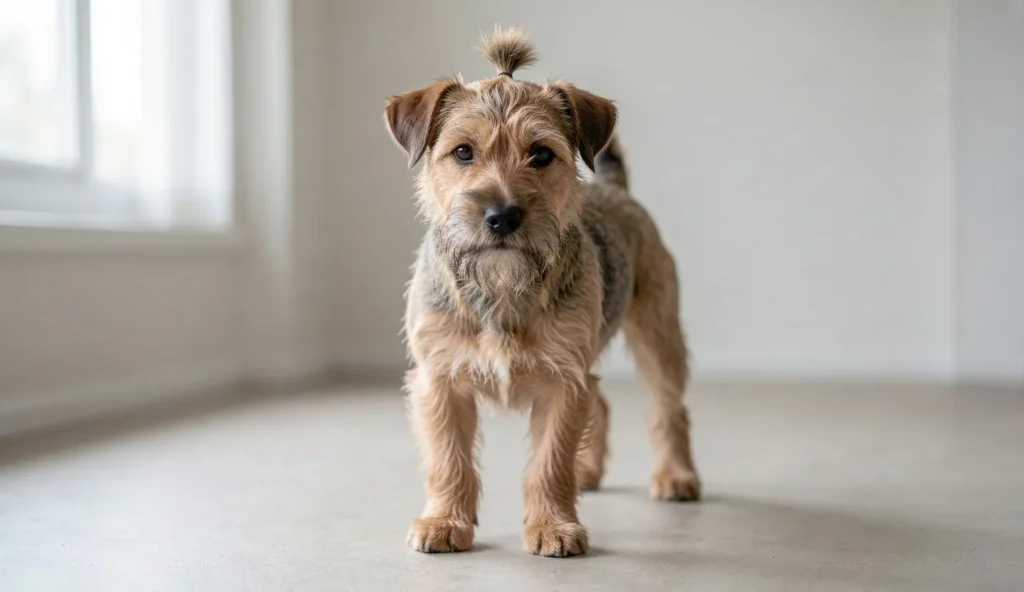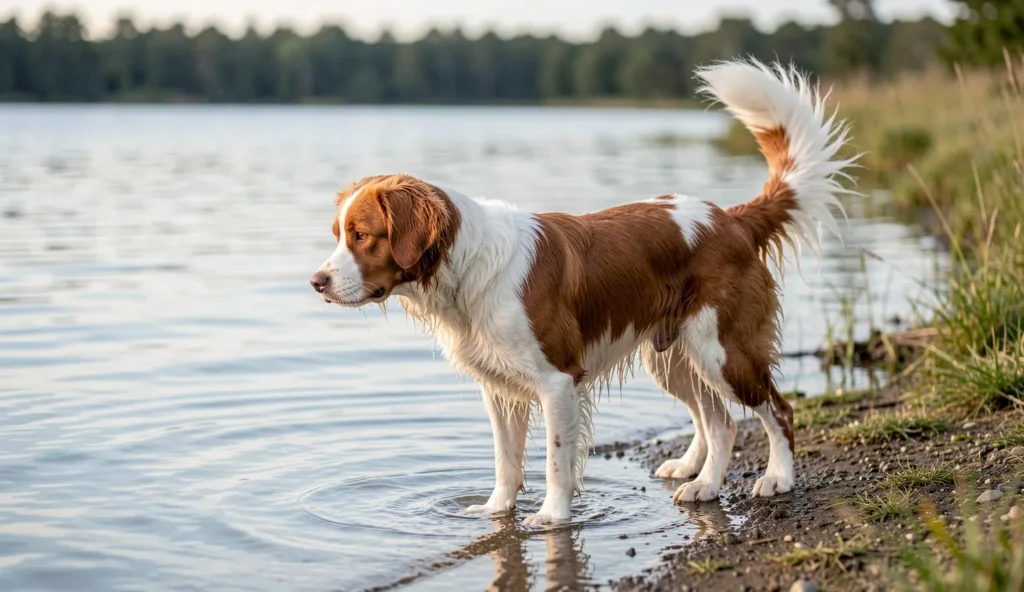
What Is A Norrbottenspets Breed
The Norrbottenspets breed is a small Swedish spitz known for fast learning, high stamina, and strong focus during work. This breed comes from northern regions of Sweden, where it supported hunters by tracking and signaling game. For active households, the Norrbottenspets temperament often stands out because the dog stays engaged when given both mental and physical tasks.
Owners often choose this small spitz because it combines alertness with athletic movement. It also tends to respond well to clear routines and positive training. When exercise and enrichment match the dog’s instincts, daily life becomes more predictable for both people and the dog.
Breed Origin And Where It Came From
Historical records connect the Norrbottenspets to northern Sweden and Finnish Lapland areas. Breeders developed it as a specialized hunting spitz suited to cold climates and rugged terrain. Over time, the dog became known as a rare hunting dog that could track and indicate by sight and scent.
Because the breed worked close to real hunting conditions, it naturally developed endurance and strong drive. That background still shapes modern expectations for Norrbottenspets exercise needs and training priorities. For comparison, owners who like spitz traits may also enjoy reading about the Swedish spitz style in other lines.
Key Breed Traits That Stand Out
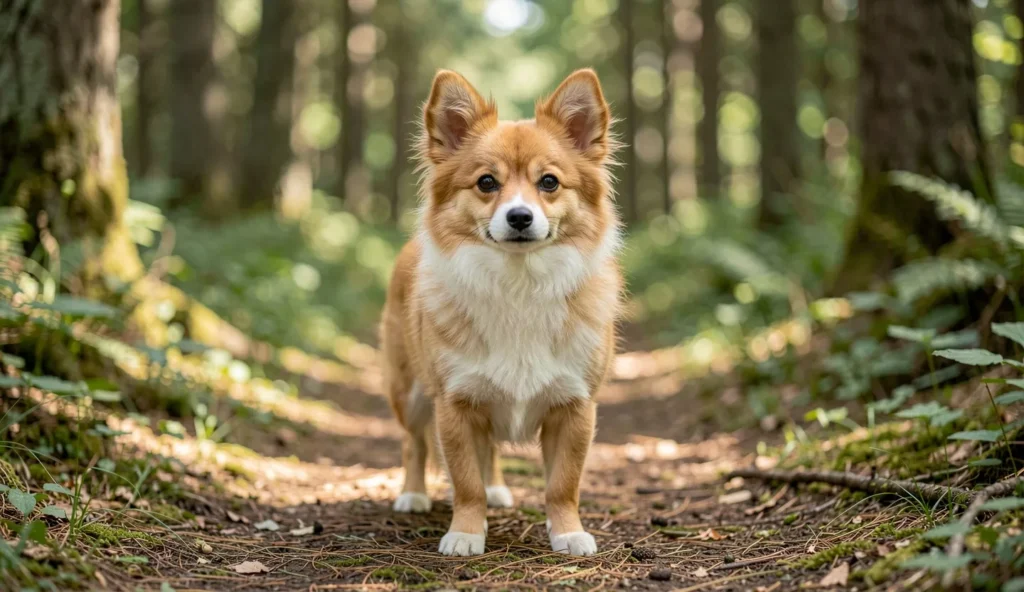
The Norrbottenspets is compact with a foxlike face, erect ears, and an alert stance. Movement typically looks springy because the body supports quick direction changes. That combination supports an agile routine at home and during supervised outings.
Just as importantly, the Norrbottenspets temperament often includes intelligence that shows up early. This dog tends to learn quickly when cues stay consistent and sessions remain short. If routines become repetitive, boredom can appear and the dog will look for other ways to stay busy.
Typical Lifespan And Adulthood Expectations
Many Norrbottenspets dogs live into the mid teens with good care. Although energy remains strong in adulthood, it usually becomes more balanced with age and training. Early structure and enrichment help the dog stay steady when schedules shift.
With appropriate exercise and measured feeding, aging often looks gradual rather than sudden. Therefore, consistent dental care and routine checkups matter over time. This also supports long-term agility by protecting mobility and comfort.
Appearance And Physical Features
Clear physical traits help predict how the Norrbottenspets breed behaves and what care it needs. The body plan supports active tracking, and the coat supports cold weather. When owners understand these features, Norrbottenspets grooming and exercise planning becomes easier.
The breed’s look also helps people identify the dog during walks and play. Upright ears and a curled or carried tail make the dog’s attention obvious. That alert expression often matches the intelligence and agility seen in daily training.
Size And Proportions
Typical Norrbottenspets size stays small with a sturdy, balanced frame. The build is athletic rather than heavy, which supports quick movement. Well-angulated legs contribute to controlled steps and smooth changes in direction.
Because the frame stays light, regular conditioning helps joints stay comfortable. Owners also benefit from managing jumps during early training. This helps protect the dog while building confidence.
Coat Type And Colors
The Norrbottenspets coat uses a double structure with a weather-resistant outer layer. Common colors include brownish-red to cream with distinct markings. During seasonal transitions, shedding can increase and grooming matters more than usual.
Coat changes often reflect daylight and temperature shifts rather than the calendar alone. Therefore, brushing frequency may need to rise in those periods. A consistent brushing routine also reduces loose fur around carpets and furniture.
Face, Ears, And Tail Characteristics
Erect triangular ears support constant alertness, and they often move as the dog listens. The tail is usually curled or carried in a way that reflects focus or excitement. Dark eyes and a tight muzzle expression can make the dog seem intensely attentive.
These traits often correlate with vocal and interactive behavior, especially during early life. When cues and expectations are taught, that same attentiveness becomes useful rather than disruptive.
Gait And Movement
A smooth trot supports endurance and quick turns when the dog follows a scent trail. Movement also reflects the breed’s working design for tracking and signaling. Because agility depends on muscle tone, healthy movement usually requires ongoing activity.
Conditioning matters most for dogs that spend time indoors. Regular walking and structured games help the dog stay coordinated. Over time, gait becomes more confident and less stiff.
Norrbottenspets Temperament And Personality
The Norrbottenspets temperament often blends reserved observation with quick engagement once the dog knows the rules. As a small spitz, it may start off cautious in new settings. With calm handling and consistent training, the dog typically warms and stays interactive.
At the same time, strong instincts influence daily choices. That means enrichment must align with scent, movement, and problem-solving. Otherwise, the dog may redirect energy into attention-seeking behavior.
Intelligence And Learning Style
The Norrbottenspets breed is intelligent and often uses problem-solving skills to find answers. It tends to respond to clear cues and positive feedback. Mental tasks usually hold attention longer than long, unstructured play.
Short training games can feel natural to this dog, especially when rewards come quickly. However, repetition with low value can reduce motivation. For similar learning and activity patterns, some owners compare training style with breeds like the Pointer Dog, where focus and drive also matter.
Energy Level And Drive
High energy often shows up as active interest in what people do and where scents travel. The hunting background contributes scent and prey motivation, which becomes useful in tracking games. For that reason, Norrbottenspets temperament often includes persistence during tasks that feel meaningful.
Instead of relying only on walking, planned outlets help the dog stay calmer indoors. A long line, structured games, and scent trails can channel the drive safely. When those outlets appear regularly, restlessness usually drops.
Social Behavior With People And Other Pets
Many Norrbottenspets dogs act reserved at first, then become more comfortable with consistent handling. Socialization from puppyhood often improves comfort around people and everyday noise. Calm practice with new places can also reduce stress reactions.
Around small pets, hunting instinct may require supervision. If a household keeps rabbits, birds, or hamsters, careful management and training become essential. Owners can reduce risk by choosing routines that prevent sudden bursts of chasing.
Barking Alertness And Home Rhythm
Alert nature can lead to frequent vocal signals, especially when sounds change. The dog may bark to signal a visitor, a movement outside, or attention needs. A predictable schedule and training reduce nuisance barking over time.
Calm indoor rhythm matters, because the dog often interprets human energy. When people keep transitions consistent, the dog learns what calm looks like. That pattern can also be compared with other active spitz types, including the Siberian Husky in terms of engagement needs.
Exercise Requirements For An Agile Small Spitz
Norrbottenspets exercise needs support both body and mind, since this breed evolved for active tracking. Daily movement helps maintain coordination, and mental work helps prevent problem behaviors. When exercise plans fit the Norrbottenspets temperament, the dog usually settles better at home.
Because the breed tends to stay motivated, under-exercising can show up quickly. Therefore, activity should appear in multiple shorter sessions rather than a single long outing. That structure also makes it easier to adjust for weather and age.
Daily Activity Targets
Most owners should expect multiple active sessions each day. A mix of walking, short training drills, and active games often works best. Intensity should match the dog’s age, joints, and weather conditions.
Many households also benefit from off-leash training practice in safe areas. If that is not possible, a long line can provide distance without full freedom. Endurance builds gradually, so early goals should remain realistic.
Best Exercise Types For Intelligence And Agility
Agility-style movement supports the breed’s natural agility without needing complex equipment. Safe jumps, low tunnels, and weave poles help maintain coordination. Sessions should stay short so the dog stays interested and does not rush.
Scent tracking walks also fit the breed’s instincts well. A controlled long line supports safety while the dog follows a trail. Fetch and tug can work too, but turn-taking and rules reduce excitement from spiraling. Some owners broaden their options by comparing high-drive routines with the Ridgeback Dog, especially when managing stamina.
Training Walks And Enrichment That Works
Training walks keep focus high because the dog learns that movement includes a job. Short drills for sit, look, or recall cues help the dog stay engaged. Then the walk becomes both physical and mental work rather than only a walk.
Rotating enrichment items helps maintain curiosity and avoids predictable boredom. Puzzle feeders and food scatters often create mental payoff with less physical strain. When enrichment becomes routine, destructive behavior becomes less likely.
Common Reasons For Restlessness
Restlessness often begins when exercise stays inconsistent. Under-exercising can lead to pacing, chewing, or attention-seeking. In addition, lack of training can make the dog react to every sound and movement.
Too much freedom without recall practice also increases risk during outdoor time. Therefore, training should pair with safe management. When focus consistently drops, increasing enrichment usually works better than repeating commands.
Safety Considerations During High Motivation Activities
High motivation can make the dog ignore distractions during scent-heavy outings. Using a harness and long line provides control while still allowing the dog to search. That setup often improves safety around wildlife and busy areas.
Uncontrolled play near traffic or uncontrolled wildlife can trigger sudden chasing. It is safer to avoid those environments until recall is reliable. Also, endurance should build gradually to protect joints and reduce stress on small frames.
How To Train A Norrbottenspets With Positive Methods
Training works best when it matches the breed’s intelligence and agility. The Norrbottenspets breed learns quickly, but it also notices unclear cues. Positive methods reduce stress and help the dog see training as useful work.
Because the dog can become excited, session length matters. Short sessions with clear rewards often outperform long drills that end in frustration. Over time, consistent routines support stable behavior.
Training Priorities In The First Months
Training should start indoors with name response and basic manners. Calm greetings and simple leash handling help the dog understand daily expectations. Early sessions should stay brief to prevent frustration and over-arousal.
It also helps to teach structure through predictable routines. Meal times, potty breaks, and walk schedules all reduce confusion. For owners who like structured guidance, general spitz-related care can also pair well with a look at grooming habits in the Patterdale Terrier Dog Breed, even though it is a different breed.
Recall And Loose-Leash Skills
Recall should be trained one step at a time with controlled distractions. High-value rewards keep motivation steady and make the cue meaningful. Then long line practice can support reliability without full risk.
Loose-leash walking needs frequent reinforcement, not occasional corrections. Rewards should happen while the leash stays loose, so the dog learns the position that earns the treat. Reward delivery should stay calm to avoid turning recall into a high frenzy cue.
Socialization For A Confident Adult Dog
Socialization should introduce people, sounds, and surfaces gradually. Controlled exposure helps the dog build comfort without panic. Calm handling practices also support grooming later in life.
Positive reinforcement builds trust during visits to new places. Gentle restraint practice prepares the dog for ear checks and nail trimming. If handling feels stressful, sessions should be paused and resumed later with smaller steps.
Mental Games And Problem-Solving Activities
Scent games can channel hunting instincts in a controlled way. Simple searches for hidden treats or scent targets encourage focus and reduce boredom. Puzzle toys also create mental work that fits an agile dog.
Teaching short tricks adds flexibility to daily life. Tricks should relate to routines, like waiting at doorways or stepping onto a mat. This keeps the dog engaged without encouraging reckless behavior.
Addressing Stubbornness Or Over-Excitement
Stubborn moments often appear when stress increases or cues stay unclear. Reducing distractions can make the task easier and improve success rates. Simplifying the exercise also prevents frustration from building.
When focus is consistently low, exercise and enrichment often need adjustment. More mental payoff can reduce attention problems. If problems persist, professional training support can help refine timing and rewards.
Grooming Care Tips Diet And Health
Care planning for the Norrbottenspets breed stays straightforward, but it must be consistent. The double coat requires routine brushing, and small active bodies benefit from measured feeding. At the same time, owners should watch for health patterns common to spitz lines.
When grooming, diet, and preventive care align with daily routines, the dog typically looks and feels comfortable. That comfort supports consistent training and agility work outdoors.
Grooming And Coat Care Routine
Regular brushing reduces shedding and helps keep the coat clean. During seasonal shedding, use appropriate shedding tools if the dog tolerates them well. Ear checks should happen weekly, and moisture should be removed after baths or rain.
Nail trimming keeps walking comfortable and supports safe traction. Paw pads should be monitored for irritation, especially after long walks. If shedding is heavy, brushing twice weekly or more often may be needed.
Diet And Nutrition Basics
A complete, balanced diet formulated for small active breeds typically supports healthy energy. Portion sizes should match age, weight, and activity level. Fresh water should remain available, and feeding times should stay consistent.
Because the dog can stay active throughout the day, calorie management matters. Treats must fit the daily calorie target, not replace meals. A routine veterinary check can help confirm a stable body condition score.
Feeding Frequency And Treat Limits
Puppies often need more frequent meals than adults because growth requires steady nutrition. Adults usually do well with two meals daily, but schedules can vary. Training treats should remain small to keep total calories in check.
Choose treats that support dental health and training consistency. Food puzzles and measured food scatters also count as enrichment work. That approach helps combine diet and activity planning in one routine.
Common Health Issues To Watch For
Potential orthopedic concerns may include hip or elbow dysplasia in some lines. Eye issues can also appear, so it helps to track any redness or watery discharge. Allergies or skin irritation may show up with seasonal changes.
Dental disease risk increases without routine brushing and cleanings. That means basic oral care should start early and remain consistent. If dental issues develop, comfort and chewing habits can change quickly.
Preventive Care That Helps Avoid Problems
Regular vet checkups keep vaccinations current and allow early screening for concerns. Parasite prevention should follow local risk levels and vet guidance. Maintaining a healthy body condition through exercise and measured feeding reduces strain on joints.
Owners should track changes in appetite, energy, and stool. Sudden shifts often signal stress, illness, or dietary mismatch. For guidance on grooming and routine care in a similar active breed profile, owners may compare habits with Bernese Mountain Dogs care routines.
Is A Norrbottenspets Right For You
The Norrbottenspets breed suits households that can provide daily exercise and mental enrichment. The dog often thrives with active families who enjoy training and structured play. When outdoor time is safe and planned, the breed’s alert nature becomes a strength.
However, fit depends on time and commitment. Under-stimulation can lead to restlessness, barking, and unwanted chewing. Also, small pet households may need extra management around prey instincts.
Best Home Fit For Active Families
This breed works best when owners provide daily exercise and enrichment. It is ideal for families that enjoy training and consistent routines. Outdoor time should focus on safe movement, controlled scent work, and supervised socialization.
A structured approach also supports grooming during shedding seasons. If people can plan weekly brushing and occasional coat maintenance, the dog’s coat stays healthy. That consistency reduces stress for both the dog and the household.
Lifestyle Mismatch Risks
Limited time for training and enrichment can create behavior issues over time. Under-stimulation often leads to pacing, digging, or attention-seeking. Small pet households should plan management because prey drive can trigger chasing instincts.
Also, households with very loud disruptions may need gradual socialization planning. While the dog can adapt, building confidence takes careful exposure. When training support is inconsistent, the dog may decide to handle situations alone.
What To Expect From Ownership
Ownership usually includes high alertness and frequent engagement needs. The dog often asks for activity through attention and vocal signals. Grooming also becomes part of the schedule during seasonal shedding.
Most of all, the Norrbottenspets breed benefits from positive training and ongoing socialization. With clear rules and steady enrichment, behavior becomes more predictable. For families comparing spitz styles, reviewing Norwegian Lundehund breed resources can help highlight how rare working traits shape daily routines.
Final Note For Prospective Norrbottenspets Owners
Norrbottenspets can thrive with consistent exercise, smart training, and steady grooming care. With those supports in place, the breed’s intelligence and agility often translate into a calm, engaged companion.
FAQs: Norrbottenspets Breed
Are Norrbottenspets Good Family Dogs?
They can do well with consistent training and socialization. They also need active time and mental work to stay calm indoors.
How Much Exercise Does A Norrbottenspets Need Each Day?
Expect multiple active sessions each day. Mixing walking with games like scent work or agility training usually works best.
Do Norrbottenspets Bark A Lot?
They are alert and may vocalize to get attention or signal activity. Training routines and enrichment can reduce nuisance barking.
Are Norrbottenspets Easy To Train?
They are intelligent and learn quickly with clear positive methods. Short, consistent sessions work best for focus and motivation.
What Grooming Does A Norrbottenspets Need?
Regular brushing helps control shedding and keeps the coat healthy. Ear checks and nail trimming should be part of routine care.
What Health Problems Are Common In The Norrbottenspets Breed?
Potential orthopedic and eye issues can occur in some lines. Regular vet checks and good dental care help reduce risk.