What Is A Norwegian Lundehund?
The Norwegian Lundehund breed is a rare Norwegian breed known for unusual anatomy and a working history tied to coastal cliffs. Originating in Norway, it was developed to reach seabird nests in tight rocky areas where other dogs could not easily go. One key trait stands out immediately because the breed often shows both six-toed paws and unusually flexible neck movement.
This mix of traits helps explain why the breed gained attention as a puffin hunting dog. Modern ownership often focuses on companionship and enrichment, but the physical design still supports specialized movement. For prospective owners, understanding the breed’s structure is the first step toward choosing safe handling and realistic daily care.
Breed Origin And Puffin Hunting Job
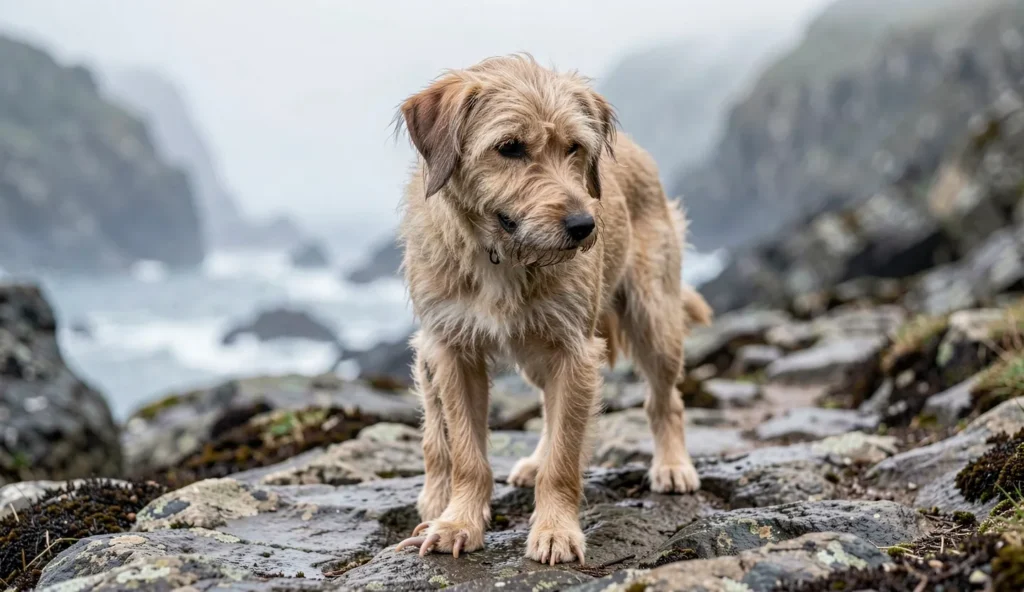
Norwegian Lundehunds were bred in Norway for working on steep cliffs and in narrow passages. They were used to hunt puffins and other seabirds in coastal terrain where nests formed deep crevices. Selection favored traits such as endurance, grip, and flexibility rather than pure speed.
Because the original job depended on unusual body mechanics, the breed remained relatively uncommon. Today, it still appears as a rare Norwegian breed with limited modern working use. That history helps explain why many owners focus on mental enrichment and careful physical management rather than intense high-impact training.
Key Standout Trait For Most People
Lundehund characteristics usually start with the paws. Many dogs show extra toes that can improve traction on uneven surfaces, including slick rock.
Next comes the neck. Lundehund neck flexibility allows the dog to extend and bend farther than many breeds, which supports reaching into crevices at different heights. The overall body structure also supports climbing and turning in tight spaces.
Breed Snapshot For First-Time Readers
A typical Norwegian Lundehund is small to medium with a sturdy working build. Temperament often includes high alertness and a focused working attitude during tasks. With family members, the breed commonly becomes reserved at first with strangers but responsive with familiar routines.
Prospective owners should plan for structured care because some health risks are more likely in certain lines. That planning matters because the breed’s anatomy gives it strengths while also creating special care needs. If a similar interest in rare breeds exists, it can help to compare body and handling needs across different unusual pedigrees, such as a Polish Lynx style focus on careful breeding outcomes.
Appearance And Physical Features Of The Lundehund
The Norwegian Lundehund is recognizable because its anatomy supports cliff work. Detailed features often include a polydactyl dog foot structure and very flexible movement through the neck and joints. For many owners, learning what the dog is built to do helps guide safe grooming and handling decisions.
Additionally, owners need to treat the dog’s range of motion with respect. The goal is to support comfort and function without forcing movement beyond natural limits.
Six-Toed Paws And Polydactyl Structure
Many dogs are often described as a polydactyl dog because they can have extra toes. In the Norwegian Lundehund, six toes are commonly seen on the front paws, and some dogs also show extra toes on the rear paws. Those extra toes usually have well-formed nails and pads, which helps with stable footing.
Traction becomes a major functional benefit. Extra toes can improve grip on rocky and slippery surfaces, which matches the original puffin hunting environment. When nail care is done thoughtfully, owners can keep toe surfaces trimmed and comfortable for walking.
Extreme Neck Flexibility And Reach
One of the most noticeable Lundehund traits is extended neck flexibility. Many dogs can extend and bend farther than many other breeds, and the movement supports reaching low openings and higher nest spaces.
This flexibility supports movement through crevices during work. Owners should avoid forced stretching and should watch for signs of discomfort when the dog moves awkwardly. Gentle handling and short, reward-based touches help the dog stay comfortable without stress.
Coat Type, Color, And Shedding
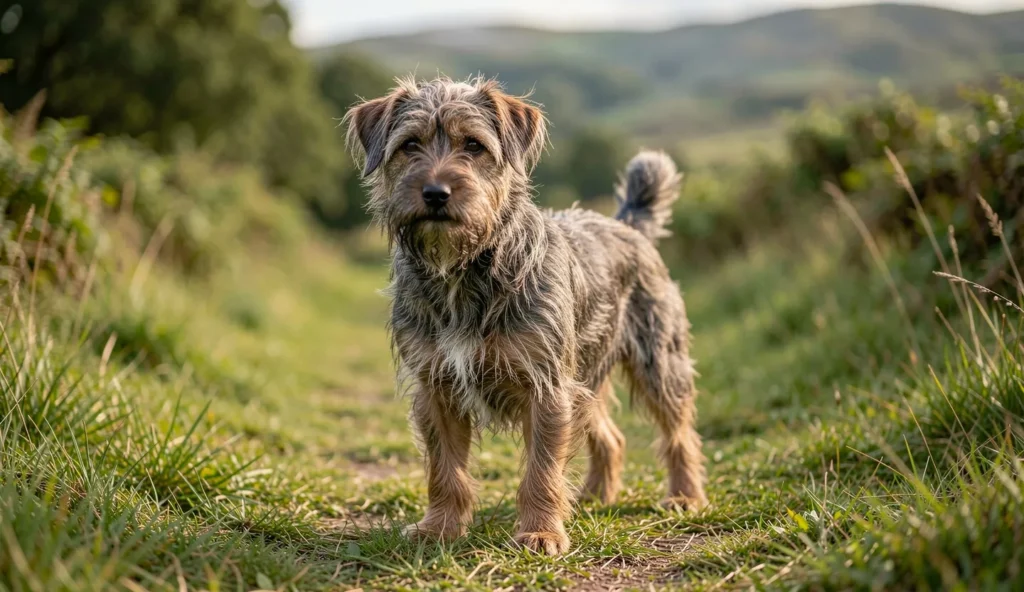
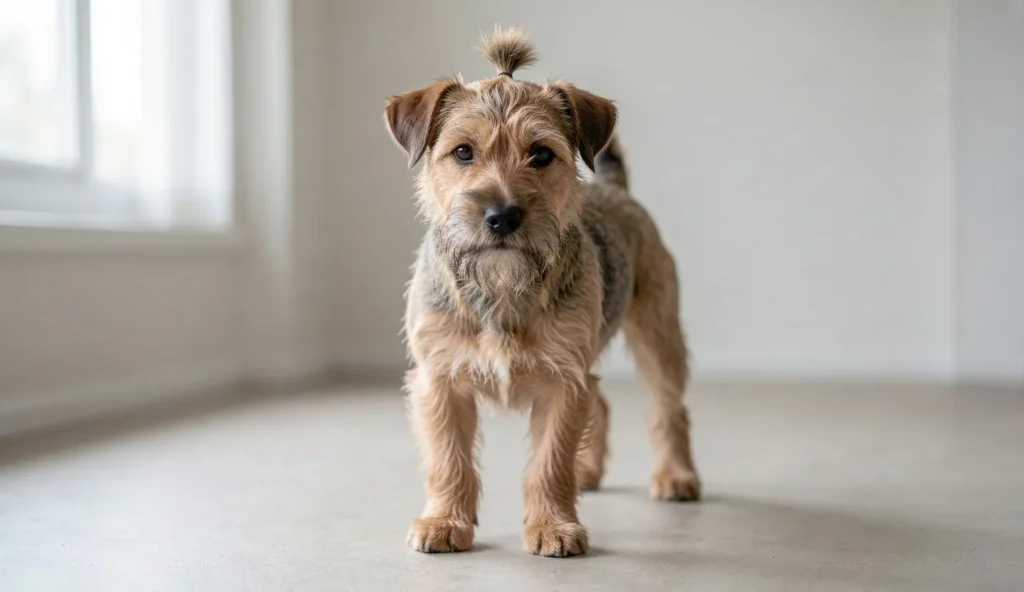
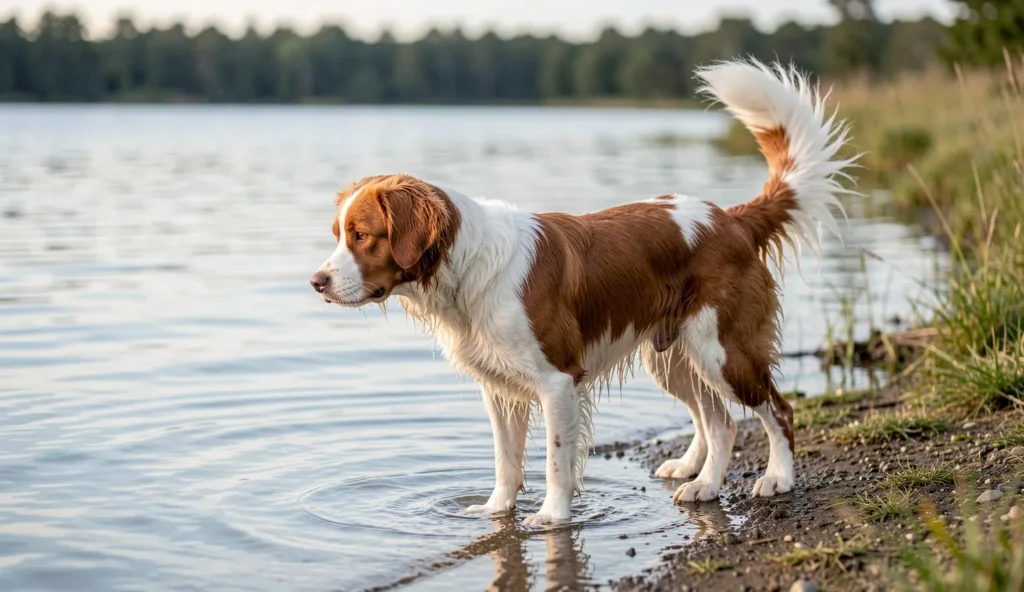
The Lundehund typically has a weather-resistant coat suited to cold coastal climates. Common coat colors include shades of brown, tan, and gray, often paired with white markings. Seasonal shedding tends to occur at moderate levels for many dogs.
Coat maintenance is usually manageable with consistent brushing. Brushing also offers a chance to check skin for irritation after wet weather. When grooming habits match the coat’s needs, shedding stays easier to control in the home.
Body Shape And Movement
The breed commonly has a compact, athletic build designed for agility on rough terrain. Movement often looks coordinated rather than heavy or slow, and it supports turning and balancing in narrow spaces. Paw and toe anatomy influences stance, which can make the dog look slightly different at rest compared with more common breeds.
Because the body design supports climbing and changing direction, owners should prioritize safe surfaces and appropriate activity levels. This approach helps avoid unnecessary strain. It also makes it easier to build exercises that align with the dog’s natural strengths.
Temperament And Personality Of The Norwegian Lundehund
Temperament in the Norwegian Lundehund breed often reflects its working background. Many dogs show curiosity, alertness, and a tendency to focus closely during tasks. At the same time, they can be independent, so training and daily enrichment should never feel random.
Because the breed can be reserved with unfamiliar people, predictable routines often support better behavior. With proper socialization, most dogs handle new situations more comfortably. Still, owners should plan for gradual exposure rather than forcing fast interactions.
How It Usually Behaves With Family
Norwegian Lundehunds often stay attentive to household cues. They can respond quickly when routines remain consistent. At home, they may show independence, especially if no tasks or enrichment are available.
Many dogs bond strongly with family members when handling stays calm and consistent. Sudden changes can sometimes increase caution, so daily life works best when it follows familiar patterns. A structured approach to training supports confidence for both the dog and the people managing it.
Socialization Needs With People And Dogs
Early socialization can reduce reserve or wariness. It also helps the dog learn that unfamiliar people and environments are not always a threat.
Supervision is recommended around unfamiliar dogs at first because individual personalities can vary. Positive exposure to new places supports confidence, and calm reward-based greetings can prevent overstimulation. If a person prefers comparing how socialization affects unique breeds, it can help to look at how other rare lines are described, such as owners researching Dragoon pigeon breed stories for temperament patterns shaped by selective work.
Typical Drive Levels And Indoor Behavior
Drive levels often center on curiosity and problem-solving. Many dogs stay engaged with scent-focused games and puzzle-style tasks, which helps prevent boredom-driven misbehavior.
Without enrichment, restlessness can appear, especially in younger dogs. The breed is usually not ideal for households expecting a passive companion. Instead, activity planning should include both physical movement and mental work to keep the dog balanced.
Exercise Requirements And Activity Planning
Exercise planning matters for the Norwegian Lundehund because the dog’s anatomy supports climbing and turning, not constant high-impact work. Daily activity typically combines walks with short active sessions that match energy and age. Moderate distances often work well if quality time stays consistent.
At the same time, overexertion can cause stiffness in some dogs. Therefore, owners should adjust plans based on how the dog moves after exercise and how it acts during rest periods.
Daily Exercise Basics
Many dogs benefit from regular daily walks plus short sessions that add variety. Moderate distances usually meet needs when the dog also receives engagement at home. Adjustments should reflect age, energy level, and any joint comfort issues.
If stiffness appears after activity, reduce intensity and focus on shorter, gentler outings. Consistency helps owners spot patterns early. It also supports safer movement mechanics for a dog built for uneven terrain rather than constant running.
Best Types Of Physical And Mental Work
Scent games and short search tasks can provide strong mental stimulation without stressing joints. Play that encourages turning and exploring safely often fits the breed’s working style. Light agility-style obstacles may be considered if joints tolerate movement and if training stays controlled.
Off-leash activity should happen only in secure areas with reliable recall. For many owners, leash-based games can still create plenty of engagement. These tasks align well with the breed’s history as a puffin hunting dog that needed focus in challenging environments.
Leash Manners And Safe Walking Considerations
A secure harness usually reduces strain and helps protect the neck during walks. Loose-leash walking often improves with early practice and frequent reinforcement. Bringing treats supports redirection when distractions appear.
Keeping sessions consistent helps the dog learn expectations. As the dog gains confidence, walking quality often improves quickly. This approach also keeps owners ready to handle the breed’s alert nature without pulling or sudden jerks.
Training Approach For A Rare Norwegian Breed
Training for a rare Norwegian breed should match the Norwegian Lundehund’s working temperament. Most dogs respond best to positive reinforcement and short, frequent sessions. Because attention can rise and fall, training should stay brief and goal-focused.
Clear cues practiced consistently help the dog understand what happens next. When training stays predictable, the dog often becomes more willing to cooperate in new settings.
Training Style That Usually Works Best
Small, frequent rewards work well for many Norwegian Lundehunds. Positive reinforcement builds trust and keeps the dog motivated during tasks. Cues should be repeated consistently over time so the dog can associate actions with outcomes.
Sessions should stay short to match attention patterns. Treats also need to suit digestion needs, especially because gastrointestinal concerns can appear more often in some lines. For owners comparing care expectations, learning how other unique breeds receive diet management can help, including researching Ice pigeon care style patterns about structured routines and careful monitoring.
Core Skills To Teach First
Start with name response and basic focus so the dog can return attention quickly. Sit and stay can follow with gradual duration increases. Recall practice should happen in low-distraction environments before moving to busy areas.
Loose leash walking and polite greeting provide daily behavior value. Training should also include handling practice early so the dog accepts nail and toe checks. Over time, these skills reduce stress during vet visits and routine grooming.
Managing Challenges Like Independence
Independence can appear because the dog may prefer exploring during idle time. Motivation should be offered before asking for tasks, so the dog understands the reward comes from participation. Enrichment helps prevent bored misbehavior.
Punishment-based methods usually reduce trust, so they should be avoided. A trainer experienced with small working breeds can help shape training plans with realistic expectations. This guidance often matters because a rare breed’s body needs can change how comfort and learning happen together.
Handling For Neck And Paws
Because the breed has distinctive toes, gentle paw handling supports safe nail care. Owners should practice touching toes and nails briefly, then reward calm acceptance. Keep sessions short and avoid surprise movements that could cause the dog to pull away.
Neck touches should also remain brief and reward-based. Forced stretching should never happen, especially given the natural range already present. Owners can schedule regular vet checks to monitor joints and confirm that movement stays comfortable.
Grooming And Care Tips For The Lundehund
Grooming supports comfort and early health detection for the Norwegian Lundehund breed. Routine care also protects unique anatomy, including extra toes that need consistent inspection. While coat maintenance is usually manageable, nail and toe care often requires extra attention.
Care should also include frequent body checks after outdoor time. That habit helps owners catch skin irritation, small injuries, or ear issues before they worsen.
Brushing Schedule And Coat Maintenance
Brush regularly to manage shedding and remove loose hair. A gentle brush that reaches the undercoat can help reduce excess hair around the home. After outdoor time, it helps to check the coat for mats, especially after wet and windy weather.
Only trim if needed, and use techniques appropriate for the coat type. Over-trimming can irritate skin and may not improve comfort. When grooming stays consistent, the dog’s coat usually stays healthier with less trouble during seasonal changes.
Nail Care For Six-Toed Paws
Nail care matters because extra toes can develop overgrowth if owners miss inspections. Extra toes often need trimming, filing, and occasional professional help. When trimming, owners should avoid cutting into the quick.
If nails are difficult to access safely, assistance from a groomer or vet technician can prevent injury. After trimming, filing rough edges can reduce snagging. Because the breed often works best with stable footing, keeping nails comfortable supports daily movement.
Ear, Eye, And Skin Checks
Check ears weekly for redness, odor, or visible irritation. For tear staining, gently wiping around the eyes can help maintain cleanliness. Skin checks after wet weather are also important because moisture can lead to irritation.
Owners should use vet-approved cleaning products only. This reduces the risk of reacting to harsh solutions. Regular checks also support early detection of problems that might otherwise become more serious.
Dental Care And Routine Vet Visits
Brush teeth several times per week if possible, since consistent cleaning helps prevent plaque buildup. Dental chews can support oral hygiene if they match the dog’s size and health. Even with routine care, vet examinations still matter for professional assessment.
Annual wellness exams support ongoing monitoring and age-based screening. Owners should discuss breed risk factors with the veterinarian so screening plans align with the dog’s specific needs. For owners building a long-term schedule, using structured routines seen in other breed care topics can help, such as learning consistency from English Pouter style temperament management approaches.
Diet And Nutrition For A Norwegian Lundehund
Nutrition planning supports energy, healthy weight, and digestive comfort in the Norwegian Lundehund breed. Many owners find that gastrointestinal sensitivity can be more common than in some other breeds. For that reason, food choices and gradual transitions need careful attention.
In addition, portion control helps protect joints and supports stable movement as the dog ages. Feeding routines should stay consistent enough for the dog’s stomach to adapt comfortably.
Choosing A Food Plan
Select a complete and balanced dog food for the correct life stage. High-quality protein and easily digested ingredients often help many sensitive dogs. Any diet changes should happen gradually over several days to reduce digestive upset.
Measuring portions helps prevent weight gain, especially because activity levels can vary daily. When possible, choose formulas designed for adult digestive health if sensitivity exists. This approach can support steadier stool quality and fewer feeding-related problems.
Feeding Schedule And Treat Limits
Two meals per day works for many adult dogs, and it can reduce hunger-driven overeating. Portions should adjust based on body condition and daily activity. Treats should stay small and trackable, since too many treats can upset digestion and increase calories.
Avoid sudden changes in food because abrupt shifts can trigger digestive issues. If stool changes occur, returning to the previous stable diet and contacting a vet can help guide next steps. Owners can also track outcomes using simple notes about diet, treats, and symptoms.
Hydration And Food Safety
Fresh water should always be available. Food storage should be sealed and dry to protect quality and reduce contamination risk.
Do not feed spoiled foods or expired treats. Safe chew practices also matter because accidental swallowing can happen when chews are too large or too hard. This safety habit supports healthy digestion and prevents emergency situations.
Common Health Issues In The Norwegian Lundehund
Health planning should reflect the breed’s unique structure and working history. Some Norwegian Lundehunds face gastrointestinal concerns more often than in some other breeds. Mobility and joint comfort also deserve attention over time, especially as the dog ages.
Proactive care does not guarantee prevention, but it helps detect problems earlier. Early identification usually makes management easier and can improve comfort for longer periods.
Breed Predispositions To Discuss With A Veterinarian
Gastrointestinal issues can be more common in certain lines, so it helps to discuss digestive history early with a veterinarian. Some families may show tendencies toward specific digestive disorders. Joint and mobility issues should also be monitored because the breed’s anatomy supports movement in ways that can still stress joints.
Early recognition supports better long-term comfort. Owners can ask about screening schedules and what signs should trigger a faster appointment. When guidance is clear, home monitoring becomes more reliable and less stressful.
Symptoms To Monitor At Home
At home, monitor for chronic vomiting, loose stools, or changes in appetite. Reduced activity, limping, or stiffness after rest can signal mobility or joint discomfort. Bad breath, gum issues, or weight changes can also point to problems that benefit from early attention.
Skin irritation, red ears, head shaking, or frequent scratching can indicate allergy or infection. Owners should treat these signs as early signals rather than waiting for them to resolve. Quick observation often helps keep treatment simpler.
Preventive Care That Helps
Keep vaccinations and parasite prevention current as recommended by a veterinarian. Using a harness for safer walking mechanics can reduce strain and support comfortable movement. Maintaining a healthy weight also reduces stress on joints and helps the dog move with less effort.
Routine screening recommendations should be followed. For some owners, understanding how different rare breeds manage health routines helps planning, such as studying care structure described for Old German Owl pigeon lines where early monitoring is a recurring theme. The key remains consistent vet partnership and prompt attention to changes.
Is The Norwegian Lundehund Right For You
The Norwegian Lundehund breed may fit best for owners who enjoy structured daily routines and who can commit to careful handling. Because the dog often needs mental enrichment and consistent training, it suits households that plan time for walks and scent-focused play. Families also need to stay consistent with grooming and nail care because extra toes require regular inspection.
In addition, the breed can be reserved, so socialization should receive early and ongoing attention. People comfortable working with a rare breed often handle these needs more smoothly.
Best Home Type For The Lundehund
This breed can work well in homes that provide daily walks and regular mental enrichment. It also benefits families that plan for consistent grooming and nail care. Owners who value training and predictable routines often see better confidence and calmer behavior.
Since the dog’s physical traits support specialized movement, safe surfaces and supervision matter in shared spaces. A home that can provide these adjustments usually supports better long-term wellness.
Important Considerations Before Adopting
Confirm health history with reputable breeders or rescues and ask about any known digestive concerns in the line. Plan for vet support if GI symptoms appear, and do not delay when stool changes persist. Expect time for socialization and positive training, especially when introducing new people or dogs.
Budgeting for ongoing care is also necessary because vet monitoring and grooming tasks can require regular professional help. People who respect the breed’s anatomy and care needs often create a safer experience for both sides. The breed’s traits can be rewarding when handled with consistency and care.
Frequently Asked Questions
Do Norwegian Lundehunds really have six toes?
Many Norwegian Lundehunds have extra toes and are often described as a polydactyl dog. Extra toes are commonly seen on the front paws, and some dogs show them on the rear paws as well.
How flexible is the Norwegian Lundehund neck?
The neck often has a notably extended range compared with many breeds. Gentle handling helps, and forced stretching should be avoided to protect joints.
Are Norwegian Lundehunds good family dogs?
Norwegian Lundehunds are often attentive and bonded with family members. Early socialization helps them handle strangers and new situations more confidently.
What type of exercise does a Norwegian Lundehund need?
Regular daily walks plus mental enrichment work well for this breed. Scent games and short active sessions usually fit the breed’s working style.
Do Norwegian Lundehunds have health problems owners should watch for?
Gastrointestinal issues can be more common in some lines than in other breeds. Owners should monitor for chronic stool problems and reduced mobility or stiffness.
How should Norwegian Lundehunds be trained for leash manners?
Positive reinforcement and short, consistent practice sessions usually work best. A harness can help reduce strain and support comfortable training mechanics.
Care That Supports The Lundehund Everyday Life
When the Norwegian Lundehund breed receives consistent routines, safe exercise, and thoughtful grooming, it can thrive with fewer surprises. Paying attention to neck comfort and six-toed paw care helps owners maintain steady, long-term wellness.