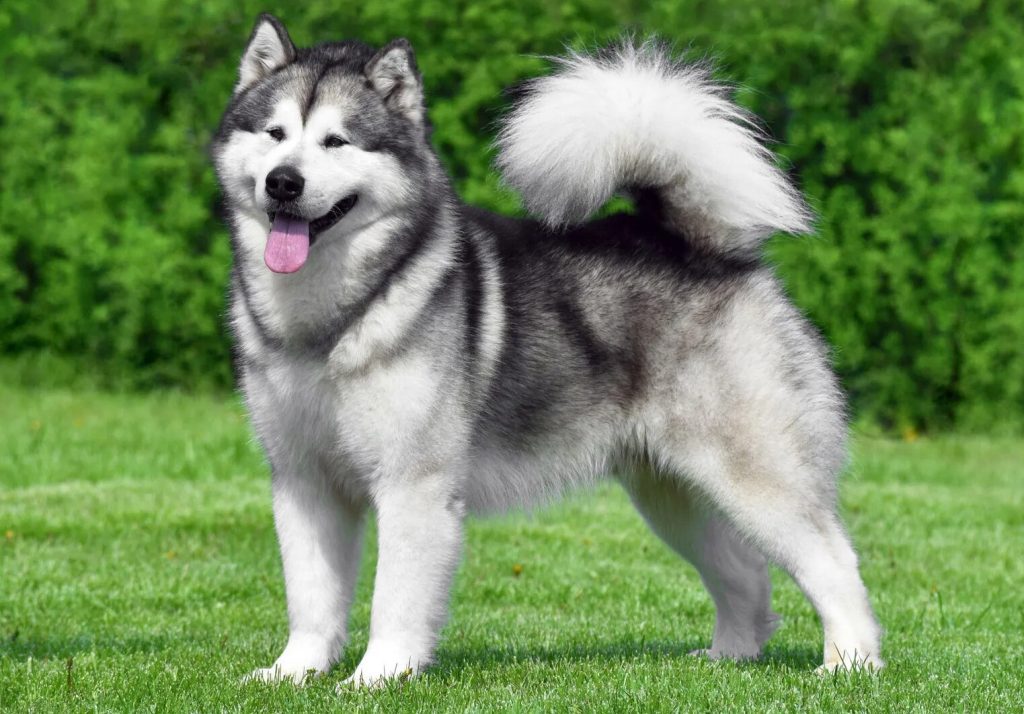
🐾 Alaskan Malamute – Powerful, Loyal, and Friendly Arctic Companion
🐶 What is an Alaskan Malamute?
The Alaskan Malamute is a large, strong working dog originally bred to pull heavy sleds in harsh Arctic climates. With its wolf-like appearance and affectionate nature, this breed is known for being loyal, playful, and incredibly resilient. Unlike the more energetic Siberian Husky, the Malamute is built for raw power and endurance rather than speed.
📜 Origin & History
The breed gets its name from the Mahlemut Inuit tribe of Alaska. Malamutes have been used for centuries for sled-pulling, hunting, and survival in freezing environments. They were crucial companions in Arctic expeditions and gold rush journeys during the 19th century. Their strength and loyalty even earned them a role in World War II, where they served in search-and-rescue and hauling missions.
🧬 Physical Traits
- Size: 23–25 inches in height
- Weight: 75–100+ pounds
- Coat: Thick, double coat suitable for cold weather
- Colors: Shades of gray, black, red, and sable with white markings
Malamutes are often mistaken for Huskies, but are much more powerful and larger in build. They share a similar sturdy frame with other large working breeds like the Bernese Mountain Dog, though their Arctic heritage gives them a distinct wolf-like appearance.
🧠 Temperament & Personality
Malamutes are friendly, dignified, and affectionate. They form deep bonds with their families and love to be part of the household activities.
- Not ideal as a guard dog due to their friendly nature
- Can be independent and stubborn without proper training
- Love people – not suitable for isolation or being left alone for long hours
Their independent streak can sometimes rival that of a Tibetan Mastiff, but Malamutes are far more social and playful with their families.
🏃♂️ Energy & Exercise
These dogs are extremely active and thrive in environments where they can run, hike, or pull weights.
- Requires 60–90 minutes of exercise daily
- Best for experienced dog owners or active families
- Without enough activity, they may become destructive
If you’re considering a Malamute, be prepared for a high-energy companion that needs daily outlets for its strength — much like the Belgian Malinois, though the Malamute’s exercise is more about endurance than agility.
🎯 Training Tips
Training an Alaskan Malamute takes patience and consistency. They are intelligent but can be strong-willed.
- Start early with obedience and socialization
- Use positive reinforcement and avoid harsh methods
- Expose them to different environments and people early on
Owners who have experience with other intelligent breeds, such as the German Shepherd, will find the Malamute’s training challenges familiar — though Malamutes tend to be more independent and less eager to please.
🥗 Diet & Health
Malamutes do best on a high-protein diet formulated for large, active breeds. Keep an eye on their weight and avoid overfeeding, as they can be prone to obesity if not exercised enough.
- Common Health Concerns: Hip dysplasia, hypothyroidism, cataracts, and bloat
- Lifespan: 10–14 years
- Regular vet checkups and grooming are essential
A practical tip: feed two measured meals per day rather than free-feeding to help prevent bloat, a life-threatening condition more common in deep-chested breeds like the Malamute.
🛁 Grooming Needs
The Alaskan Malamute’s thick coat sheds heavily, especially during seasonal changes.
- Brush 2–3 times weekly (daily during shedding season)
- Bathe occasionally – they are naturally clean dogs
- Trim nails and clean ears regularly
👨👩👧👦 Is the Alaskan Malamute Right for Your Family?
Malamutes are great with children and enjoy being part of a family unit. However, they are best for families with experience and a spacious home environment.
- Not recommended for apartment living
- Needs a securely fenced yard – they’re escape artists
- Supervise around small pets due to their prey drive
🌟 Fun Facts About Alaskan Malamutes
- One of the oldest Arctic sled dog breeds
- Used in WWII for hauling and search-and-rescue missions
- Appeared in many Hollywood movies thanks to their wolf-like look
- Rarely bark – they prefer to “talk” or howl
❓ Frequently Asked Questions
Q1: Are Alaskan Malamutes good guard dogs?
A: They are protective but generally too friendly to be reliable guard dogs.
Q2: Can Malamutes live in warm climates?
A: They can adapt, but they prefer cooler environments and need shade and water in hot weather.
Q3: Do they get along with other pets?
A: Early socialization is key. They can be dominant or prey-driven, so introductions must be controlled.
Q4: Are Malamutes easy to train?
A: They’re intelligent but stubborn. Consistency and patience are essential.
✅ Final Thoughts
The Alaskan Malamute is a majestic, strong, and deeply loyal dog best suited for active, experienced owners. If you can meet their needs for space, exercise, and companionship, a Malamute will reward you with a lifetime of affection and adventure. For those considering a similar large working breed, the Great Dane offers a different temperament — more gentle and less independent — but both require committed owners who understand large dog care.
🐺 Alaskan Malamute for Sale
The Alaskan Malamute is a powerful, loyal, and majestic working dog originally bred for strength and endurance. Known for their wolf-like appearance and friendly nature, they make wonderful companions for experienced dog owners who can meet their high exercise needs. Below is a list of countries where you can explore available Alaskan Malamutes through trusted platforms.
- Alaskan Malamute for Sale in Pakistan
- Alaskan Malamute for Sale in the United States
- Alaskan Malamute for Sale in Canada
- Alaskan Malamute for Sale in Australia
- Alaskan Malamute for Sale in the United Kingdom
- Alaskan Malamute for Sale in India
- Alaskan Malamute for Sale in South Africa
- Alaskan Malamute for Sale in New Zealand
- Alaskan Malamute for Sale in Nigeria