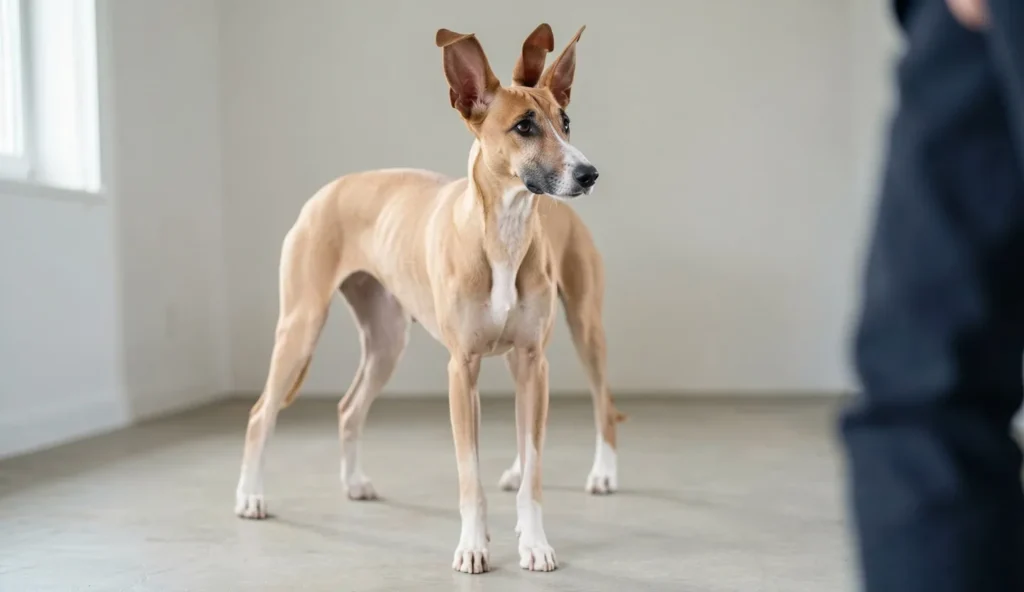
What Is A Pharaoh Hound
The Pharaoh Hound breed is a Mediterranean sighthound known for speed, alertness, and a very expressive head. The coat usually appears warm and sleek, while the ears can look more reddish when the dog becomes excited. This rare breed often attracts history lovers because of its long association with human living and hunting styles.
As a working-type sighthound, the Pharaoh Hound temperament centers on watchfulness and fast reactions. It follows motion closely and may act focused when something interesting moves nearby. Many owners also notice the dog’s “blushing” effect in the ear area during attention or excitement.
Origin And Historical Background
Most historical accounts connect the Pharaoh Hound to Malta and the broader Mediterranean region. Over time, the breed developed as a hunting sighthound, built for speed and quick pursuit. Early references and modern breed stories often emphasize its longstanding rarity and distinctive type.
In human companionship and sport hunting contexts, the Pharaoh Hound likely filled roles that required both alertness and agility. That history helps explain why the dog still values structured routines and clear handling today. For perspective on how similar companion breeds evolved, owners sometimes compare background traits with other purebred histories, such as those covered in Teddy Bear Dog care approaches.
Key Traits That Make The Breed Stand Out
The Pharaoh Hound’s lean, athletic frame supports fast pursuit with minimal wasted motion. Its large ears sit high and become a major visual feature when the dog gets emotionally engaged. Bright expression and quick reactions help the dog track movement even in a busy setting.
Distinctive movement shows up both at rest and in motion. The gait often looks smooth and efficient, which matters in dog show contexts where ring presence plays a role. Because the breed can appear very “alive” during greetings, handlers should watch for ear coloring changes without forcing stimulation.
Appearance And Physical Features
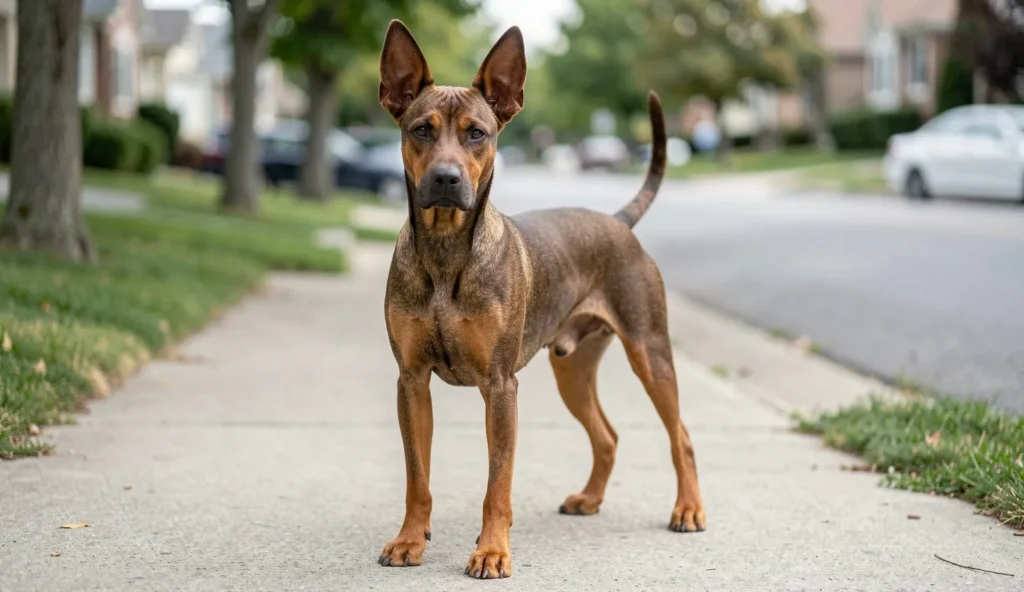
The Pharaoh Hound appearance usually looks sleek and elegant, with clean lines and a short coat. Judges often look for a balanced body build that supports sustained movement. Typical markings help confirm breed identity, while grooming also affects how well the coat condition reads in the ring.
At the same time, the dog’s excitement can change the visual emphasis around the head. Ear coloring often becomes more noticeable, which can resemble a warm blush across the ear leather. When properly presented, this effect can help highlight the dog’s expressive face.
Coat Color And Typical Markings
The coat consists of short, fine hair that creates a tight, streamlined look. Common color ranges include warm tan and reddish tones, depending on the individual. White markings may appear in recognizable areas and can add contrast in show presentations.
Consistency matters because coat tone, texture, and overall condition affect how the dog photographs and how it appears to a judge. Show prep often focuses on keeping the coat clean and dry, rather than using heavy grooming products. Owners who care about presentation may also compare general coat and prep principles with other breeds, including Rare Small Dog Breeds That Don’t Shed.
Ear Coloring When Excited
One of the most distinctive visual traits involves ear coloring when excited. As attention increases, the ears can show stronger reddish or pink tones that many people describe as a blushing effect. This happens because the ear skin and blood flow respond during excitement.
Ear movement also matters because it shows responsiveness. Handlers should observe how the dog reacts during quiet handling, and then note changes when the dog becomes more stimulated. The goal is reliable calm presentation, not forced stimulation.
Size, Proportions, And Movement
Proper proportions support the breed’s athletic purpose. The body usually shows balance between height and body length, with a deep chest and an abdomen that appears tucked. Long, elegant legs help provide both reach and speed during pursuit.
Movement in the ring often reflects smooth tracking and an efficient stride. Daily walks also influence how the dog carries itself because comfort and muscle use affect posture. To build a similar foundation of athletic handling, some show participants also review high-drive training expectations from breeds like the Belgian Malinois Dog, while remembering the Pharaoh Hound usually remains more alert than pushy.
Pharaoh Hound Temperament And Personality
The Pharaoh Hound temperament often looks calm but highly attentive. At home, many dogs watch household activity closely and respond quickly to routine changes. With familiar people, the dog frequently shows strong attachment.
At the same time, reserve with strangers can appear, especially without early socialization. Calm handling helps reduce stress responses, which is important when ear coloring can increase during excitement. For history lovers and dog show participants, understanding temperament helps predict ring behavior under bright noise and crowd presence.
Social Behavior And Home Attitude
Most Pharaoh Hounds act responsive to household sounds, movements, and daily schedules. Socialization often determines whether strangers get a steady acceptance or a cautious approach. Bonds with familiar people typically form quickly and may deepen as routines stay consistent.
Because the breed processes motion strongly, handlers should avoid sudden, stressful interactions. When a dog becomes overstimulated, ear coloring can intensify, and the dog may shift from steady to restless. For exhibitors, this means ring preparation should prioritize calm focus.
Prey Drive And Stimulation Needs
A strong sighthound instinct plays a major role in daily behavior. Many Pharaoh Hounds show interest in moving targets and may want to chase birds, rabbits, or even fast-moving toys. Safe management becomes essential in homes with small pets.
Enrichment helps channel that drive into controlled activities. Mental stimulation reduces boredom and may lower restless pacing between outings. Consistent routines support steadier attention, which matters for both home life and show readiness.
Independence Vs Trainability
Training can work well because the dog generally learns quickly when cues are clear. Still, independence sometimes shows up during distraction because the sighthound brain ranks movement as a priority. Positive reinforcement typically produces the most reliable results.
Short training sessions help maintain engagement and prevent frustration. Patience supports recall and focus building over time. During training and handling, it also helps to monitor the “blushing dog” effect in the ears as a quick signal of arousal.
Exercise Requirements For A Pharaoh Hound
Pharaoh Hound exercise needs usually involve regular brisk walking plus time for faster movement. The breed uses bursts of speed rather than slow, steady work all day. Owners should plan activity based on age, fitness, and comfort level.
When exercise stays consistent, the dog often settles more easily afterward. When activity lacks structure, the dog may search for motion to satisfy instinct. That can increase excitement, including ear coloring changes during greetings or training cues.
Daily Activity Targets
Daily needs often include two or more activity blocks depending on age and conditioning. A mix of brisk walking and short bursts of faster movement keeps joints and muscles ready. Mental stimulation also matters because it reduces boredom between outings.
Overexertion can affect very young dogs and older dogs, so pacing must stay appropriate. Gradually increasing activity helps prevent stiffness and reduces the risk of soreness. Show participants often build exercise schedules around practice ring days to reduce stress and improve focus.
Safe Off Leash And Leash Practices
Off-leash time should only happen in secure areas with reliable recall. Because the breed pursues movement, imperfect recall can lead to unsafe chasing. A properly fitted harness often supports control and reduces pressure on the neck.
Leash training should start early and stay consistent. Focus on calm walking first, then add distraction gradually. During sightings of birds or wildlife, handlers should maintain position and avoid letting the dog rehearse uncontrolled chasing.
Best Types Of Exercise
Sprinting in safe, enclosed spaces provides a direct outlet for the dog’s athletic drive. Interactive games that mimic short chases can also support appropriate stimulation. Structured obedience work paired with movement can build both fitness and reliability.
Lure coursing may be an option when available and appropriate for the dog’s fitness. Any fast activity should include warm-up and cool-down steps to support recovery. People who enjoy performance training sometimes compare training expectations across breeds, including the high-energy Alaskan Malamute, but Pharaoh Hounds often require movement-based focus rather than endurance-heavy work.
Training A Pharaoh Hound For Reliability In The Ring And At Home
Training for the Pharaoh Hound breed should aim for calm cooperation under real-world distractions. Show reliability depends on steady standing, clean leash behavior, and consistent handler cues. At home, training also controls door manners and greeting intensity.
Because arousal can show visually through ear coloring, handling can become a useful feedback tool. Calm preparation often reduces blushing dog effects that come from overstimulation. Training works best when it stays structured and positive rather than forceful.
House Training And Basic Manners
House training succeeds with consistent schedules and predictable routines. Many owners reward calm behavior and discourage frantic excitement during greetings. Polite doorway manners should start early so the dog learns that human movement comes first.
Crate training supports calm downtime and reduces stress when rest matters. Scheduled breaks also help prevent accidents and support better attention during training blocks. When manners get reinforced reliably, ring prep becomes easier and less chaotic.
Leash Walking And Focus Skills
Loose leash walking can improve quickly with frequent rewards for position and calm movement. Attention building often works best with simple, short cue sequences that end in success. Distractions should increase gradually rather than all at once.
Visual and movement cues can support focus in show-like environments. For example, a handler can practice turning and stopping so the dog learns body awareness under changing pace. Monitoring ear coloring during these sessions can help identify when arousal begins to rise.
Show Handling Fundamentals
Show work often includes teaching the dog to stand for inspection without forcing restraint. Practicing the correct gait alongside the handler helps the dog find comfortable rhythm. Handlers should practice ear handling gently while monitoring the blushing effect.
Reinforcing calmness reduces overstimulation, which can otherwise lead to fidgeting or refusal to stand. Training sessions near show venues also help the dog adjust to noise and crowd energy. With steady practice, the Pharaoh Hound can present with both poise and alertness.
Grooming Care Tips And Diet Nutrition
Grooming for this short-coated breed stays straightforward, but regular checks still matter. Coat care affects how well the warm tan and reddish tones read under show lighting. Diet supports muscle and skin condition, which shows up in coat texture and overall body condition.
Because the dog becomes visually expressive during excitement, ear checks should also be part of routine care. Owners often learn faster when they track ear color changes alongside signs of irritation. This section covers practical Pharaoh Hound care steps for daily life and show prep.
Grooming Steps For A Short Coat
Weekly brushing removes loose hair and helps keep the coat sleek. A soft bristle brush or grooming mitt typically works for short coat texture. Bathing should happen only when needed to protect natural oils and skin balance.
After bathing, skin should dry well to prevent irritation. Frequent bathing can increase dryness, especially if water exposure becomes constant. For owners who want additional breed-grooming comparisons, general shedding expectations can be reviewed in guides like Rare Small Dog Breeds That Don’t Shed.
Ear, Eye, And Dental Routine
Ear checks should happen regularly because the breed’s large ears can trap debris. Owners should look for redness, odor, excessive wax, or head shaking. Cleaning should happen only when necessary using a dog-safe solution.
Tear areas may show staining, and gentle wiping can help keep the area clean. Dental health deserves attention too because gum disease can affect overall comfort. Brushing teeth several times per week supports gum health and can reduce bad breath.
Feeding Guidelines And Portion Control
Feeding should use age-appropriate, high-quality complete dog food. Portions should be measured because an athletic dog can still gain weight if activity levels drop. Calories may require adjustment based on exercise frequency and visible body condition.
Fresh water should remain available daily, and bowls should be cleaned regularly. During show seasons, consistent feeding times can help prevent digestive upset when stress changes. Many owners also track body condition scores to guide changes without guessing.
Safe Treats And Common Food Choices
Training rewards work best when they stay small and low in calories. Treat choices should support dental and digestive health, especially during longer practice sessions. New foods should enter gradually over several days to help the stomach adjust.
Avoid foods that trigger stomach upset or allergy symptoms. For owners building a training plan, treat size and frequency often matter more than brand. When training and health goals align, the dog maintains better focus and steadier arousal signals, including the ear coloring response.
Common Health Issues And When To See A Veterinarian
Responsible care includes knowing likely concerns for the Pharaoh Hound breed and responding quickly. Like many athletic sighthounds, the dog can show early signs of joint discomfort when overworked or under-conditioned. Skin, eyes, ears, and dental health also deserve ongoing monitoring.
Owners benefit from a “watch and act” mindset instead of waiting for problems to become severe. Prompt veterinary visits help prevent minor issues from turning into longer recovery timelines. For history lovers and show participants, consistent health checks support better ring performance and safer training.
Health Risks Seen In Similar Athletic Breeds
Owners should monitor joints and mobility for early discomfort, especially after intense activity. Skin sensitivity and coat dryness may also appear when diet or bathing routines are off. Eye irritation and tear staining can occur and should not be ignored.
Routine exams allow issues to get caught early. Screening and preventative care can also support longevity, particularly for a rare breed that deserves careful long-term management. For owners comparing general risk awareness across types, performance breed patterns can be seen in guides such as Azawakh dog, though each breed has unique details.
Practical Warning Signs
Limping, stiffness, or reduced willingness to exercise can indicate pain that deserves evaluation. Bad breath, drooling, or refusal to eat often signals dental or gastrointestinal problems. Itchiness, redness, or head shaking can point to ear problems.
Sudden lethargy or vomiting requires prompt attention. Owners should treat these signs as urgent rather than waiting for the dog to “snap back.” Early checks also help protect the comfort that makes daily exercise realistic.
Preventative Care That Supports Longevity
Vaccines and parasite prevention should stay up to date based on local risk. Dental hygiene and annual wellness checks support early detection and easier treatment. Body condition scoring helps guide diet adjustments so the dog stays lean but strong.
Some screenings may follow breeder guidance depending on the dog’s background. Keeping records from vet visits also helps when patterns develop over time. With consistent prevention, the dog can remain active enough to meet Pharaoh Hound exercise expectations.
Is A Pharaoh Hound Right For You
The Pharaoh Hound breed can fit many households, but match depends on lifestyle and management. The dog typically needs daily movement, mental engagement, and training support using positive methods. Show participants often succeed because they already value preparation, steady handling, and routine practice.
Before choosing a rare breed, it helps to review temperament fit and practical responsibilities. Ear coloring during excitement can be a useful indicator, but it cannot replace safety management around distractions and small animals.
Good Match Criteria
Good matches often include people who enjoy sighthound behavior and can provide active daily exercise. Willingness to train with positive reinforcement usually improves results. Secure spaces and consistent routines also help manage prey drive.
Grooming and health routines must fit the schedule too. A short coat still needs weekly brushing, ear checks, and dental care. Owners who can maintain those habits usually provide a better long-term experience for the dog.
Situations That Require Extra Planning
Homes with small pets may need careful introductions and close supervision. Busy schedules can challenge exercise planning and enrichment needs, which then affects behavior and rest. First-time owners should plan structured training time rather than hoping instincts handle themselves.
High-distraction areas often require extra leash work and patience. Without gradual training, the dog may react strongly to moving objects. With planning, the Pharaoh Hound can still thrive as a companion and show candidate.
Starter Checklist For New Owners
This starter checklist supports day one setup for Pharaoh Hound care. It focuses on safety, routine, and the supplies needed for training and grooming. Keeping these basics ready reduces stress when the dog arrives.
Items listed here also help maintain stable arousal levels, which matters because ear coloring may increase when excitement rises. Calm preparation helps the dog settle into a predictable schedule quickly.
Day One Supplies And Setup
- Secure harness and appropriately sized leash
- Comfortable bed with easy temperature control
- High-quality complete dog food and measured feeding tools
- Enrichment options for mental focus at home
- Treat pouch and small training treats
- Grooming brush and dog-safe ear cleaner
- Toothbrush and basic dental care tools
If a show plan exists, practice setup can mirror ring expectations. A calm inspection routine at home also helps reduce stress during actual events. Over time, these steps build steady handling for both daily life and competition days.
FAQs: Pharaoh Hound Breed
Do Pharaoh Hounds get blushing in the ears when excited?
Yes, ears can show stronger reddish or pink coloring during excitement. Many people describe this effect as blushing, and calm handling can reduce overstimulation.
Are Pharaoh Hounds good family dogs?
They are often affectionate with familiar people. Without early socialization, they can remain reserved with strangers, and supervision helps with small pets due to prey drive.
How much exercise does a Pharaoh Hound need each day?
It needs regular brisk walks plus time for faster movement. Activity should match age and fitness, and mental enrichment helps between outings.
What training methods work best for a Pharaoh Hound breed?
Positive reinforcement with consistent cueing works best. Short sessions maintain focus, while leash work and gradual distraction training build reliability.
Are Pharaoh Hounds easy to groom?
They are generally simple to groom because the coat stays short. Weekly brushing plus occasional bathing when needed supports coat condition, and routine ear and dental checks keep health stable.
What health problems should owners watch for?
Owners should watch for joint discomfort and skin irritation. Eye, ear, and dental issues also deserve attention, and veterinary care should follow limping, vomiting, or persistent symptoms.
Pharaoh Hound Care That Supports Show Ready Living
The Pharaoh Hound breed rewards structured routines, patient training, and consistent health monitoring. With the right handling approach, ear coloring changes during excitement become easier to manage and easier to read in real time.