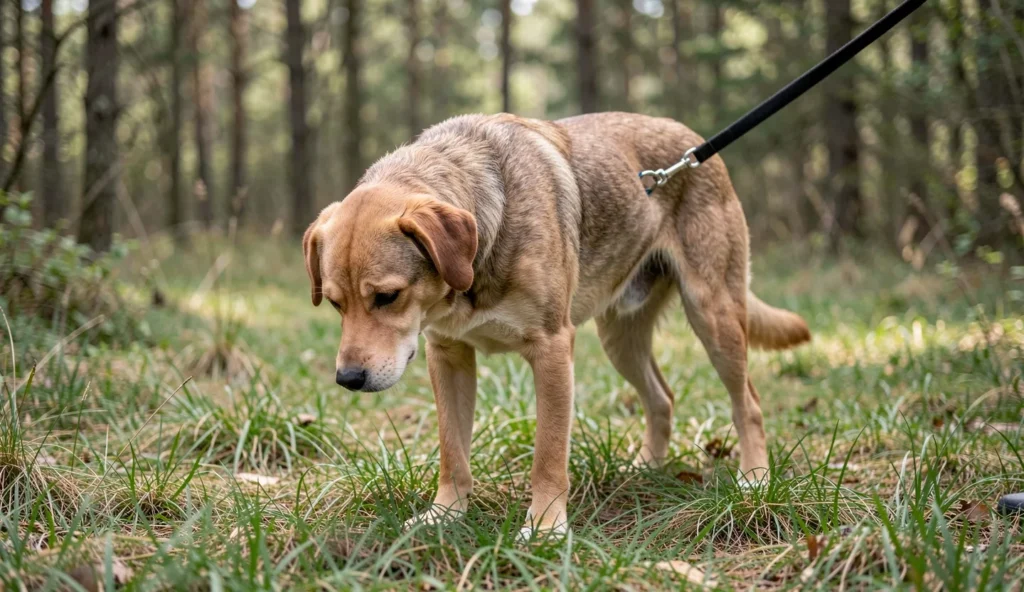
What Is a Hamiltonstovare?
The Hamiltonstovare breed is a Swedish scent hound developed to follow difficult trails for long periods. It belongs to the group of rare Swedish hound types that remain valued for tracking and trailing today. Many people choose this dog for its steady nose and focus when following scent rather than speed alone.
Historically, the Hamiltonstovare worked alongside hunters to locate and track game. The name Hamiltonstovare comes from its founder Adolf Hamilton, whose work helped shape the breed for scent performance. Even now, the fox hunting dog reputation often appears in discussions because scenting work drives much of the daily behavior.
Breed Origin And Name Meaning
Hamiltonstovare dogs come from Sweden, where breeders developed scent hunters for practical field use. Adolf Hamilton is the founder tied to the breed name, and his early efforts helped standardize working traits. Over time, the line became known for stamina and reliable tracking during outdoor conditions.
Traditionally, these dogs tracked game as part of hunting routines. In modern settings, the same scent skills show up in structured trails and supervised scent games. As a result, interest in the Hamiltonstovare breed often starts with a love for scent work itself.
Key Breed Characteristics At A Glance
Hamiltonstovare dogs are built for endurance during long scent sessions. Their strong nose supports steady progress rather than sudden bursts, which suits trailing work across changing ground. Owners typically notice a high motivation to stay with a scent once the nose gets engaged.
At the same time, the Hamiltonstovare temperament often includes vocal tendencies during tracking. Some dogs will make sounds while searching or alerting to scent activity. This means the breed fits best with people who can provide structured outlets and consistent management.
To set expectations early, the breed needs an environment where scent instincts can operate safely. A calm routine and a clear training plan help prevent frustration. Similar to other scent-focused dogs, success depends on matching daily life to tracking motivation.
What Does a Hamiltonstovare Look Like?
The Hamiltonstovare appearance balances athletic movement with practical scenting design. Most dogs show a medium to large build suited for distance, and the body stays functional for outdoor work. Because this breed targets scenting rather than showy style, the overall proportions tend to look streamlined.
Along with build, the tri-color coat plays a major role in recognition. The tri-color coat and markings often stand out against natural woodland colors. Over time, coat grooming remains manageable for most owners as long as brushing and checks happen regularly.
Size, Build, And Proportions
The Hamiltonstovare typically has a lean, athletic frame with strong legs for steady movement. Many dogs look medium to large in size while still appearing agile. That combination supports long walks, searching patterns, and endurance across varied terrain.
The head often shows balance with a strong muzzle built for scenting. Ears usually hang in a way that fits tracking behavior during active searching. Movement should look purposeful, with gait designed for finding and following scents over distance.
Tri Color Coat And Markings
The tri-color coat commonly includes a base color with contrasting markings. Many Hamiltonstovare dogs appear with a clear pattern rather than a single uniform shade. The coat often stays short and dense, which helps the dog handle outdoor temperatures more comfortably.
Shedding can change with seasons, so brushing habits may need adjustment. Regular brushing removes loose hair and reduces the amount that accumulates indoors. For owners who enjoy grooming as a routine, the Hamiltonstovare coat usually supports simple maintenance.
Face, Ears, And Movement
Ears often hang and help support scenting behaviors during tracking. While the face looks alert, the expression often shifts into deep focus once a scent trail starts. Many dogs angle the body slightly forward as they search, which helps them stay close to the ground.
Movement typically supports searching lines and distance travel. When properly conditioned, the dog can keep a steady pattern without needing constant speed. This type of pacing matches the breed’s purpose as a trailing scent worker.
How Would You Describe Hamiltonstovare Temperament?
The Hamiltonstovare temperament centers on scent focus and sustained motivation. Many dogs show high interest in odors during outdoor time, so distraction control becomes part of daily life. When scenting opportunities exist, the dog often looks more settled and engaged.
Because scent drive can pull attention away from people, training needs to start early and stay consistent. Those factors also affect how the breed behaves around strangers and household routines. With the right setup, this rare Swedish hound can become a stable companion that enjoys guided work.
Energy Level And Scent Driven Behavior
This breed usually shows high motivation to follow interesting scents. During walks, the dog can become distracted quickly if trails or grass scents appear. Many Hamiltonstovare dogs vocalize during tracking, alerting the handler to their progress.
To manage the Hamiltonstovare temperament, the dog needs structured outlets. Short scent sessions, planned trail walks, and repeatable routines help prevent boredom. Without that structure, some dogs develop pacing or destructive behavior at home.
Family Compatibility And Social Style
Hamiltonstovare dogs often show affection with people once they bond. Consistent, calm handling usually works better than frequent changes. Clear expectations help the dog understand what happens next during training and outdoor activities.
Training matters because excitement can rise when scent work begins. A fox hunting dog background means the dog may treat outdoor cues like hunting triggers. When handlers use reward based training and keep sessions short, the dog learns how to refocus.
Living With Other Pets
Living with other pets can be manageable with early socialization and supervision. However, scent drive can complicate small pet households due to the dog’s interest in trails and movement. Structured introductions reduce risk and create predictable household patterns.
For homes with cats or small animals, management should stay consistent. Supervision often prevents rehearsing unwanted chasing or intense sniffing. When comparing behavior expectations, owners may also find useful context in other working breeds such as the German Shepherd temperament and training needs, although scent drive levels still vary by individual.
How Much Exercise Does a Hamiltonstovare Need?
The Hamiltonstovare needs regular physical activity that matches its endurance and tracking instincts. Many dogs require more than quick bathroom trips or short neighborhood walks. Instead, the breed benefits from longer sessions with planned opportunities to sniff and follow safe scent lines.
Exercise works best when it includes scent work, not just distance. The dog’s motivation tends to rise when the handler turns outdoor time into purposeful searching. That approach supports both fitness and calm behavior at home.
Daily Physical Activity Targets
Most Hamiltonstovare dogs do well with regular long walks that fit their endurance. Many owners plan two or more active sessions depending on age and fitness. Off leash time should happen only in secure areas with reliable control.
Skipping exercise often leads to restlessness because the dog keeps seeking scent input. Excessive pulling and repetitive searching can also increase when opportunities stay limited. For owners who want a direction on movement goals, comparing training discipline in a Warmblood horse routine can help conceptually, since conditioning plans share the idea of regular, progressive work.
Scent Work As The Best Exercise Option
Scent work supports the dog’s natural strengths and reduces stress. Simple tracking games such as short trails and hide and seek with safe training scents can fit into daily schedules. Puzzle feeding and search tasks also provide mental work that supports steadier rest periods.
Handlers should rotate tasks so the dog does not become frustrated or bored. The best results usually come from brief sessions with clear endings. When training scents stay varied, the dog learns to work for rewards while maintaining focus.
Signs The Dog Needs More Activity
Restlessness and pacing often appear when the dog lacks sufficient scent and movement time. Destructive behavior can develop when boredom rises and attention keeps searching. Excessive vocalization or intense pulling during walks may also signal unmet needs.
Another common sign involves difficulty settling after exercise. If the dog cannot relax even after outdoor time, the type of activity may need adjustment. Adding structured trailing breaks and short scent games usually helps restore calm.
How Should a Hamiltonstovare Be Trained?
Training a Hamiltonstovare requires a scent aware approach that supports focus and safe recall. The breed responds best when training feels predictable, rewarding, and connected to the dog’s natural interests. For many owners, this is a learning curve because traditional methods may struggle against a powerful nose.
To guide success, handlers must build skills step by step. Loose leash walking, recall in low distraction areas, and stopping cues matter more than complex tricks. With consistent practice, the dog can learn to switch from scent focus back to handler cues.
Training Style That Works Best
Reward based training usually works well for the Hamiltonstovare breed because it builds trust and motivation. High value rewards can help the dog return attention when scent distractions appear. Sessions should stay short and frequent so the dog stays engaged.
Before practicing harder commands, the handler should manage the environment and set the dog up for success. When scent drive rises, the dog may ignore cues until motivation shifts. Using rewards for refocus helps the dog learn that listening creates good outcomes.
Leash Manners And Recall Training
Loose leash walking works best when taught early, using consistent guidance and rewards. Recall training should begin in low distraction areas where the dog can learn quickly. Once the dog understands the cue, distractions can increase gradually.
Stop and re engage cues reduce the chance that the dog rushes toward scent sources. Expect scent interruptions during early training because the dog’s nose leads the behavior. With patience, repeated practice improves reliability over time.
Preventing Common Training Problems
Punishment often increases stress during tracking, which can worsen attention and confidence. Handlers should avoid unsupervised off leash exploring because it can lead to unsafe chasing. Instead, management tools and secure setups help prevent rehearsing unwanted pulling.
Clear boundaries and predictable routines support learning. If training feels challenging, owners sometimes seek support through experience with other athletic breeds like a Kooikerhondje to understand how structured play reinforces obedience, though each dog still needs scent tailored training. The best results come from reducing repeated failure and increasing guided success.
How Do You Care For a Hamiltonstovare?
Care for a Hamiltonstovare includes grooming, feeding, and daily monitoring that match its outdoor lifestyle. Most owners find coat care manageable because the tri-color coat stays short and practical. Still, outdoor exposure can affect ears and paws, so quick checks help prevent problems.
Since the breed works best with scent sessions, care also includes keeping equipment ready and safe. Leash, secure harness, and training rewards matter for consistent outings. When daily routines stay stable, health and behavior usually benefit.
Grooming And Coat Care
Regular brushing removes loose hair and supports coat cleanliness. Outdoor days often mean the coat collects dust and small debris, so quick checks after walks help. Bathing should happen only when needed to avoid skin dryness.
Nail trimming supports comfortable movement, especially for a dog that travels on trails. Keeping feet clean and free from trapped plant matter reduces irritation. For owners planning grooming habits, the same structured routine concept used for other breeds such as a Stabyhoun breed can help, since it emphasizes consistency and early maintenance.
Ear, Skin, And Paw Checks
Ears should get inspected for odor or redness after outdoor time. Hanging ear shapes can trap moisture during wet weather, so a quick wipe or dry check may help. Skin issues often become noticeable after seasonal changes or repeated brushing friction.
Paw pads also need attention for debris and irritation. A brief check after brushy areas can prevent tiny cuts from turning into bigger problems. Parasite checks after walks matter as well, particularly in areas with ticks or fleas.
Diet And Feeding Guidelines
A complete, balanced dog food supports energy for scent work and daily activity. Portions should match the dog’s body condition and activity level rather than treating all dogs the same. Fresh water needs to stay available after active sessions.
During training, treats should stay measured and align with overall calorie needs. Overfeeding can reduce fitness and add stress to joints in active medium to large dogs. For guidance on structured care concepts, looking at a Norwegian Lundehund Dog care approach can help illustrate how specialized needs still depend on routine, even if dietary details differ.
Starter Checklist For Daily Care
New owners typically benefit from preparing tools before the dog arrives. A simple routine reduces missed checks and supports consistent training. The list below helps cover daily essentials without overcomplicating care.
- Quality dog food for size and age
- Secure harness and properly fitted leash
- Brush suited for short dense coat
- Nail clippers or grinder
- Ear wipes and cotton pads
- Parasite prevention scheduled for local risk
- Treat pouch for reward based sessions
- Training scents for short trail practice
What Common Health Issues Affect Hamiltonstovare Dogs?
Hamiltonstovare health care focuses on monitoring how an active scent hound handles outdoor time. Regular veterinary checkups help catch issues early and support long term wellness. Like many medium to large working dogs, the breed benefits from consistent preventive care and sensible conditioning.
Because this dog often spends time tracking outdoors, ears and skin can become problem areas if checks get skipped. Joint health also matters since the dog travels distance and keeps active daily routines.
Health Screening And Responsible Breeding
Choosing reputable breeders supports safer long term outcomes. Health information should include relevant screening results and family history when available. Dogs in good overall physical condition tend to handle activity more comfortably.
Before purchase or adoption, ask about screening that matches common risks for the breed and its line. Responsible breeding also means the dog temperament looks stable and not overly anxious. When health records exist, owners can plan better with the vet.
Common Problems To Monitor
Joint and mobility issues can appear as active dogs age, especially if weight stays high. Keeping the dog fit and maintaining a healthy body condition reduces strain. Ear irritation risk also increases because outdoor exposure can introduce moisture and debris.
Skin sensitivity may show up during seasonal shifts or after repeated outdoor brush contact. Weight management supports joint comfort and improves energy for scent work. Because daily exercise keeps the dog busy, food portion control becomes a key care step.
Preventive Care That Helps
Preventive care should include vaccination schedules and routine wellness exams. Parasite prevention should match local tick and flea risk levels. Dental care also matters and works best when started early with vet guidance.
Consistent exercise needs rest days so recovery can happen. If the dog shows limping, fatigue that seems unusual, or persistent ear odor, the vet should evaluate it. Early intervention often prevents minor issues from becoming more costly.
Is a Hamiltonstovare Right for You?
The Hamiltonstovare breed can fit well with people who enjoy scent work and planned outdoor time. This rare Swedish hound often thrives when the day includes both movement and opportunities to follow scents safely. Handlers should also be ready for training that accounts for strong tracking instincts.
When the home supports management and consistent routines, the dog can become a steady companion. However, the breed may challenge people who want a low effort pet. The best match usually comes from matching household structure to the dog’s tracking drive.
Best Owner Match For This Rare Swedish Hound
The ideal owner enjoys scent work and can commit to structured outdoor sessions. The Hamiltonstovare breed typically needs consistent training and management to stay focused. Secure environments reduce escape risk during moments when scent becomes more interesting than the handler.
People who want a dog with a strong tracking drive often find this breed rewarding. When scent sessions happen regularly, behavior at home frequently looks calmer. Patience also helps, because learning leash skills takes time for scent focused dogs.
Situations Where The Breed May Be Challenging
This dog often struggles in very sedentary households where exercise and scent work remain inconsistent. First time owners may find training difficult without guidance, especially for recall reliability. The dog’s scent interest can also complicate homes with small pets if supervision and introductions stay inconsistent.
Regular secure off leash access can reduce management pressure, but off leash use must stay controlled. If the schedule does not support daily scent and movement, another breed may suit better. Learning how other working breeds handle structure can help, such as understanding how a Norwegian Lundehund Dog differs in daily management while still requiring dedicated routine.
Frequently Asked Questions
How Rare Is the Hamiltonstovare Breed?
The Hamiltonstovare breed is often considered rare outside Sweden. Availability can vary by country and kennel networks, so planning ahead helps.
Do Hamiltonstovare Dogs Bark a Lot?
Many Hamiltonstovare dogs vocalize during scent tracking or alerting. Training and enough exercise usually reduce nuisance barking.
What Kind of Collar Or Harness Works Best for a Hamiltonstovare?
A secure harness often helps manage pulling and keeps control during scent moments. Equipment should fit properly and prevent accidental escapes.
Is a Tri Color Coat Easy to Groom?
The tri-color coat typically benefits from regular brushing to remove loose hair. Grooming is usually simple, though shedding patterns change with seasons.
Can a Hamiltonstovare Live in an Apartment?
It can work only with consistent daily exercise and scent work. Leash control still matters because scent drive remains strong.
What Should First Time Owners Focus on With Training?
First time owners should focus on leash manners and recall in low distraction areas. Reward based sessions and early environment management help training succeed.
Final Note on Caring for This Swedish Scent Hound
The Hamiltonstovare breed rewards owners who provide structured scent work, regular exercise, and practical grooming. With consistent training and preventive care, the dog can stay healthy and engaged in daily life.