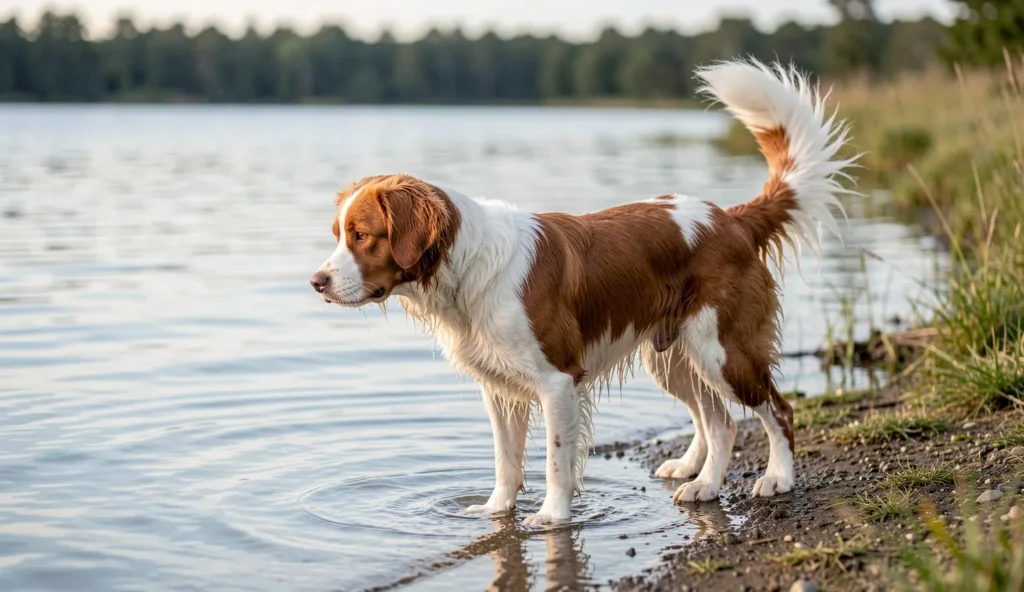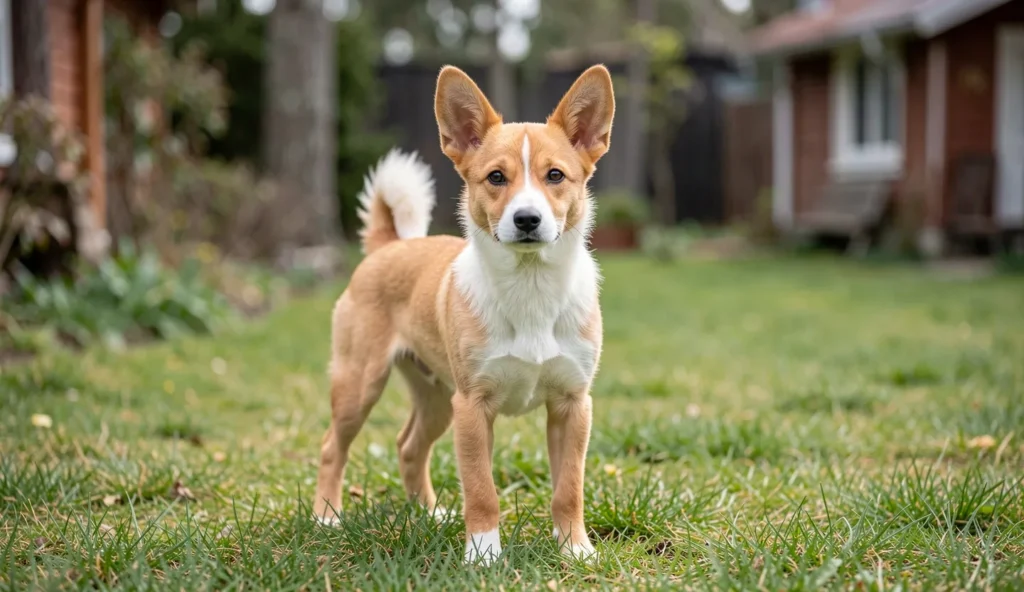
What Is A Swedish Vallhund?
The Swedish Vallhund breed is a small to medium herding dog from Sweden, often linked to Viking-era working farms. This rare Swedish breed stands out for its short legs, spitz-like face, and alert working focus. People who want a “Viking dog” companion often look for a compact herding temperament that stays active at home.
Swedish Vallhund dogs developed to manage livestock and solve movement problems in daily farm conditions. As a result, the Vallhund temperament often includes quick reactions and steady household watchfulness. Many owners also notice that the look and build can feel similar to a dwarf corgi, even though the breed type belongs to the spitz group.
Breed Origin And Nickname
Swedish Vallhund dogs originated in Sweden as herding farm workers designed for everyday livestock control. The nickname Viking dog comes from the breed’s long history and traditional role in Scandinavian farm life. In appearance, many people compare the Swedish Vallhund to a dwarf corgi because the body sits longer than the legs.
At the same time, the Swedish Vallhund still shows clear spitz traits like an alert head shape and a coat built for outdoor weather. This combination often makes the breed feel “both hardy and compact,” especially for people who like spitz-type dogs. For another rare Swedish working breed, readers may also like the Norwegian Lundehund breed and its unusual adaptations.
Typical Lifespan And Size
Most Swedish Vallhund dogs fall into the small to medium category with a sturdy, athletic build. The height usually looks short compared to the body length, which supports quick turning and efficient herding movement. Lifespan commonly falls in the mid-teens range, though individual genetics and care matter.
Weight varies by sex and body condition, so it helps to focus on healthy proportions rather than a single number. When weight rises, the short-legged structure can feel harder on joints. For general working-dog comparisons, the Czechoslovakian Wolfdog can also show how genetics shape daily needs.
Bred For Herding And Problem Solving
Swedish Vallhund dogs developed to work livestock and control movement using alert timing. Farmers needed a dog that could respond quickly and think through changing situations. That history shaped the breed temperament into independent problem solving paired with focused observation.
Even in modern homes, this drive can show up as active play, boundary testing, and quick attention to what happens around the yard. Many dogs also show a strong instinct to manage movement, especially when people walk past. With consistent direction, those instincts can become a stable household behavior rather than a constant challenge.
Appearance And Physical Features
Appearance plays a big role in searches for the Swedish Vallhund breed, especially among corgi lovers who want a similar look. A Swedish Vallhund usually has a longer body, short legs, and a compact athletic frame that looks ready for motion. The spitz influence shows through the head shape, upright ears, and alert expression.
Coat structure matters too, because the dog was built for cool climates and outdoor work. When the coat stays healthy, the dog often looks thicker and more weather-ready. Movement should also feel coordinated, since herding work depends on efficient daily locomotion.
Coat Type And Common Colors
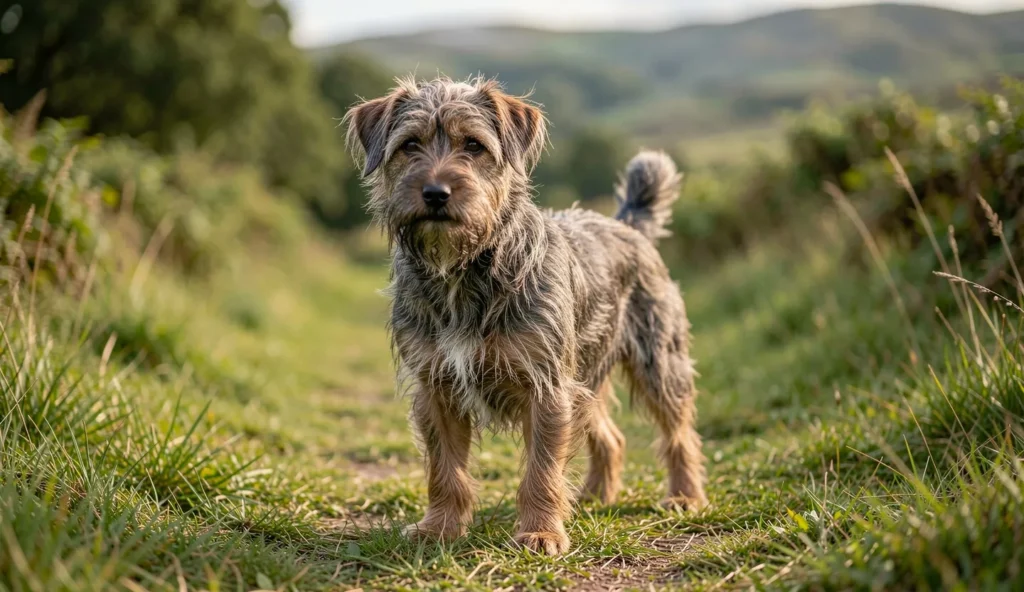
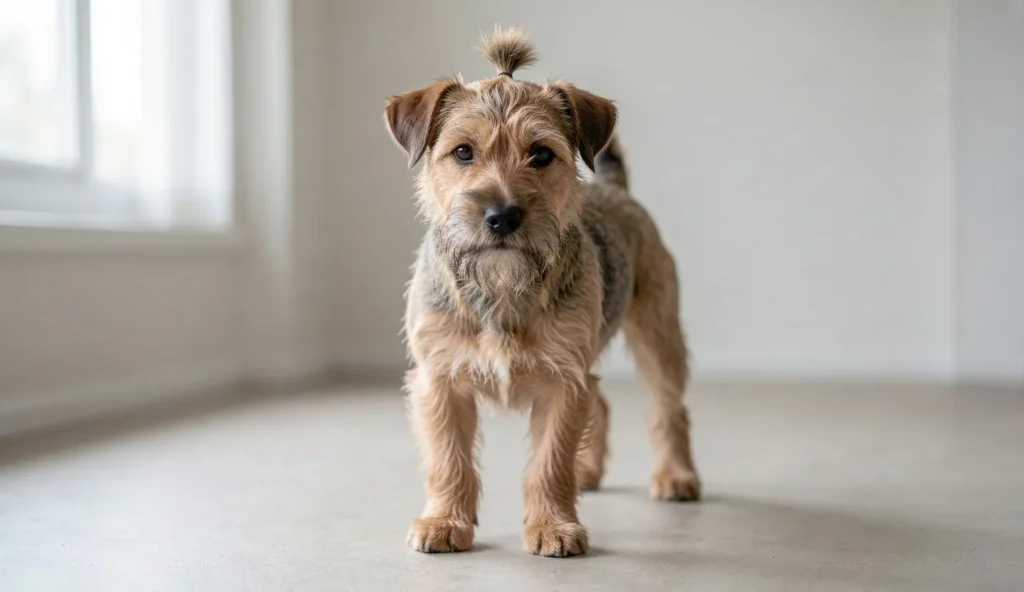
Most Swedish Vallhund dogs have a double coat with a weather-resistant outer layer. This coat helps handle cold and damp conditions while still supporting everyday comfort. Common colors include gray, yellow, and mixed markings that give each dog a distinct pattern.
Some dogs show brindle-like patterns or stronger striping effects, depending on the line. Fur thickness supports outdoor exposure, so coat maintenance remains a practical part of Swedish Vallhund care. During seasonal shedding, brushing usually makes a noticeable difference in comfort around the home.
Body Shape And Proportions
The Swedish Vallhund body typically looks longer than the legs, creating a sturdy “low” profile. The chest is often balanced and athletic, and the overall frame supports movement and turning. Tail carriage often rises during motion, which adds to the upright, spitz-like look.
The head also tends to look alert, with a spitz-leaning shape and attentive eyes. Because the dog works at farm pace, the structure favors endurance rather than slow, heavy movement. When someone sees a Swedish Vallhund standing well, the build often looks both compact and capable.
Movement And Breed Soundness
Efficient gait supports daily herding tasks, so sound movement should stay a priority. A healthy Swedish Vallhund typically moves with a coordinated, springy feel rather than stiffness. Owners should still watch for changes that suggest joint discomfort, since short-legged structure can stress certain areas over time.
In practice, that means observing how the dog walks after rest and during play. If a dog begins skipping steps or moving with guarded posture, a vet assessment can help. When comparing spitz-type motion to other breeds, the Norrbottenspets breed offers another useful example of energetic Swedish herding and tracking behavior.
Vallhund Temperament And Personality
Vallhund temperament often centers on alert focus, confidence, and a willingness to work. Many dogs remain friendly, but social comfort varies depending on training and early exposure. Because the breed watches closely, household changes can trigger attention and sometimes vocal signaling.
At home, the Swedish Vallhund breed can show herding instincts that look like “managing movement.” That can include herding people during play, tracking children’s motion, or redirecting moving objects. With guidance, those instincts usually become structured behavior rather than unpredictable nuisance.
General Temperament
Many Swedish Vallhund dogs stay alert, confident, and eager to work when the opportunity appears. They often form steady bonds with people and watch household routines. With proper socialization, friendliness usually grows, but unfamiliar situations can still require calm introductions.
When raised with consistent rules, the breed typically avoids unnecessary aggression. Instead, the default behavior often includes monitoring and responding to what the family does. This trait can make a Swedish Vallhund feel like a dependable farm helper rather than a quiet lap-only companion.
Herding Instincts In Home Life
Herding instincts can show up as nipping, herding, or “moving people into place” during play. Some dogs may target children in playful moments because the instinct reads fast movement as herd activity. Moving objects like skateboards or running strollers can also pull the dog’s focus.
To manage this Swedish Vallhund breed behavior, training should redirect herding early and clearly. Chewing on approved toys and controlled tug games often offer safer outlets than random nipping. Structured play rules help the dog learn that herding drive can exist without physical contact.
Socialization And Compatibility
Early exposure to people and other dogs supports calm manners and reduces fear responses. Some Swedish Vallhund dogs may be selective with unfamiliar dogs, so introductions work best when the first meeting stays controlled. Household routines also matter because stable patterns reduce stress and sudden reactions.
Positive encounters often shape confidence, especially in busy environments. If reactivity appears, consistent management and reinforcement can help the dog learn appropriate behavior. The same approach often applies to other working breeds, such as the German Shepherd, where training consistency supports trust.
Common Personality Quirks
Curiosity and problem solving can appear when the dog investigates doors, steps, or hidden movement. Because the breed can think independently, it may look stubborn at times. Clear, consistent guidance usually helps, especially when rewards match the dog’s motivation.
Another common quirk involves attention seeking through activity. When the dog wants interaction, it may create it by bringing toys or nudging for engagement. Owners often find that daily structure reduces these “attention through movement” moments.
How Much Exercise Does A Swedish Vallhund Need?
Exercise needs for the Swedish Vallhund breed usually include daily walks plus active play. Even though the dog looks compact, herding work requires regular movement and mental engagement. Mental stimulation matters because this rare Swedish breed tends to solve problems when given time and safe space.
Owners who prefer a very low-energy lifestyle may find the breed needs harder to meet. However, correct planning can keep the dog balanced and calm indoors. That balance usually starts with consistent routine and activity variety.
Daily Activity Targets
Swedish Vallhund dogs typically do well with regular daily walks and active play sessions. Shorter sessions often work best when they happen more often during the day. Energy management improves when physical work and mental work both get time.
Age, health, and daily stress also change needs, so adjustments matter. Puppies and older dogs usually require gentler pacing and extra rest. When unclear, a vet can help set safe limits and help interpret joint comfort over time.
Best Exercise Types
Brisk leash walks help burn energy while still allowing safe sniffing time for mental input. Fetch or tug can work well when rules stay clear and play remains controlled. Interactive games that reward focus can also reduce restless behavior.
Trail walks on varied terrain can support stimulation for confident dogs. Still, high impact should stay limited, especially for a short-legged structure. For owners who like active Northern breeds, a Siberian Husky routine can share pacing ideas, though each dog needs individualized intensity.
Mental Stimulation Ideas
Puzzle feeders and treat-based foraging help satisfy problem solving without high-impact exercise. Teaching new cues daily supports attention and confidence, especially when cues build on prior successes. Herding-style games using long lines can also guide instinct into safer choices.
Toy rotation can keep interest high when the dog gets bored of the same items. Training in short bursts also supports calmer indoor behavior. When mental work increases, many households see fewer frustration behaviors at night.
Exercise Safety And Weather Considerations
Joint comfort matters, so excessive high-impact activity should stay limited. Footing also matters because paws can get irritated in rough weather or hot surfaces. Simple safety steps often include protected pacing, appropriate footwear when needed, and better breaks during extreme temperatures.
Hot or very cold weather can reduce comfort and increase fatigue. A limp, abnormal fatigue, or repeated stiffness should lead to prompt attention from a veterinarian. That early check helps prevent small issues from turning into long-term problems.
Training A Swedish Vallhund For Calm Manners
Training works best when the Swedish Vallhund breed gets structure, clear cues, and positive reinforcement. Sessions should stay short and frequent since the dog often stays curious and easily distracted. Harsh corrections usually backfire by increasing tension and reducing confidence.
Because herding instinct drives some behaviors, training aims to redirect that drive into approved actions. When owners combine reward timing with consistent routines, the dog often learns faster and stays calmer. This approach also helps prevent the “problem behavior cycle” where unwanted herding gets reinforced accidentally.
Training Style That Works
Positive reinforcement supports reliable learning and keeps motivation high. Training should use consistent cues and reward desired choices quickly. Short sessions with clear start and stop times keep the dog focused and prevent overexcitement.
Routine matters too, since confusion often leads to independent “testing” behaviors. If correction feels necessary, it should never become physical or harsh. Instead, remove the reward for unwanted behavior and reward the alternative behavior.
Core Commands To Prioritize
Recall and name recognition help keep the dog safe during outdoor moments. Loose leash walking also supports daily control because the herding drive can pull attention. Basic sit and stay commands support everyday management around doors, leashes, and visitors.
“Leave it” helps when food appears or when distractions trigger pursuit. These cues should get practiced in low distraction environments first. Over time, stronger cue reliability reduces stress for both dog and people.
Addressing Herding Behaviors
Reward calm body position during greetings and prevent excited crowding. If nipping starts during play, redirect to an approved chew or controlled tug. Structured play breaks also help because many herding behaviors rise when excitement builds.
Movement control games with rules can teach focus and reduce “herd the people” behavior. Long-line herding-style games, used safely, can also help the dog feel satisfied while staying under control. With time, the dog learns that managing movement happens through games, not through contact.
Common Training Challenges
Independence may appear as stubbornness, especially when the dog senses inconsistent rules. High curiosity can also pull attention away from cues, so training needs patience and careful setup. Some rewards unintentionally reinforce unwanted behavior, so motivation should match training goals.
Structured routines reduce confusion and help the dog understand expected outcomes. If progress slows, it often helps to adjust difficulty rather than increase pressure. A consistent training plan usually works better than repeating the same cue without reinforcement timing.
Grooming And Care Tips For A Healthy Coat
Grooming for the Swedish Vallhund breed focuses on coat health, shedding control, and basic hygiene. A double coat sheds seasonally, so brushing should become a regular habit. Regular grooming also provides an easy way to check skin, ears, and overall body condition.
Care remains straightforward for most owners, but timing matters during heavy shedding. Bathing only when needed helps protect the coat and reduces skin dryness. With a consistent routine, many owners find the breed stays comfortable year-round.
Brushing And Shedding Expectations
Most Swedish Vallhund dogs shed seasonally due to their double coat. Regular brushing reduces loose hair and helps prevent matting near thicker areas. A brush suited for the thick outer coat usually works better than a soft household comb.
Extra brushing during shedding seasons can improve comfort for both the dog and people around the home. It also helps keep the coat looking neat and supports healthier skin. Consistency usually beats “rare deep brushing” because loose hair stays under control.
Bathing And Coat Maintenance
Bath only when needed to avoid drying skin or stripping natural oils. After bathing, thoroughly dry the coat so moisture does not linger in dense fur. Dog-safe shampoo can help prevent irritation from harsh ingredients.
After outdoor time, owners should check coat condition for burrs, ticks, or debris. Quick spot checks often prevent problems from spreading under the coat. If frequent baths become necessary, it can signal an underlying skin issue that a vet can evaluate.
Nail, Ear, And Dental Routine
Nail trimming supports comfortable walking and helps prevent clicking sounds. Ears should get inspected for wax buildup, odor, or redness, especially after outdoor exposure. Dental care works best with brushing several times per week when possible.
When home brushing cannot happen consistently, professional dental care may be needed. Routine hygiene reduces risk of infections and helps identify issues early. For owners who like proactive wellness patterns, the Bulldog guide can also show how routine care protects older dogs, even though coat and grooming differ.
Parasite Prevention And Preventive Care
Flea and tick prevention recommended by a veterinarian helps protect skin and reduces disease risk. Heartworm prevention may matter depending on local requirements. Vaccinations also need to stay up to date based on age and lifestyle.
Regular wellness exams support early detection, which often lowers treatment burden. Preventive care also includes monitoring weight and body condition over time. When early changes get noticed, quality of life typically stays higher.
Diet And Nutrition For A Swedish Vallhund
Diet and nutrition play a key role in maintaining a healthy weight, supporting joints, and keeping coat quality strong. Swedish Vallhund dogs do best with complete and balanced dog food that matches age and activity level. Because the breed can stay active and herding-driven, portion control still matters to prevent unwanted weight gain.
Food transitions should happen gradually to avoid stomach upset. When the dog receives measured meals and consistent treats, weight and energy usually stay easier to manage. Many feeding decisions also link to training, since rewards should feel purposeful and limited.
What To Feed
Choose a complete and balanced dog food designed for the dog’s life stage. Protein sources should be appropriate for small breeds, and ingredients should support overall digestion. Matching food to the dog’s activity level helps keep energy stable rather than spiky.
Changes should happen gradually over several days to reduce digestive stress. If unsure about ingredient suitability, a veterinarian can help review common options. Owners may also compare feeding structure to other breeds by exploring Exotic Dog Breeds and learning how diet planning varies by size and activity.
Portions And Feeding Schedule
Measured portions prevent weight gain and help protect the short-legged structure. Many owners feed twice daily, which can make portion control easier. Body condition score provides a more accurate guide than a fixed cup measure.
Calorie adjustments can occur when activity changes, but any major increase should happen with vet guidance. Dogs that become less active still need carefully reduced portions to prevent joint strain. Keeping track of body condition each month often makes dieting decisions more predictable.
Treats And Supplements
Treats should stay limited to a small percentage of daily calories. Training treats work best when they support the behavior being practiced, such as recall or loose leash walking. Random supplements can interfere with nutrition balance, so veterinary approval matters.
Fresh water should always be available, especially after exercise. In hot weather, water intake often rises, and it helps to monitor changes. When treats stay consistent, training becomes easier and the diet plan stays simple.
Food Sensitivities And Signs To Watch
Some Swedish Vallhund dogs can develop itchy skin or recurring ear issues related to food sensitivity or other allergies. Stool consistency changes after introducing new foods can also signal the need to adjust. Persistent symptoms deserve a veterinary discussion rather than repeated guesswork.
Avoid allergy-based changes without a clear plan, since repeated diet swaps can confuse diagnosis. Keeping notes on food, treats, and symptoms helps make vet appointments more productive. Over time, stable nutrition supports coat quality and reduces stress in daily care.
Common Health Issues In The Swedish Vallhund
Like many working breeds, the Swedish Vallhund breed can show certain health risks that owners should watch over time. Some concerns relate to orthopedic stress because of the short-legged structure. Eye problems can occur in some dogs, and dental disease often grows without consistent routine care.
Early detection improves outcomes, so signs should not get ignored. When behavior, appetite, or mobility changes show up, prompt veterinary attention helps. Preventive care and responsible breeding practices also lower overall risk.
Health Risks To Be Aware Of
Orthopedic issues may occur due to the body proportions and the stresses of movement. Juvenile or genetic conditions can appear in some lines, so health testing matters when choosing a dog. Eye problems can develop in any dog, so screening remains useful as part of preventive care.
Dental disease risk increases without routine care, and it can affect overall health. Brushing, appropriate chew toys, and professional checkups can reduce risk over time. Weight management also supports joint comfort, since extra pounds increase load on the structure.
Signs That Should Trigger A Vet Visit
Persistent limping or stiffness should trigger a veterinary visit, especially if it lasts more than a day or two. Sudden appetite changes or repeated vomiting also require prompt attention. Breathing difficulty during mild activity can indicate a serious issue.
Chronic itching, redness, or ear discharge can reflect allergies or infections. When skin issues appear repeatedly, a vet can help identify the cause and create a treatment plan. In active breeds, these symptoms also interfere with exercise comfort, so early care matters.
What Responsible Breeding And Vet Care Include
Responsible breeders provide health testing results and clear documentation about the dog’s line. Veterinary care also includes age appropriate screening and keeping vaccinations current. Parasite prevention should match local risk and the dog’s lifestyle patterns.
Tracking weight and body condition over time helps catch slow changes before they become bigger problems. Regular exams support early detection, which tends to keep treatment simpler. For readers comparing breed risk patterns, the Norwegian Lundehund Dog article offers another angle on why health history matters.
Is A Swedish Vallhund Right For You?
Choosing the Swedish Vallhund breed depends on lifestyle fit, training consistency, and willingness to meet daily activity needs. The dog often performs best when it receives regular walks, mental games, and structured herding redirection. People who enjoy working with dogs tend to adapt quickly.
For corgi lovers, the short-legged look can feel familiar, but the herding instincts operate differently than a typical lap companion. This rare Swedish breed may look compact, yet it still needs daily engagement to stay balanced. Evaluating the temperament match helps avoid frustration for both sides.
Good Fit For
A Swedish Vallhund can fit well for owners who enjoy daily walks and active play. It also suits households that can offer consistent training with clear rules. Families that can redirect herding instinct into games usually see better manners over time.
Early socialization helps the dog learn calm behavior around visitors and new dogs. This setup also supports stable routines at home, which reduces stress and stress-driven behaviors. When the environment stays predictable, the dog can feel secure and comfortable.
May Be Harder For
The breed may be harder for homes seeking a very low energy dog. It also tends to struggle when training becomes inconsistent or when outlets for mental work never appear. Herding nipping or movement management games require management and patient redirection.
Owners without time for daily walks and problem solving often see rising boredom behaviors. Additionally, households that cannot handle controlled introductions may find dog-to-dog behavior challenging. Still, careful planning and training can improve outcomes with most dedicated owners.
Adoption And Selection Checklist
When selecting a Swedish Vallhund, ask about temperament during everyday situations such as greetings, leash handling, and toy play. If possible, meet the dog multiple times to observe consistency across different moments. Review health test documentation and ensure it matches the breeder’s claims.
Confirm the current diet and transition plan so the home feeding schedule stays stable. Also plan for grooming and seasonal shedding, since brushing needs rise during coat change. For readers who enjoy comparing herding and spitz-type personality traits, the Kooikerhondje can provide another perspective on alert companionship and training needs.
A Swedish Vallhund Can Be A Rewarding Companion
With consistent activity, positive training, and basic preventive care, the Swedish Vallhund breed can thrive as a lively Viking dog companion. The herding temperament becomes easier to manage when daily structure and mental stimulation stay part of routine.
Frequently Asked Questions
Are Swedish Vallhunds Good Family Dogs?
Many Swedish Vallhunds do well in respectful, structured households. Early socialization helps support calm behavior around kids and visitors.
Do Swedish Vallhunds Bark A Lot?
Swedish Vallhunds are alert and may bark when routines change or when something catches their attention. Exercise and training can reduce nuisance barking over time.
How Much Exercise Does A Dwarf Corgi Lookalike Need?
Despite the short-legged look, the dog still needs daily walks and mental games. Consistent activity helps maintain a calm temperament.
What Should A Swedish Vallhund Eat?
Feed a complete and balanced dog food matched to the life stage. Measure portions and adjust based on body condition and activity level.
What Are Common Health Problems In The Swedish Vallhund Breed?
Orthopedic and eye issues can occur in some lines. Routine vet care and health testing help lower risk and support earlier treatment.
Are Swedish Vallhunds Easy To Train?
They often learn well with positive reinforcement and clear, consistent cues. Independence can require patience and firm rules.
Care Guide Takeaways For The Swedish Vallhund Breed
Consistent exercise, targeted training, and routine grooming help the Swedish Vallhund thrive. With those basics in place, the breed’s herding drive can fit into everyday life with fewer conflicts.