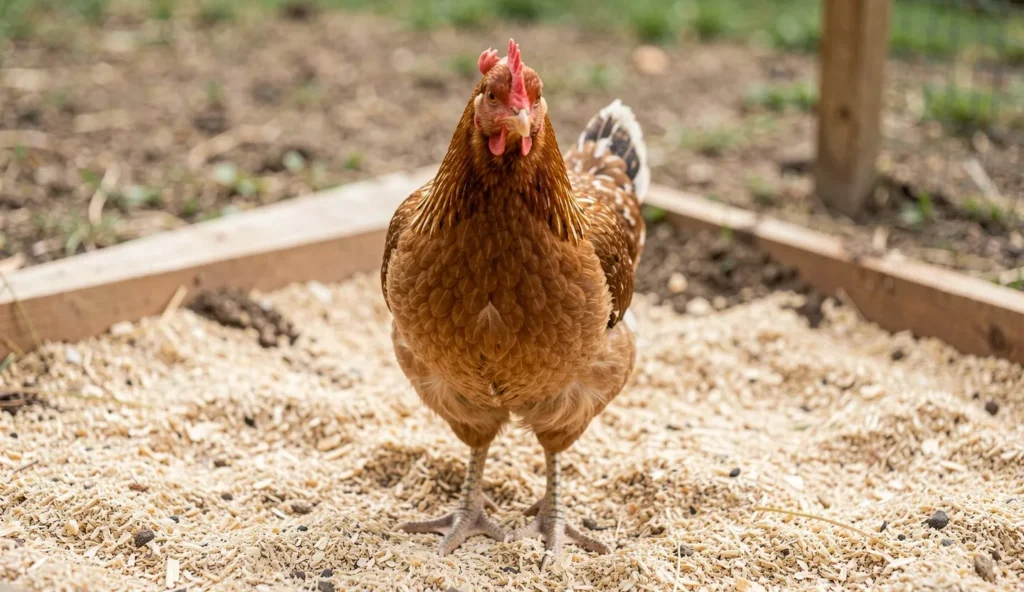
Shamo Chicken – A Rare and Majestic Warrior Breed
Introduction
The Shamo chicken is a bold and striking breed with a commanding presence that has captivated poultry enthusiasts for centuries. Known for its upright stance, muscular build, and fighting heritage, this Japanese breed is admired for its strength, elegance, and unique history. Unlike typical backyard chickens, the Shamo stands out as a living piece of cultural heritage, offering keepers a truly distinctive experience.
History and Origin
Originating in Japan, the Shamo chicken was developed from Thai fighting chickens brought to the country centuries ago. Selectively bred for strength and posture, the Shamo became a symbol of pride and tradition. Today, it is considered a cultural treasure in Japan, much like other revered gamefowl breeds such as the Mianwali Aseel, which shares a similar fighting heritage and muscular build.
Physical Characteristics
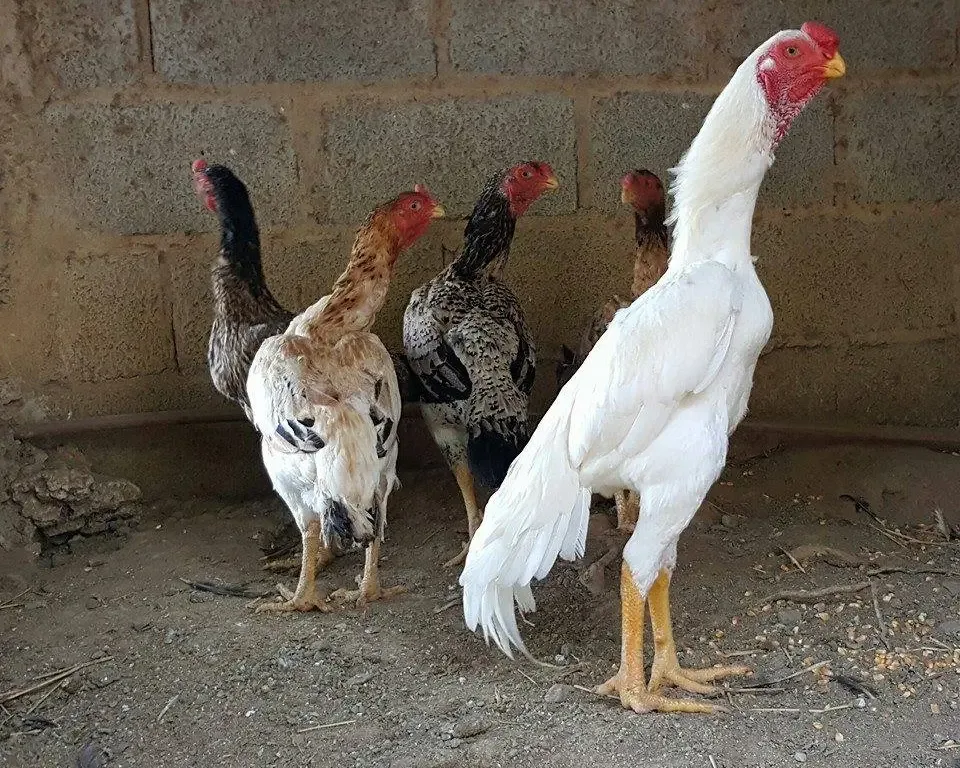
Shamos have a tall, upright posture with tight feathers, prominent muscles, and a fierce gaze. They have a pea comb, thick legs, and powerful wings. The breed comes in various sizes, including O-Shamo (large), Chu-Shamo (medium), and Ko-Shamo (small/bantam). Their imposing physique is reminiscent of other powerful gamefowl like the Reza Aseel, which also boasts a robust and athletic frame.
Temperament and Behavior
Despite their intimidating look, Shamos are calm and composed when handled properly. They are not aggressive toward humans but can be dominant around other roosters. They are intelligent, aware, and alert—traits that make them excellent guardians of the flock. For keepers interested in similar temperament, the Lasani Aseel offers a comparable blend of dignity and alertness.
Egg Production
Shamos are not prolific layers. A hen may lay around 90–120 cream or light brown eggs per year. Their value lies more in their appearance, heritage, and uniqueness than in egg production. If high egg yield is a priority, breeds like the Leghorn chicken are far more productive, laying up to 320 eggs annually.
Housing and Space
These birds need plenty of room to move around due to their active and muscular build. A spacious run and a strong coop are essential, especially since males can be territorial. Perches should be low because of their heavy bodies. Providing ample space helps prevent leg strain and keeps the birds comfortable.
Diet and Care
Feed your Shamos a high-protein, well-balanced diet to maintain their strength and condition. Include grains, greens, and occasional treats. Clean water and a dust bath area help keep them healthy. A practical tip: supplement their diet with mealworms or black soldier fly larvae during molting to support feather regrowth and muscle maintenance.
Health and Grooming
Shamos are hardy birds with few health issues, but good care is essential. Watch for leg or foot problems due to their size. Keep the coop dry and hygienic, and inspect it regularly for mites or lice. Regular health checks and a clean environment are key to preventing common issues in heavy breeds.
Why Choose a Shamo Chicken?
- Striking and powerful appearance
- Rich cultural and historical value
- Ideal for ornamental and show purposes
- Unique personality and behavior
- Rare and prestigious breed
FAQs about Shamo Chickens
Q1: Is the Shamo chicken aggressive?
A: Not toward people, but roosters can be territorial with other males.
Q2: How many eggs does a Shamo hen lay?
A: About 90–120 eggs per year, making it a light layer.
Q3: Are Shamos good for beginners?
A: They require more care and space, so they’re better for experienced keepers.
Q4: What makes Shamo chickens unique?
A: Their upright posture, muscular build, and strong cultural heritage.
Q5: Can I raise Shamo chickens with other breeds?
A: Yes, but keep an eye on roosters and introduce them carefully.
Conclusion
The Shamo chicken is a one-of-a-kind breed that combines strength, tradition, and elegance. While not suited for everyone, those who choose to keep Shamos are rewarded with a truly remarkable bird that commands attention and respect. For those drawn to the world of gamefowl, exploring related breeds like the Java Aseel can further enrich your appreciation for these majestic warriors.