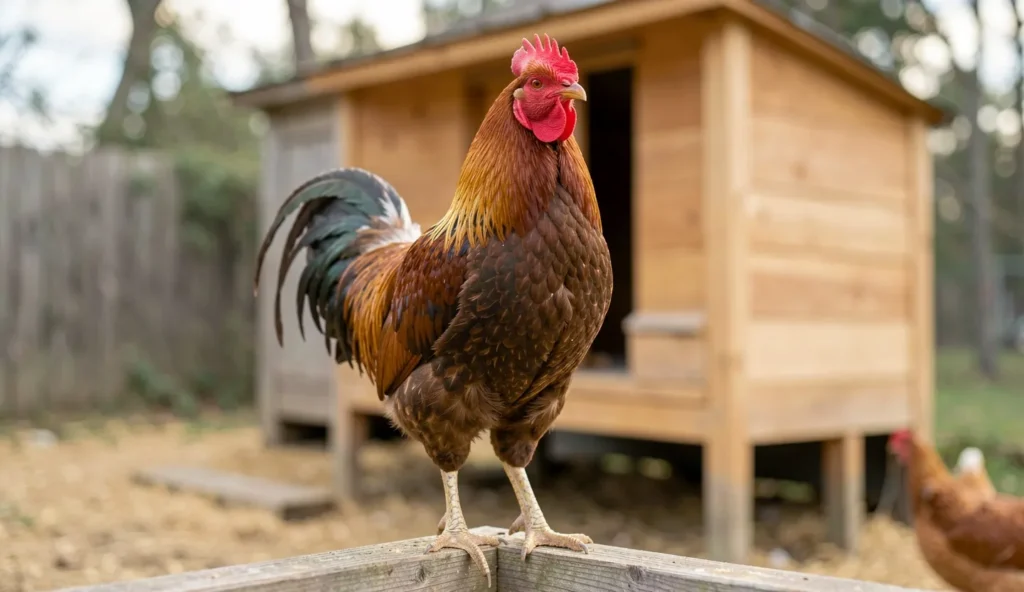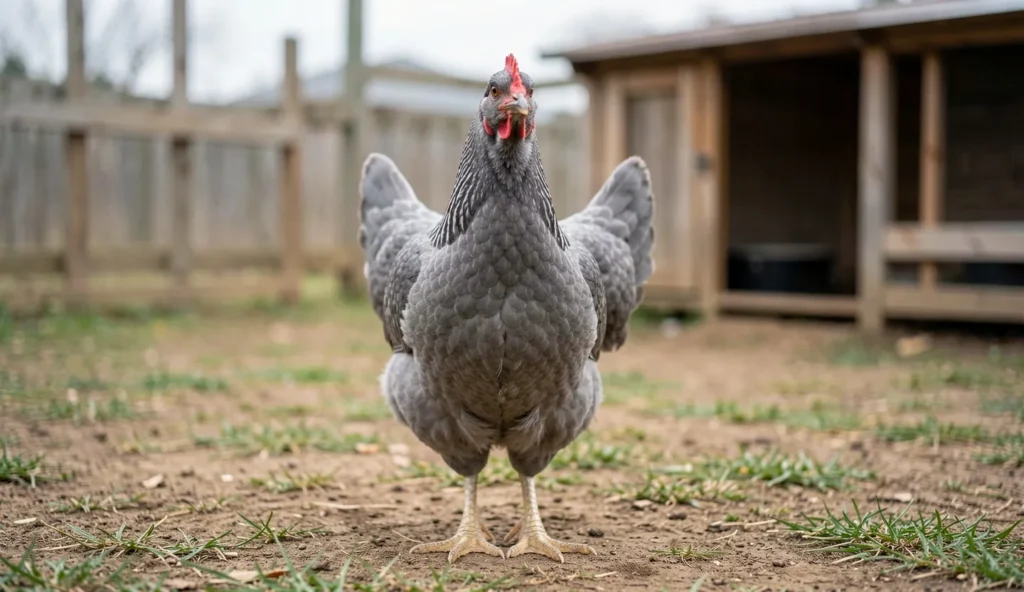
What Is a California Gray Chicken?
The California Gray chicken is a rare dual purpose breed developed in California for both eggs and meat. Many keepers select this bird because it can serve two common homestead goals without requiring specialized breeds. California Gray egg production supports steady table eggs, and the body type also allows raising surplus birds for meat when needed.
As a rare American breed, the California Gray chicken usually appears through specialty hatcheries or private breeder programs. Because fewer flocks maintain breeding lines, availability can vary by season and region. For that reason, California Gray care often starts with planning ahead for chicks, pullets, or breeding stock.
Breed Origin And Why It Is Considered Rare
California Gray chickens originated in California through selective breeding focused on practical homestead outcomes. Breeders aimed to balance a useful laying schedule with enough body mass for meat value. Over time, many producers shifted toward more common egg or meat lines, which reduced the number of breeders maintaining the California Gray chicken breed.
Today, many rare breed collectors track availability and use breeder contacts to find compatible lines. When birds come from different sources, it also matters to compare feather traits and general health history. The term rare American breeds fits this bird because it remains uncommon compared with widely distributed backyard breeds.
Dual Purpose Use Cases
California Gray chickens fit best when one flock must cover both egg laying and meat raising. Hens usually support consistent daily routines, including nesting checks and egg collection. When surplus birds reach a suitable growth stage, some homesteaders process them for meat to reduce waste.
This dual purpose approach helps smaller flocks run leaner setups. Instead of buying separate egg and meat breeds, owners can focus on one line that meets both needs. For guidance on comparing purposes across breeds, many keepers also cross-check traits with common backyard layers such as Plymouth Rock chicken.
Appearance And Key Physical Traits
People usually notice the California Gray chicken’s gray-based feather pattern and the structure that supports both laying and growth. Even though each bird looks slightly different, typical traits help owners identify quality stock early. These visible features also matter because they can influence how birds handle weather and routine care.
Care becomes easier when birds match their expected feathering and body shape. Buyers who understand the physical markers usually select chicks with more predictable development and better compliance with a breeding program. For rare American breeds, consistent appearance also helps maintain collector value over time.
Common Color Pattern And Markings
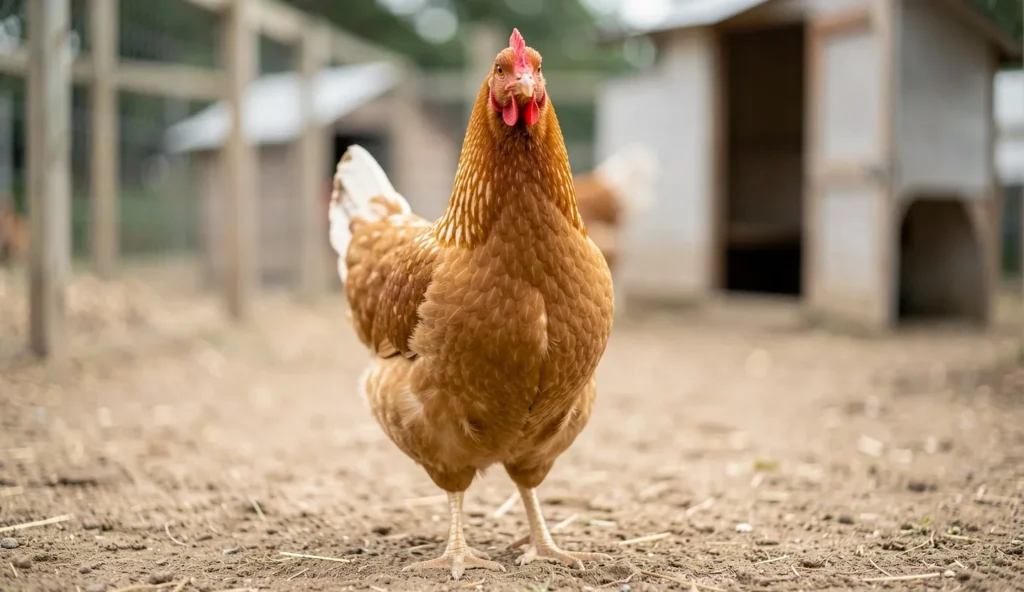
The California Gray chicken commonly shows a gray tone with darker striping or lacing. Some lines appear lighter, and others look more patterned, but the overall effect stays gray-forward. Because shade can vary by breeder line, buyers often evaluate the bird’s pattern consistency rather than one exact color.
When selecting breeding stock, owners typically compare feather edge definition and overall pattern evenness. If one bird shows patchy coverage or odd mottling, it may reflect different ancestry or developmental issues. That observation supports better California Gray breeding basics later on.
Size, Weight Range, And Body Type
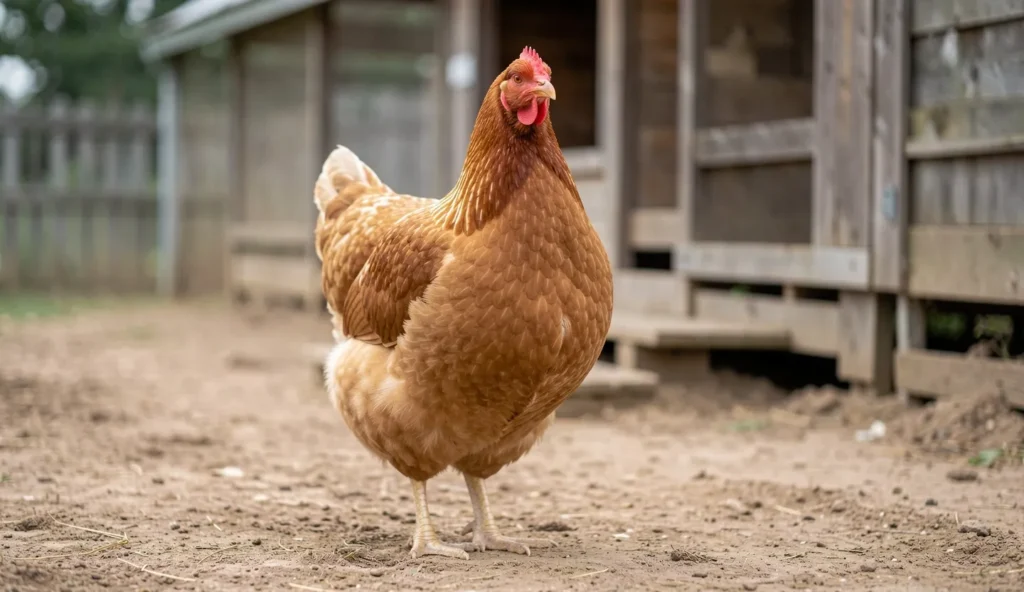
The California Gray chicken usually has a dual purpose frame with enough mass to provide meat potential. However, it typically does not reach the same size as dedicated meat breeds selected for rapid growth. Roosters often show a larger, more upright profile, while hens commonly appear a bit more compact and streamlined.
Owners should expect differences in body shape between sexes, especially as birds mature. These differences matter during handling, because roosters often take up more space at feeders and roosts. When a flock includes multiple birds, the body type also affects how much room each bird needs for movement.
Identification Tips For Buyers
Buyers often look at comb size, early feather development, and overall posture. Smooth, even feathering usually suggests better nutrition and stable brooder care. During selection, it also helps to observe whether young birds act alert and move without obvious stiffness.
Another practical indicator is overall skin and leg condition. Clean, healthy legs and feet support better long-term growth and reduce the odds of complications later. For comparison across breeds with similar backyard goals, some keepers also review Sussex Chicken trait notes before finalizing a purchase.
Temperament And Behavior Around People
Temperament plays a major role in California Gray care because daily handling depends on calm birds. The California Gray chicken is often manageable during coop checks, feeding, and routine health checks. Many owners also appreciate that the birds commonly behave predictably once settled into their environment.
At the same time, individual personality can vary by line, age, and past handling. A new flock introduction should proceed slowly so stress does not affect laying or growth. With consistent care, most birds adapt to routine human contact.
General Disposition And Handling
California Gray chickens often remain calm enough for regular feeding and coop inspections. Owners can typically manage them by using quiet movement and consistent timing. During routine holds for basic checks, birds generally tolerate short handling better than more flighty breeds.
Roosters may behave more assertively than hens, especially in a small coop. That does not automatically mean aggression, but it can change how people approach the yard. For safe handling practice, people should avoid sudden reaching and allow birds to move into position.
Flock Compatibility And Social Needs
When introducing California Gray chickens to an existing group, a pecking order forms quickly. Space reduces stress during that period, particularly around feeders and waterers. If bullying occurs, separating the injured or harassed bird can prevent worsening wounds.
Overcrowding also raises stress and can slow laying. A well-planned coop setup supports healthier social dynamics. If owners keep multiple bird types, they often compare compatibility with Easter Egger Chicken routines because mixed flocks commonly require similar monitoring.
Foraging And Activity Level
California Gray chickens typically use natural foraging behaviors, which supports normal energy use. When free ranging or using an enriched run, birds spend more time scratching and searching for forage items. That activity affects how much feed they consume, especially in seasons with abundant pasture.
Free range setups may reduce feeder waste, but owners should still maintain consistent feed amounts. In contrast, run-only housing often increases reliance on provided feed and treats. Owners can reduce imbalance by measuring feed intake and keeping access to clean water constant.
California Gray Egg Production And What To Expect
California Gray egg production suits homestead routines because hens often produce usable eggs across much of the year. Still, laying performance changes with age, season, and feed quality. A young pullet may show a rise in output, while mature hens may lay more steadily depending on management.
Owners often see seasonal slowdowns when day length changes or after molt periods. Understanding those patterns helps prevent frustration and supports better planning for egg storage. When stress increases, laying can dip even if feed appears correct.
Laying Frequency And Seasonal Patterns
Egg output commonly varies by age and climate, with many flocks slowing in colder months. Daylight plays a role, and molt recovery can temporarily pause laying. Feed balance also affects laying consistency, especially protein and mineral availability for the reproductive cycle.
Many keepers notice that careful routines and stable coop conditions improve how quickly hens bounce back after molt. Sudden changes such as moving coops, switching feed types, or adding new birds can delay laying. That makes stable California Gray care especially valuable during transitions.
Egg Size, Color, And Shell Quality
Eggs from California Gray hens often reflect the breed’s dual purpose selection, with typical sizes that work well for regular household use. Egg color commonly falls within a range seen in many backyard dual purpose lines, though individual breeders and genetics can shift results. Shell quality also depends on calcium intake and overall nutrition.
When shells thin or become soft, owners usually need to review calcium sources and diet consistency. Lighting that changes abruptly can also influence laying rhythms and shell formation. Some owners record egg weight and shell thickness to spot problems early.
How To Support Consistent Layers
Consistent layers usually benefit from balanced feed designed for laying phases. Clean nesting boxes encourage hens to lay where they should, which also reduces egg loss. Owners also support production by keeping water supply steady and preventing overcrowding.
Stress reduction matters, because anxiety can lead to missed nests and behavior changes. When birds must travel to reach feed, laying habits can also shift. For owners comparing routines, checking how African Owl breeders approach environment stability can offer a useful mindset for rare lines, even though it is a different species.
Housing Essentials For California Gray Care
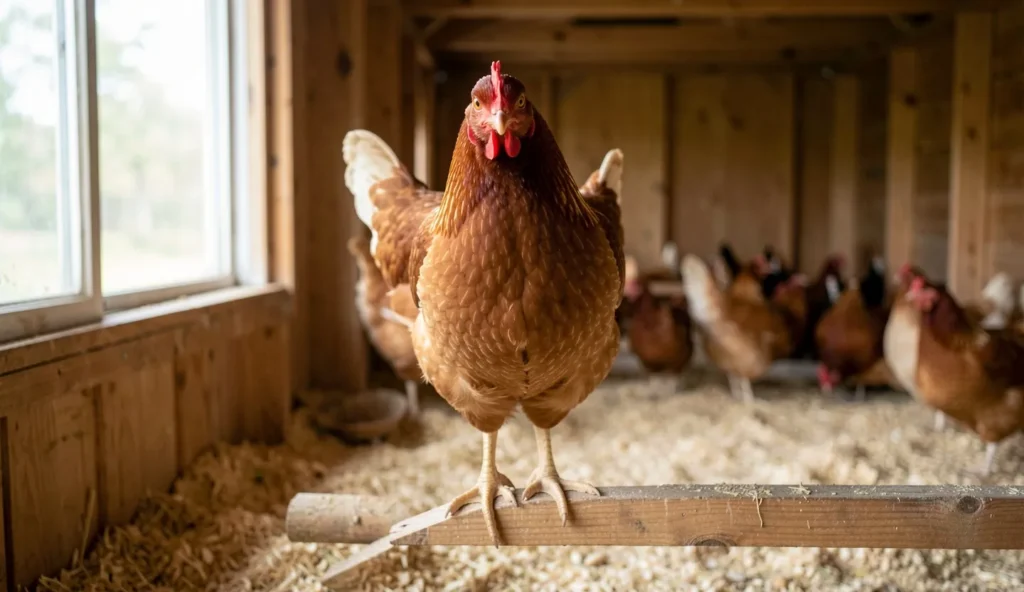
Housing supports both welfare and productivity for the California Gray chicken. A good California Gray coop setup keeps birds dry, ventilated, and protected from predators. At the same time, it should support comfortable roosting and reliable nesting habits.
Homesteaders often treat the coop as a daily workspace because eggs appear there. If bedding stays clean and air flows steadily, birds generally stay healthier and lay in fewer surprising locations. Many issues that look like illness often begin with damp bedding or poor airflow.
Coop Size Ventilation And Roost Setup
Space matters because crowded birds crowd feeders, roost areas, and nesting boxes. Owners should provide enough room for calm movement and normal wing spacing when birds shift positions. Ventilation should remain steady without direct drafts aimed at roosting birds.
Roosts need safe footing and should match the birds’ size. If roosts sit too high or lack grip, birds may injure feet during jumps. Droppings management also supports cleaner bedding, which helps reduce ammonia and reduces respiratory stress.
Nesting Boxes And Egg Collection Habits
Nesting boxes should encourage regular laying by offering dry bedding and a predictable location. Placement matters because drafts and high traffic can discourage hens from entering nests. Owners should also use bedding that absorbs moisture and keeps eggs cleaner.
Regular egg collection supports continued laying behavior. When eggs remain too long, hens may alter nesting habits or develop egg eating behaviors. Routine checks also give early warning signs if a hen starts sitting unexpectedly or avoids nests.
Outdoor Run, Foraging, And Predator Protection
An outdoor run helps protect the flock while supporting foraging behaviors. Secure fencing should prevent common predators, including those that can dig or climb. Covered sections also reduce exposure during heavy rain or intense sun.
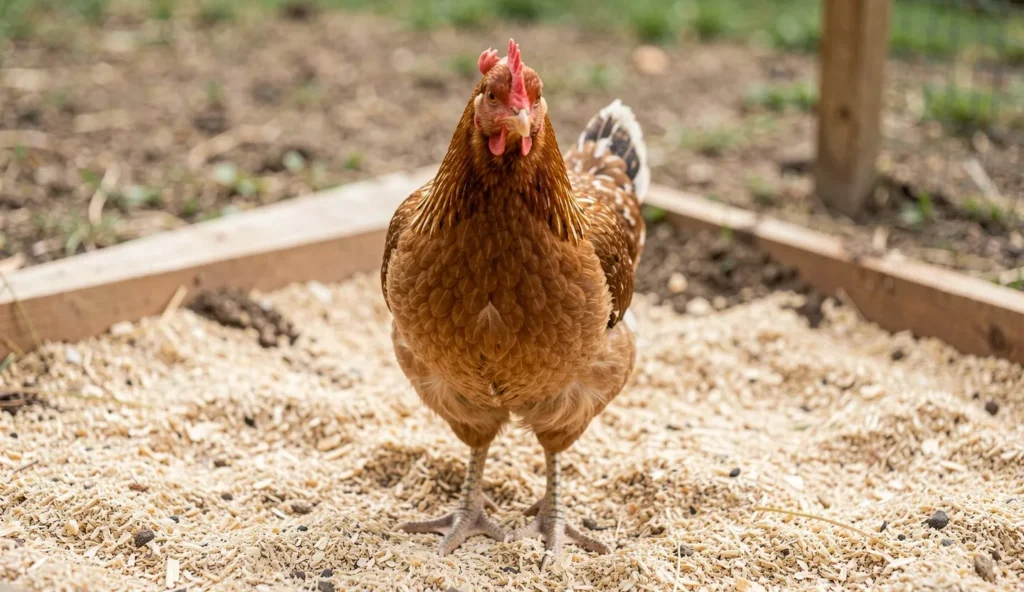
Dust bathing areas improve feather care and reduce pest pressure. Owners can use suitable substrate and keep it dry to maintain good hygiene. If predator threats exist in a region, owners may also review housing strategies used in duck pens, such as those for Khaki Campbell, because both birds need secure run layouts.
Diet And Feeding For Health Growth And Egg Yield
California Gray feeding supports both growth and California Gray egg production. Feeding must match the birds’ life stage, because chicks, pullets, and layers have different nutrient targets. When diet quality stays consistent, birds often maintain steadier body condition and more reliable laying.
Good feeding also reduces common health problems linked to poor digestion or mineral imbalance. Owners can simplify the process by following age appropriate feed labels and measuring treat amounts. Over time, small adjustments help birds match local forage and weather demands.
Base Diet For Hens And Growing Birds
Chicks typically need starter feed formulated for growth, while pullets transition to grower diets before layer feed. Hens that lay regularly usually need balanced layer rations to maintain consistent egg output. Fresh water must stay available at all times because dehydration can reduce appetite and laying.
Owners should also consider energy needs during cold weather. If birds eat more to stay warm, adjusting feed amounts helps prevent waste while still meeting nutrition. For farms that also raise other poultry types, feed timing becomes a shared management routine.
Calcium, Grit, And Supplement Needs
Calcium supports shell formation and helps protect bone strength in laying hens. Many owners provide calcium through a balanced layer feed plus supplemental calcium sources if diet labels do not include enough. Grit can assist digestion for birds that forage, though requirements depend on feed type and yard conditions.
Unnecessary supplements can create nutrient imbalances, so owners often rely on complete rations first. When problems arise, owners can adjust based on symptoms rather than adding multiple products at once. If a flock also keeps ducks, comparing digestion support methods can help, such as in Cayuga Duck care planning.
Treats, Forage, And What To Avoid
Treats should remain limited to protect diet balance and avoid too much fat or sugar. Safe greens and occasional protein sources can add variety while still staying within reasonable limits. Owners should also avoid salty foods, spoiled scraps, and anything that appears moldy.
Foraging can support natural behavior, but it also changes how much feed birds consume. Owners can manage this by monitoring body condition and adjusting feed amounts rather than changing feed brands too frequently. Consistent water quality also reduces stress and digestive issues.
Handling Temperament During Training And Routine Care
Routine handling supports better welfare for the California Gray chicken. When birds learn predictable steps, owners can complete health checks with less stress. This calm approach supports better laying behavior and more reliable day to day management.
Training in poultry usually means consistent movement and gentle timing, not forced actions. Owners can keep the process short and repeat it in similar order each day. Over time, fewer surprises occur during weighing, coop checks, and egg collection.
Gentle Handling Techniques
Owners should approach calmly and use consistent routines for feeding and catching. During brief holds for health checks, support helps prevent strain on legs and wings. Minimizing time in restraint reduces panic and prevents injuries from thrashing.
When moving birds between areas, keep the environment familiar and quiet. Sudden changes in temperature and noise can cause stress that affects laying and appetite. Gentle handling also helps when separating injured birds for recovery.
Health Checks That Fit Daily Schedules
Daily checks can focus on comb color, posture, and breathing quality. Owners can also watch for feather condition and normal droppings to spot issues early. Feet and legs require inspection for sores, swelling, or abnormal walking.
Consistent records make it easier to detect patterns, such as changes in appetite or output. If multiple birds show similar symptoms, owners should check the coop environment such as ventilation and bedding moisture. For rare breed flocks, early detection helps protect valuable lines.
Litter And Bedding Change Timing
Keeping bedding dry reduces odors and helps limit parasite pressure. Spot cleaning daily helps maintain a healthier surface for walking and roosting. Owners should change bedding when it becomes wet, caked, or heavily soiled.
Ventilation plays a role in bedding dryness, especially during rain or humid seasons. If bedding stays damp, even for a short period, ammonia can rise and irritate birds. In that case, improving airflow typically supports recovery.
Common Health Issues And How To Prevent Them
Health issues in California Gray chickens often relate to pests, moisture, or nutritional imbalance. Preventive care works best when it starts with clean housing and regular observation. When issues appear early, most problems respond better than when owners wait for severe symptoms.
Because California Gray care targets both eggs and growth, health problems can affect performance quickly. Owners should treat husbandry checks as part of daily work rather than occasional tasks. That approach also helps protect other birds in the yard.
Parasites And External Problems
Birds can develop mites and lice, often around roosts and nesting areas. During coop inspections, owners can check feather surfaces and skin for irritation. Regular cleaning reduces habitat for parasites, and targeted treatments can help if an infestation appears.
Owners should avoid using harsh products without clear directions, since improper treatment can stress birds. When birds show heavy feather damage or restless behavior, it may indicate external parasites. Early action usually limits spread to the rest of the flock.
Respiratory And Wet Bedding Risks
Wet bedding can raise ammonia levels, which affects breathing and overall comfort. Ventilation and bedding dryness remain the main prevention steps for many respiratory issues. If birds show coughing, open mouth breathing, or lethargy, owners should evaluate the coop immediately.
Sick birds may need isolation to limit exposure. Owners can reduce risk by improving ventilation and removing damp litter quickly. Keeping bedding fresh also supports better walking surfaces and fewer foot problems.
Egg Related Issues And Nutritional Problems
Soft eggs often connect to calcium balance, lighting changes, or feeding inconsistency. Stress, overcrowding, and sudden routine shifts can contribute to reproductive issues. In laying hens, prolapse risks increase when birds face persistent stress or poor nesting access.
Nesting access should support calm egg laying with minimal disturbance. Owners should also check that hens can reach food and water easily without crowding. If symptoms appear, nutritional review and husbandry adjustments usually come first before more complex interventions.
When To Seek Veterinary Help
Veterinary help becomes necessary when birds show labored breathing, persistent lethargy, or inability to stand normally. Owners should also seek care for injuries, severe diarrhea, or bleeding that does not improve. Detailed notes about feed changes, symptoms, and timing can improve outcomes.
For rare American breeds, fast action protects both welfare and breeding plans. When a valuable bird stops eating, every hour matters because dehydration can worsen quickly. A basic emergency plan also reduces delays during urgent events.
Breeding Basics For Maintaining A Rare Line
Breeding California Gray chickens helps preserve rare dual purpose genetics. Success starts with selecting healthy birds with good vigor and typical traits. Because the breed remains uncommon, maintaining line quality requires careful choices and predictable management.
Owners who plan breeding often focus on body type, feather development, and general health rather than only appearance. When birds enter the breeding season in good condition, incubation and chick growth also improve. That makes California Gray breeding basics a key part of long-term collector goals.
Selecting Birds For Vigor And Trait Consistency
Breeders often select hens and roosters with good health, normal feathering, and stable body condition. Matching birds with desirable feather traits and useful frame supports both collector expectations and practical meat potential. Owners also consider egg production history when choosing layers.
Prefer birds that perform well for their age and handle daily routines without weakness. If possible, keep breeding pairs from similar lines to prevent undesirable trait drift. Tracking sources helps rare breed collectors plan future pairings.
Incubation And Brooding Essentials
Incubation starts with egg storage and timing before setting eggs. Eggs usually need stable temperature conditions and consistent humidity targets depending on the incubator type. During incubation, avoiding big temperature swings reduces embryo loss.
Brooding should provide warmth and prevent drafts since newborn chicks cannot regulate body heat well. A clean brooder with secure bedding helps keep chicks dry. Owners who already manage ducks may find the routine familiar, including keeping heat stable similar to Silver Appleyard Duck setups.
Raising Chicks For Strong Growth
Chicks require chick starter feed with fresh water daily. Owners should prevent chilling by using reliable brooder heat and monitoring chick behavior. If chicks cluster tightly under heat, it often signals they need more warmth, while spreading widely can indicate excess heat.
Outdoor time should increase gradually to avoid stress from temperature and activity changes. A slow adjustment helps reduce feather damage and digestion stress. Good chick care supports later laying and meat readiness, which matches the breed’s dual purpose role.
Starter Checklist For New California Gray Owners
A new flock works best when setup matches the California Gray chicken’s needs from day one. A checklist approach reduces missed steps and helps keep birds healthy while adjusting to a new environment. California Gray care becomes easier when coop, feed, and protection are already planned.
Homesteaders often begin with housing first because housing issues can affect laying and health quickly. Once housing supports dryness and ventilation, owners can refine feeding and routine handling. That order prevents problems from repeating.
Coop And Run Setup Checklist
Owners should verify the coop and run support daily movement, roosting, and nesting behavior. Predator proof fencing matters because secure outdoor access protects valuable breeding stock. A dust bathing area also helps maintain clean feathers and supports comfort.
- Provide ventilation without direct drafts
- Use enough space to reduce bullying
- Install roosts with secure footing
- Place nesting boxes away from heavy traffic
- Secure fencing against digging and climbing
- Add covered run areas for weather protection
- Include dry dust bath substrate
Feeding And Water Basics Checklist
Diet and water routines can stay simple when they match life stages. A steady supply helps layers build consistent production habits. Calcium access supports shell quality, especially as hens begin laying cycles.
- Use chick starter for young birds
- Use grower diets before switching to layers
- Offer calcium for laying hens when needed
- Check waterers daily and clean regularly
- Provide grit when recommended for the age
Health And Management Checklist
Daily observation helps identify problems early, which matters for both rare breed collectors and homesteaders raising meat birds. Spot cleaning keeps bedding dry and reduces pest habitat. Parasite checks also support long-term performance and comfort.
- Watch posture, breathing, and appetite daily
- Spot clean litter and replace wet bedding
- Check roost areas for mites or lice signs
- Plan a vet option for urgent emergencies
- Record egg production and behavior changes
With a practical setup and routine, California Gray egg production and general health can align with homestead expectations. When management stays consistent, the breed’s dual purpose role becomes more reliable. That reliability helps owners plan feed, egg output, and growth schedules with less uncertainty.
Frequently Asked Questions
How Many Eggs Per Week Does A California Gray Chicken Typically Lay?
Egg output varies by age and season, and steady layer management supports more consistent weekly laying.
What Coop Size Is Recommended For California Gray Chickens?
Use space per bird to reduce stress and bullying, and provide adequate ventilation and dry bedding.
Are California Gray Chickens Good For Beginners?
They are generally manageable with routine care, especially consistent feeding, clean litter, and secure housing.
What Should California Gray Chickens Eat For Best Egg Production?
Feed age appropriate layer or grower diets and add calcium to support shell quality and bone health.
How Can California Gray Owners Reduce Common Health Problems?
Keep bedding dry and provide clean ventilation, and check birds regularly for parasites and early illness signs.
Do California Gray Chickens Raise Well For Meat As Well As Eggs?
The breed is selected as a dual purpose option, and some owners process birds when they reach suitable weight.
Final Care Notes For A Rare Dual Purpose Flock
California Gray chickens reward consistent housing, balanced feeding, and careful record keeping. With steady routines, the breed’s rare dual purpose traits can support both eggs and meat goals.