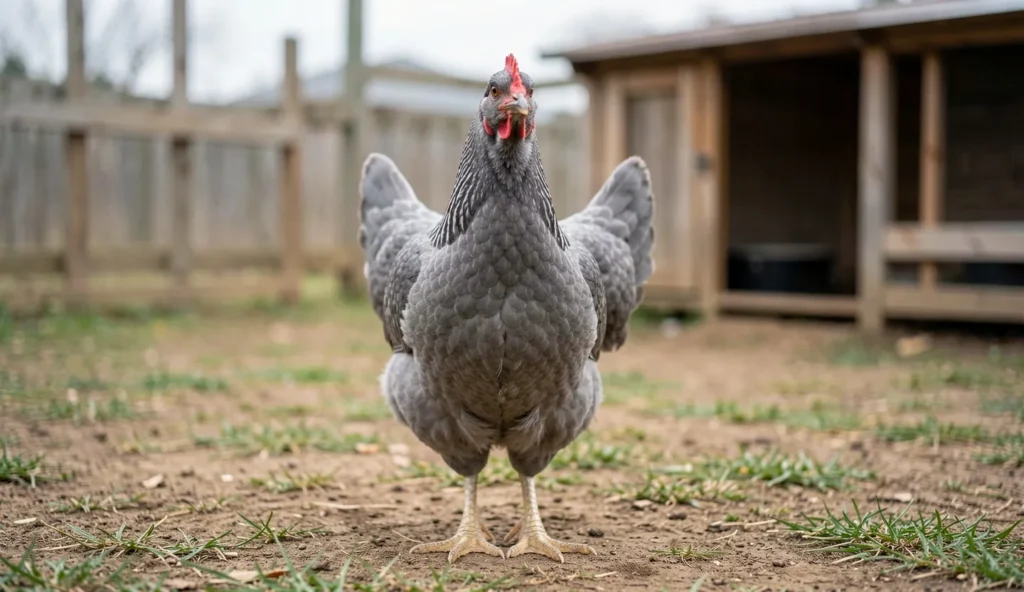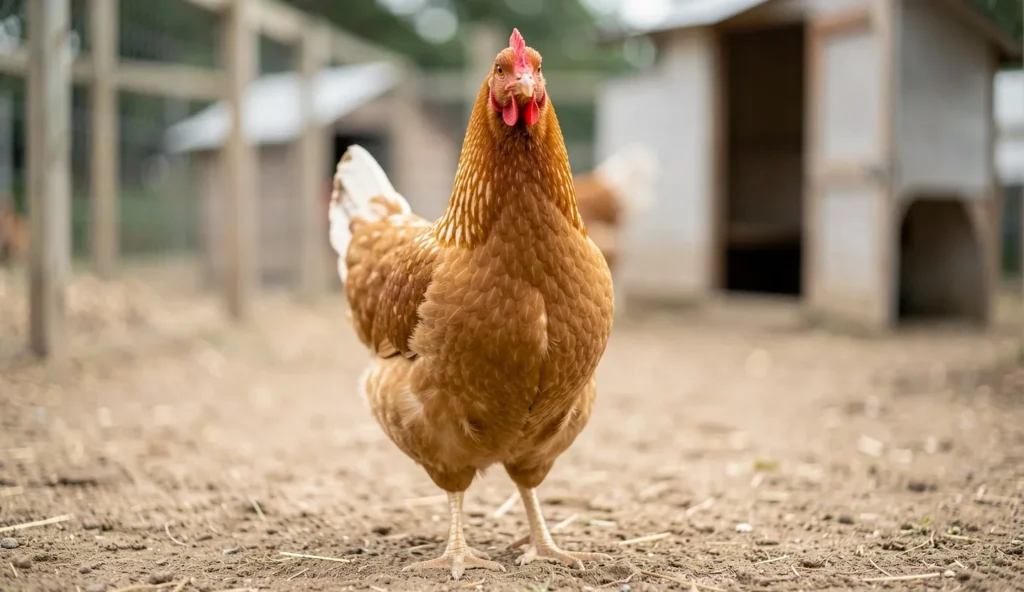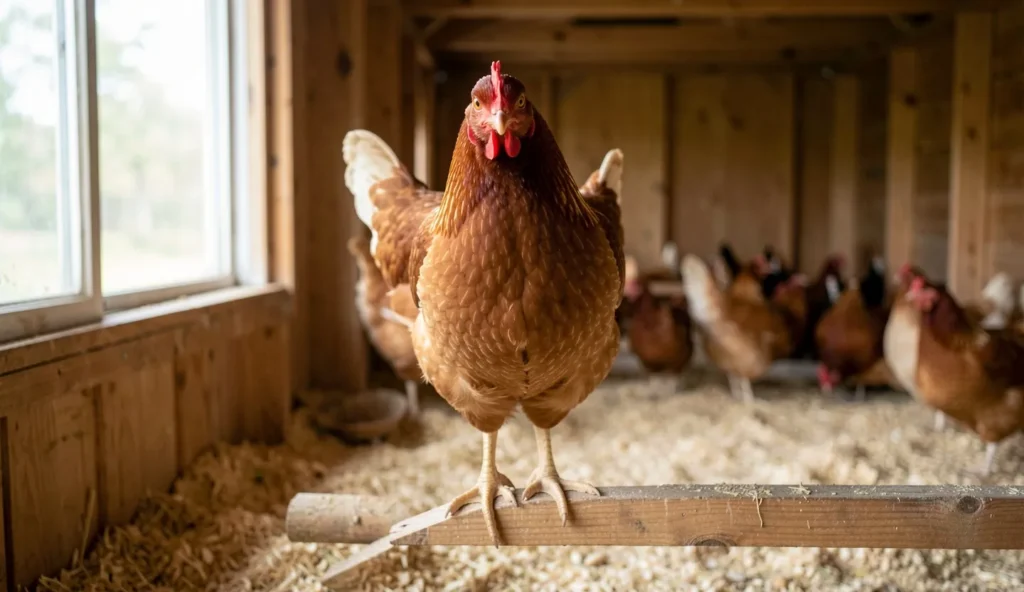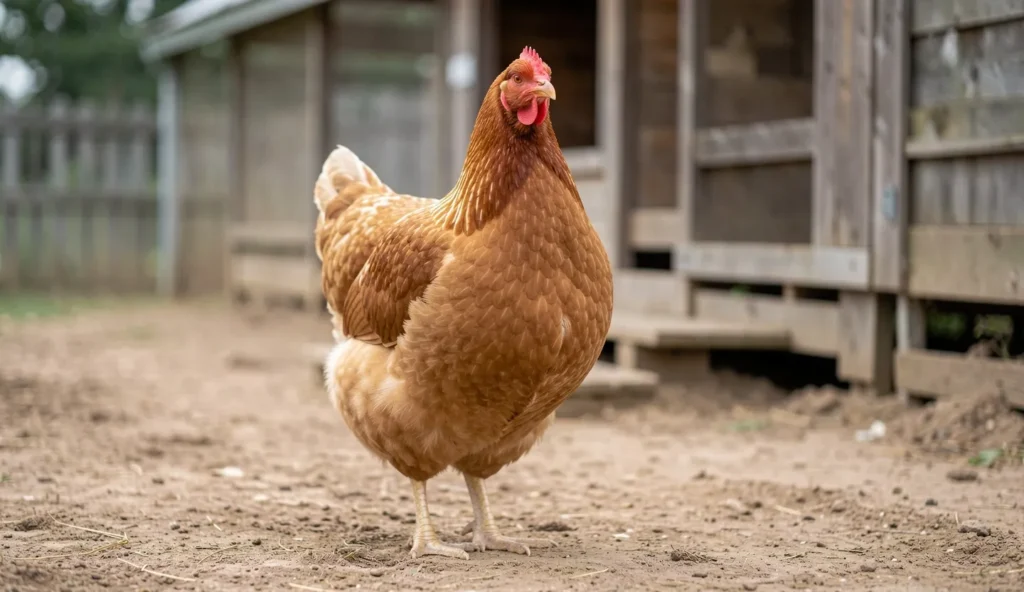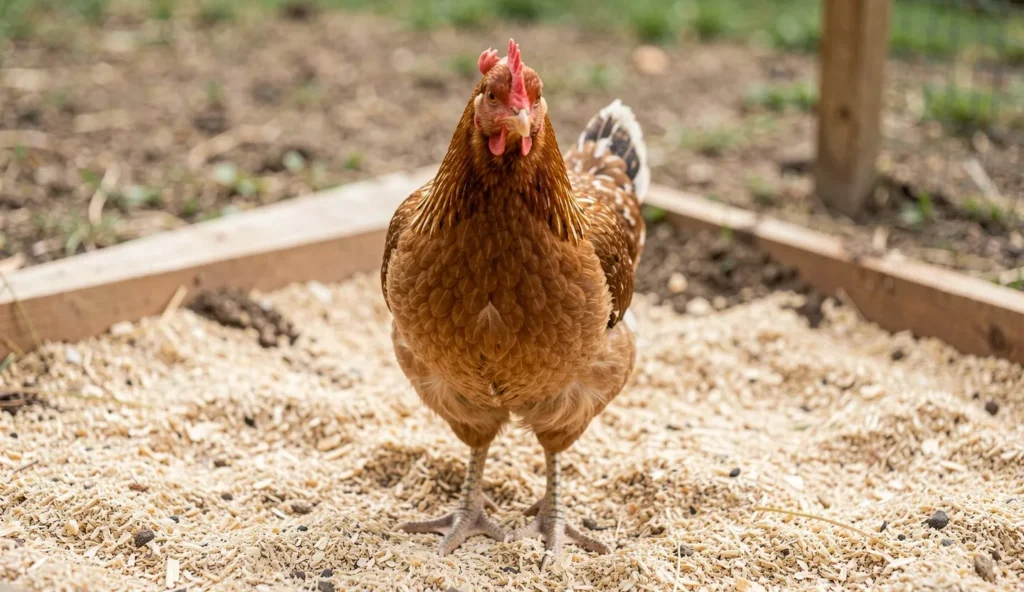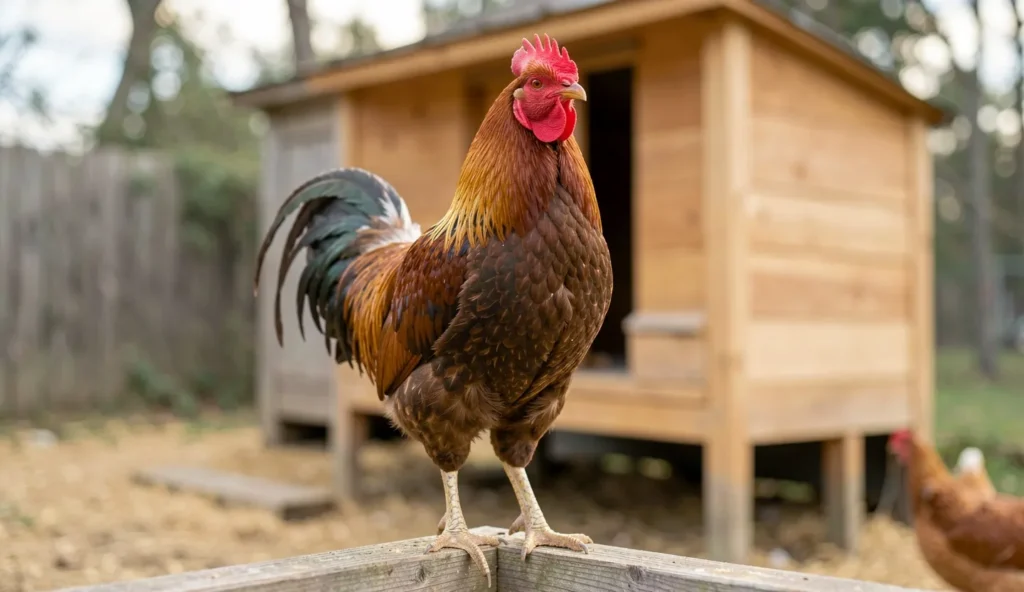
What Is a Bergische Kraher Chicken?
The Bergische Kraher chicken is a German rooster breed known for exceptionally long crowing. It comes from the Bergisches Land region and remains a rare choice among German chicken breeds. The standout trait is the extended crowing ability, which breeders often track over multiple days and seasons.
Because this bird often gets selected for performance, the Bergische Kraher crow can vary even within the same general line. Many keepers focus on repeatable sound output and stable behavior during the morning routine. For people interested in rare breeds, this rooster fits well when patience and record keeping come naturally.
Breed Origin And Recognition
Bergische Kraher roosters link to the Bergisches Land region of Germany. Over time, keepers treated the breed as a heritage or rare breed outside mainstream production lines. Today, it often gets maintained through small breeding programs focused on crowing performance.
As a result, recognition typically comes from breeders and enthusiasts who care about long crowing. When records exist, they usually show crow timing, tone, and general health. That focus helps the breed stay recognizable across generations.
The Long Crowing Trait In Plain Terms
The long crowing trait means the crowing call lasts longer than what many keepers expect from typical crowing rooster breeds. The Bergische Kraher crow is not only about loudness, but also about duration and consistency. Some keepers also notice that tone can shift slightly with the bird’s comfort level.
Crowing style can improve or decline depending on the line and the keeper’s routines. Training does not replace genetics, but it can support comfort during crow windows. Breeders commonly prioritize consistency, because one long crow on one day does not prove long crowing performance.
Common Names And What To Look For
Many keepers call the breed Bergische Kraher, sometimes shortening the name in day to day notes. Long crowing is the core identifying feature that makes the rooster stand out to crowing enthusiasts. A calm, alert bird often shows strong performance compared with stressed or dull birds.
When selecting, keepers typically evaluate general condition first. They also look for visible health signs such as clean feathering and bright eyes. If records exist for hatchmates or parents, those notes help predict future outcomes.
Appearance And Physical Features
The Bergische Kraher chicken looks like a compact, upright German rooster suited for both backyard keep and show selection. Physical balance matters because it often correlates with general vitality and good posture. Even for beginners, visual cues can guide breeding decisions without complex measurements.
While color and comb details may vary by line, the most useful identification signs include alert head carriage and quality feather condition. Keepers generally select birds that appear comfortable while standing, moving, and settling on perches. That comfort can support long crowing, since stress often suppresses vocal behavior.
Typical Size Build And Stance
This rooster usually shows a compact body with an upright stance. Balance and posture matter for show and breeding selection, especially when the bird stands still. Roosters often show a more pronounced throat and head carriage during active moments.
Thorough selection starts with simple observation in the pen. Birds that hold posture well and move with ease often do better in calmer flocks. That does not guarantee long crowing, but it improves the odds of stable performance.
Head Comb And Facial Features
Comb shape can vary by line and by the specific breeding emphasis. Facial features, including wattles and skin around the head, should look proportionate and healthy. Good feathering around the head and neck supports both comfort and overall appearance.
Keepers also watch for signs of irritation, since itchy skin often leads to rubbing and damaged feathers. During selection, the goal stays simple. Healthy facial features usually pair better with consistent morning behavior.
Feathering And Color Patterns
Feather quality matters for general health and for how the bird carries itself. Some color varieties can appear depending on the breeding line and how breeders select for traits. When feather condition stays stable, roosters typically feel more comfortable during daily routines.
Because long crowing is a performance trait, keepers often connect stable feather quality with better day to day coping. If feathers look rough or thinning around the neck, stress or parasites may be involved. Those issues can indirectly reduce vocal output.
How To Identify Strong Crowing Lines Visually
Strong crowing lines often show good overall condition and alertness in daily handling. Dull eyes or rough feathering can signal health or comfort problems that may suppress the Bergische Kraher crow. If records exist from parents or hatchmates, selection based on documented duration usually beats guesswork.
To support fair selection, keepers can observe birds under similar lighting and quiet morning conditions. Performance comparisons work best when the routine matches. That approach also reduces confusion about whether a bird sounds different due to environment.
For keepers familiar with pigeon breeding records, the same idea applies when tracking rooster calls. Careful documentation works across species, and the mindset used in projects like Thuringer Pouter performance tracking can translate to poultry notes.
Temperament And Behavior Around People And Flocks
Temperament plays a direct role in crowing behavior, especially in the early morning. The Bergische Kraher chicken typically stays alert and active, with more vocal interest during quiet times. Many keepers report better routine handling when the bird feels secure rather than cornered.
Alongside people, flock interactions affect stress levels. Some lines stay more vocal and territorial during breeding season, which can change daily behavior for both roosters and hens. That influence matters because stress can reduce long crowing consistency.
General Personality Traits
Bergische Kraher temperament often trends toward active and attentive behavior. Many roosters become more noticeable at dawn, when the environment feels calm and stable. Some birds also adapt well to routine handling, which helps prevent fear responses.
However, not every line behaves the same way. Certain breeding lines can become territorial, especially when other roosters compete for space. A keeper who controls flock structure often supports steadier crowing.
Rooster Behavior And Crowing Triggers
Crowing often increases at dawn and during calm quiet moments. Competition with other roosters can reduce consistency, because the bird switches attention to guarding or dominance. Pairing choices and spacing often help reduce the number of stressful confrontations.
Quiet feed times and predictable light schedules also support vocal routine. Sudden noise or frequent disturbance can suppress crowing, even in a naturally long crowing line. When a rooster feels safe, the call often returns to expected patterns.
Compatibility With Hens And Other Birds
This rooster often fits best in small groups with one primary rooster and hens in a separate ratio. Introductions should happen slowly to reduce pecking and bullying. Enough space and multiple feeding stations can reduce crowd friction.
If aggressive behavior appears, separation can protect both birds and preserve health. In practice, keepers often use calmer flock management to preserve the conditions needed for long crowing. That approach aligns with responsible breeding and welfare goals.
When setting up a mixed flock, similar space logic applies to larger poultry like Australorp chicken. Stable group planning helps reduce stress and supports steady daily routines, even though temperament traits can differ by breed.
Exercise And Enrichment For Long Crowing Performance
Exercise supports general health, and general health supports the ability to perform long crowing. The Bergische Kraher crow often emerges when the rooster feels comfortable during morning activity. For that reason, enrichment should aim for routine movement and low stress.
Overcrowding tends to increase friction and reduces rest quality. When the rooster has safe places to move, forage, and rest, the environment supports consistent vocal behavior. That balance usually matters more than intense exercise programs.
Daily Movement Needs
Daily movement should include yard access or a covered run for regular foraging. Scatter feeding encourages natural walking and pecking, which increases activity without adding stress. Overcrowding should stay avoided, because it increases conflict around food and water.
If space allows, foraging time can fill multiple parts of the day. That support also helps the rooster maintain a stable appetite, which in turn supports vocal routine. For many owners, simple changes to daily access create noticeable improvement.
Environmental Routines That Support Consistent Crowing
Consistent feeding schedules and light timing can support predictable behavior. Sudden changes to routine can interrupt the morning vocal window that long crowing enthusiasts watch. Reducing sudden noise and frequent handling near crowing times often helps.
Perches also matter, because safe resting supports calm behavior. Providing perches at heights appropriate for the bird’s size can reduce slips. A rooster that rests comfortably tends to return to normal patterns more reliably.
Enrichment Options That Are Practical For Beginners
Enrichment options can stay simple, especially for beginners. A scratch area with dry soil or sand supports natural dust bathing behaviors. Leafy greens can also provide browsing opportunities without complex preparation.
Object-safe foraging can work using clean containers that encourage pecking. Keep enrichment consistent and avoid creating sudden competition for the items. This steady approach supports both welfare and consistent long crowing.
For keepers also working with active birds, comparing routines can help. For example, the activity level often seen in Leghorn chicken can guide expectations around movement and foraging, even if crowing style differs.
Training For Extended Crowing Ability
Extended crowing often depends on genetics first, but training can support conditions for the bird to perform. The Bergische Kraher crow may look more consistent when a rooster feels safe, comfortable, and well fed. Training should never treat vocal behavior as something forced through stress.
Practical keepers use routine based observation and gentle handling. They also track performance over time instead of reacting to one unusual moment. This approach supports ethical breeding goals and helps preserve rare breeds.
What Can And Cannot Be Trained
Breed lines strongly influence crowing length and tone, and training cannot replace genetics. What training can do is support comfort, reduce fear responses, and improve routine familiarity. Record keeping helps identify which birds perform best under stable conditions.
Because long crowing is a trait, keepers often evaluate multiple days of notes. Even excellent lines can sound different when health or environment changes. That is why stable routines and consistent housing matter.
Routine Based Training Methods
Routine based training begins with observation during consistent morning windows. Calm and predictable approaches during feeding help the rooster associate the time period with comfort. Avoid mixing unfamiliar roosters near crowing times, because the bird may shift to guarding behavior.
Training sessions should feel invisible to the bird. The goal stays low pressure, not repeated stress. Over time, the rooster usually performs more consistently when daily triggers stay stable.
Managing Stress So The Crow Is Not Suppressed
Stress can suppress vocal behavior and reduce appetite, which then affects energy used for crowing. Housing should stay dry, and fresh water must remain available. Bullying birds should be separated when needed to protect the long crowing rooster.
Many issues that cause stress are preventable with careful flock planning. Damp bedding, sudden temperature swings, and loud disturbances can all interfere. A stable coop environment supports welfare and helps the crowing rooster maintain focus.
Measuring Long Crowing Performance
Measuring does not need complicated tools. Keepers can use simple timing for crow duration during consistent windows and compare results day to day. Comparisons work best when conditions remain similar, including time of day and flock structure.
Performance priorities should focus on repeatability. A one off long crow can happen, but consistent long crowing performance over time carries more value for breeding selection. This method supports responsible preservation of rare breeds.
Some keepers who also work with other German heritage breeds apply similar measurement habits. For example, Bergamasco Shepherd owners often track coat condition over time for selection, and the discipline translates well to performance logging.
Grooming And General Care Tips
Grooming supports health, comfort, and feather quality, which can affect how the bird carries itself while crowing. The Bergische Kraher chicken benefits from consistent routine checks rather than occasional deep cleaning. When keepers maintain dry bedding and monitor feet, they reduce the chance of problems that can suppress the Bergische Kraher crow.
Care also includes observation during the crowing season. Early detection often leads to faster action, especially for parasites and minor injuries. This section focuses on simple daily steps and weekly maintenance.
Daily Care Checklist
Daily care should include an appetite and water check each morning. Bedding should stay clean, and wet spots should get removed quickly to reduce respiratory strain. Feet and legs should be inspected for swelling or sores, especially around perching areas.
During routine checks, keepers can also observe alertness and comfort. If the rooster acts unusually quiet or avoids the front of the pen, health review becomes necessary. Early attention can protect both the bird and the long crowing routine.
Feather And Skin Maintenance
Feather and skin maintenance starts with looking for mites and feather loss around the neck and comb area. Dust bathing areas support natural skin care, and dry conditions help prevent irritation. During molting, keep nutrition steady to support feather regrowth.
Whenever feather loss accelerates or skin looks raw, parasite checks become urgent. A rooster under feather stress often feels uncomfortable, and that discomfort may reduce vocal behavior. Comfort support often helps preserve extended crowing.
Cleanliness And Coop Hygiene
Cleanliness reduces respiratory risk and supports overall vitality. Dry bedding helps limit ammonia buildup, and it also reduces foot issues. Waterers and feeders should get cleaned regularly to prevent bacterial buildup.
Spot cleaning daily and full refresh on schedule work better than waiting until the coop becomes dirty. This approach keeps the environment stable, which supports long crowing performance. Stable routines often matter more than dramatic cleaning efforts.
Basic Health Monitoring During The Crowing Season
During the crowing season, keepers should monitor weight and droppings consistency. Watch for abnormal breathing or reduced activity, because those signs can change how the bird performs. If illness appears, isolation can reduce spread and allow faster treatment.
Veterinary guidance should guide serious cases. Early action often improves outcomes, especially for respiratory or gastrointestinal problems. A healthy rooster usually performs the Bergische Kraher crow with more consistency.
For owners building hygiene habits across poultry types, maintenance patterns can help. For example, backyard flocks that include Rouen Duck benefit from dry bedding and routine water cleaning, even though ducks have different needs.
Diet And Nutrition For Healthy Hens And Roosters
Nutrition supports body condition, feather health, and breeding readiness, all of which affect crowing behavior. A well fed Bergische Kraher chicken typically maintains stable energy for the morning routine. Diet also supports immune function, which helps keep the bird active and comfortable.
Feeding should stay consistent across seasons. Sudden changes can upset digestion and reduce appetite, which may indirectly suppress long crowing. Because rare breeds can be sensitive, careful feeding helps protect performance and health.
What To Feed As A Foundation
The foundation diet should use a complete poultry feed as the main ration. Formulations should match life stage, including starter or grower options for young birds. If local feeding systems require it, grit can support digestion for foraging style feeding.
Roosters can maintain condition well when feed stays balanced and portion sizes remain steady. Overfeeding tends to cause health and fertility issues, while underfeeding reduces energy for normal routines. Stable feeding supports both welfare and crowing consistency.
Treats And Foraging Foods
Treats can include greens and limited kitchen scraps when they remain safe for poultry. Sugary or salty foods can upset balance and should get avoided. Treat amounts should stay modest to prevent digestive stress.
For foraging, scatter feeding safe greens encourages movement without heavy calories. A rooster that forages calmly often returns to routine behavior faster. This calm routine supports the extended crowing behavior enthusiasts want to track.
Water Minerals And Supplements
Fresh clean water must remain available, because dehydration affects energy and comfort. For laying hens, oyster shell can support calcium needs when appropriate. Supplements should get avoided unless a deficiency is confirmed by guidance or local testing.
Mineral balance matters for feathers and general metabolism. If the flock uses a stable complete feed, that feed often provides the base minerals needed. Keepers usually focus on water quality and cleanliness first.
Nutrition Support For Breeding And Molt
Higher quality protein supports feather regrowth during molt and supports general condition. During breeding periods, maintaining stable body condition helps fertility and mating behavior. Overfeeding should stay avoided, because excess weight can harm breeding health.
Nutrition planning should account for age, body condition, and seasonal changes. A steady feeding plan supports both hens and roosters and helps protect long crowing performance in breeding season. Consistency helps reduce stress at the same time.
Common Health Issues And When To Get Help
Health problems often reduce vocal output, so early detection matters for crowing enthusiasts. The Bergische Kraher chicken may face common poultry issues like mites, respiratory irritants, and digestive problems. When keepers respond quickly, the rooster often returns to normal behavior.
Prevention relies on hygiene, dry bedding, and routine checks. Even rare breeds benefit from standard poultry welfare steps. This section covers typical issues and clear warning signs.
Parasites And External Issues
Mites can affect feather condition and comfort, especially around the comb and vent area. Routine checks can identify early signs before irritation becomes severe. Poultry safe treatments should follow instructions from knowledgeable sources or a veterinarian.
Legs also require attention, since feather loss and itching can lead to damage. When the rooster feels uncomfortable, crowing may reduce. Comfort support often protects extended crowing performance.
Respiratory And Digestive Problems
Damp bedding increases respiratory risk, especially when ammonia builds up. Watch for diarrhea, reduced appetite, or unusual droppings that signal digestive trouble. Ammonia exposure can also cause lingering breathing issues.
Isolating sick birds reduces spread within the flock. Then, veterinary input guides safe treatment. Many problems become easier to manage when the keeper acts early.
Injuries And Mobility Concerns
Feet can develop cuts or swelling, especially when perches are too high or slick. Bumble like swelling can appear, and keepers should inspect feet after changes in bedding or flooring. Perch heights should match the bird’s size to prevent slipping.
Sharp hazards in runs and coops should also get removed. Mobility discomfort can reduce activity and suppress vocal behavior. A comfortable rooster usually returns to normal routines more quickly.
Breeding Season Health Checks
Breeding season increases fighting and stress when roosters compete closely. Keepers should monitor for fighting wounds and adjust spacing to prevent injury. Mating behavior should also get checked for excessive aggression.
Nutrition and hydration remain critical during breeding season. When birds become run down, crowing and mating may both change. Stable health protection supports both long crowing and responsible breeding.
Breeding Basics And Breed Preservation Practices
Breeding decisions drive the future of this rare German rooster breed. For preservation, the goal stays focused on maintaining long crowing and supporting healthy birds. The Bergische Kraher chicken benefits from careful selection, documentation, and responsible mating plans.
Because lines may carry differences, breeders often use performance notes rather than relying on appearance alone. When records exist, they can show which birds consistently deliver extended crowing. This section outlines practical breeding steps.
Selecting Breeding Stock For Long Crowing
Selecting breeding stock starts with records of crow duration and repeatability. Health and feather condition should also guide selection, because performance requires a comfortable bird. Prefer breeding from proven long crowing lines with stable behavior under routine conditions.
Posture and head carriage can also support selection decisions. Still, the most valuable proof comes from consistent crowing performance records. Over time, this approach helps preserve rare breeds and their signature trait.
Mating Ratios And Group Management
Mating ratios often focus on reducing intense competition between roosters. When aggression happens, separate pens can protect birds and maintain welfare. Introductions should follow a plan that reduces injury risk for both roosters and hens.
Even when the goal includes long crowing, breeding management should prioritize calm flock structure. Stress and fighting harm health, which then affects both crowing and fertility. Gentle planning supports better outcomes for the breeding season.
Incubation And Hatching Considerations
Incubation starts with clean egg handling and consistent storage. Eggs should be tracked with dates and source identity to support record keeping. Incubation conditions must stay stable, including temperature monitoring.
Chicks require proper brooder heat and safe flooring to prevent slipping and injury. Early care influences survival and early growth, which can shape later crowing performance. Stable brooding routines also support healthier birds for the future breeding program.
Keeping Rare Breed Lines Healthy
Healthy lines require careful inbreeding management through relationship tracking. Extreme inbreeding can raise health risks and reduce overall vigor. Coordination with other keepers can help widen genetic options while preserving crowing traits.
Documentation should include trait notes, crow timing, and health outcomes. When breeders maintain documentation, they also protect the meaning of rare breeds. That record work ensures the extended crowing trait stays understood across generations.
To see how structured breeding and health selection can look in another heritage poultry area, some keepers study temperament and condition examples. For instance, Easter Egger Chicken discussions often highlight careful sourcing and stable routines, which parallels the preservation mindset needed for German chicken breeds.
Starter Checklist For New Bergische Kraher Owners
New owners usually do best with a practical plan that covers housing, daily checks, and record keeping. For Bergische Kraher chicken, the foundation includes dry bedding, secure access, and a predictable morning routine for observation. These basics help support both health and long crowing performance as the rooster matures.
The checklist below focuses on first steps during setup and the first month of care. When preparation happens up front, daily management becomes easier. It also supports preservation goals by reducing preventable stress and illness.
Essential Supplies To Prepare First
- Secure coop with dry bedding and steady ventilation
- Enclosed run or safe free range space
- Complete poultry feed for the bird’s life stage
- Clean waterers and feeders for daily use
- Perches placed at safe heights for the rooster’s size
- Dust bath area with dry sand or soil
- Grit plan based on local feeding method
First Week Care Priorities
- Keep environment quiet and reduce handling immediately after arrival
- Check appetite and droppings twice daily
- Confirm vaccination status and review a vet plan
- Observe morning behavior during natural crow windows
- Inspect comb skin and vent area for early irritation
First Month Breeding Performance Observations
- Track crow duration patterns as the rooster reaches maturity
- Note behavior changes when flock structure shifts
- Start pairing plans only after health feels stable
- Record dates, conditions, and any stress events
By focusing on repeatable observation, owners can support the rare breeds goal of maintaining the Bergische Kraher crow trait responsibly. This method also helps prevent decisions based on one unusual day.
Is A Bergische Kraher Chicken Right For You
The Bergische Kraher chicken fits best when the keeper wants to focus on crowing performance and careful breed preservation. It also suits people who can handle routine hygiene and parasite checks without delay. For crowing enthusiasts, the long crowing trait becomes the main reason to choose this breed.
Space and flock management also matter, because stress from competition can affect performance. Keepers should plan for a secure run, enough feeding stations, and calmer rooster structure. When these conditions stay consistent, the rooster often performs more steadily.
Good Fit For Crowing Enthusiasts
- Best suited for keepers focused on long crowing trait tracking
- Easier performance tracking with consistent routines
- Morning vocal behavior enjoyment improves welfare decisions
Requirements To Consider Before Getting One
- Secure space for a stable flock setup
- Commitment to daily hygiene and parasite checks
- Realistic expectations for variation between lines
Breed Preservation Considerations
- Rare breeds benefit from record keeping and documentation
- Responsible breeding reduces health and genetic issues
- Sourcing should prioritize reputable long crowing lines
If preservation and performance tracking feel like a good match, this rooster can become a long term project. The extended crowing ability requires stable care, but it also rewards patience through measurable progress.
Frequently Asked Questions
How Long Is A Typical Bergische Kraher Crow?
Crowing length varies by line and individual, so comparisons work best using duration records from similar conditions.
Are Bergische Kraher Chickens Good For Beginners?
They can work for beginners with steady daily care, but consistent hygiene and stress control are essential.
Do Bergische Kraher Hens Also Crow Long?
The long crowing trait is most associated with roosters, while hens typically show different vocal behavior.
What Is The Best Housing Setup For A Long Crowing Rooster?
Provide dry bedding, good ventilation, and a secure run while limiting rooster competition to reduce stress.
How Can Crowing Be Improved Without Harming The Bird?
Support comfort with quiet routines and good health, and recognize that genetics drive most performance outcomes.
Final Note
Bergische Kraher chicken requires thoughtful care, but the reward comes through consistent extended crowing in a stable environment. With good records and calm management, this rare German rooster breed can thrive for years.