🐣 Easter Egger Chicken – The Colorful and Friendly Backyard Favorite
🌟 Introduction
While most chicken breeds lay brown or white eggs, the Easter Egger chicken surprises owners with a rainbow of blue, green, and even pink-tinted eggs in the nesting box. These friendly and hardy birds are ideal for beginner and experienced chicken keepers alike, offering both beauty and personality in one colorful package.
📜 History and Origin
Easter Eggers are not a standardized breed but a hybrid developed from Araucana or Ameraucana chickens. They’re named for their colorful eggs, much like the treats found on Easter morning. Because they are a hybrid, they enjoy hybrid vigor, often resulting in better health and hardiness than some purebred chickens.
🧬 Physical Appearance
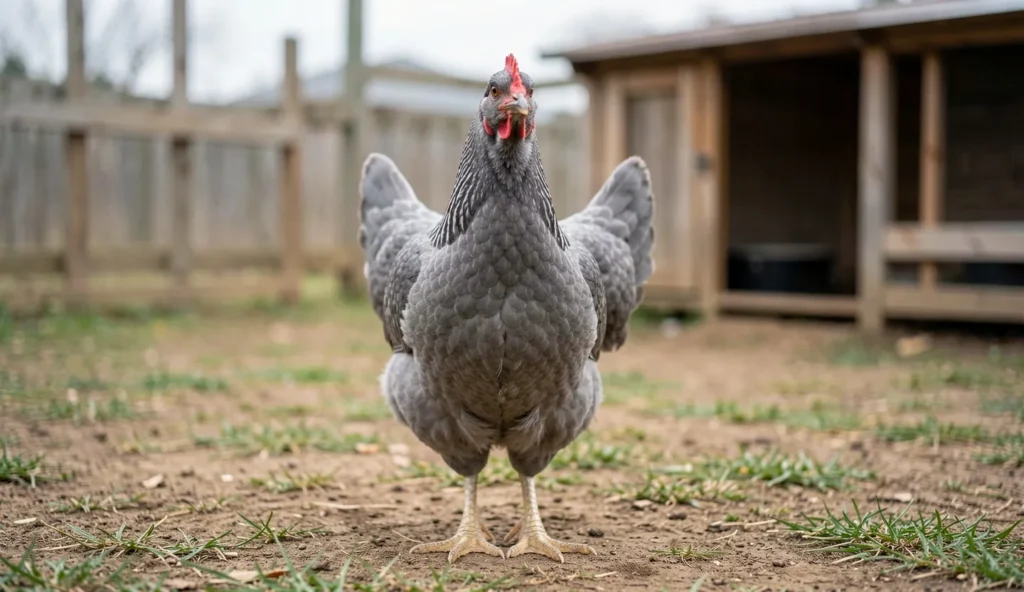
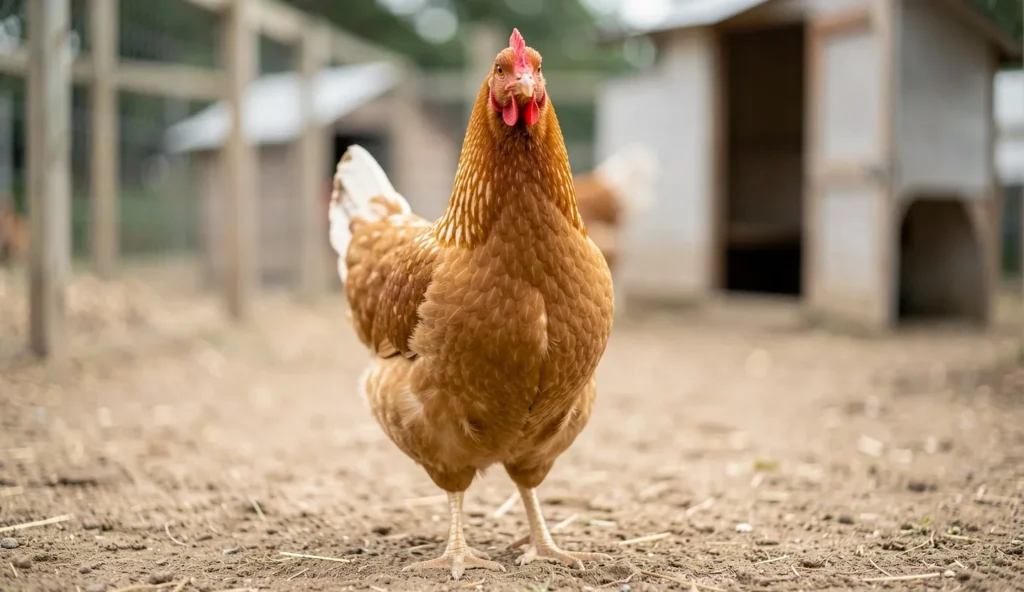
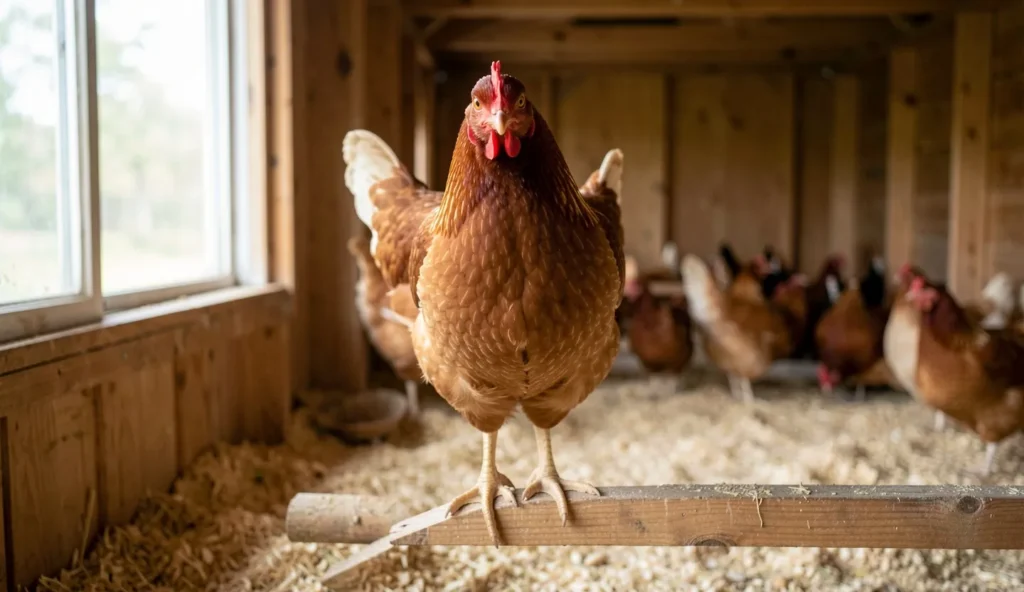
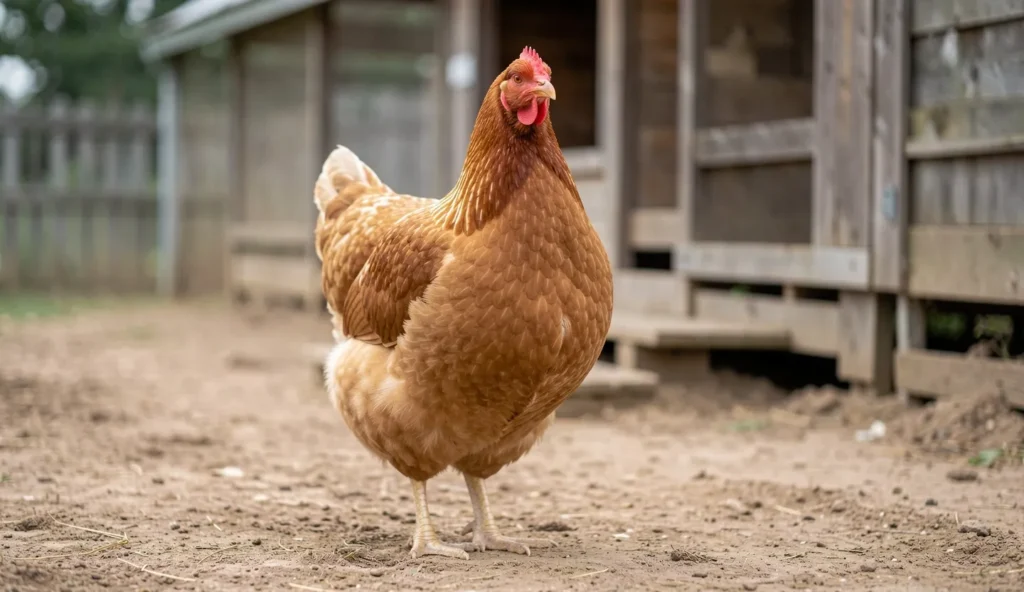
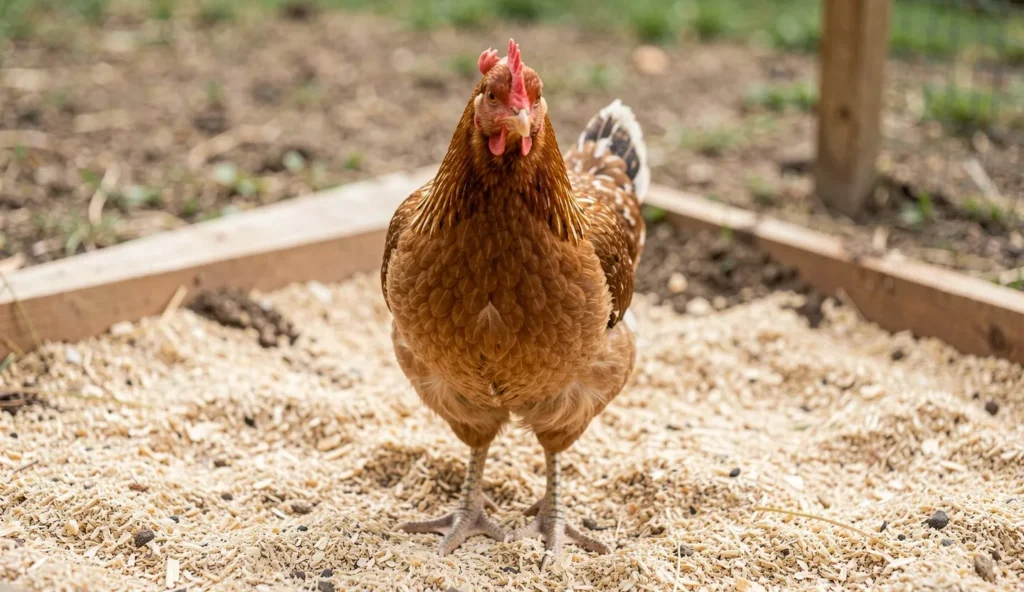
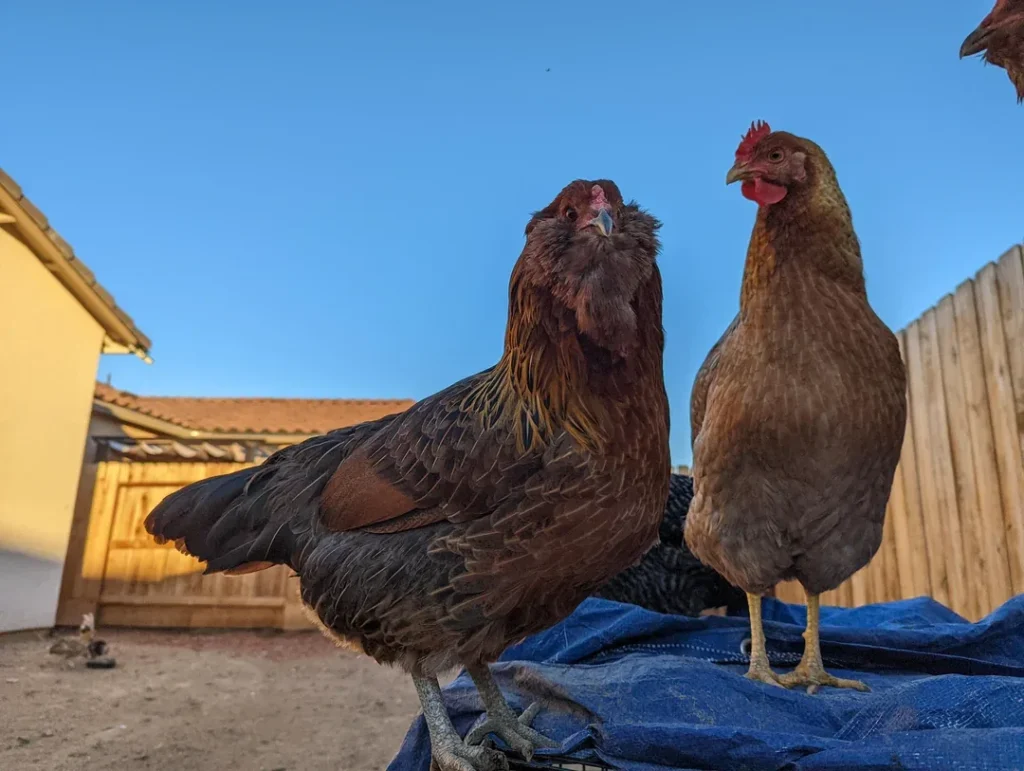
No two Easter Eggers look the same! They come in a wide range of feather colors and patterns. Many have fluffy cheeks and muffs, adding to their charm. This variety makes each bird unique, which is part of their appeal for backyard flocks.
🥚 Egg Production
One of their standout features is egg color. Each hen lays about 200–280 colorful eggs per year, although each bird only lays one specific shade throughout her life. For comparison, a Leghorn chicken may produce more eggs annually, but Easter Eggers win on novelty and visual appeal.
🧠 Temperament and Behavior
Easter Eggers are sweet, curious, and friendly. They enjoy human interaction and make great pets for families with children. Their gentle nature helps them integrate well into mixed flocks. If you are looking for another calm breed to pair with them, the Sussex chicken shares a similarly docile temperament.
🍽️ Nutrition and Care
These chickens don’t require special diets. Just provide quality layer feed, fresh water, and occasional treats like mealworms or vegetables for a healthy, happy bird. A consistent feeding routine helps maintain steady egg production throughout the year.
🛁 Grooming and Maintenance
Easter Eggers are low-maintenance. Clean their coop regularly, trim nails if needed, and check for mites or lice. They’re generally hardy and easy to care for. Their feathering is not as dense as some cold-hardy breeds, so ensure they have a dry, draft-free coop during winter months.
🌿 Ideal Environment
Easter Eggers do well in both free-range and confined setups. They tolerate a range of climates and are known for being excellent foragers when given the space. For keepers with limited room, they adapt better than more active breeds like the Rhode Island Red, which prefers more space to roam.
🌟 Fun Facts About Easter Eggers
- They can lay blue, green, or even light pink eggs.
- Each hen lays only one egg color.
- They’re not a true breed but a hybrid.
- Great for first-time chicken owners.
- Their egg color is determined by genetics, not diet.
❓ Frequently Asked Questions
Q1: Do Easter Eggers lay different colors of eggs at once?
A: No, each hen lays just one consistent color throughout her life.
Q2: Are Easter Eggers cold-hardy?
A: Yes, they tolerate cold temperatures quite well, especially if well sheltered.
Q3: Do they need special feed for colorful eggs?
A: No, a regular layer feed is sufficient. Egg color is genetic.
Q4: Are Easter Eggers good for children?
A: Absolutely! Their calm and friendly personality makes them great for kids.
Q5: Can Easter Eggers live in small backyards?
A: Yes, they’re adaptable and do well even in smaller urban settings.
✅ Conclusion
The Easter Egger chicken is colorful, curious, and beginner-friendly. With unique egg colors and cheerful personalities, they make a delightful addition to any backyard flock. Whether you are a first-time keeper or a seasoned enthusiast, these hybrids offer reliable egg production and endless charm. For another hardy and productive breed, consider the Australorp chicken, which is also known for its calm demeanor and excellent laying ability.