🐔 Plymouth Rock Chicken – A Calm and Reliable Backyard Egg Layer
🌟 Introduction
The Plymouth Rock chicken is a favorite among backyard chicken keepers for its excellent egg-laying ability, gentle temperament, and classic barred feather pattern. Ideal for families and beginners, this breed is both beautiful and productive. In fact, the Barred Rock variety was one of the first breeds admitted to the American Poultry Association’s Standard of Perfection in 1874, cementing its place in poultry history.
📜 History and Origin
The Plymouth Rock originated in the United States in the 1800s. It quickly became one of America’s most popular dual-purpose breeds. Its ability to lay eggs consistently while providing meat made it a top choice for homesteaders. For those considering other excellent dual-purpose options, the Rhode Island Red is another hardy breed with a similar reputation for reliability.
🧬 Physical Appearance
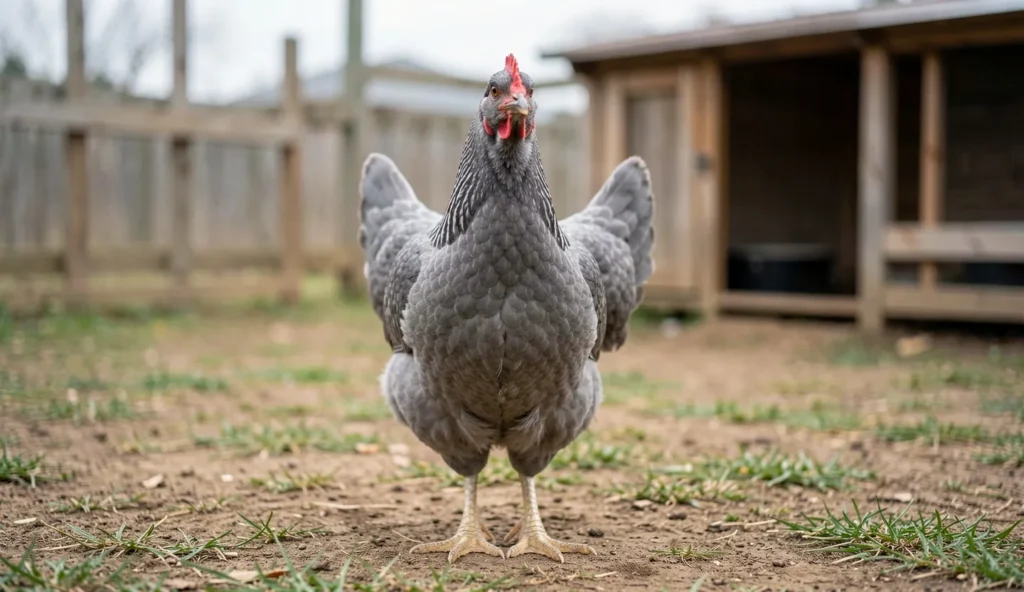
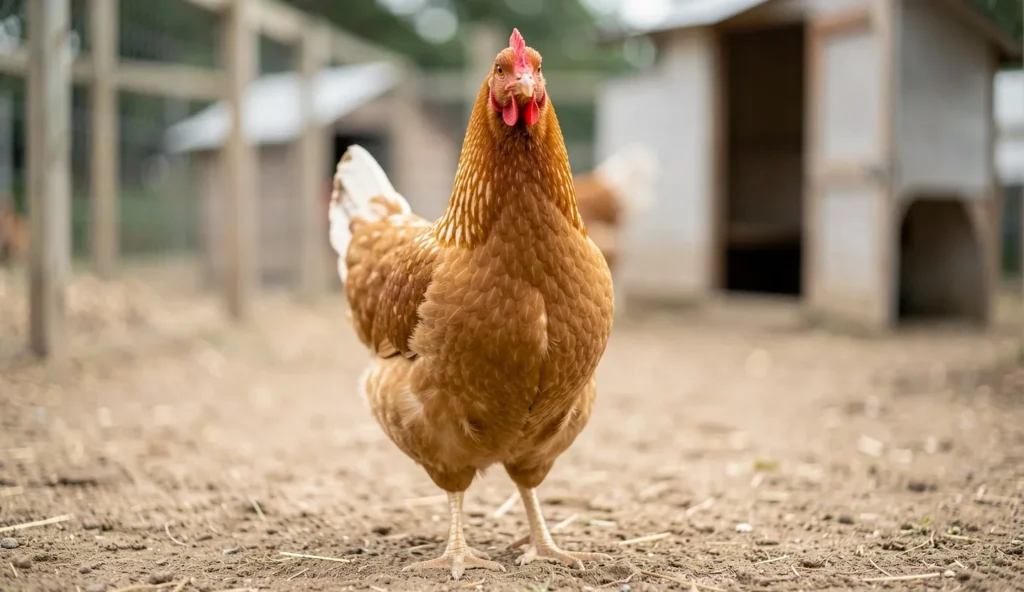
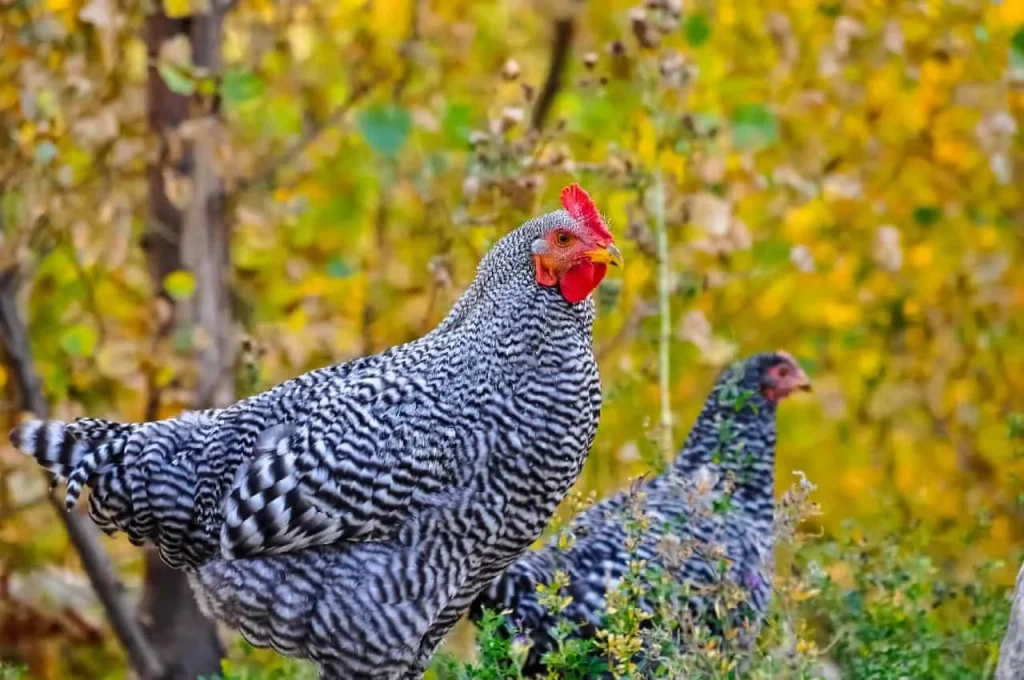
Plymouth Rocks are medium-to-large chickens with broad bodies and yellow legs. The most well-known variety is the Barred Rock, which features striking black and white stripes. Their comb is single and bright red. If you appreciate the classic barred pattern, you might also enjoy the Wyandotte chicken, which offers a similar cold-hardy temperament with beautiful laced feathering.
🥚 Egg Production
These hens lay approximately **200 to 280 brown eggs per year**, making them one of the best layers among heritage breeds. They are reliable and tend to lay throughout the year, even during winter. For keepers seeking even higher egg counts, the Leghorn breed can produce up to 320 white eggs annually, though with a more flighty personality.
🧠 Temperament and Behavior
Plymouth Rocks are calm, friendly, and easy to handle. They enjoy human interaction and are known to follow their owners around the yard. They get along well with other breeds and rarely show aggression. This gentle nature makes them a top pick for families with children, much like the Sussex chicken, another docile and productive backyard favorite.
🍽️ Nutrition and Care
A balanced layer feed, along with clean water and occasional treats, keeps Plymouth Rocks healthy and productive. Ensure they have access to grit and calcium for strong eggshells. A practical tip: offering crushed oyster shells in a separate dish allows hens to self-regulate their calcium intake, which is especially important during peak laying periods.
🛁 Grooming and Maintenance
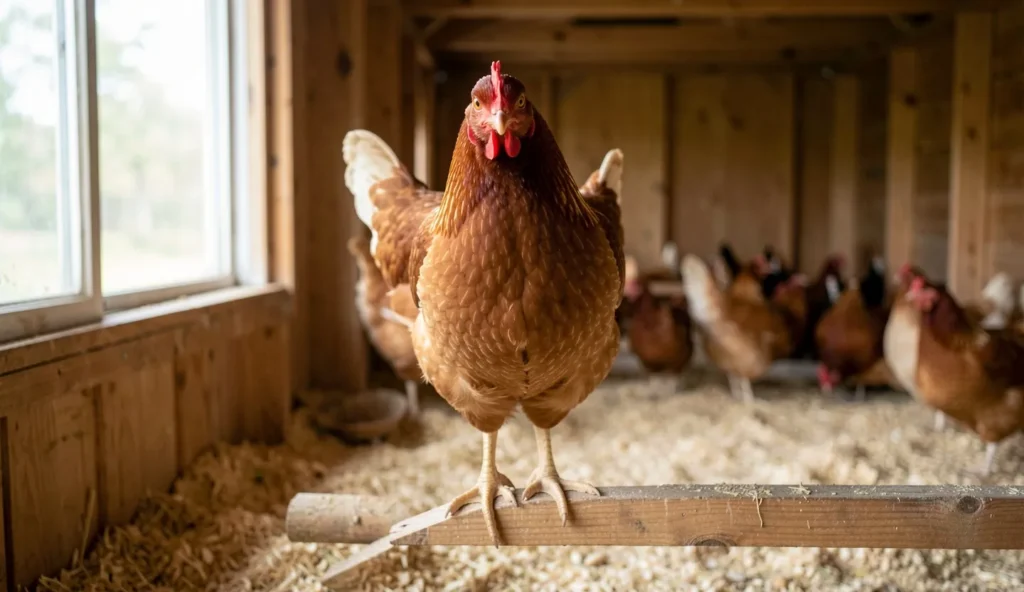
These birds are low-maintenance. Just provide a clean coop, dry bedding, and routine health checks. Their smooth feathers don’t require much grooming, but they do enjoy dust baths. Adding diatomaceous earth to their dust bath area can help control external parasites naturally.
🌿 Ideal Environment
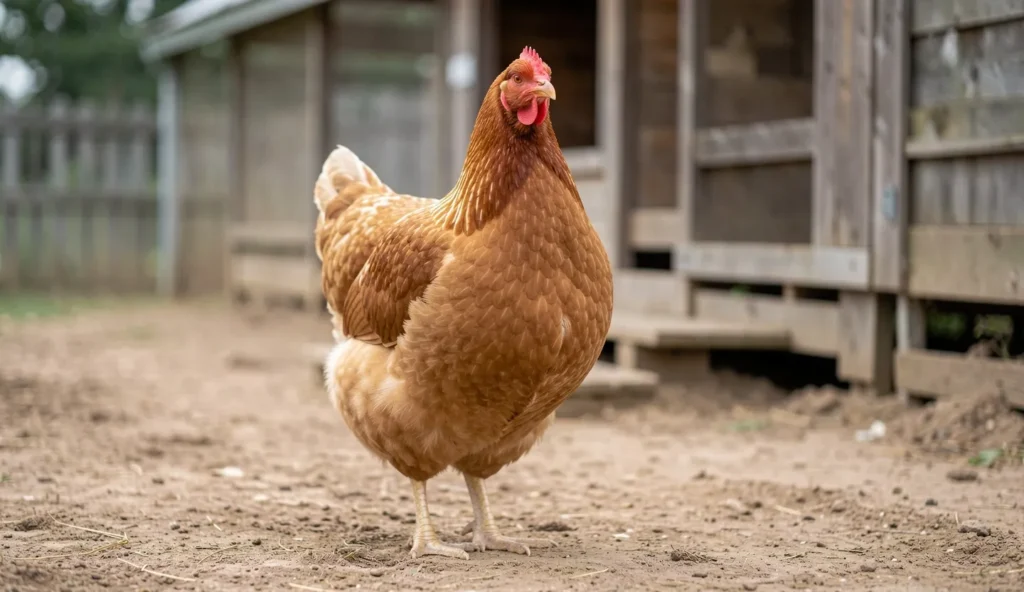
Plymouth Rocks adapt well to most environments. Whether free-ranging or kept in a run, they remain happy as long as they have space, shade, and protection from predators. Their calm demeanor also makes them a great match for mixed flocks, including with the Australorp chicken, another breed known for its easygoing personality and excellent egg production.
🌟 Fun Facts About Plymouth Rock Chickens
- They were nearly lost during the rise of industrial breeds but made a comeback thanks to heritage breed enthusiasts.
- Known for their intelligence and curiosity — they often learn to recognize their owner’s voice.
- Great mothers, when allowed to brood, and will diligently care for their chicks.
- One of the first breeds standardized by the American Poultry Association in 1874.
❓ Frequently Asked Questions
Q1: Are Plymouth Rock chickens good for cold climates?
A: Yes, they are cold-hardy and continue laying during winter months, making them a reliable choice for northern keepers.
Q2: Do Plymouth Rocks make good pets?
A: Absolutely! They are docile, friendly, and love interacting with people, often following their owners around the yard.
Q3: How long do they live?
A: With proper care, Plymouth Rocks can live 6 to 8 years or more, with some backyard hens reaching 10 years in optimal conditions.
Q4: Do they need special care?
A: Not really. They are hardy and low-maintenance birds perfect for beginners, requiring only basic chicken-keeping practices.
Q5: Can I keep them with other breeds?
A: Yes, they are social and mix well with other friendly chickens, making them an excellent addition to a mixed backyard flock.
✅ Conclusion
The Plymouth Rock chicken is a dependable, calm, and productive bird that has earned its place as a backyard classic. Whether you’re starting a flock or adding to an existing one, this breed offers charm, utility, and ease of care in one classic package. For those looking to expand their flock with similarly friendly and productive breeds, the Silkie provides a unique, fluffy alternative with a gentle disposition that complements the Plymouth Rock beautifully.