What Is a Jersey Giant Chicken
The Jersey Giant chicken is a large domestic chicken bred mainly for meat production. This breed stands out with massive Jersey Giant size and a steady Jersey Giant temperament that often makes daily care easier. Most families and homesteaders choose it when they want a dependable large chicken breed.
Breed Background And Where It Came From
Jersey Giant chickens originated in the United States as a meat-focused breed. Breeders selected birds for heavy body weight, slow steady growth, and useful size for processing. Over time, the breed became known as one of the largest chicken types kept by backyard keepers.
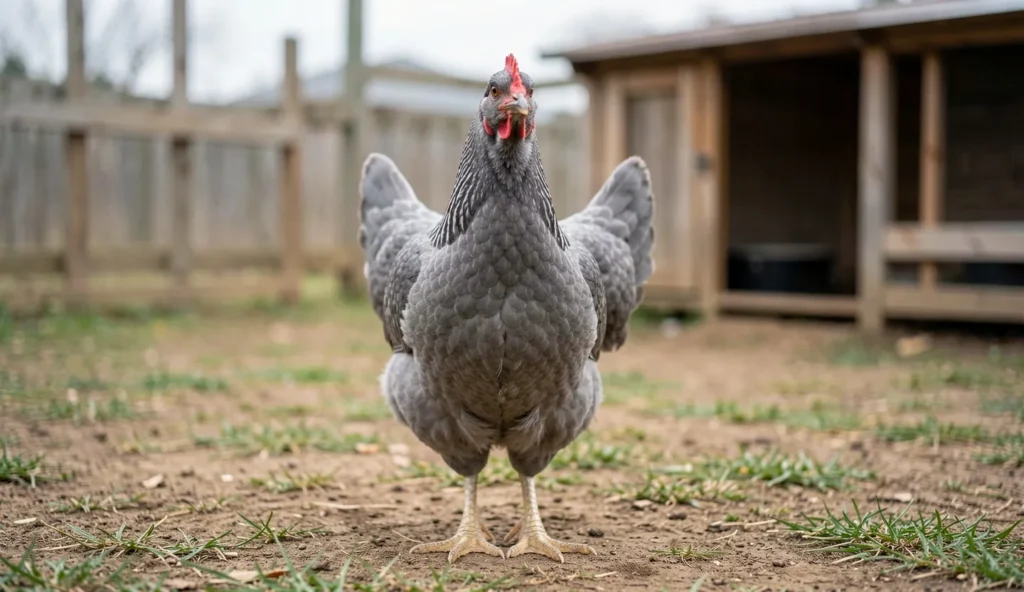
Common color varieties help with basic identification. For example, black birds with dense feathers are often seen, along with other recognized shades depending on breeding lines. When selecting stock, it helps to compare body proportions, not only the Jersey Giant chicken color.
Key Traits That Stand Out
Jersey Giant chickens show a broad, muscular frame built to carry weight. Compared with fast broiler types, growth usually follows a slower, more even pattern. Many owners also report a calm nature, which can matter for people managing large birds every day.
Because Jersey Giants grow big, handling routine becomes part of care. When calm behavior stays consistent, stress during feeding, cleaning, and routine checks usually stays lower. This stability supports easier Jersey Giant care for homesteaders and meat producers.
Jersey Giant Appearance And Size Expectations
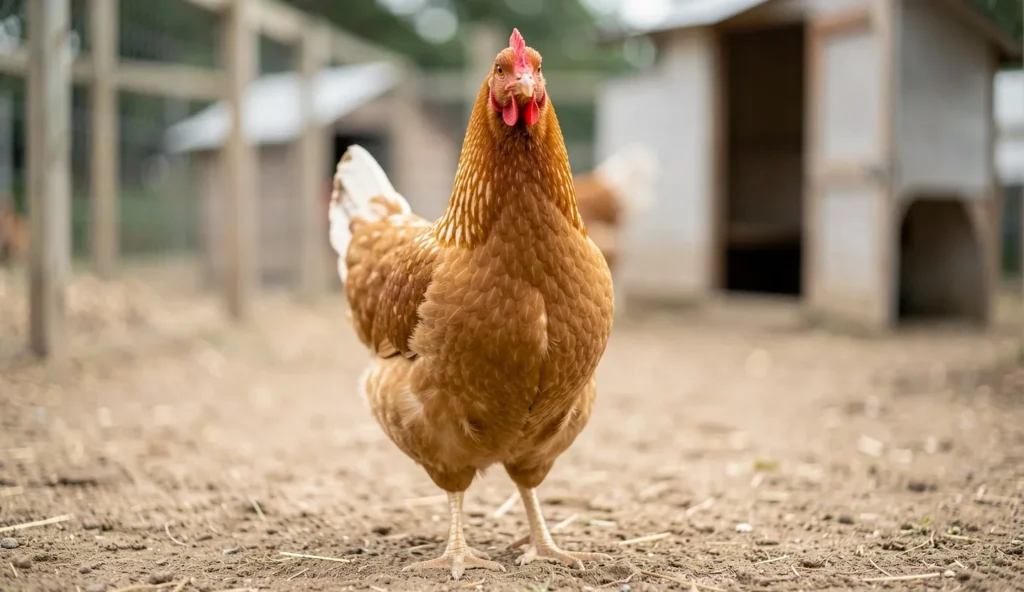
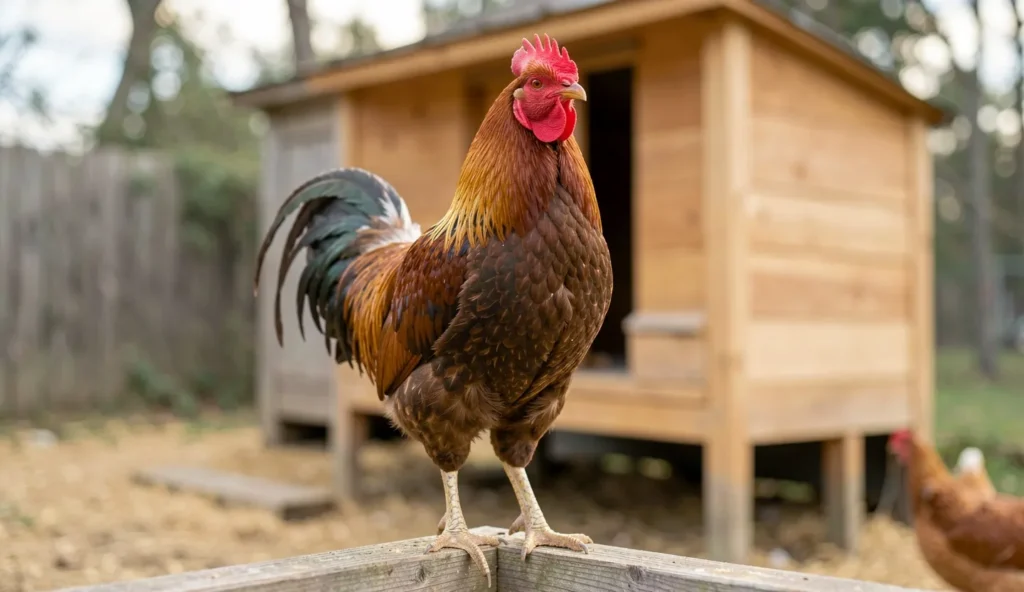
Appearance helps confirm the right bird type, especially when the goal is the largest chicken breed. The Jersey Giant size usually includes a long, heavy body and a strong upright stance. Dense feathering also contributes to a solid look and supports outdoor tolerance in cooler weather.
Typical Body Type And Visual Features
Jersey Giants usually have a broad, deep chest and a long, heavy body. The posture looks powerful because the bird stands tall rather than crouching. Dense plumage adds volume and helps the bird hold up well across seasons.
Feather coverage also affects how the bird looks at maturity. Healthy birds often show smooth feathering without patchiness. When observing a potential purchase, focus on overall shape and not only on the Jersey Giant chicken color.
Average Weight Ranges By Sex
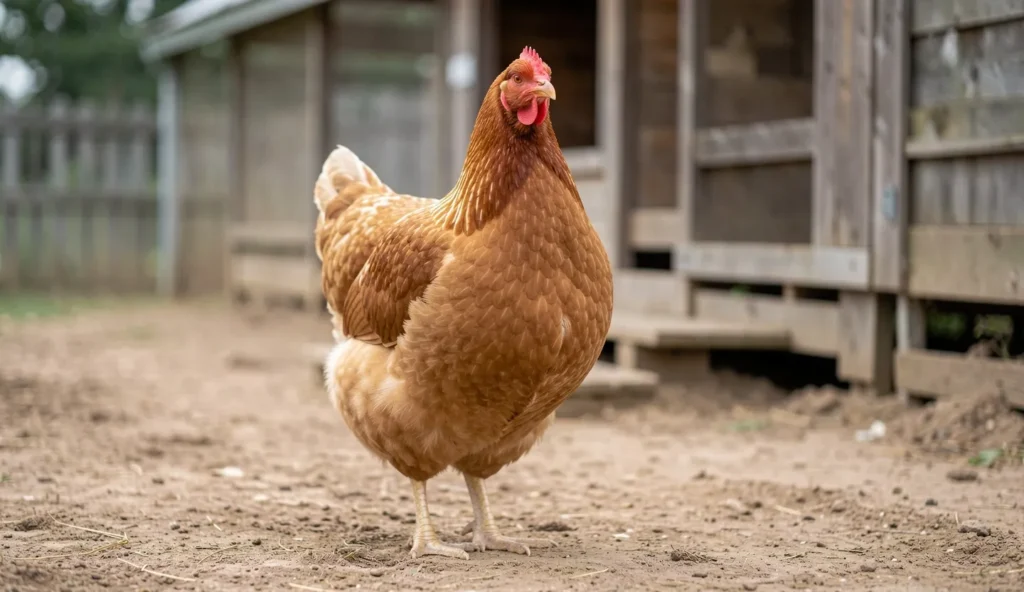
Roosters are typically heavier and larger than hens in most flocks. Many breeders and keepers expect hens to remain large even compared with standard backyard breeds. Specific weights can vary by genetics, feed quality, and how much space the birds get to move.
For planning, it helps to treat growth as a range instead of a single number. Birds that receive balanced nutrition and good footing often develop stronger joints and steadier body condition. Owners should monitor body condition rather than aiming for a single target weight.
Growth Timeline From Chicks To Mature Birds
Jersey Giant chicks grow at a steady pace through their first year. Unlike quick meat breeds, full maturity often takes longer than common backyard types. This slower timeline supports a more gradual build, though it also demands patience and consistent care.
To judge growth, compare size with weight trends over time. Also watch feather development, activity level, and leg posture. If growth stalls or legs look weak, feed stage timing and bedding quality may need review.
Common Color Varieties And Identification Tips
Black and other recognized varieties are commonly sold, but color alone does not confirm breed quality. Breed-standard body proportions matter more than a shade of feathers. Look for the correct comb shape, upright posture, and the thick, heavy build associated with the Jersey Giant chicken.
When comparing candidates, evaluate multiple traits at once. Healthy birds should show good feather cover, clear eyes, and stable walking. This combined approach reduces mistakes and helps keep flock traits closer to the expected largest chicken breed look.
Jersey Giant Temperament And Behavior Around People
Jersey Giants often handle better than many other large meat breeds because of a calm Jersey Giant temperament. Most birds tolerate routine care when people move slowly and handle them gently. This matters because large birds require careful movement during feeding, cleaning, and health checks.
Calm Nature And Daily Handling
Many keepers describe Jersey Giants as docile and easygoing. Daily handling usually stays manageable when birds get used to regular routines. Calm birds also tend to cooperate more during weighing, vet checks, and minor grooming tasks.
Because these chickens are heavy, handling technique matters. Lifting should support the full body and avoid awkward twisting. If stress rises, returning to consistent routines usually helps stabilize behavior.
Flock Behavior And Social Needs
Jersey Giants often integrate smoothly when introduced at a young age. However, space and feeding access still matter because larger birds can push smaller flockmates. The risk of bullying usually increases when growth spurts change body size quickly.
To reduce conflict, provide enough feeder space and plan room to move. Extra access points also lower competition at feeding time. When behavior changes suddenly, observe for injuries and adjust space before problems spread.
Good Fit For Meat Production And Family Farms
Calm birds can simplify management for processing days and daily chores. When birds remain steady, routines such as feeding schedules and coop cleaning often feel less stressful. For many homesteaders, temperament supports safer handling and smoother flock care.
Large chickens can also reduce labor in some setups because each bird yields more meat. Still, the calmer Jersey Giant temperament does not remove the need for correct setup. Proper housing and bedding remain the foundation of strong welfare and consistent Jersey Giant care.
For keepers who already compare large poultry options, useful context can come from similar breeds like the Brahma chicken, which also receives attention for size and calm handling.
Jersey Giant Housing Essentials For Large Birds
Housing must support the Jersey Giant size and the bird’s heavier body build. A strong coop design keeps feet dry and reduces stress from cramped roosting. With the right space and clean conditions, Jersey Giant care becomes more predictable.
Coop Space And Roosting Requirements
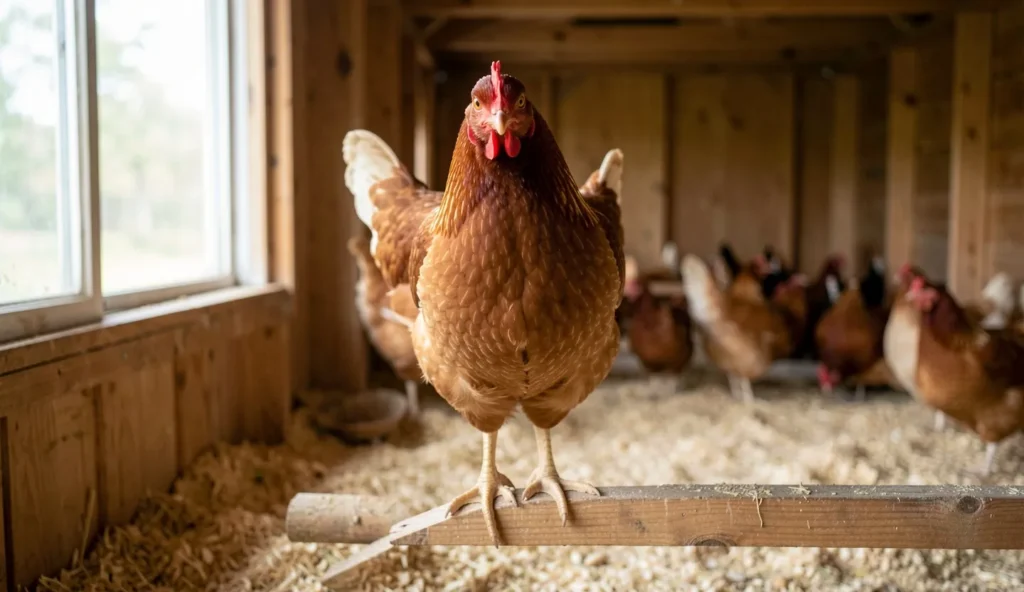
Floor space should increase because large birds need room to stand, turn, and rest comfortably. Roost bars must be sturdy and wide enough for big feet. In addition, roosts should sit low enough to reduce injury risk for heavier birds.
Since the birds carry more weight, damaged or slick roost surfaces can lead to slipping. Regular inspection helps catch loose boards or uneven roost mounting early. Keeping roosts stable supports safer movement at night.
Run Size And Outdoor Space Planning
Outdoor space supports natural movement and helps reduce stress in the flock. Because Jersey Giants are larger than many backyard breeds, run size should exceed what smaller chickens need. Use fencing that matches the bird’s strength and walking style.
Good drainage matters as much as space. Wet, muddy footing can increase foot issues and can worsen damp coop conditions. Bedding and outdoor footing should aim to stay dry and supportive.
Bedding, Ventilation, And Cleanliness
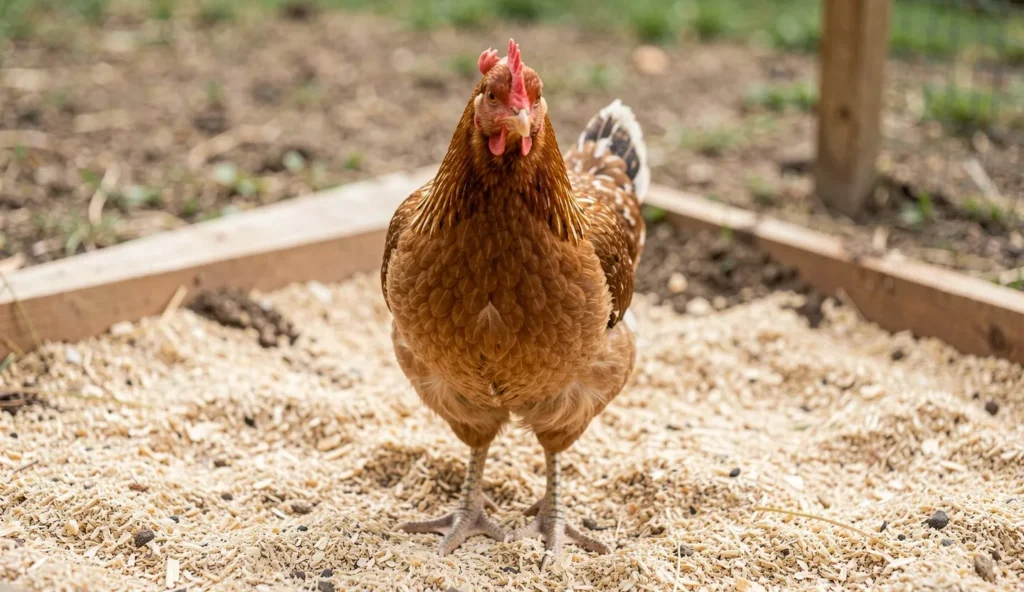
Dry bedding helps protect feet and reduces moisture problems in heavy birds. Good ventilation controls humidity and limits respiratory issues linked to damp air. Spot cleaning daily reduces buildup, while deep cleaning on a schedule keeps the coop fresh.
Large birds also produce more waste. This makes routine cleaning more important, especially during humid weather. When cleaning supports airflow and dryness, health maintenance becomes easier for Jersey Giant care.
Nesting Boxes That Work For Big Hens
Nesting boxes need larger dimensions so big hens can fit without crowding. Multiple boxes reduce conflict and lower the chance of stress during egg laying. Place nesting areas in quieter coop sections to support calmer nesting behavior.
Some flocks benefit from wider entry space, since heavy birds can hesitate if the doorway feels tight. Clean nesting material also helps keep eggs safe and reduces grime on feathers. This small planning step supports easier daily management.
For readers building broader farm poultry setups, the logic of sturdy space planning also helps when comparing with other birds such as Plymouth Rock chicken housing needs.
Jersey Giant Diet And Feeding Guide
Diet drives growth, feather condition, and the health of joints that carry large body weight. The Jersey Giant chicken diet should follow life stages rather than one constant feed. With the right feeding plan, Jersey Giant size development can stay steady and stable.
Best Feed Types For Chicks, Growers, And Adults
Chicks typically need a high-protein starter feed to support early growth. Growers usually switch to balanced feeds as their bodies develop and activity levels rise. Adults depend on whether hens remain in production or whether the flock focuses mainly on meat.
If hens lay year-round, layer feed can meet calcium and nutrient needs. If birds are grown for meat, many owners still follow stage feeding while ensuring no nutrient gaps appear. Using correct feed stages reduces slow growth and supports strong feathering.
How Much To Feed And How To Adjust
Feeding amounts depend on age, body weight, and how much the birds move daily. Adjusting based on body condition helps avoid the problems that come from overfeeding. Excess weight can stress joints and affect movement, especially in large chickens.
Growers should show consistent appetite and steady body condition without sudden fat buildup. If birds look too heavy or move less, reduce portions slightly and check how much forage they reach. If growth lags, review whether the feed type matches the current stage.
Treats, Foraging, And Safe Additions
Treats should stay limited because treats can replace nutrients in a balanced feed plan. Foraging supports enrichment, but it should not become the main diet for fast growth. Safe scraps and treats help keep birds engaged and reduce boredom.
When adding treats, choose options that do not disrupt nutrition balance. Avoid feeding unsafe foods, and keep portions small. This approach supports stable Jersey Giant care while keeping digestion and growth on track.
Water Requirements And Drinking Setup
Large birds need clean, reliable water and easy access during heat and cold. Using drinkers that reduce spillage helps keep bedding dry, which supports foot and respiratory health. Waterers should be cleaned often to prevent contamination.
Spilled water increases humidity and can contribute to damp litter. Because Jersey Giants spend time standing and resting close to bedding areas, wet ground becomes a bigger risk. Keeping water systems functional supports overall health stability.
When planning meat bird routines, many homesteaders also compare with other poultry feeding patterns like Leghorn chicken for egg-focused management, even though feed goals differ.
Jersey Giant Care Tips For Health And Grooming
Jersey Giant care focuses on routine checks that prevent joint, respiratory, and parasite problems. The largest chicken breed needs stable footing, dry bedding, and consistent handling to reduce stress. With small daily habits, health issues become easier to catch early.
Routine Grooming And Foot Care
Feet need regular attention because heavy birds load more pressure with each step. Check toes and soles for tenderness, swelling, or signs of moisture irritation. Keep bedding dry to support healthy skin and reduce the risk of contact problems.
Nail trimming may be needed occasionally, but it should stay minimal and safe. Over-trimming can cause bleeding and pain, so only trim when necessary. Gentle foot checks also help identify whether a bird prefers one leg due to discomfort.
Health Monitoring Checklist
Owners can reduce surprises by watching for clear daily signals. Look for limping, drooping posture, and loss of appetite that lasts more than a short period. Comb, eyes, and breathing can also show stress or illness early.
Droppings offer extra clues when compared over time. Changes in consistency can reflect diet issues, stress, or early health problems. When something shifts, adjusting care and seeking veterinary help quickly supports recovery.
Common Health Issues In Large Chickens
Joint strain can occur, especially when growth is rapid or footing remains poor. Damp, poorly ventilated coops raise the risk of respiratory issues and persistent moisture problems. Parasites can affect any flock, so regular checks and clean routines help keep numbers under control.
Most health problems connect to management. That includes ventilation, bedding dryness, nutrition quality, and clean water. When Jersey Giant care follows these basics, many serious issues never develop.
Prevention Practices That Keep Birds Calm And Stable
Consistent routines reduce stress, and gentle handling supports a stable Jersey Giant temperament. Sturdy feeders also help prevent pushing and sudden crowding at meal times. Extra access points can make feeding calmer for big birds.
Cleaning schedules keep equipment in good condition and support consistent coop conditions. When bedding stays dry and airflow remains steady, birds usually remain more active and alert. Active birds tend to eat better and recover faster if something minor occurs.
Starter Checklist For New Owners
A simple starter list helps new owners plan before chicks arrive. Space, feed stage selection, and stable roosting should come first. After setup, daily health checks keep the flock on track.
- Confirm coop floor space for large roosting and turning
- Choose correct feed type for chicks, growers, and adults
- Provide wide roost bars with safe, low mounting
- Plan a large run with drainage and stable footing
- Use clean waterers that limit spillage
- Schedule routine checks for feet, breathing, and droppings
Because homesteads often raise more than one animal, some keepers also plan livestock routines around calm handling. For similar management focus in a larger animal, the Jersey Cow article can help reinforce how consistent care supports healthier daily outcomes.
Is a Jersey Giant Chicken Right For You
The Jersey Giant chicken fits best when goals center on size, meat potential, and calm handling. It also suits homesteaders who want a large breed that does well with routine flock care. Still, the largest chicken breed requires planning for space, feeding, and stable housing.
Best Reasons To Choose This Breed
Choose the Jersey Giant when maximum size matters for meat production or farm diversity. The calm Jersey Giant temperament often makes handling during daily care easier. It also provides a strong option for large breed lovers who prefer steady growth over quick broiler cycles.
For homesteads, stable birds can reduce stress around chores. Calm behavior supports routine feeding and cleaning, which supports better welfare overall. When care stays consistent, the breed’s larger body often develops as expected.
Things To Consider Before Buying
Large birds need more space and sturdier equipment because their weight affects roosts, floors, and feeders. Patience matters because growth takes longer than many fast meat breeds. Footing and nutrition should remain accurate to reduce joint strain and other growth-related problems.
It also helps to budget time for regular cleanup. Heavy chickens increase waste and can raise coop humidity if cleaning routines lag. When these challenges receive planning, the breed usually performs well in the right environment.
Right Setup For Meat Producers And Homesteaders
Meat producers should plan housing that supports heavier birds with safe roosting height and dry bedding. Nutrition should stay balanced across life stages to support steady growth and healthy joints. Calm routines during feeding and cleaning can also reduce handling stress during weekly management.
Homesteaders who want variety may compare other poultry goals, including larger utility breeds. For example, the American Giant Homer focus on utility value can help frame how utility breeds fit farm planning, even though species care differs.
FAQs: Jersey Giant Chicken Care
How big do Jersey Giant chickens get?
Roosters and hens reach very large weights for backyard chickens, with hens still significantly heavier than many standard breeds.
Are Jersey Giant chickens calm?
Jersey Giant chickens are typically docile and steady around people, which supports easier daily care.
What do Jersey Giant chickens eat?
They eat starter, grower, and adult feeds by life stage, and laying hens can use balanced layer feed.
How much space does a Jersey Giant need in the coop and run?
They need more floor and outdoor space than smaller breeds due to their larger body size and heavier movement.
What health problems are common in large chicken breeds like Jersey Giants?
Common issues include joint strain, respiratory problems from damp coops, and parasites that can affect any flock.
At what age do Jersey Giant chickens reach maturity?
Maturity takes longer than many standard backyard breeds, so owners usually plan for a longer grow-out timeline.
Jersey Giant Success Starts With Steady Care
When Jersey Giant care focuses on space, correct feed stages, dry bedding, and calm handling, these large birds tend to thrive. Their size and temperament can fit well with meat production and homestead routines when planning stays consistent.