🐔 Leghorn – The Active and High-Producing Egg-Laying Chicken Breed
🌟 Introduction
If you’re looking for a chicken breed that consistently delivers 280 to 320 white eggs per year, the Leghorn chicken is hard to beat. This world-famous breed is prized for its outstanding egg production and energetic personality, making it a top-tier choice for both backyard enthusiasts and commercial operations. While breeds like the Rhode Island Red are known for their hardiness and the Australorp chicken for its calm temperament, the Leghorn stands out as a dedicated egg-laying powerhouse that thrives in active, free-range settings.
📜 History and Origin
Originating from Italy, the Leghorn breed was brought to the United States in the 1800s. Over the years, it was refined for commercial egg production and is now one of the most recognized breeds in the poultry industry. Its efficiency has influenced the development of many modern hybrid layers.
🧬 Physical Appearance
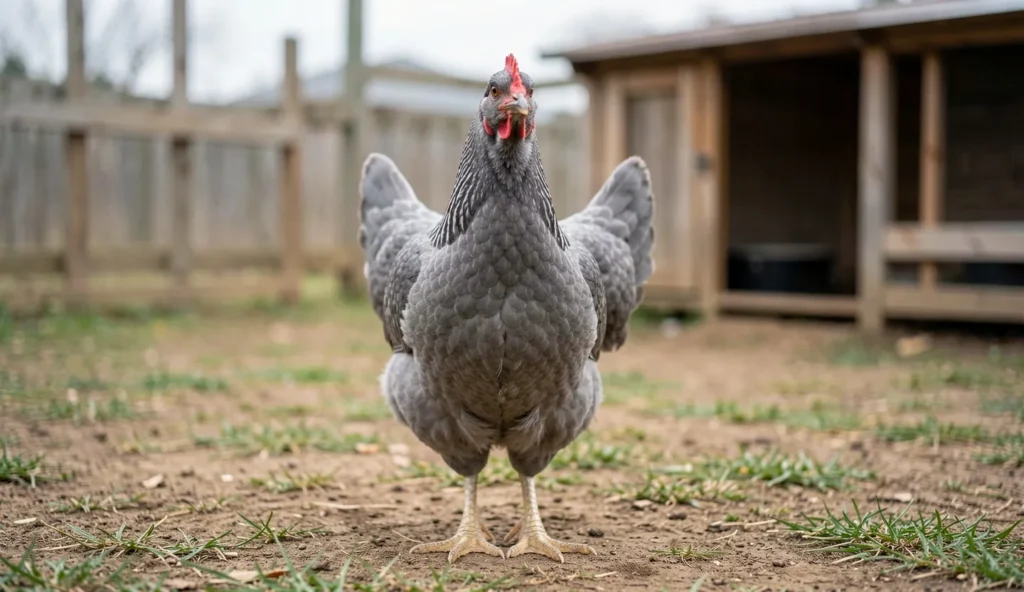
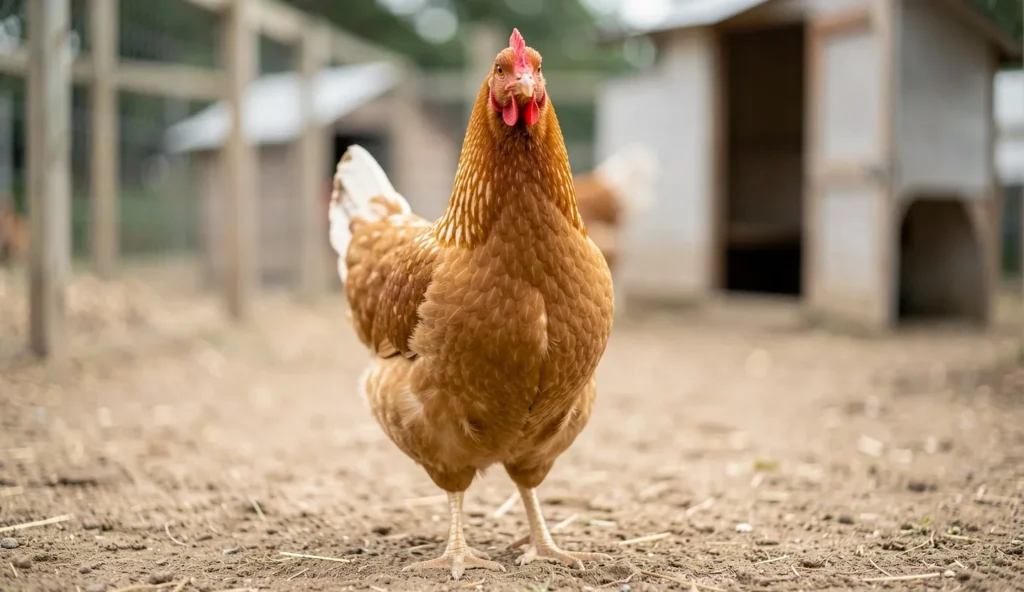
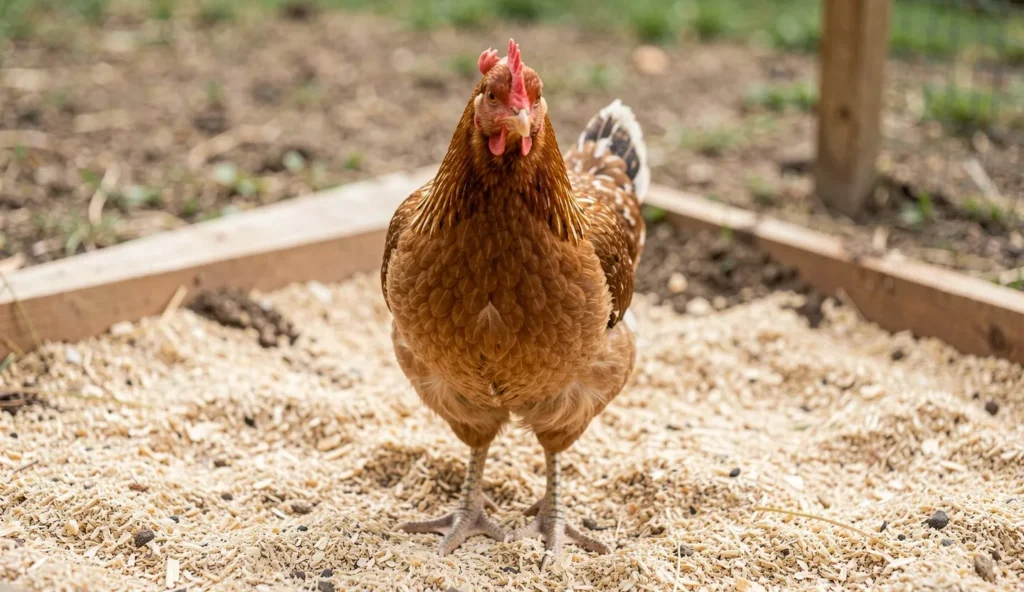
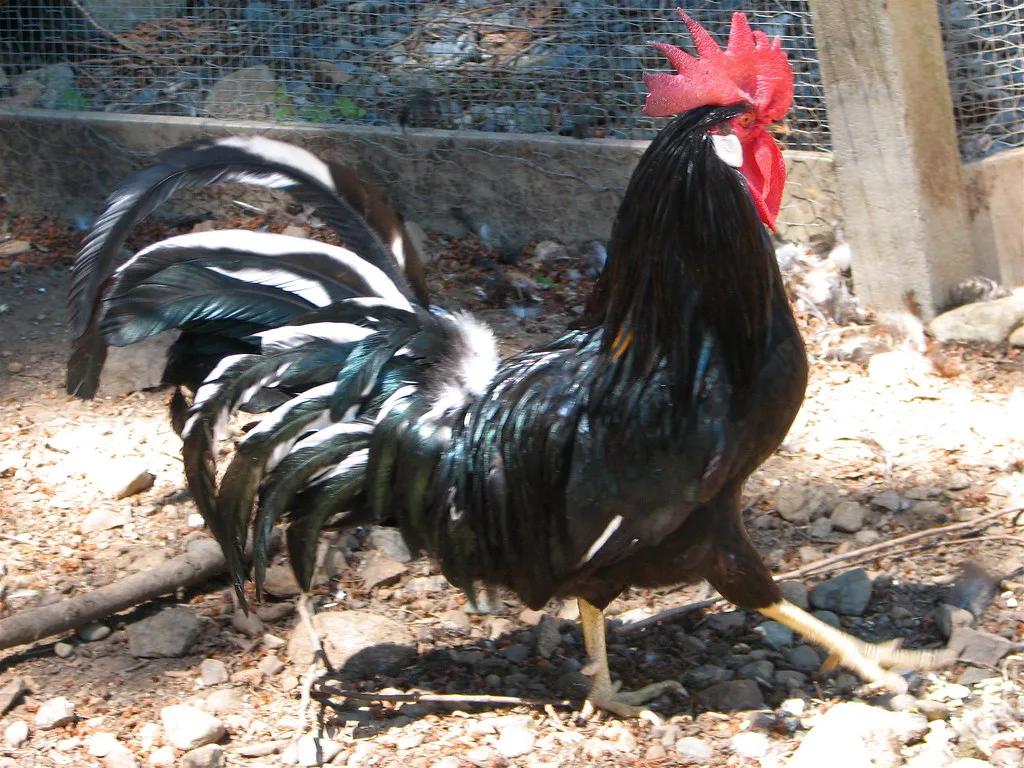
Leghorns are slender, graceful birds with long tail feathers and large combs. They come in several colors, but the most popular is the **White Leghorn**. Their lightweight bodies make them excellent foragers, and they are notably more agile than heavier breeds like the Brahma chicken.
🥚 Egg-Laying Ability
Leghorns are elite layers, producing **280 to 320 white eggs per year**. They start laying at an early age and continue reliably, making them highly efficient for egg production. For comparison, the Sussex chicken is also a strong layer but typically produces slightly fewer eggs annually.
🧠 Temperament and Behavior
Leghorns are independent and active. They prefer to roam and forage, and they are very alert. While not overly cuddly, they are friendly if raised with care and consistency. Their high energy means they need more space than docile breeds, so a large run or free-range setup is ideal.
🍽️ Nutrition and Care
A high-protein layer feed supports their egg production. Supplement their diet with greens and insects if they are free-ranging. Clean water and a well-ventilated coop are crucial for health. Because Leghorns are so active, they burn more calories than sedentary breeds, so ensure they have constant access to feed.
🛁 Grooming and Maintenance
Leghorns are low-maintenance but need regular health checks. Their large combs should be protected in cold weather to prevent frostbite—applying a thin layer of petroleum jelly can help. Keep their nesting boxes clean and dry to prevent egg contamination.
🌿 Ideal Environment
Leghorns thrive in free-range environments but can adapt to coops with enough space. They enjoy flying and exploring, so a secure fence is recommended to keep them safe. A covered run is also beneficial to protect them from aerial predators.
🌟 Fun Facts About Leghorns
- The famous cartoon character “Foghorn Leghorn” was inspired by this breed.
- They are among the most productive commercial layers in the world.
- White Leghorns are the most common white egg-layers in supermarkets.
- They are very heat-tolerant and do well in warmer climates.
❓ Frequently Asked Questions
Q1: How many eggs does a Leghorn lay per year?
A: On average, 280 to 320 white eggs annually.
Q2: Are Leghorns friendly?
A: They are active and alert, not overly cuddly, but not aggressive either.
Q3: Can Leghorns tolerate cold weather?
A: They can, but their large combs are prone to frostbite without protection.
Q4: Do Leghorns need a lot of space?
A: Yes, they prefer free-ranging or large enclosures where they can move freely.
Q5: What color are Leghorn eggs?
A: Leghorns lay bright white eggs.
✅ Conclusion
The Leghorn chicken is a fantastic choice for anyone focused on egg production. With their high energy, excellent laying ability, and adaptability, they remain a favorite among backyard chicken keepers and commercial farms alike. If you’re building a diverse flock, consider pairing them with a calm breed like the Plymouth Rock chicken for a balanced and productive backyard setup.